Welcome to Modern Agriculture!

You bought a plant. You loved it. You watered it, moved it around the apartment looking for the right light, maybe even talked to it a little. And then one morning you noticed the leaves going yellow, the stems going soft, and that unmistakable smell of roots that have given up.
So you tossed it, felt terrible, and told yourself you just aren’t a plant person.
That story is so common it might as well come printed on the receipt at the garden center. But here’s what nobody tells you when you’re standing over a dead fern feeling like a failure: every single person who’s good with plants got there by losing a lot of them first. The difference isn’t talent or some magical green thumb gene. It’s just that they kept trying anyway.
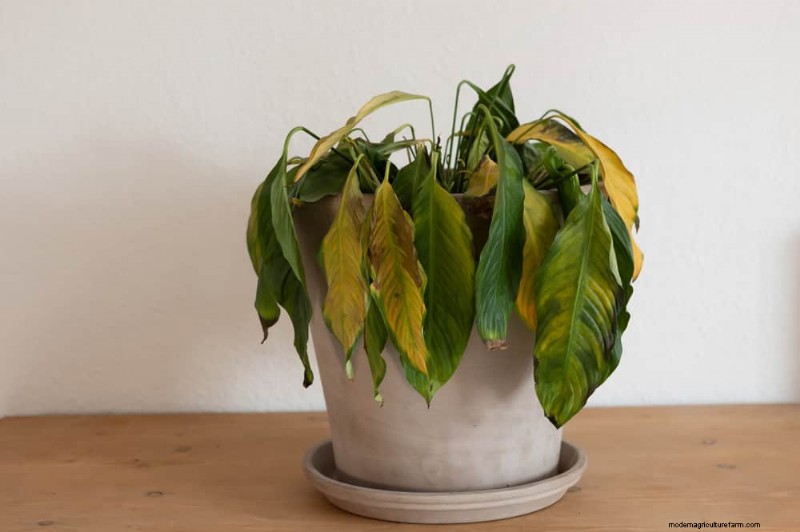
Somewhere along the way, keeping a plant alive became a measure of whether you have your life together. Social media made it worse. Everyone’s got a thriving monstera in a sunlit apartment, and yours is browning in a corner next to a pile of laundry.
But plants are living organisms with specific needs. Sometimes those needs don’t line up with your space, your schedule, or your water quality. A plant dying doesn’t mean you did something wrong. It often just means the match wasn’t right.
Think about it this way: if you adopted a tropical rainforest plant and stuck it in a dry, dimly lit apartment, that’s not failure on your part. That’s a mismatch between what the plant evolved to need and what you can realistically provide. Your orchid didn’t die because you’re irresponsible. It died because your bathroom doesn’t have the humidity of a Costa Rican cloud forest, and that’s completely reasonable.
The sooner you stop treating plant death as a personal failing, the sooner you can start seeing it for what it actually is: information. Useful, practical information about what works in your home and what doesn’t.
⚠️ Common Mistake
Buying a plant because it’s trendy or gorgeous without checking if your space can actually support it. That fiddle leaf fig looks amazing in photos, but it needs bright, consistent light and hates being moved. If you’re still figuring out plant care, skip the Instagram darlings and go for plants that tolerate your learning curve.
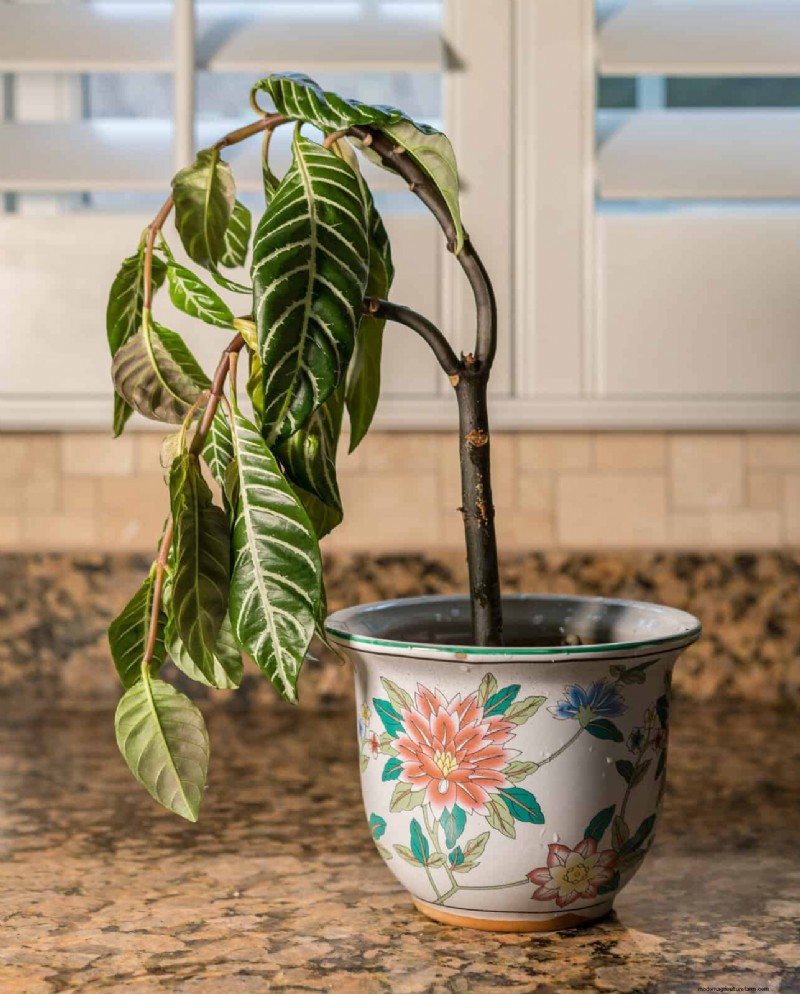
There’s no such thing as a black thumb. There are only people who haven’t found the right plant yet.
If you tried to keep a calathea alive in a dry apartment with inconsistent light, you didn’t fail. You picked one of the most dramatic houseplants on the market and gave it your best shot. That’s like learning to cook by attempting a souffle and then deciding you can’t make food. Start with scrambled eggs. In plant terms, start with a pothos or a snake plant and build from there.
The whole “black thumb” thing is marketing. It keeps you buying the same hard-to-please plants over and over, convinced that this time you’ll crack the code. But the truth is simpler and more boring: some plants are just harder to keep alive than others, and difficulty level has nothing to do with how much you love them or how badly you want them to thrive.
You wouldn’t expect to master piano in a week. You wouldn’t feel like a failure if your first loaf of bread came out dense. Plants are the same. You’re learning a skill, and skills take time.
We'll email it to you so you can read it later!
By saving, you agree to receive occasional emails. Unsubscribe anytime.
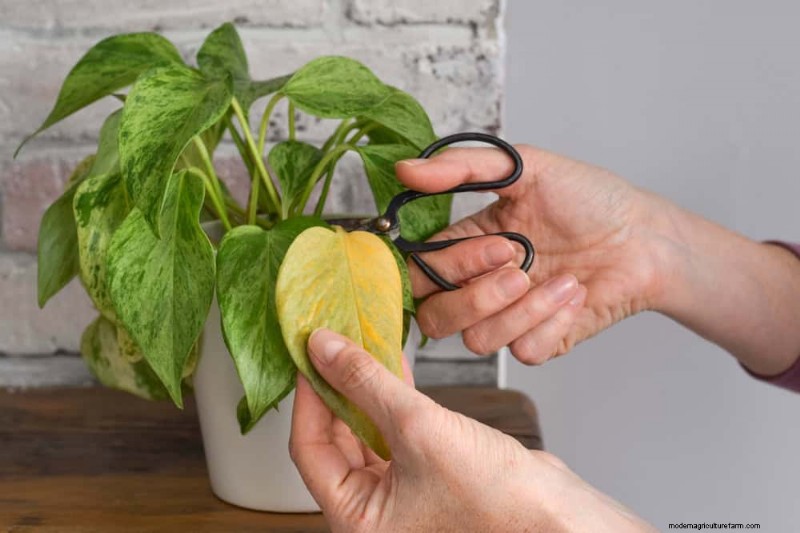
Every plant you lose gives you information you couldn’t have gotten any other way. Reading care guides is one thing. Watching a succulent rot because your bathroom has zero airflow is a lesson that sticks. You won’t forget that one.
Here’s what experienced plant people have learned the hard way:
None of that comes from a book. It comes from killing a few plants and paying attention to what went wrong. The paying attention part is what separates people who eventually get good at this from people who just keep repeating the same mistakes.
If you’re tired of guessing and want a gardening approach that actually works with your brain, The Neurodivergent Gardener breaks the whole process into energy-matched, sensory-friendly steps — 89 pages of strategies built for people who’ve been told they’re bad at keeping things alive.
The internet is full of conflicting plant advice, and the more you search, the more confused you get. One source says mist your fern daily. Another says misting does nothing. A third says you need a humidifier, a pebble tray, and a prayer.
When a plant starts declining, the best thing you can do is simplify. Check three things: Is the soil staying wet too long? Is the plant getting enough light? Has anything changed recently, like a move to a new spot or a temperature shift?
Nine times out of ten, the answer is in one of those three. Start there before you go down a rabbit hole of advanced diagnostics about nitrogen deficiency or spider mite infestations. Most problems are basic problems with basic solutions.
If you’re constantly second-guessing whether to water, a simple soil moisture meter takes the mystery out of it entirely. Stick it in the pot, read the dial, done. No more finger-in-the-soil tests that leave you wondering if “slightly damp” means water now or wait another day.
That person on Instagram with 200 thriving houseplants didn’t start that way. They started with one pothos on a windowsill, just like everybody else.
What you’re seeing is years of trial and error, curated lighting, and probably a few plants strategically hidden behind the couch because they’re not looking so great right now. You’re comparing your behind-the-scenes to someone else’s highlight reel, and that’s never a fair fight.
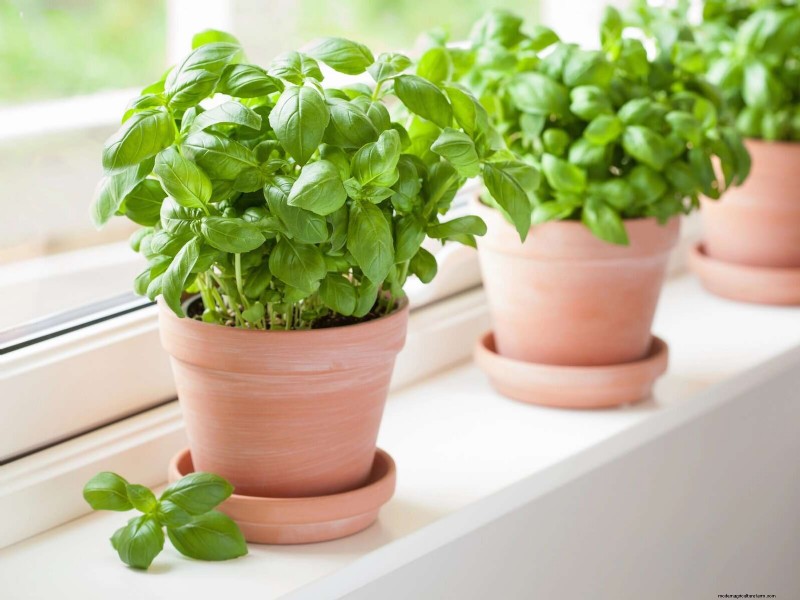
Your garden, your windowsill, your single pot of basil on the counter (that’s real). And it counts. You don’t need a jungle to be a plant person. You just need one plant you’re keeping alive on purpose.
Besides, those plant influencers have entire setups dedicated to keeping their collection happy. Grow lights, humidifiers, watering schedules tracked in spreadsheets. That’s not casual plant ownership anymore. That’s a full hobby with dedicated infrastructure. If you’re just trying to add some green to your living room without turning it into a part-time job, you’re playing a different game entirely.
Related: If you’re looking for plants that won’t punish you for forgetting a watering or two, check out 26 Beginner Houseplants That Practically Thrive on Neglect.
Quick FAQ
Q: How do I know if I’m overwatering or underwatering?
Overwatered plants have yellow leaves, mushy stems, and soil that stays wet for days. Underwatered plants have brown, crispy leaves and dry, pulling-away-from-the-pot soil. When in doubt, stick your finger two inches into the soil. If it’s wet, don’t water yet.
Q: Do I really need to repot new plants right away?
No. Let your new plant adjust to your home for at least a few weeks before repotting. The stress of a new environment plus the stress of repotting can be too much at once. Unless the roots are literally bursting out of the pot, leave it alone for now.
One of the best things about plants is that they’re renewable. Unlike a lot of hobbies where failure is expensive or permanent, a new plant costs a few dollars and a fresh start is always available.
Lost your herb garden? Grab a new basil start. Overwatered your succulent into oblivion? The garden center has fifty more. There’s no entrance exam and no penalty for a do-over. You just begin again with a little more knowledge than last time.
This is one of the reasons gardening is such a forgiving hobby once you stop treating it like a test. Every season, every trip to the nursery, every cutting you propagate is another chance to apply what you’ve learned. You’re not starting from zero. You’re starting from one plant smarter.
And here’s the thing nobody mentions: even if you killed three ferns in a row, you now know more about ferns than most people ever will. You know what they look like when they’re struggling. You know how fast they dry out in your apartment. You know whether your space can support them or not. That’s valuable information, even if it came at the cost of a few plants.
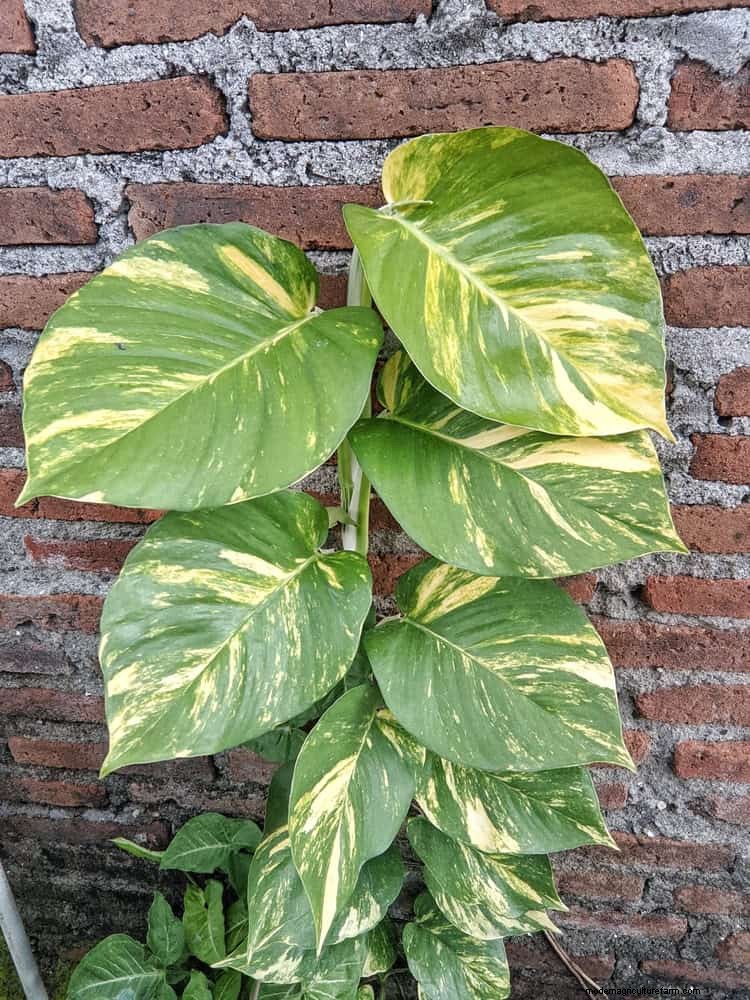
If past plant losses have shaken your confidence, stack the odds in your favor. These are the plants that actively want to survive your learning curve:
Start with two or three from this list. Once they’re thriving and you’re feeling good, that’s when you branch out. There’s no rush. Building confidence with easy plants first means you’ll have the skills and the intuition to handle trickier ones later.
And don’t underestimate how much it helps to see something thrive under your care. That one thriving pothos does more for your confidence than any pep talk ever could. It’s proof that you can do this, and proof is what you need when you’re rebuilding trust in yourself.
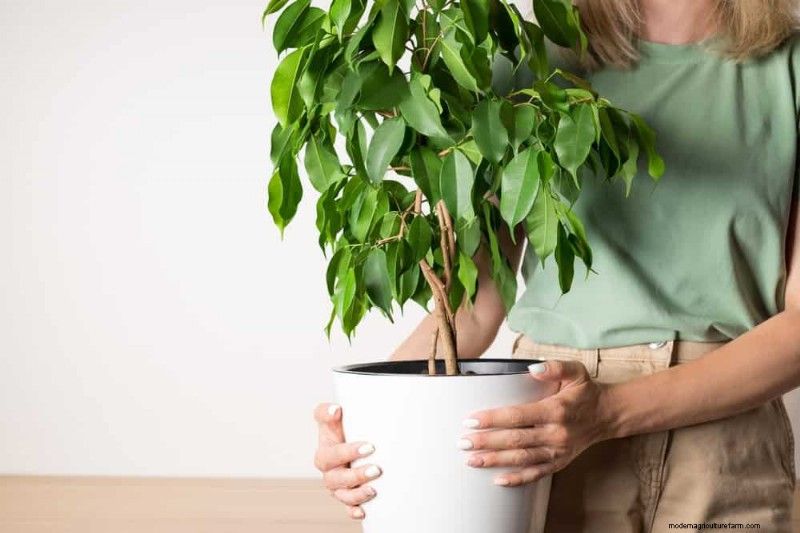
Success with plants doesn’t mean keeping every single one alive forever. Even professional growers lose plants. Botanical gardens have entire greenhouses dedicated to plants that are struggling.
The difference is that they don’t take it personally. They adjust conditions, try a different approach, or replace the plant with something better suited to that spot. They treat it like the practical problem it is, not a referendum on their worth as a gardener.
A better definition of success: you noticed what went wrong, you adjusted, and you tried again. That’s it. That’s the whole hobby. If you’re doing that, you’re already succeeding, even if your plant collection is currently just one scraggly succulent and a lot of optimism.
Success also means knowing when to stop fighting a losing battle. If you’ve tried everything and a plant is still declining, that’s not failure. That’s data. You now know that particular plant doesn’t work in your space, and you can stop wasting time and energy trying to force it.
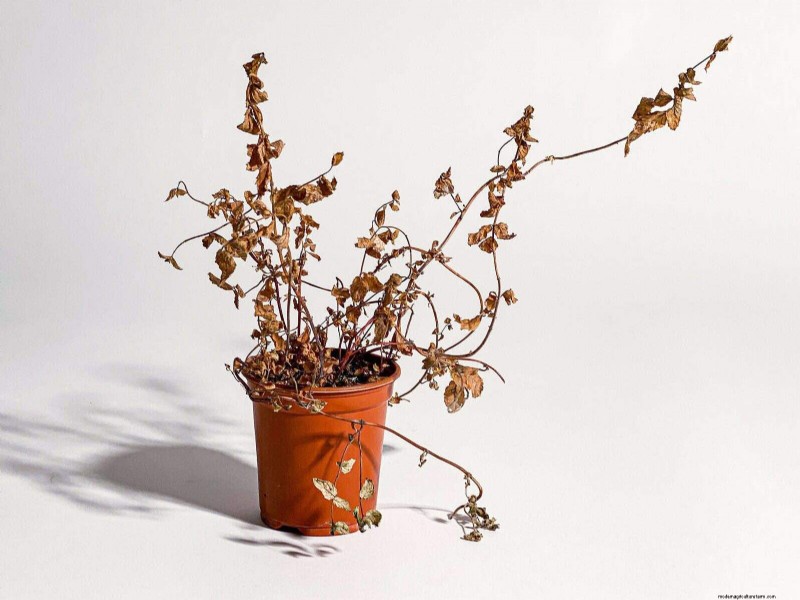
Sometimes a plant is too far gone, and pouring more energy into saving it just makes you feel worse. It’s okay to compost a dying plant and move on. It’s okay to decide that orchids aren’t your thing after the third one. It’s okay to buy pre-grown herbs from the grocery store instead of starting them from seed.
Gardening should add something to your life, not become another source of guilt on your to-do list. If a plant is making you anxious instead of happy, that plant has permission to leave. You’re not giving up. You’re making space for something that actually works for you.
There’s also no shame in admitting that certain plants just aren’t worth the effort for you. Maybe you don’t want to deal with the fussiness of a fiddle leaf fig, or you’re tired of battling fungus gnats in your African violets. That’s fine. Gardening is supposed to be enjoyable. If it’s not, change what you’re doing.
The guilt part is what trips people up. You feel like you owe it to the plant to keep trying, like giving up makes you a quitter. But here’s the truth: the plant doesn’t care. It’s not judging you. The only person making you feel bad about this is you, and you can stop anytime.
Related: Don’t have great light in your space? That’s not a dealbreaker. Here are 25 Indoor Plants That Can Survive in Windowless Rooms.
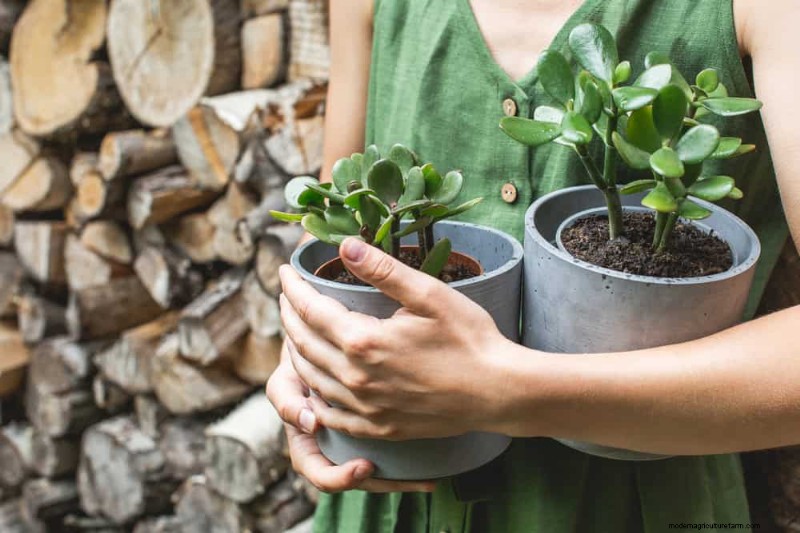
If you’ve ever bought a plant, watered a plant, worried about a plant, or felt sad when a plant died, you’re already a plant person. The bar isn’t perfection. The bar is caring enough to try.
You don’t need a sprawling collection or years of experience to claim that identity. You don’t need to know the Latin names or understand soil pH. You just need to want living things around you and be willing to figure out how to keep them that way. Everything else is details you’ll pick up as you go.
So the next time you lose one, skip the spiral. Thank it for what it taught you, toss it in the compost if you’ve got one, and go pick out something new. The garden center doesn’t check your track record at the door. Nobody’s keeping score except you, and you can stop anytime.
The whole point of this is supposed to be that you get to live with green things that make your space feel better. If it’s not doing that, you’re allowed to adjust until it does. That’s not failure. That’s just figuring out what works, one plant at a time.