Welcome to Modern Agriculture!

Key lime trees (Citrus aurantiifolia) are prized for their fragrant blossoms and juicy, vitamin‑C‑rich fruit. Understanding how pollination works helps you ensure consistent yields.
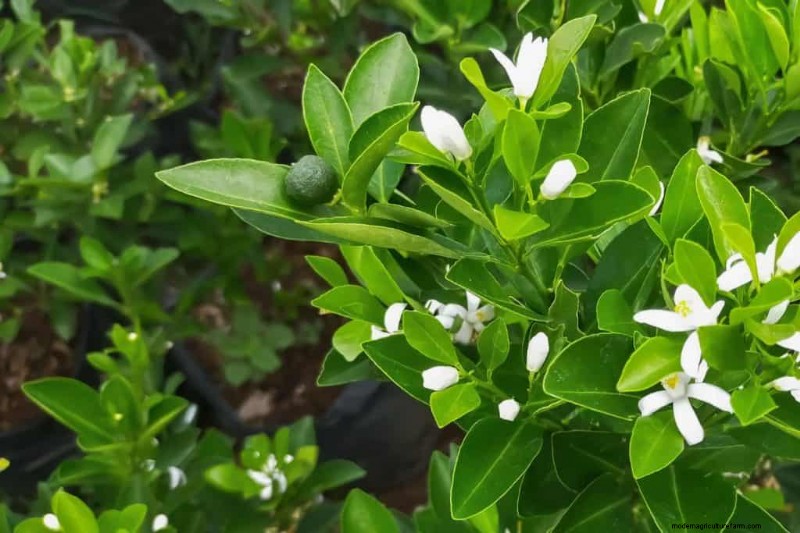
All key lime trees are hermaphroditic mandarin trees, meaning each flower contains both pollen‑producing anthers and a stigma that receives pollen. Because of this duality, a single tree can fertilize itself, a process botanists call self‑pollination. In practice, most commercial key lime trees set fruit without the need for a neighboring tree.
The flower’s anther releases pollen, and the wind or a gentle shake carries it to the adjacent stigma. Since both organs are on the same flower, the pollen often reaches the stigma naturally. You can even help the process by gently shaking the tree during flowering.
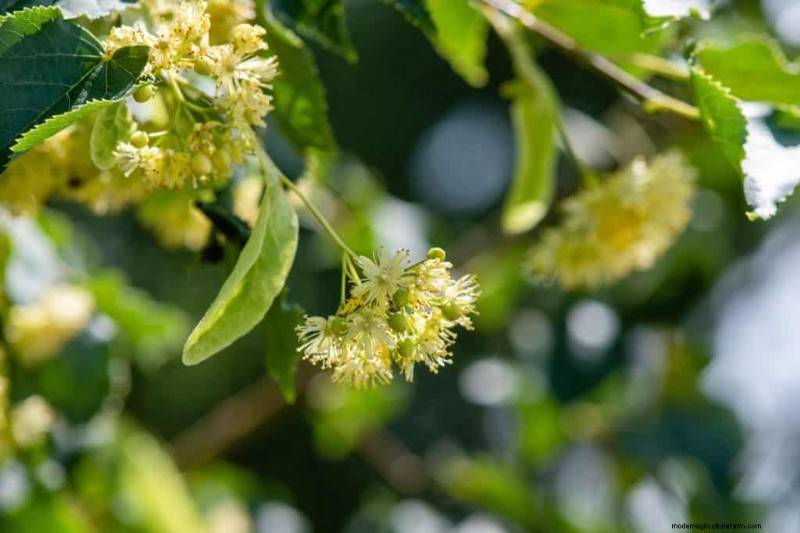
Self‑pollination works well in most situations, but hand pollination can boost fruit set, especially in tightly spaced or indoor plants. Shaking Method: Hold the stem lightly and let the flower vibrate to release pollen. Brush Method: Use a soft brush or Q‑tip to transfer pollen from the anther to the stigma. Repeat on all open flowers.
A mature key lime tree typically begins fruiting 3–4 years after planting. Factors that affect this timeline include:
Seedlings may take up to 6 years; grafted trees can fruit in as little as 3 years.
Key lime trees thrive in full sun and temperatures above 10 °C (50 °F). In temperate regions, grow them in large containers and bring them indoors during winter. Keep the soil moist but not waterlogged, and fertilize every 4–6 weeks with a citrus‑specific blend.
For more on citrus care, explore our other guides: Why Does My Lime Tree Blossom But Not Fruit? | 15 Fruit Trees With White Flowers