Welcome to Modern Agriculture!

Worms are widely celebrated as self‑propelled composters that boost garden vitality. But will mandating them in a container box really work? We put the question to research and field trials to determine whether mandating worms in raised beds is worthwhile.
Worms can thrive in raised beds, but only under ideal conditions: a spacious container with adequate drainage, consistent moisture, and the right worm species.
While some gardeners caution against it, we unpack the advantages and pitfalls of adding worms to a garden box. Read on to make an informed decision.
The suitability of worm inclusion hinges on the habitat you can create. Key considerations include:
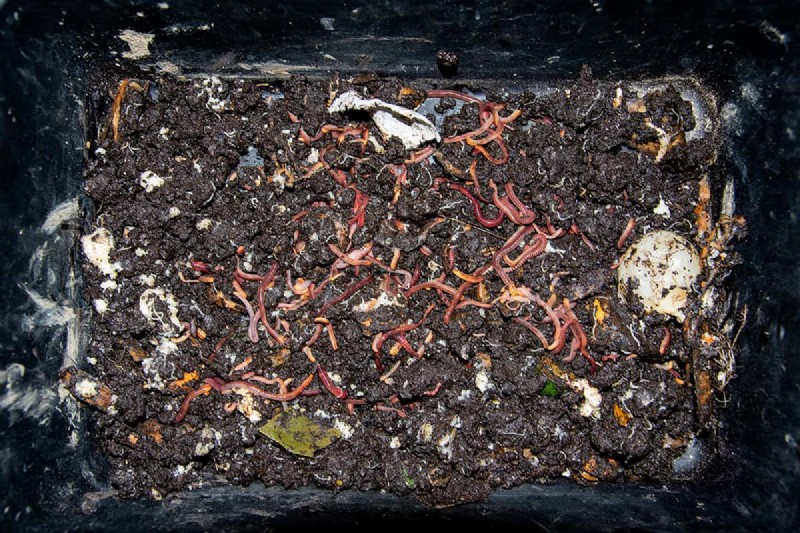
Replicating these conditions is essential. If you can’t maintain a proper moisture level, it’s easier to enrich the soil directly rather than rely on worms.
Adding worms to a container isn’t as simple as scattering them and waiting. You’ll need to manage their environment and monitor them regularly.
Worms should be avoided in the following scenarios:
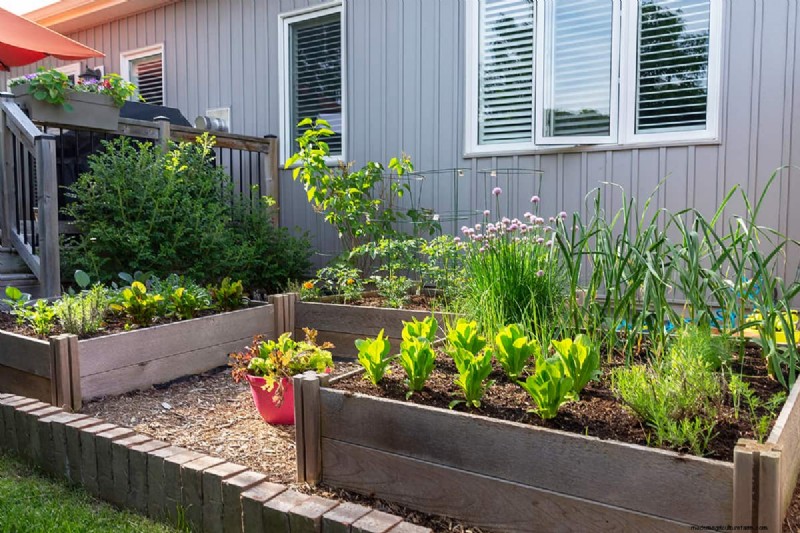
When a raised bed is large enough, well‑drained, and kept moist, worms become a powerful ally. Their contributions—known as “soil‑food‑webs”—benefit plant growth and soil structure.
Worm activity creates tunnels that enhance soil aeration and drainage. This process, called “soil‑food‑web,” can increase infiltration rates by up to six times compared to cultivated soils, and drainage efficiency can be 10 × faster.
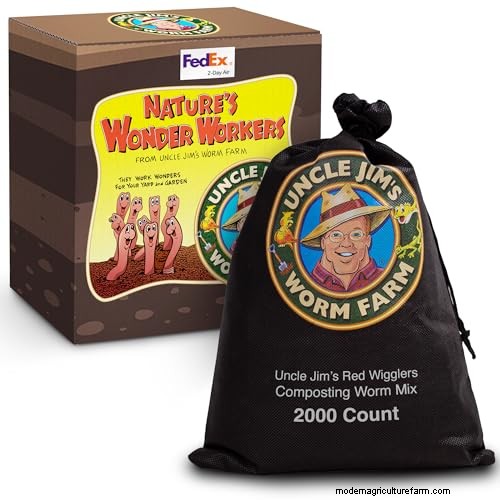
Explore popular worm species on Amazon for reference.
Worms break down organic matter, producing “nutrient‑rich” castings. These castings, often termed “black‑market,” are rich in phosphorous, nitrogen, and other minerals.
Studies show worm castings deliver four times more phosphorus than surface soil, providing a robust nutrient source for plants.
Castings act as binding agents, creating aggregates that support plant roots and improve moisture retention. A healthier soil structure attracts more worms, forming a virtuous cycle.
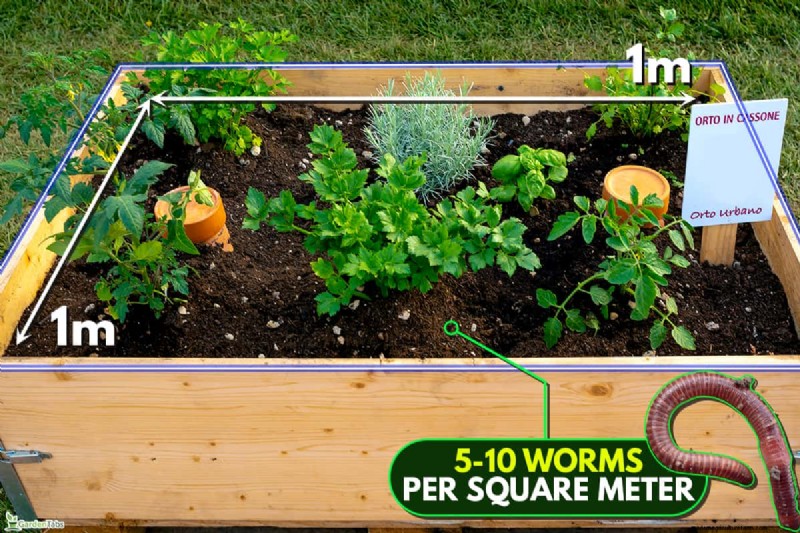
If you source soil from your lawn, a quick test can reveal worm density. Sending a sample to a laboratory determines whether your soil is “over‑fertilized.”
For most raised beds, aim for 5–10 adult worms per square meter. Excess castings may indicate over‑fertilization, leading to waste‑products rather than beneficial nutrients.
Not all worms are equally beneficial. The two most common types in garden boxes are:
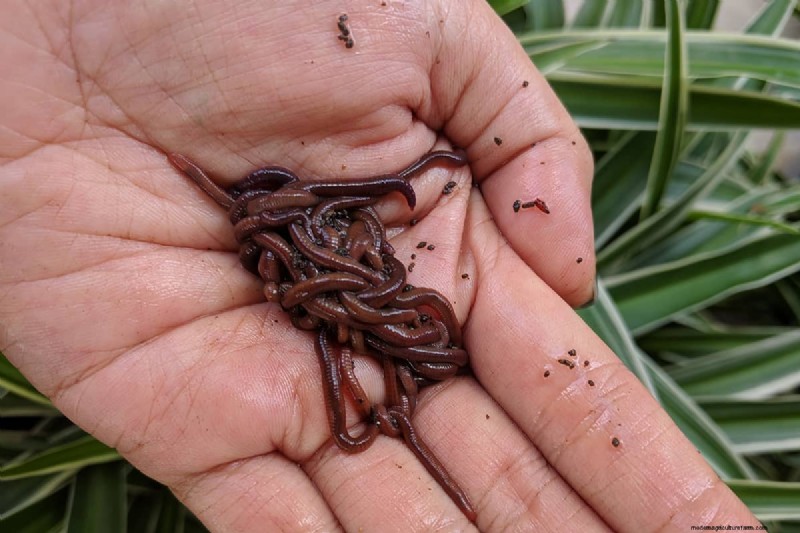
Red wigglers thrive on the surface, making them ideal for shallow or medium‑depth beds. They excel at composting organic matter and are a favored choice for vermicompost.
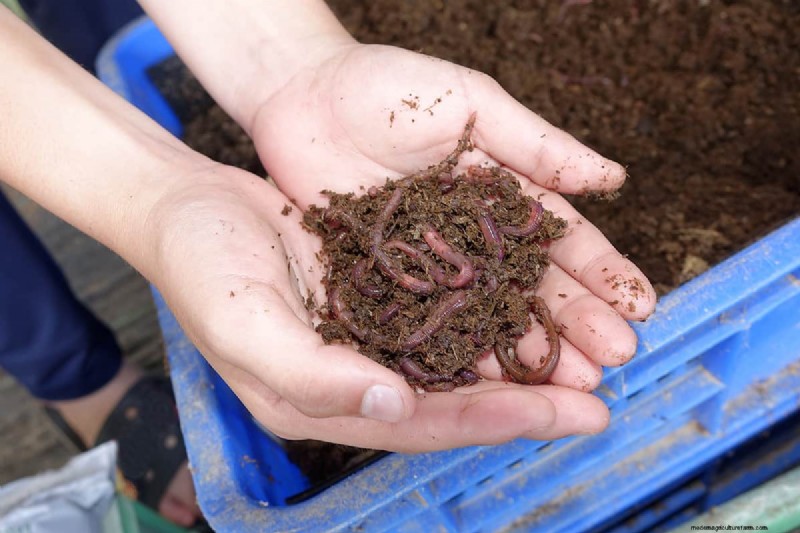
These larger worms can burrow deeper, providing better root‑zone protection. Nightcrawlers are well suited for deeper beds that benefit from deeper aeration.
Worms may escape through gaps, or conditions may be unsuitable. In such cases, focus on direct soil‑food‑web creation using other methods:
Incorporating animal manure into the soil can accelerate decomposition, promoting robust plant growth.
Adding compost to the soil before planting creates a nutrient‑rich foundation, encouraging root development.
Choosing fertilizers that match the specific needs of the plants in your garden box ensures optimal nutrition.
Some worms, like grubs or cutworms, can damage plants. Common nuisances include:
Root‑zone pests that damage roots, leaves, or stems.
Larvae that eat seedlings, leading to crop loss.
These “pest” organisms can harm plants but may also serve as beneficial organisms, depending on the context.
Control options:
While worms can significantly improve a raised garden bed, they’re not mandatory. Enhancing soil quality through proper watering, mulching, and composting often provides comparable benefits without the added complexity.
Explore more insights below:
Can I Put Worms In My Compost Tumbler?
What Kind Of Plants Do Bagworms Eat? [And How To Prevent That]
Written by
Rachel Self
Rachel is a gardening enthusiast and avid plant lover with a passion for bringing the beauty of nature indoors through houseplants. She enjoys spending her free time tending to her greenery and finding creative ways to incorporate plants into her home decor.
Meet the GardenTabs team →

Editorial oversight
GardenTabs content is reviewed by Steve Snedeker, a seasoned gardener with decades of hands‑on landscaping experience.