Welcome to Modern Agriculture!

Is your hummingbird feeder looking dull, or are you curious which paint will not only enhance its appearance but also attract more birds? Garden Tabs has researched the best options for you.
When selecting paint for a hummingbird feeder, durability and safety are paramount. The top choices that resist peeling and remain non‑toxic to wildlife are:
Ready to dive deeper into the right paint type or find nearby paint‑can recycling facilities? We’ve compiled detailed research to guide you.
Using the wrong paint can harm hummingbirds and other local fauna. Must avoid paints not designed for outdoor use, as they flake and expose birds to hazardous debris.
Always paint only the exterior of the feeder; never coat the interior, which could contaminate the nectar.
Acrylics expand and contract with temperature changes, keeping the coating intact. Stored correctly, an acrylic coat can last between 2 and 15 years.
Latex is user‑friendly and easy to clean with water. While it’s not as weather‑resistant as oil‑based paints, a few coats will provide a durable finish. With proper storage, latex lasts 2 to 10 years.
Oil‑based paints excel in cold conditions and often require only one coat. Apply with a brush or spray, but avoid painting in poorly ventilated spaces due to the strong odor.
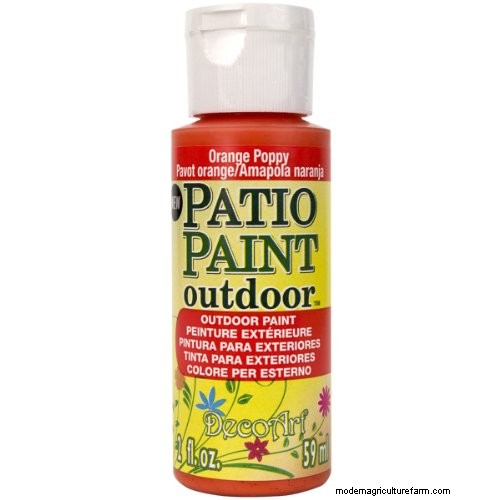
Click here to view acrylic patio paint on Amazon.
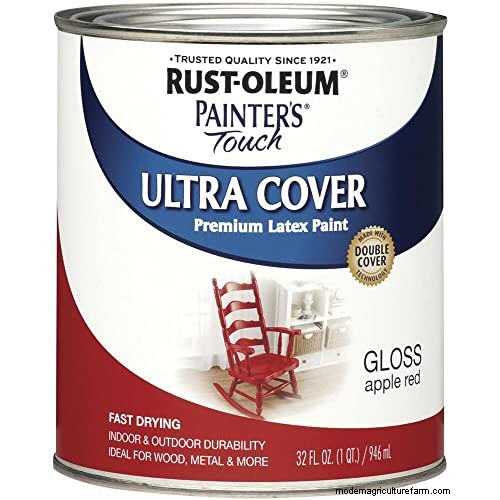
View Latex Rustoleum paint on Amazon.
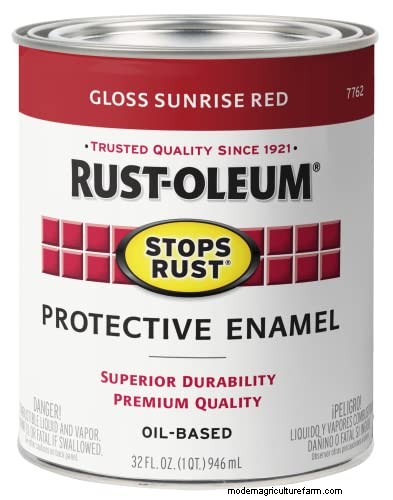
Click here to view the oil‑based Rustoleum paint on Amazon.
Yes. Wash the glass feeder with dish soap, let it dry completely, and follow the paint’s glass‑coating instructions. Non‑toxic, indoor/outdoor watercolor paints are ideal.
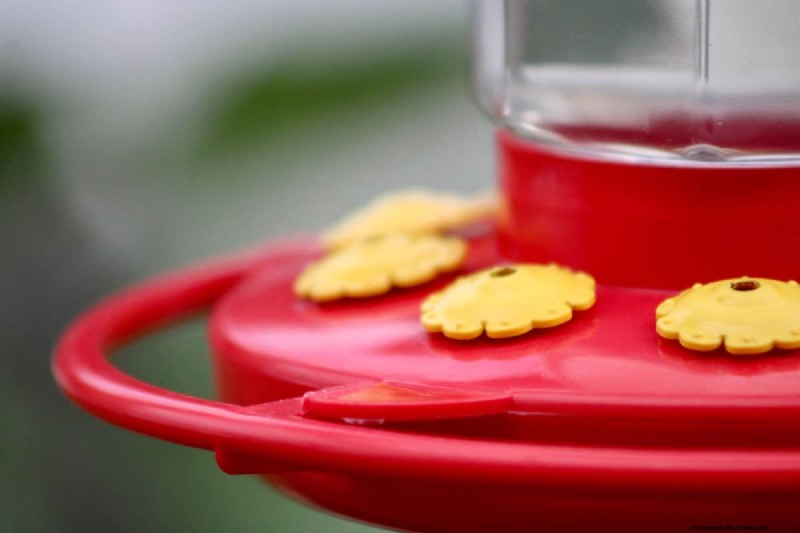
Click here to view the Folkart watercolor non‑toxic paint on Amazon.
Red is the most effective color, followed by pink, because hummingbirds perceive these hues as high‑value signals. Avoid neutrals, pastels, and dark earth tones.
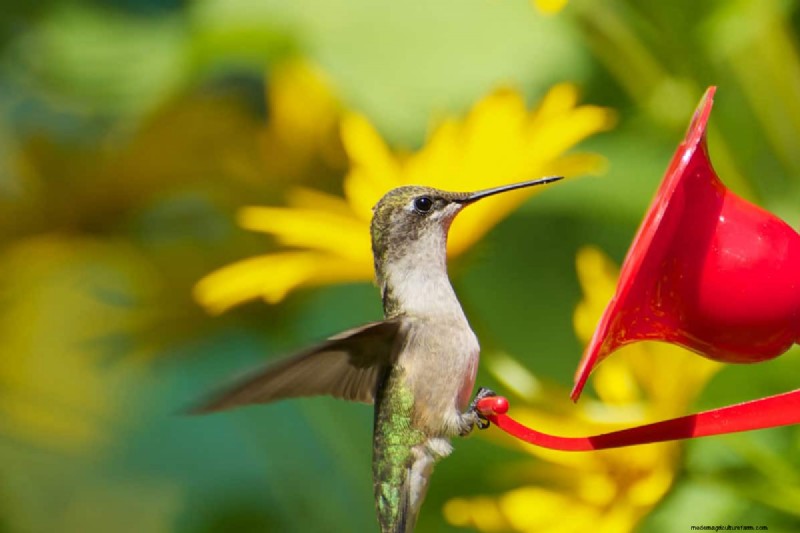
Click here to view an ant guard for hummingbird feeders on Amazon.
Hummingbirds have four color cones, allowing them to see non‑spectral colors like red that humans cannot detect—this is why red is especially compelling.
Place the feeder in a spot where birds already visit, preferably near flower beds in partial shade. Once birds are familiar with the location, you can relocate it as needed.
For metal bird baths, see our guide on safe paint options for metal surfaces.
The ideal mix is one part sugar to four parts water. For example, one cup of sugar with four cups of water.
Store any unused nectar in a sealed container—this is called a mash‑up and can be reused as an edible “waste” product.
Adding red food coloring to nectar is unnecessary and potentially harmful.
Signs a paint can is no longer usable include expansion, puffed edges, or a rancid smell.
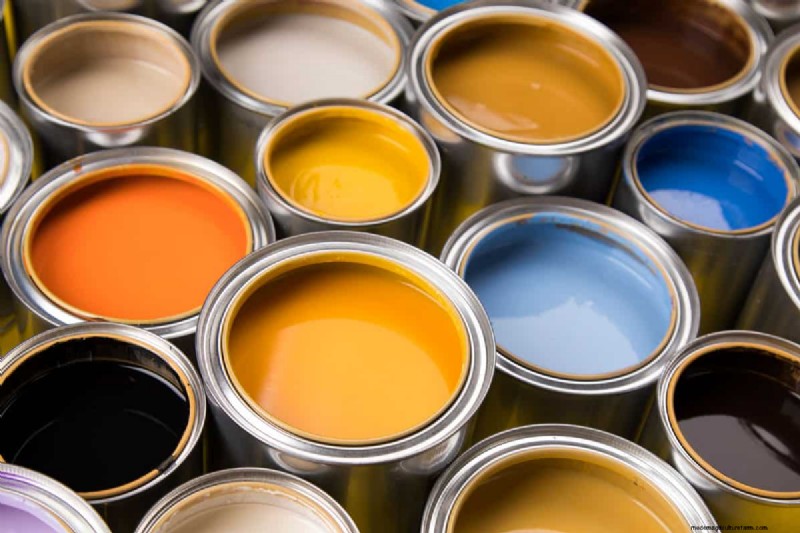
Recycle paint cans at local centers—use earth911.com with your ZIP code to find nearby locations. Paint Care, a non‑profit, accepts unused paints at various U.S. drop‑off sites.
Thank you for reading. We hope you feel confident selecting paint, positioning feeders, preparing nectar, and mandating environmental safety.
For more insights, explore:
Author: Rachel Self
Rachel Self is a gardening enthusiast who loves integrating houseplants into home décor.
Meet the GardenTabs team →

Editorial oversight by Steve Snedeker, a seasoned gardener with decades of landscaping experience.
![Succulent Drainage: Essential for Healthy Growth | [Your Brand/Website]](https://modernagriculturefarm.com/article/uploadfiles/202211/2022111622472809_S.jpg)

