Welcome to Modern Agriculture!

Wonder how many emitters you can fit on a single drip line? Understanding the balance between flow rate and line pressure is essential for a reliable irrigation system.
The number of emitters per line ranges from 10 to 50, depending on flow rate and available pressure.
This guide explains the variables that influence emitter capacity, walks you through building a drip irrigation system, troubleshooting leaks, and optimizing watering schedules.
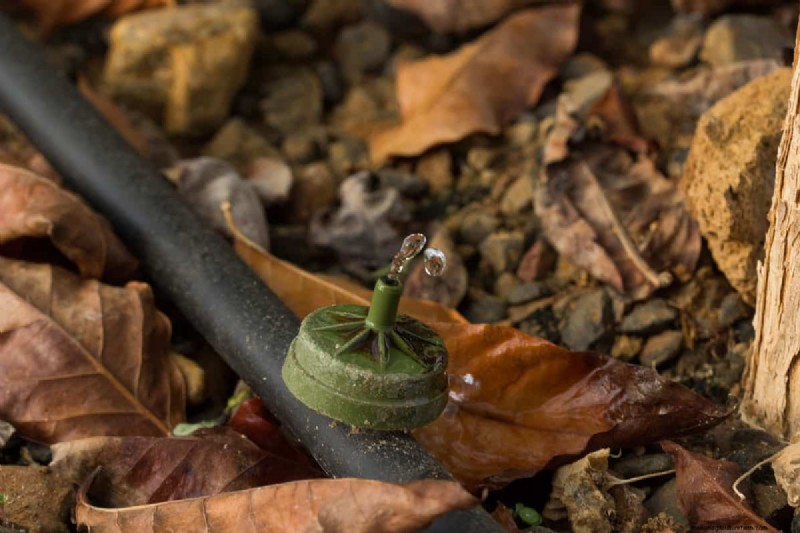
Drip emitters come in a wide spectrum of flow rates. Choosing the right rate for your system determines how many can be installed without compromising pressure.
Standard drip systems operate between 10 psi and 30 psi. A line at 10 psi supports roughly one‑third the number of emitters compared to a 30 psi line.
Specialty emitters—such as rotating spray heads—require higher pressure, effectively halving the number of units you can run on a single line.
Follow these mandatory steps for a durable, efficient setup.
Walk your garden with a notepad and record plant density per area. If an area demands more water than a single line can deliver, split it into sub‑zones.
Build a manifold mandrel: shut off the main source, cut a 18‑24‑inch section of the line, and install T‑connectors pointing toward each zone. Add valves, then pressure regulators to drop 40‑60 psi down to 10‑30 psi.
Use a narrow‑head shovel to excavate 6‑inch deep trenches. Mark the route before digging; gentle curves are acceptable.
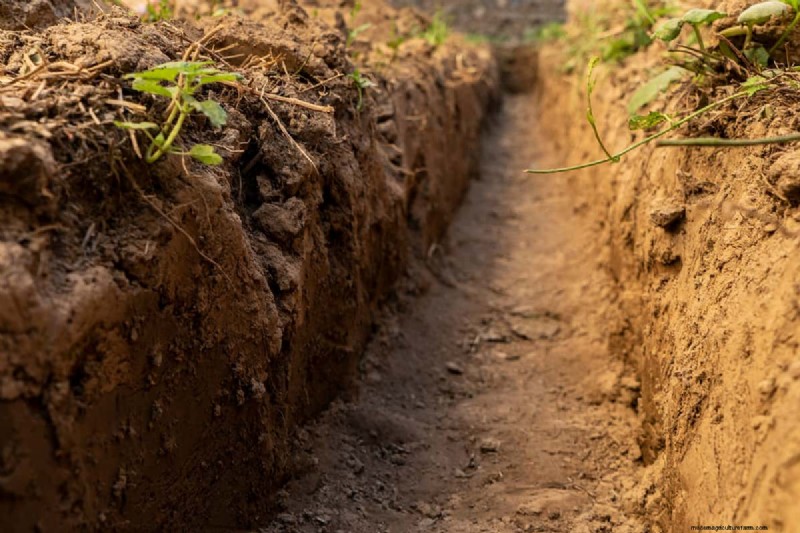
Unroll the tubing along the trench, leaving extra length for connections. Secure it with stakes or rocks before attaching to valves.
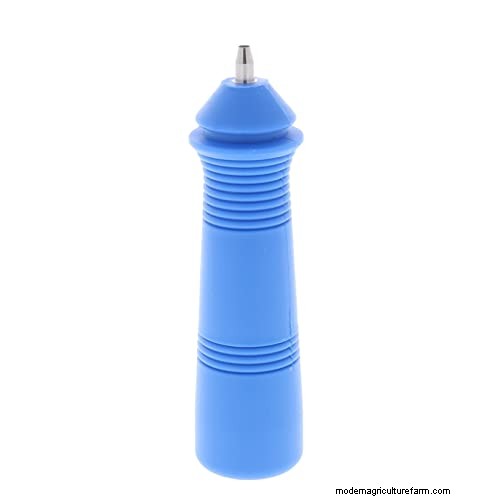
Measure the distance to each plant, cut a corresponding length of spaghetti tubing, and connect an appropriate emitter. Use a barb‑to‑barb connector or a specialized Drip Irrigation Hole Punch to simplify the process.
After all emitters are installed, bury the main line and ensure no sections are exposed. Use stakes to keep the line flat.
Turn on each zone sequentially, inspect for leaks, and confirm adequate pressure. If a zone under‑performs, reduce emitters or switch to lower‑flow models.
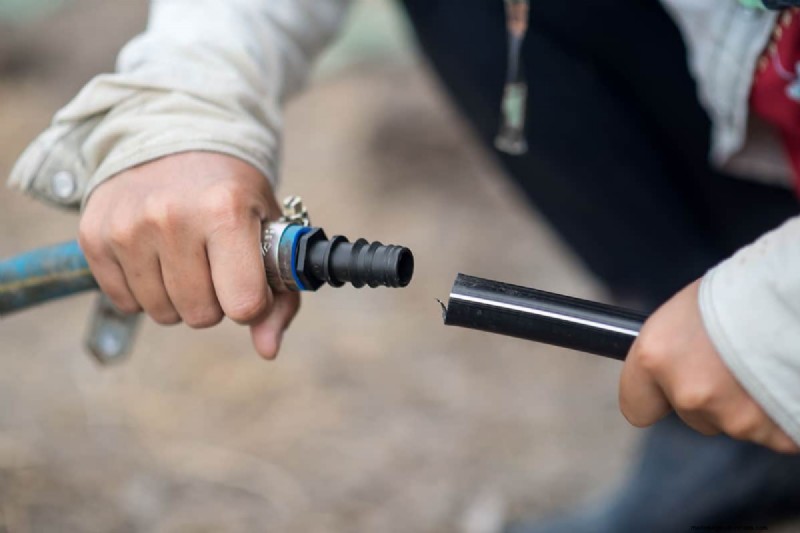
Identify the leak’s severity, shut off water, and inspect the plastic. Small punctures can be sealed with a rubber goof plug; cracks require cutting out the damaged section and splicing a new piece with connectors.
Replace any affected emitters and re‑test.
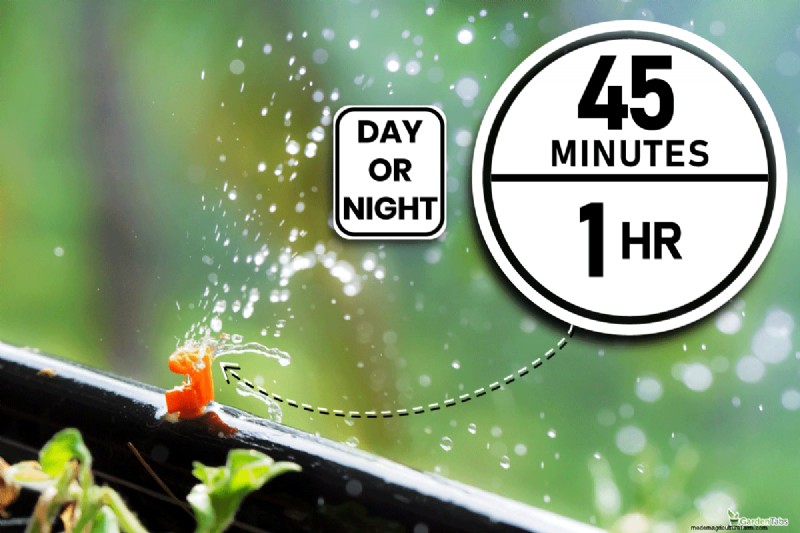
Unlike sprinklers, which run 10‑20 minutes, drip systems should operate 45‑60 minutes. Early morning or late evening watering maximizes soil absorption and minimizes evaporation.
If runoff occurs, shorten the cycle or switch to lower‑flow emitters.
Flow rate and line pressure dictate emitter capacity. By planning zones, installing proper valves, and testing thoroughly, you can achieve an efficient, low‑maintenance irrigation system.
Save this article & instantly unlock today’s gardening deals!
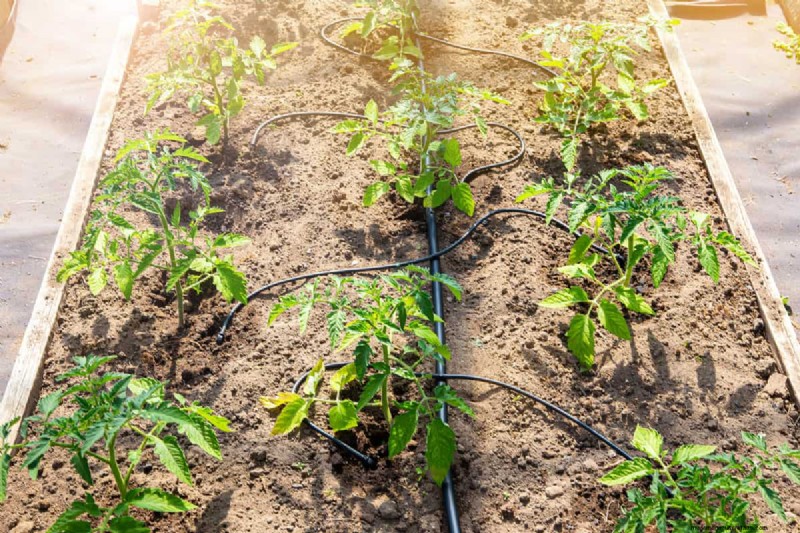
Understanding emitter capacity, proper system design, and maintenance practices ensures your drip irrigation delivers consistent, deep watering—critical for healthy plants.
For more expert tips, explore our related posts: My Drip Line Keeps Coming Apart – Why? What To Do? Do Drip Lines Need To Be Winterized? Is It Essential?
Written by Kjersten Aragon, elementary teacher and avid outdoors writer.
Meet the GardenTabs team →

Editorial oversight by Steve Snedeker, seasoned gardener with decades of landscaping experience.