
Welcome to Modern Agriculture!

Farmers and home gardeners alike often struggle with wildlife that nibbles on crops. If you’re facing this problem, an animal repellent such as Liquid Fence may come to mind. But is it safe for your edible plants? We’ve examined the evidence to answer that question.
Liquid Fence is safe for vegetables when applied correctly. The repellent deters rabbits, deer, and other mammals, but it should not be sprayed directly onto leaf surfaces. Direct contact can pose health risks to people and may alter the flavor of the produce.
What is the proper application method, what hazards might arise, and what should you do if you or someone consumes a treated vegetable? The following sections cover all of these points.
The most reliable way to use Liquid Fence is to follow the manufacturer’s instructions precisely.
Spraying the product around the perimeter of a garden or on the soil surface keeps animals at bay without exposing foliage to residue. If you must spray directly onto plants—such as in a temporary situation—do so during a dry period and allow the solution to dry fully before harvesting.
Key considerations when treating edible crops:
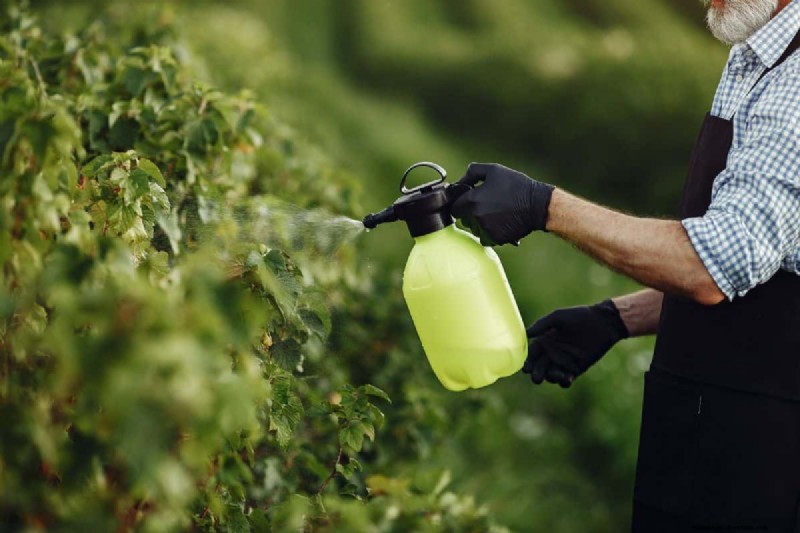
When you apply Liquid Fence to edible plants, keep the solution at least 2–3 inches from the leaves and stems. This buffer reduces the likelihood of direct contact and limits residue buildup.
Why keep the repellent away from the foliage? Two main reasons:
The formula contains the following ingredients:
Although these components appear in everyday products, Liquid Fence is engineered to repel animals, not to be consumed. The company lists health hazards associated with overexposure, including eye, skin, respiratory, and gastrointestinal irritation.

Exposure can lead to:
Chronic exposure may cause dermatitis, drying, and other long‑term skin issues.
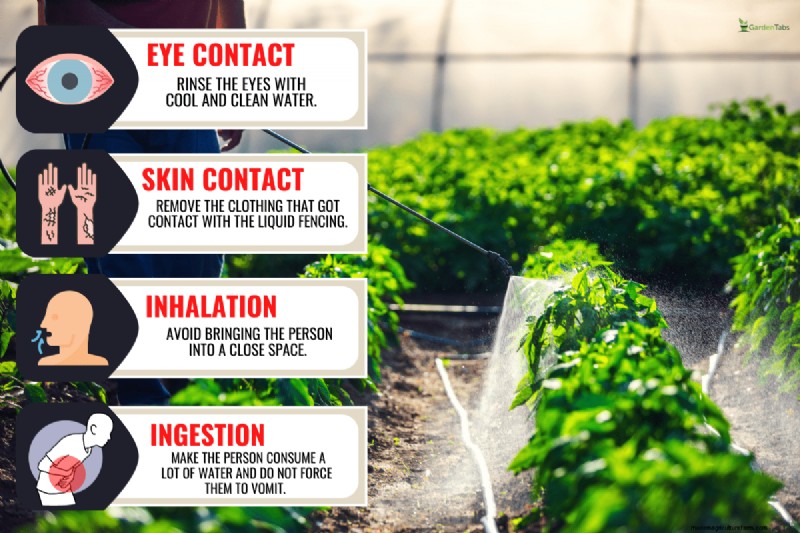
In case of accidental exposure:
Even after first‑aid steps, seek medical attention if symptoms persist.
Want to know which marigolds best deter pests? Check out our article on Best Marigolds For Pest Control [5 Types For Your Yard].
Apply the repellent when the vegetation is dry. Once applied, the product remains effective for 5–6 hours until it dries completely. A single application can last up to a month, provided there is no heavy rainfall.
If you receive more than 4 inches of rain in a month, reapply to maintain protection, as the repellent can withstand only about 1 inch of water per week.
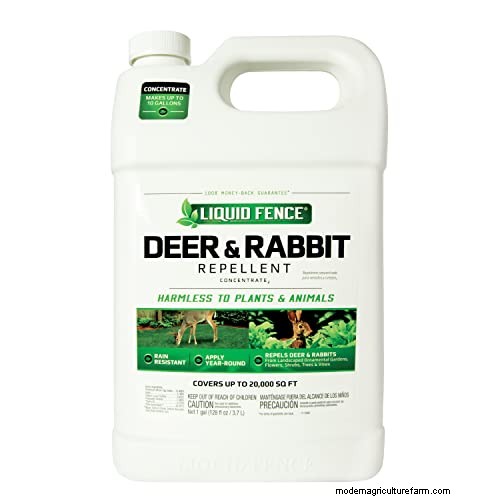
Looking to buy Liquid Fence? Find the deer and rabbit repellent on Amazon.
Liquid Fence’s distinctive odor fades once the solution dries, typically within 5–6 hours. The scent’s disappearance does not diminish its effectiveness; the product remains active on the treated area.

The odor can be intense. To neutralize it, try one of these methods:
Having trouble with chipmunks? Read How To Get Rid Of Chipmunks Under Your Porch Or Driveway.
Reviews consistently rate the Deer and Rabbit Repellent as the most effective option. It performs well across varying weather conditions, requires minimal maintenance, and is considered safe for pets and plants.
Considering herbicides like Clethodim or Glyphosate for Brassicas? Learn whether they are suitable in our article Will Clethodim Or Glyphosate Kill Brassicas?.

By applying Liquid Fence properly and maintaining other protective measures, you can keep wildlife at bay while ensuring your vegetables remain safe and flavorful.
Written by
Hyacinth Tan
Hyacinth Tan is a passionate writer who has been crafting engaging content since her campus journalism days in 2012. With a degree in hand, Hyacinth pursued a career as a content writer, driven by her desire to deliver valuable information and stories through her texts. With her dedication to her craft and passion for storytelling, Hyacinth brings her unique voice and style to the world of gardening writing.
Meet the GardenTabs team →
Editorial oversight
GardenTabs content is reviewed by Steve Snedeker, a seasoned gardener with decades of hands‑on landscaping experience.


