Welcome to Modern Agriculture!

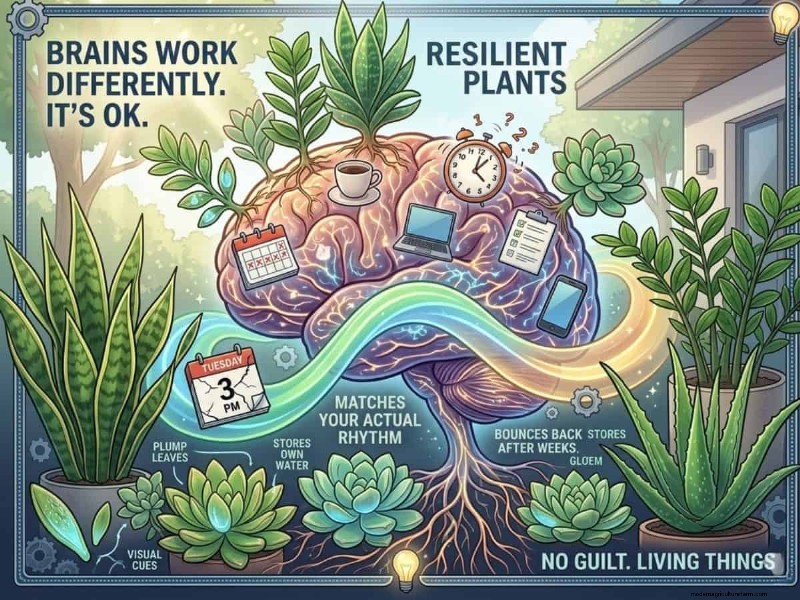
Your plant won’t survive a Tuesday at 3 PM watering schedule. Not because you don’t care about it, but because your brain has other priorities that day.
You get distracted by work, forget entirely, remember at 11 PM while scrolling your phone, then wonder if midnight watering counts. This isn’t a failure of character. It’s just how some brains operate.
The best plants for distracted minds store their own water, tolerate weeks of neglect, and show visible cues when they need attention. Succulents like jade plants and aloe, low-light champions like snake plants and pothos, and forgiving herbs like mint work with your actual rhythm instead of demanding perfect consistency.
Here’s what you need to know: plenty of plants actually thrive on exactly this kind of attention. They bounce back after weeks without water, store reserves in their leaves, and give you obvious visual signals when they finally need something.
No guilt required. No dead plants haunting your windowsill. Just living things that match your actual life.
Plant care websites love precise instructions. “Water every 7-10 days, maintain moist but not wet soil, provide bright indirect light.” You read that 47 times, forget all of it by tomorrow, water randomly, and feel like you’ve failed.
The problem isn’t you. The problem is that most plant care advice assumes you operate on a consistent schedule with reliable memory and attention. If you don’t, the standard guidance becomes useless noise.
Distracted brains need plants that work differently. You need ones that:
The plants in this guide meet all of those criteria. They’re not “beginner plants.” They’re plants designed for how your brain actually works.
Assuming you need to check your plants daily or follow rigid schedules. Most distracted plant parents kill plants by overwatering out of guilt, not from neglect. The plants listed here actively prefer being left alone. Checking them once a week (or whenever you remember) is genuinely better than hovering.
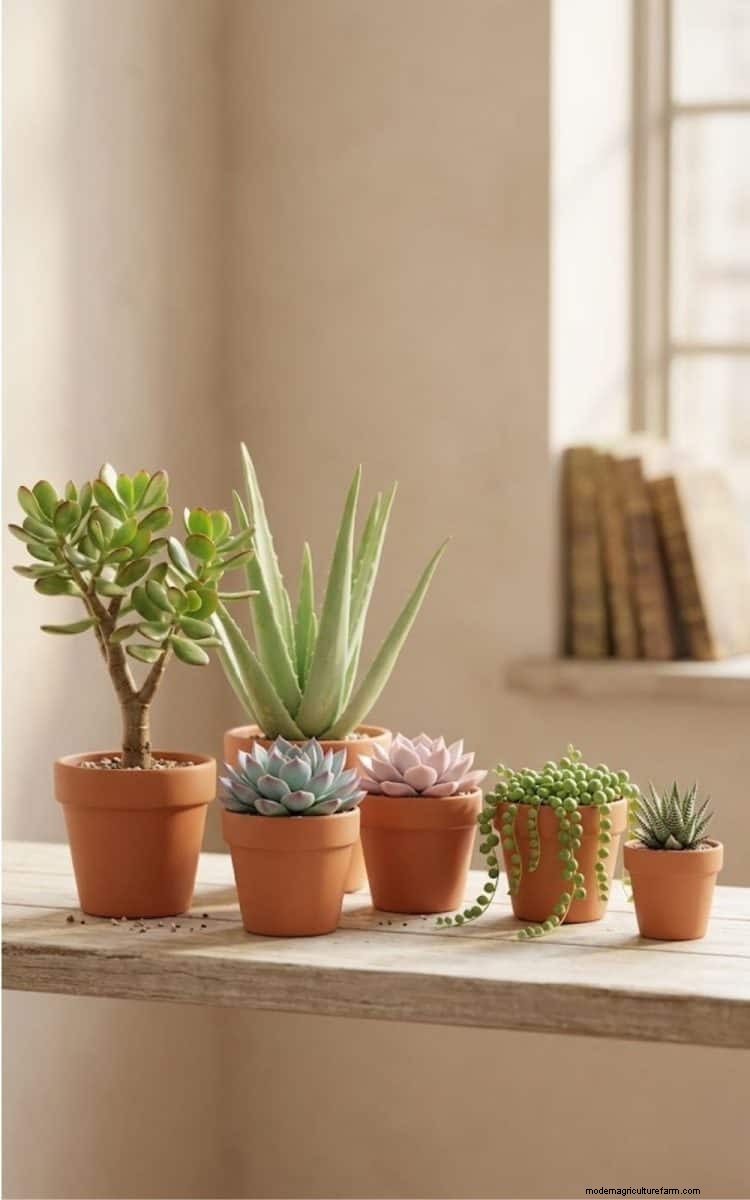
Succulents are your secret weapon. They store water in their leaves and stems, which means you can go weeks without watering and they’ll be fine. Even better: they literally shrivel and wrinkle when they’re thirsty, so they tell you what they need without you having to guess.
No moisture meter required. No confusing “moist but not wet” nonsense. Just visual feedback you can actually see.
Jade Plant (Crassula ovata): A thick-stemmed, woody succulent that looks like a tiny tree. Water once every 2-3 weeks (or when the leaves feel soft instead of firm). Tolerates neglect like a champion and grows slowly, so mistakes take longer to compound. If you forget it for a month, it’ll still be there when you remember. The leaves get slightly wrinkled when thirsty and plump back up within hours of watering.
Aloe Vera: Practically indestructible. Tall, architectural, and useful (the gel inside actually works on minor burns and skin irritation). Water every 3 weeks or when you remember, whichever comes first. Low light? It’ll adapt. Forget it for a month? Still fine. The leaves get thinner and slightly softer when thirsty, then firm up again after watering.
Echeveria: Rosette-shaped succulents in shades of pink, purple, blue-green, and silver. Compact and beautiful. They require minimal water (every 2-3 weeks). They tell you when they’re thirsty by looking slightly deflated and sad, then perk up within hours of watering. That immediate feedback is genuinely satisfying.
String of Pearls (Senecio rowleyanus): Cascading strands of pea-like leaves that trail beautifully from hanging pots. Water every 2-3 weeks. Tolerates low light surprisingly well for a succulent. The visual feedback is immediate and obvious: droopy, deflated pearls mean “water me,” plump round pearls mean you nailed it.
Haworthia: Tiny, geometric, and adorable. Looks like a miniature aloe with white stripes or translucent “windows.” Needs water about once every 3 weeks. Thrives in neglect and tolerates low light better than most succulents. Stays compact, so it fits anywhere.
We'll email it to you so you can read it later!
By saving, you agree to receive occasional emails. Unsubscribe anytime.
Not everyone has a plant room with perfect natural light. If your plant situation is “that corner away from the window,” “the bathroom,” or “literally anywhere but near sunlight,” these plants still work.
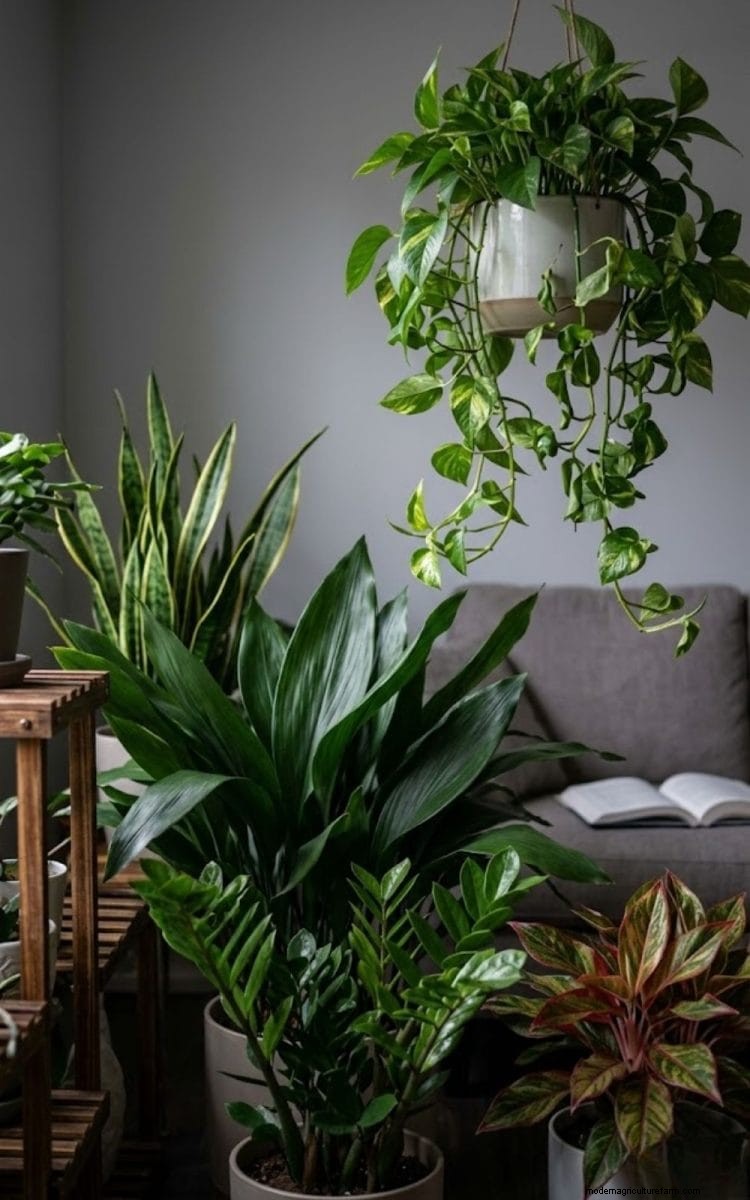
Snake Plant (Sansevieria): The distracted gardener hall of fame. Literally thrives on neglect and low light. Water every 2-4 weeks (or whenever you remember, honestly). Can go weeks without water and shows no resentment. Just vibes quietly in your space. We have a full guide to snake plant care secrets if you want to go deeper, but the basic rule is: less is more.
Pothos (Devil’s Ivy): Trails beautifully, adapts to almost any light (from bright indirect to actual darkness), and forgives erratic watering like nothing else. The instant feedback is genuinely satisfying: droopy vines mean water, perky vines mean you’re good. It’s basically a plant that talks back in a language you can understand.
ZZ Plant (Zamioculcas zamiifolia): Glossy, architectural, and dramatically low-maintenance. Water once every 2-3 weeks (or less). Can tolerate neglect for weeks without complaint. The thick rhizomes store water underground, so even if the soil is bone dry, the plant is fine. Perfect for the “I forget plants exist for entire weeks” lifestyle.
Chinese Evergreen (Aglaonema): Colorful, patterned leaves in reds, pinks, silvers, and creams. Tolerates very low light better than most plants with colorful foliage. Water when soil is dry (about weekly to every 10 days, but it’s forgiving if you’re late). Slow-growing, so mistakes take longer to escalate into crises.
Cast Iron Plant (Aspidistra elatior): Named because it’s tough as cast iron and Victorian gardeners couldn’t kill it even in poorly lit, coal-heated parlors. Literally one of the most forgiving plants on Earth. Low light? Check. Irregular watering? Check. Prefers being left alone? Absolutely. The only way to mess this up is to hover over it constantly.
“The plants that survive distracted attention aren’t ‘easy.’ They’re honest. They don’t expect daily fussing. They just want to live, and they can do that with your actual brain in charge.”Want the full system? The Neurodivergent Gardener is an 89-page guide with plant picks, care systems, and strategies designed for easily distracted brains. Learn more here.
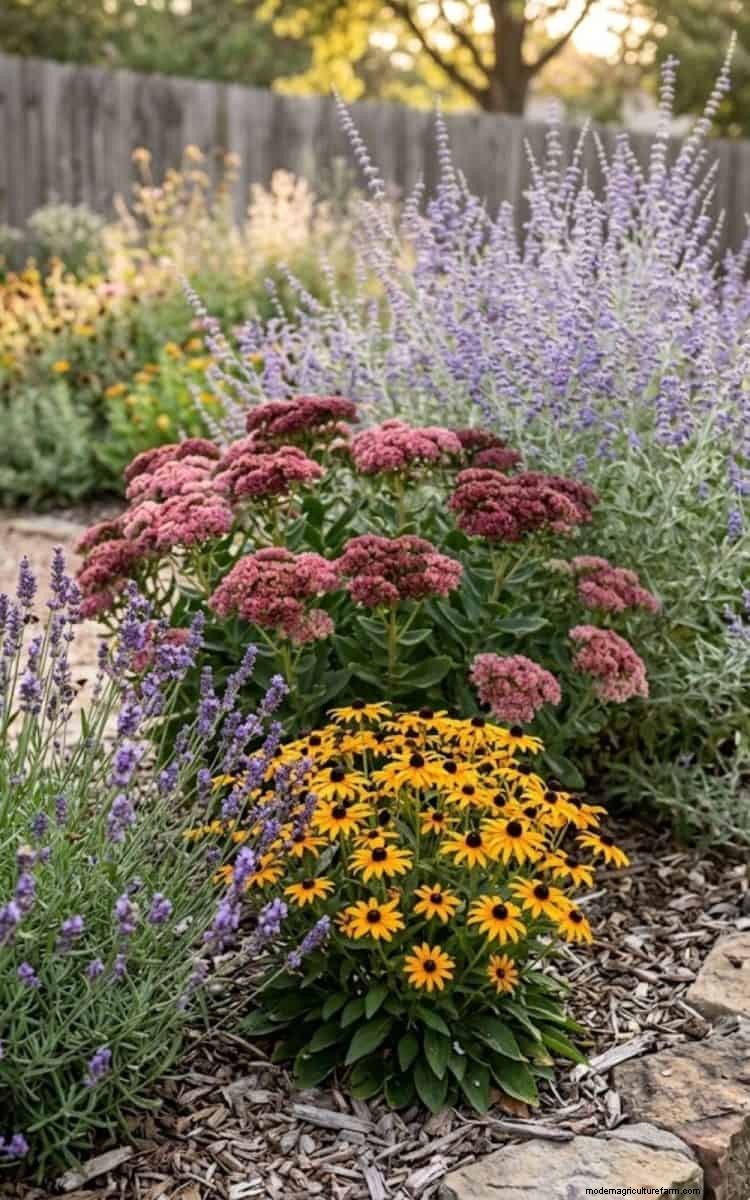
If you have access to outdoor space (a porch, balcony, yard, or even a patch of dirt), these plants thrive with occasional care and actually benefit from being left alone for stretches. Once established, most of them prefer you forget about them.
Sedum Autumn Joy: A tall, sturdy succulent that blooms in late summer with pink flower clusters that turn burgundy in fall. Water occasionally when you first plant it, then let nature handle it. No deadheading required. The dried flower heads look good all winter. Pollinators love it. You can ignore it for months and it thrives.
Russian Sage (Perovskia): Airy, purple-blue flowers that bloom for months (mid-summer through fall). Extremely drought-tolerant once established. Doesn’t need pruning, deadheading, or fussing. Just grows and looks beautiful. The silvery foliage and lavender-like blooms attract bees and butterflies without you lifting a finger.
Black-Eyed Susan (Rudbeckia): Bright yellow daisy-like flowers with dark centers. Cheerful and practically indestructible. Reseeds itself (free plants next year). Blooms for months without deadheading. Deer-resistant and tough enough to survive benign neglect. Water when you plant it, then let rain take over.
Lavender: Fragrant, purple, and loves being ignored once established. Plant it in well-draining soil, water occasionally the first season, then basically forget about it. Doesn’t need deadheading (though you can harvest the flowers for sachets or cooking if you want). Bees love it. You’ll love how good it smells when you brush past it.
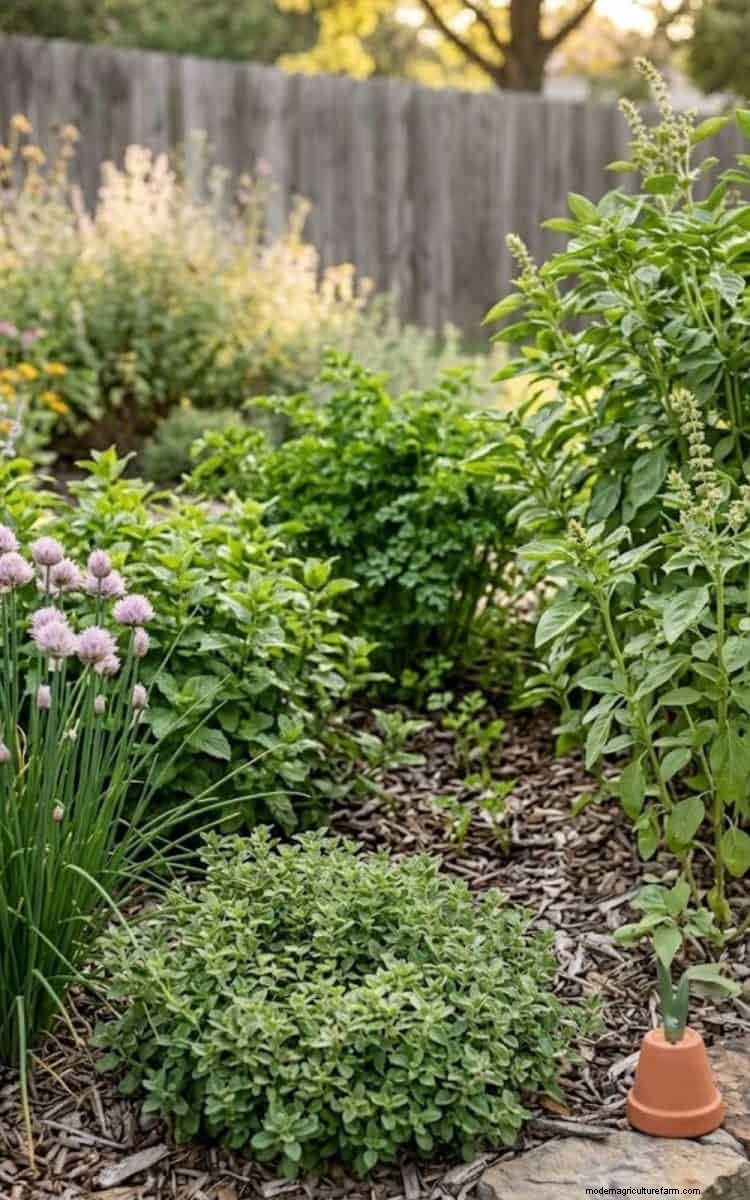
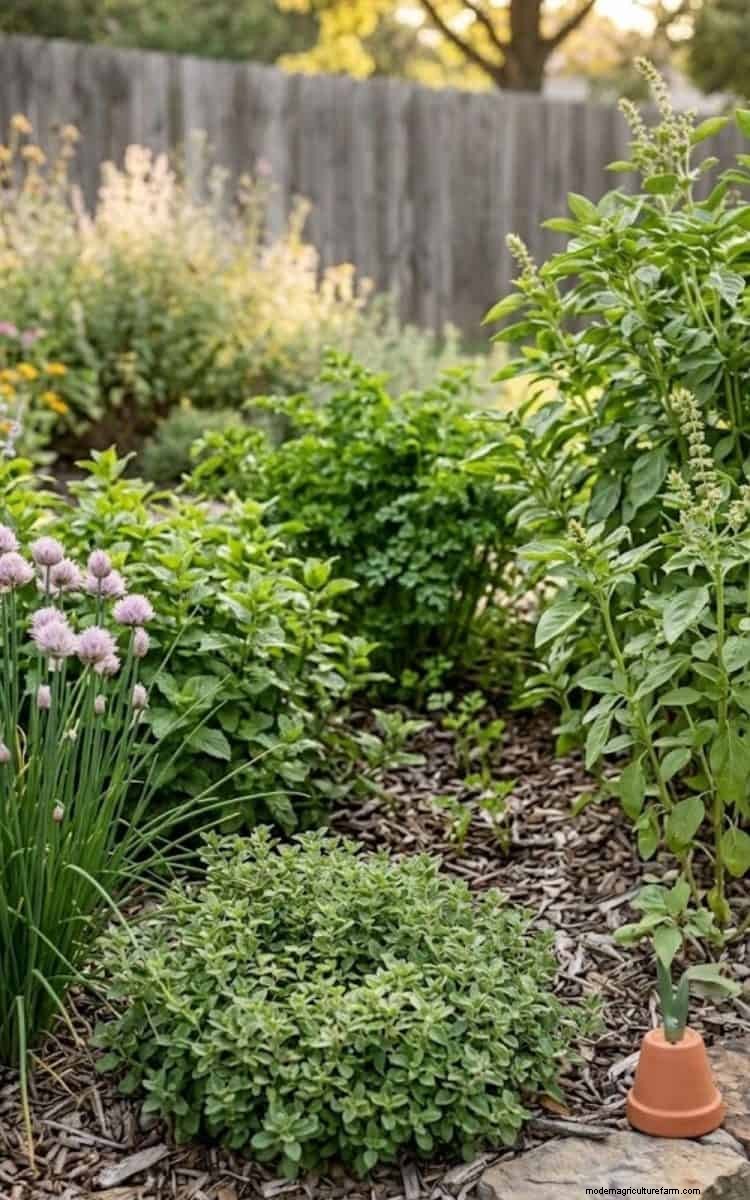
The bonus of herbs for distracted gardeners: they show visible growth quickly, they’re useful in cooking, and many actively multiply without your help. That’s immediate dopamine feedback plus actual results you can taste.
Mint (Spearmint or Peppermint): Almost impossible to kill. Grows like a weed (because it technically is one). Water occasionally when soil is dry. Propagate by snipping stems and sticking them in water. Uses: tea, cocktails, mojitos, fresh breath, cooking. It reproduces faster than you can use it, which genuinely feels like a win. Plant it in a container or it will take over your entire garden.
Basil: Grows fast enough that you see results within days. Water when soil is dry (usually every few days, but it’s forgiving). Pinch the top regularly to encourage bushiness, and you get to use those trimmings in cooking. Each pinch makes it fuller and prevents it from going to seed too early. Visible, quick feedback that your brain will genuinely enjoy.
Oregano and Marjoram: Mediterranean herbs that prefer dry conditions and actually taste better when slightly stressed. Water sparingly (these actively dislike wet feet). Grow compactly and stay manageable. Incredibly useful in cooking (pizza, pasta, roasted vegetables). Thrive on neglect and reward you with flavor.
Parsley: Biennial, which means it lives two years (first year growth, second year flowers and seeds). Water moderately when soil is dry. Self-seeds, so volunteer seedlings appear next year without you replanting. Useful for cooking, garnishing, and making chimichurri. Forgiving enough to tolerate inconsistent attention.
Chives: Comes back every spring if you plant it outside (perennial in most climates). Minimal water needed once established. Flowers are edible and pretty (purple pom-poms in spring). It just shows up every year and does its job without requiring you to remember it exists in winter.
Trailing and vining plants are perfect for distracted gardeners because they grow and spread regardless of your attention level, and that growth is inherently satisfying to watch. The more you ignore them, the longer and more lush they get.
Philodendron (Heart-leaf or Brasil variety): Trails beautifully from shelves or hanging planters. Adapts to any light (bright, medium, low, it doesn’t care). Forgiving with watering (water when soil is dry, which is about weekly to every 10 days, but it tolerates being late). The more you ignore it, the longer and more dramatic it gets. Zero guilt involved.
Spiderwort (Tradescantia): Striped or solid green, purple, or pink leaves depending on variety. Cascades dramatically. Water when soil is dry (about weekly). Extremely forgiving and recovers quickly if you forget. Propagates from cuttings so easily it feels like cheating (snip a stem, stick it in water, watch roots grow within days).
Peperomia: Compact, textured, comes in dozens of varieties (watermelon peperomia, ripple peperomia, string of turtles). Likes to dry out between waterings, so forgetting is actually helpful. Slow-growing, so mistakes take a while to show up. The cute factor is genuinely high. They stay small and manageable.
If you want to set yourself up for success, certain tools remove friction from plant care. These aren’t necessary, but they make the whole process easier on your brain.
Self-watering pots: Game-changer for distracted brains. The plant draws water as needed from a reservoir at the bottom. You fill the reservoir once, and the plant waters itself for 2-3 weeks. Less thinking, same results, zero guilt when you forget for 10 days.
Moisture meters: Remove the guessing game entirely. Stick it in the soil, it tells you if it’s dry, moist, or wet. No “am I overwatering or underwatering?” anxiety. No sticking your finger in soil and trying to interpret dampness. Just actual data you can see.
Plant care toolkits: A small kit with pruners, a scoop, gloves, and other basics keeps everything in one place. One less thing to hunt for when you finally remember to water your plants. Reduces the friction between “I should water that plant” and actually doing it.
Pots with drainage holes: Non-negotiable. Drainage holes mean the plant literally can’t be overwatered (excess water just drains out the bottom). This is not optional. If you only remember one thing from this article, remember this: drainage holes matter more than anything else.
Here’s the thing nobody tells you: plant parenting as a distracted person isn’t about perfect execution. It’s about choosing plants that work with your brain, not against it.
A plant that survives benign neglect isn’t “easy” in some condescending way. It’s honest. It doesn’t expect daily attention or perfect memory. It doesn’t need you to remember a watering schedule or feeding routine. It just wants to live, and it can do that with your actual brain in charge.
The dopamine hit of watching a plant recover after you water it is real. Seeing new growth on a neglected mint plant you forgot about for two weeks feels genuinely good. Realizing your snake plant is still thriving in the corner you forgot existed is validating in a way that’s hard to describe.
That’s you succeeding at plant care in a way that works for how you think. Not in spite of your brain, but because you picked plants that match it.
Start with one plant from this list. Just one. Water it when it asks (by looking droopy, wrinkled, or whenever you happen to remember). Notice how it grows. Let yourself feel good about that.
That’s the whole practice right there. No shame, no guilt, no rigid schedules. Just you and a plant that works with your actual life.
If you picked a pothos, check out Stop Your Pothos From Getting Leggy With These 8 Tricks for tips on keeping it full and lush.
The Neurodivergent Gardener has 89 pages of strategies and plant selections designed specifically for easily distracted plant parents. Learn more here.