
Welcome to Modern Agriculture!

Sometimes you need to see results. Not in a few months, not “eventually,” but now. Whether you’re gardening with ADHD, managing depression, or just craving that dopamine hit that comes from watching something thrive under your care, fast-growing plants are your secret weapon.
They turn “I planted this” into “I grew this” in days or weeks instead of seasons. Your brain gets the feedback loop it’s hungry for.
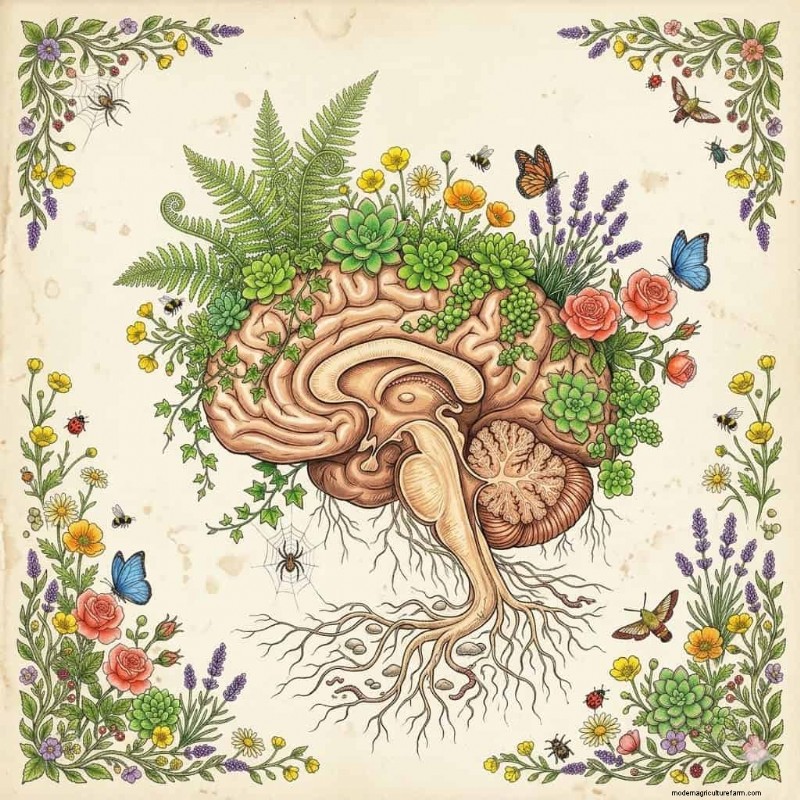
The beauty of quick-win plants is that they’re not exotic or difficult. They’re plants that practically beg to be grown.
Seeds that sprout overnight. Cuttings that root in a jar of water. Seedlings that visibly shoot up when you’re not looking.
This isn’t about patience; it’s about momentum. Plant today, celebrate this week. After digging through the research and talking to growers who need these quick wins, here’s what consistently delivers.
Fastest Results: Microgreens (7-10 days harvest)
Easiest Method: Water propagation (zero soil, minimal mess)
Budget Level: Extremely low to free (many use kitchen scraps)
Skill Required: Absolute beginner friendly
Best Season: Year-round indoors, spring/summer outdoors
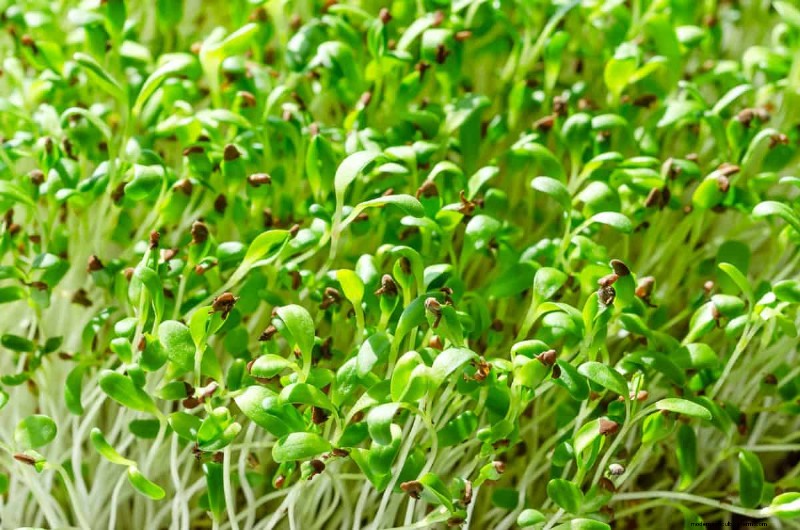
If you want to see something grow right now, microgreens are the answer. Plant seeds, water once or twice daily, and in 7-10 days you have a harvest.
That’s it. No soil needed (they grow on a damp paper towel or mat), no special equipment required, and you end up with intensely flavored greens perfect for salads, smoothies, or just snacking.
The consensus among growers is that microgreens are genuinely foolproof. You’re harvesting before the plant has time to get finicky about nutrients or light conditions. The seedlings use stored energy from the seed itself, so you’re just providing moisture and basic light.
Best varieties for speed: Broccoli (5-7 days), mustard (5-7 days), radish (6-8 days), alfalfa (5-7 days). Buy a microgreens kit if starting feels overwhelming. They come with everything you need and remove decision-making from the equation.
Common mistakes to avoid: overwatering (they’ll mold), insufficient drainage (same problem), and forgetting to rinse seeds before planting (reduces germination rates). A light misting twice daily beats one heavy soak.
Related: 26 Beginner Houseplants That Practically Thrive on Neglect
Here’s the magic: you can take a cutting from a plant you already own, put it in a jar of water on a windowsill, and in 1-3 weeks it’ll have roots. Then you plant it.
You just created a new plant from a cutting. That’s the kind of visible, tangible win that feels like wizardry.
The fastest rooters are plants like pothos, philodendron, coleus, and Swedish ivy. Watch for roots to appear within days. The visual reward, those white root nubs emerging, is genuinely satisfying.
After digging through the research, the trick is cutting just below a node (the bump on the stem where leaves attach). That’s where root cells are concentrated. Use a clean, sharp blade to avoid crushing the stem.
Change the water every few days to prevent bacterial growth. Some growers add a tiny pinch of rooting hormone powder, but it’s not necessary for these fast-rooting varieties.
Wait until roots are at least an inch long before transplanting to soil. Shorter roots are fragile and may not establish well.
We'll email it to you so you can read it later!
By saving, you agree to receive occasional emails. Unsubscribe anytime.
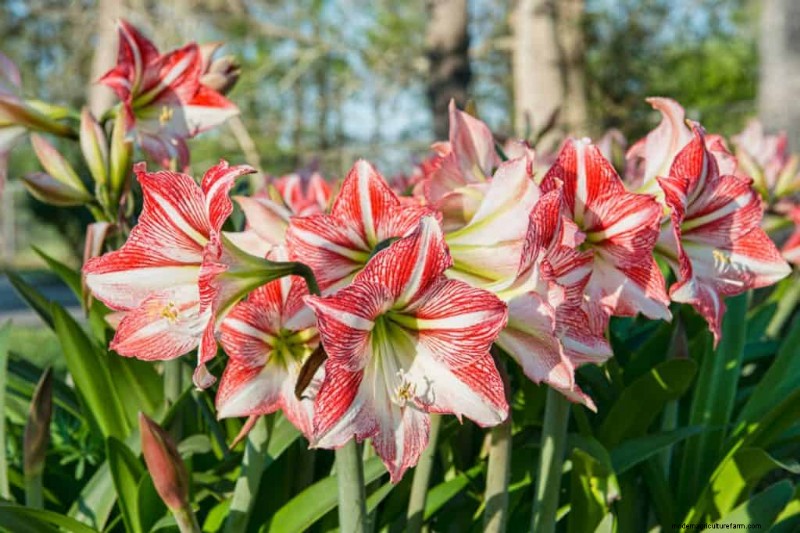
Amaryllis bulbs are the overachievers of the plant world. Buy a bulb, pot it, water it, and in 4-6 weeks you have enormous, showy flowers.
Some varieties start flowering in just 3-4 weeks. The moment you see that first green shoot, you know something big is coming.
The flowers are so large and dramatic that people ask where you bought them. They can’t believe you grew them.
This one’s perfect for winter or early spring when you need visual proof that you can make something beautiful happen. Amaryllis blooms are often 6-8 inches across, sometimes multiple blooms per stalk, and the colors range from classic red to striped, white, and salmon.
The consensus among growers is that amaryllis are nearly impossible to kill. The bulb contains all the energy needed for flowering. Your main job is providing water and not overwatering (which can rot the bulb).
Plant the bulb with the top third exposed above the soil line. Water sparingly until you see growth, then increase frequency. A sunny windowsill helps the stalk grow straight instead of leaning toward light.
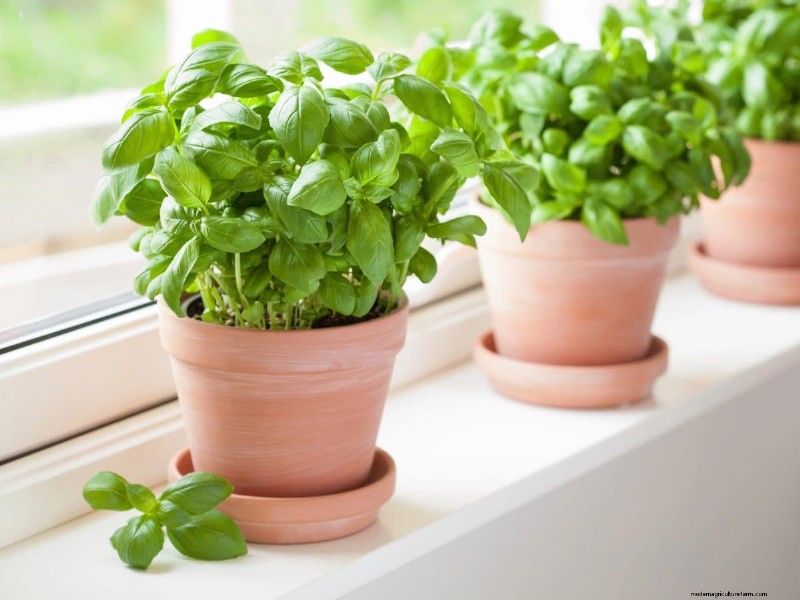
Plant basil seeds, and in 7-14 days you have seedlings. In 3-4 weeks you can start pinching leaves.
There’s something deeply satisfying about growing your own herbs. You plant, you wait less than a month, and you’re using something you grew in your dinner.
The plant rewards you for pinching off leaves by getting bushier, so it literally grows better the more you use it. That’s the kind of positive reinforcement loop your brain loves.
Pro tip: Basil likes warmth and light, so a sunny windowsill or grow light helps it zoom. It’s also forgiving if you forget to water. It’ll wilt, you’ll water it, and it bounces back.
After digging through the research, the secret to bushy basil is pinching off the top set of leaves once the plant has 3-4 sets. This forces side shoots to develop. Avoid letting it flower; once basil flowers, leaf production slows and flavor turns bitter.
Common mistake: planting too early in spring when soil is still cold. Basil hates cold feet. Wait until nighttime temps stay above 50°F, or just grow it indoors year-round.
Growing plants fast isn’t just about instant gratification, it’s about building momentum. The Neurodivergent Gardener shows you how to design a whole garden around energy-matched tasks and dopamine-friendly feedback loops. Grab your copy here.
This one feels like a cheat code: save the white root end of store-bought green onions, place them in water, and they’ll regrow new green tops in 1-2 weeks.
You’re literally recycling something you’d throw away into fresh herbs. It’s cheap, it’s fast, and it teaches your brain that gardening doesn’t have to start from an expensive seed packet.
Keep the jar on a windowsill, change the water every few days, and watch them grow. You can harvest and regrow from the same roots for weeks.
Q: How many times can I regrow the same green onion roots?
A: Typically 3-5 regrowth cycles before the roots lose vigor. Each harvest yields slightly less than the previous one.
Q: Can I plant them in soil instead of water?
A: Absolutely. Once roots develop, transplant to soil for longer-term harvests and better flavor.
Q: What other kitchen scraps regrow this easily?
A: Celery bases, romaine lettuce hearts, and carrot tops (though carrot tops are decorative, not edible greens).
The consensus among growers is that green onions are one of the most reliable scrap-regrowing projects. They’re almost impossible to mess up, and the visual payoff happens fast enough to feel rewarding.
Common mistake: leaving too much green attached when you cut them initially. Trim down to just the white bulb and roots for best regrowth. The plant will focus energy on new shoots rather than trying to save old, damaged leaves.
If you want something with slightly more presence, pole beans and peas are spring and summer stars. Plant the seed, and in 5-7 days you see a sprout.
In 2-3 weeks it’s climbing its trellis. In 6-8 weeks you’re harvesting.
The growth is visibly fast. You can literally see them inch upward day to day, and the reward is edible.
After digging through the research, the trick with beans and peas is planting them in warm soil (60°F or higher). Cold soil slows germination and can cause seeds to rot before they sprout.
Soak seeds overnight before planting to speed germination by a day or two. Some growers skip this step with success, but if you’re craving that dopamine hit from seeing sprouts, soaking helps.
Peas prefer cooler weather (spring or fall), while beans want summer heat. Time them right and you’ll get two fast-growing harvests per year from the same garden space.
Sunflowers are the plant equivalent of a standing ovation. Giant seeds go in the soil, and in 7-10 days you see shoots.
In a few weeks they’re taller than the pot. In 2-3 months you have a blooming sunflower that makes everyone who sees it smile.
They’re hardy, forgiving, and the growth is undeniably fast.
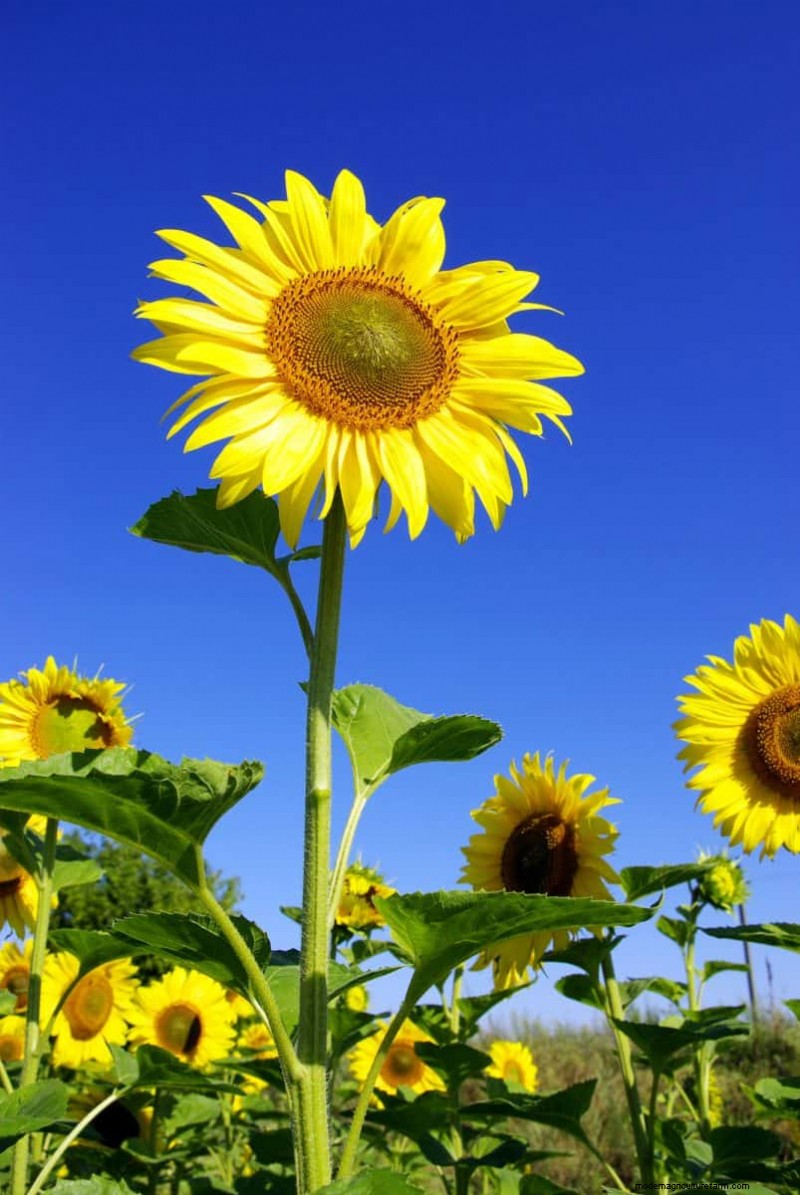 Field of flowers of sunflowers
Bonus: Tall varieties create a psychological win too. “I grew that” pointing at a 5-6 foot sunflower hits different.
The consensus among growers is that sunflowers are nearly indestructible. They tolerate poor soil, drought, heat, and general neglect. The biggest threat is birds eating seeds before they germinate (cover with netting or start indoors).
Dwarf varieties (2-3 feet tall) work great in pots and bloom just as fast. Mammoth varieties (8-12 feet) take slightly longer but deliver jaw-dropping visual impact.
After the bloom fades, leave the seed head for birds or harvest seeds for roasting. The plant keeps giving even after its showy moment ends.
Take a sweet potato, partially submerge it in water (with toothpicks holding it up), and in 1-2 weeks it sprouts long, gorgeous vines with heart-shaped leaves.
It’s nearly impossible to mess up, grows fast enough to feel rewarding, and the foliage is genuinely pretty. You end up with a cascading plant that looks like you put thought into it.
Keep it on a windowsill and change the water occasionally. That’s it. The vine will keep growing for months.
After digging through the research, the secret is using an organic sweet potato if possible. Conventional ones are often treated with sprout inhibitors, which defeats the whole purpose. If your potato refuses to sprout after three weeks, grab a different one.
Some growers transplant the vine to soil once it’s established. Others keep it in water indefinitely. Both methods work. The water-only version is lower maintenance (no soil to monitor), but soil-grown vines tend to produce more vigorous foliage.
Common mistake: using a potato that’s been refrigerated. Cold storage slows or stops sprouting. Room temperature sweet potatoes sprout faster and more reliably.
If you want to skip the research and just start, grab a fast-growing seed or microgreens kit. A quality microgreens growing kit will come with seeds, a tray, and instructions.
All you add is water. Check out this highly-rated microgreens growing kit on Amazon as a starting point.
You’ll have your first harvest in under two weeks. The consensus among growers is that kits remove the biggest barrier to starting: decision paralysis.
When everything’s included, you’re far more likely to actually start instead of endlessly researching the “perfect” setup. Kits also teach you the basics without requiring you to buy full-size bags of seed, soil, or trays you might not use again.
After your first successful harvest, you can branch out into buying seeds and supplies separately if you want. Or just keep using kits. There’s no shame in taking the path of least resistance when it gets you growing.

Why does growing something fast feel so good? It’s about feedback loops.
Your brain loves evidence that your actions matter. Plant a seed, see a sprout, harvest a snack or flower. That chain of cause and effect, compressed into days instead of months, is exactly what your nervous system is craving when dopamine feels distant.
After digging through the research, the consensus is clear: humans are wired to respond to immediate, visible results. In a world where most meaningful outcomes take months or years (career progress, fitness goals, relationship building), fast-growing plants offer rare instant feedback.
You did a thing. The thing responded. You can see it, touch it, sometimes eat it. That’s powerful.
For neurodivergent brains, this matters even more. ADHD brains often struggle with tasks that have delayed rewards. Depression can make it hard to believe your efforts matter at all. Fast-growing plants bypass both obstacles.
The reward comes quickly enough to hold attention, and the visible proof counters the “nothing I do matters” spiral. It’s not a cure, but it’s a tool. And sometimes tools are enough.
Fast-growing plants don’t require special skills or perfect conditions. They just need you to show up, pay attention for a few weeks, and celebrate what you built.
The beauty is in the simplicity. You’re not committing to a six-month project. You’re committing to a week, maybe two. That’s manageable. That’s doable. And when it works, you’ve got proof that you can grow things, which might be exactly the evidence you needed.
Related: 25 Indoor Plants That Can Survive in Windowless Rooms


