Welcome to Modern Agriculture!

A sensory garden is designed around more than how it looks. It’s designed around how it feels, smells, sounds, and tastes. If you’re neurodivergent, sensory input from a garden can be genuinely regulating.
The right textures calm you down. The right scents reset a bad brain day. Even the sound of wind through grasses can pull you out of a spiral.
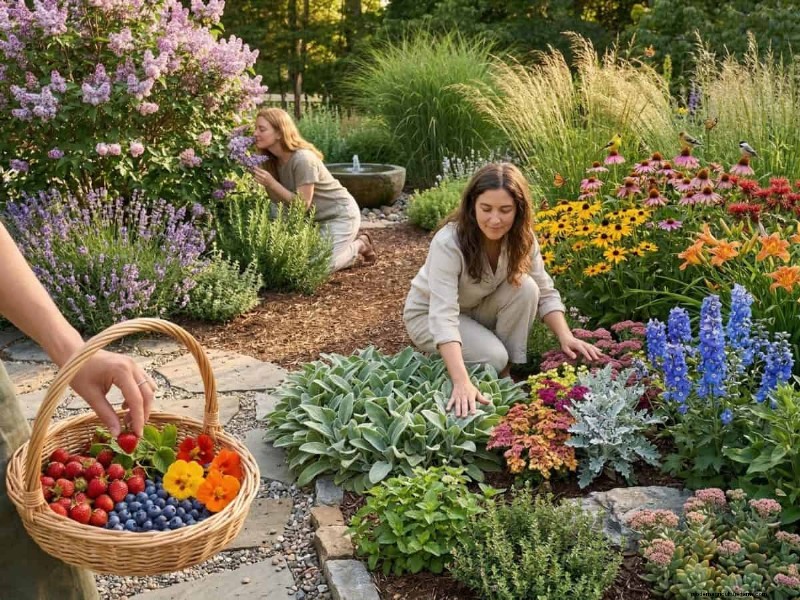
This guide breaks down how to design for all five senses, with specific plants for each one.
Most garden design focuses almost entirely on visual appeal. We choose plants for color, form, and composition.
But research in horticultural therapy and environmental psychology shows that gardens engaging multiple senses provide deeper stress relief, sharper attention restoration, and stronger emotional connection to the space.
When you incorporate scent, texture, and sound, your garden becomes an escape route from mental overwhelm. A whiff of lavender might calm anxiety before you consciously register it. Touching soft lamb’s ear leaves sends tactile pleasure signals faster than sight alone. A mindful sensory garden becomes therapeutic simply by existing.
Run your hands through your garden. This is where sensory design truly begins.
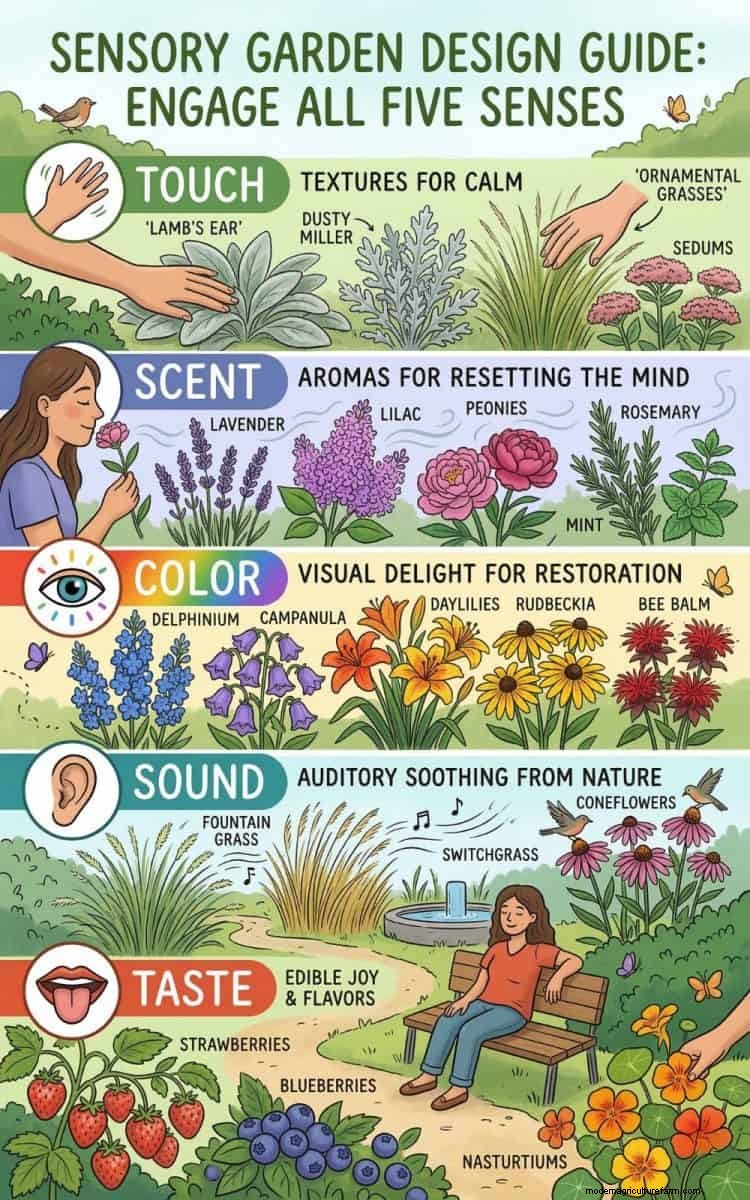
Plant lamb’s ear (Stachys byzantina) along pathways where you’ll brush past it naturally. Its silvery-soft foliage is irresistible to touch. Pair it with dusty miller for a cooler, more refined silvery texture. Both are drought-tolerant once established and add a dreamy aesthetic.
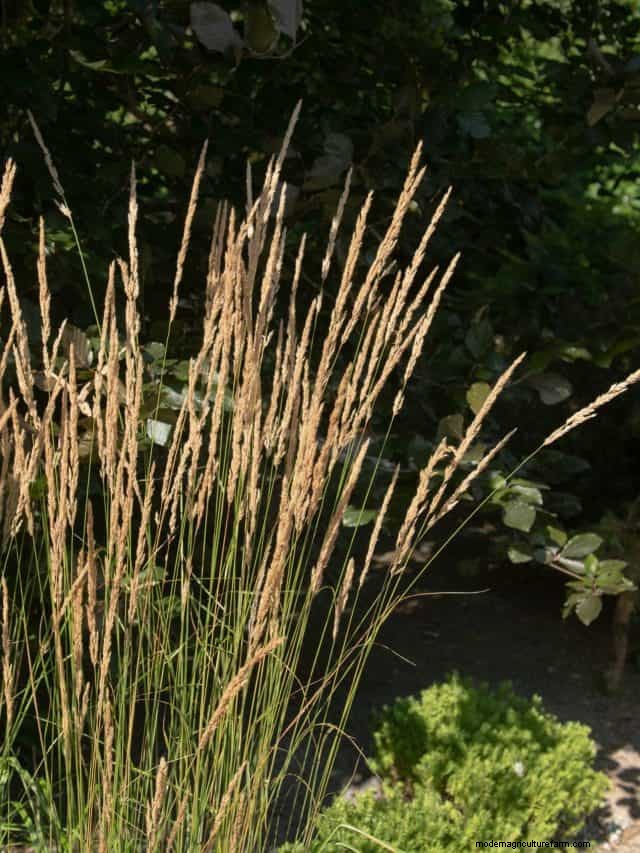
Balance softness with structure. Ornamental grasses like feather reed grass or blue fescue provide dramatic, spiky contrast. Sedums offer fleshy, geometric leaves that beg to be touched. Place these where visitors can safely interact with them. The contrast between soft and prickly is deeply satisfying.
We'll email it to you so you can read it later!
By saving, you agree to receive occasional emails. Unsubscribe anytime.
Fragrance is memory and emotion distilled into a molecule. Olfactory design transforms a garden from pretty-to-look-at into one that stops you mid-breath with recognition and joy.
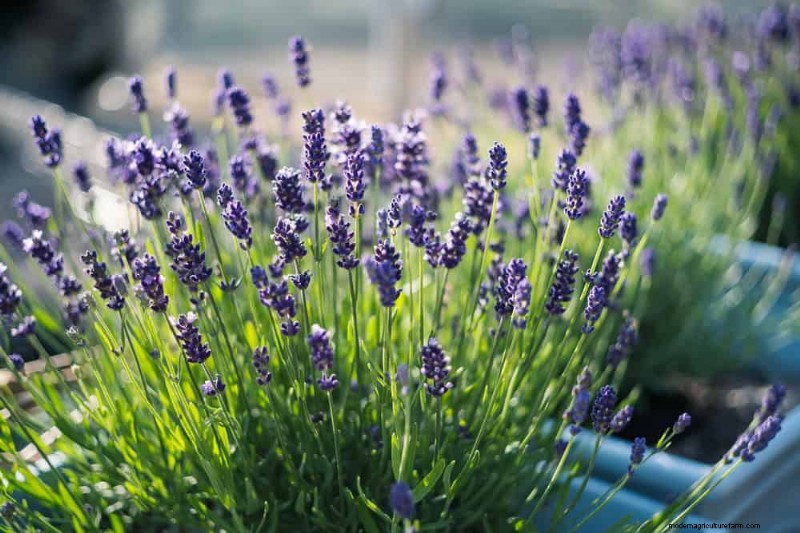
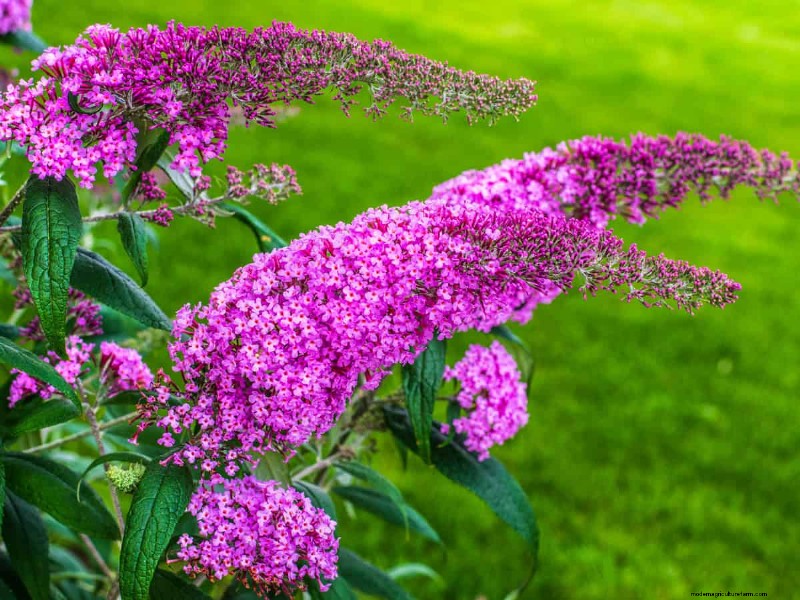
Lilac bushes are non-negotiable. Their honeyed, intoxicating scent says “spring” to nearly everyone. Pair with peonies (especially fragrant heirloom varieties) and lavender for a layered, complex fragrance landscape.
Grow rosemary, thyme, basil, and mint in dedicated beds or containers. Their scent is active, released fully when you brush past or crush a leaf intentionally. Mint and basil have bright, green notes.
Rosemary is deeper, almost woodsy. Thyme is herbaceous and calming. Crush a sprig in your hand before heading into a stressful day; the sensory reset is powerful.
Don’t let fragrance end in summer. Heliotrope blooms until frost with a vanilla-almond scent. Fall asters are subtly sweet. Ornamental peppermint and autumn sage provide aroma and color as days shorten.
Upgrade Your Sensory Garden: The Neurodivergent Gardener PDF guide includes an entire section on sensory-friendly plant design, focusing on texture, fragrance, and low-stimulation plant care. Explore The Neurodivergent Gardener here for deeper sensory design principles.
Sensory gardening doesn’t mean every color at once. Strategic color choices support calm and engagement rather than chaos.
Blues, purples, and soft whites create visual rest. Plant delphinium, campanula, agapanthus, and white phlox in shaded corners or mixed borders. These colors recede visually, making spaces feel larger and more peaceful.

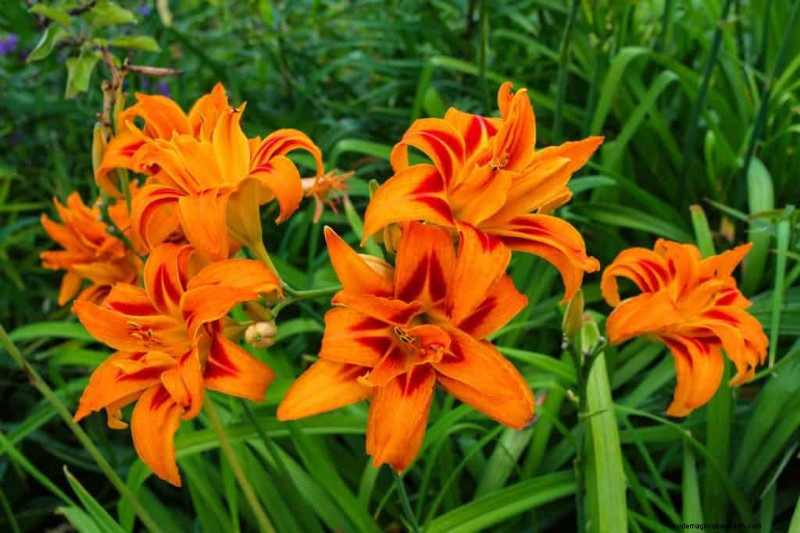
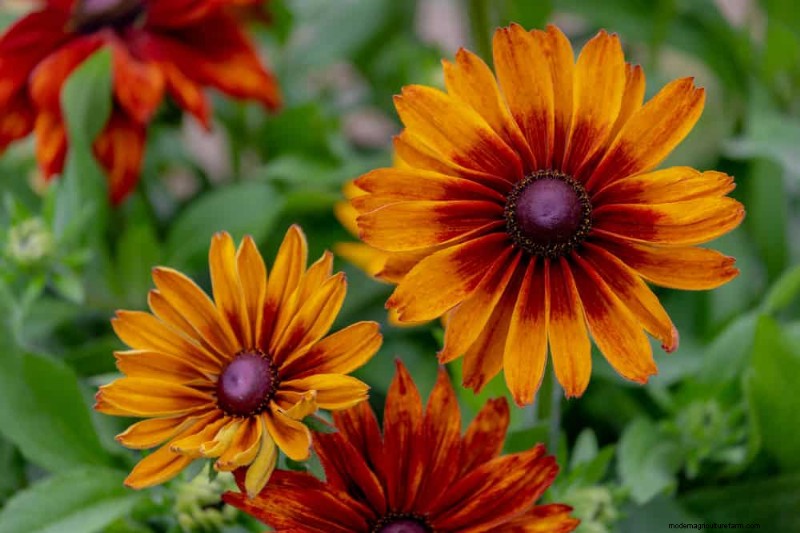
Oranges, yellows, and warm reds draw the eye and lift mood. Use them sparingly as focal points. A cluster of daylilies, rudbeckia, or bee balm near seating areas creates visual interest without overwhelming. The color wheel principle of saturation applies: less is often more satisfying.
A sensory garden hums, rustles, and whispers. Sound creates temporal rhythm. You become aware of wind, rain, pollinators, and birds.
Ornamental grasses are the stars here. Their stems and seed heads shiver and whisper even in light breezes. Plant generously.
A mass of fountain grass, switchgrass, or panic grass creates a soothing, rustling soundscape. Combine with aspen trees or trembling quaking grass for layered acoustic texture.
Fill your garden with native flowering plants to attract pollinators and songbirds. Black-eyed Susans, coneflowers, bergamot, and salvias draw bees (whose soft buzzing is meditative) and hummingbirds (whose wing-whine is instantly recognizable). Native shrubs with persistent seeds attract fall and winter birds.
Related: Learn about 26 Beginner Houseplants That Practically Thrive on Neglect. Many of these hardy plants also work beautifully in outdoor sensory gardens if you’re in a mild climate.
A truly multisensory garden invites you to taste as well. Integrate edible plants throughout your design.
Basil, parsley, cilantro, oregano, and chives are ornamental and delicious. Plant them in visible, touchable locations.
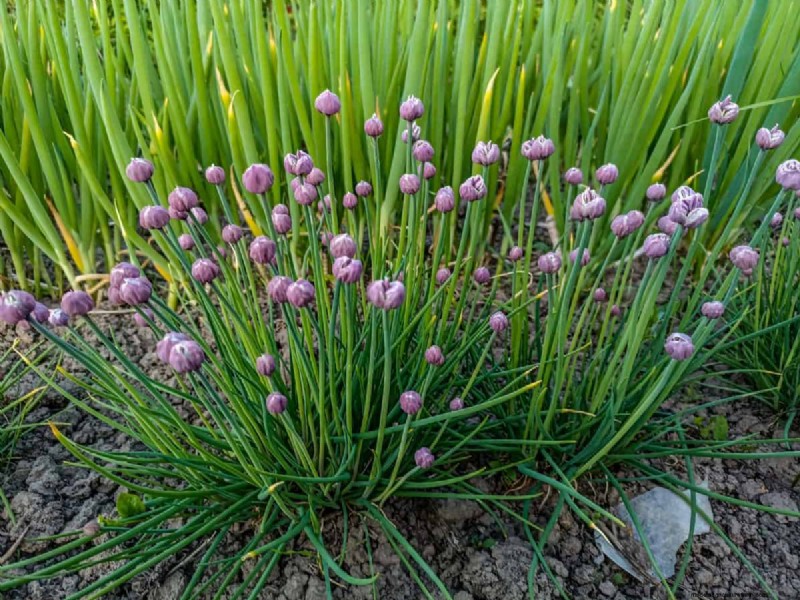
Snip a leaf, taste it, experience the full sensory loop. Herb gardens in containers near seating areas invite grazing and engagement.
Grow strawberries in containers or ground-level patches. Plant blueberry bushes (they’re attractive, long-lived, and productive).

Consider serviceberries (small native shrubs with edible purple fruit) or cornelian cherries. Even flowers like nasturtiums and pansies are edible and add playful surprise to a garden experience.
If you’re starting a sensory herb garden, consider investing in a curated sensory herb garden kit or lavender plant set on Amazon. These often include multiple complementary varieties ready to plant together, making setup simple with immediate fragrance impact.
Start with pathways. Sensory gardens should invite wandering and touching. Create seating nooks surrounded by fragrant, textured plants. Place the softest, most aromatic plants near where you’ll sit or pause.
Reserve spikier, structural plants for visual anchor points. Let the garden flow like a journey through different sensory experiences.
Tip: Plant in clusters of three or five, not singletons. Repetition is restful. Three lavender plants create more impact than one lonely specimen. A mass of ornamental grass moves more noticeably than scattered clumps.
You don’t need a massive space or deep expertise to begin. Start small: add one fragrant shrub, two texture plants, and a container of culinary herbs.
Visit a local nursery with the intent to touch and sniff. Let your hands and nose do the choosing. Notice which scents call to you and which textures feel comforting.
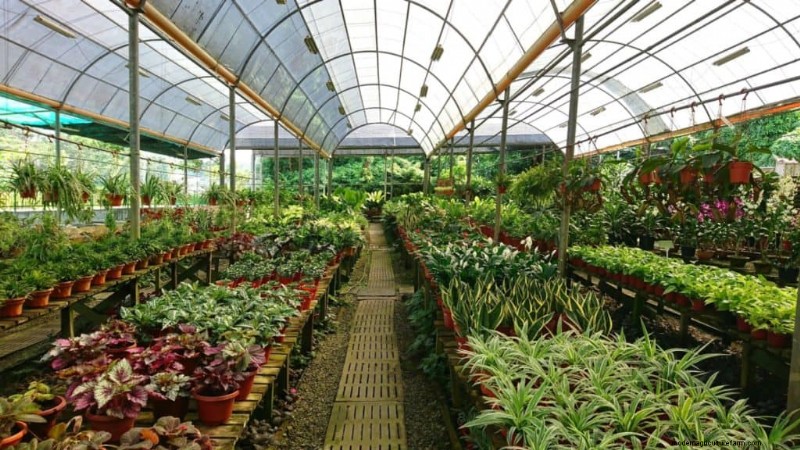
As your sensory garden grows, pay attention to how it affects you. Does the rustle of grasses quiet your mind? Does touching soft foliage feel grounding? Your garden is a personal experiment in creating space that nourishes all of you.
Related: For more garden design inspiration beyond the sensory approach, explore 28 Cottage-Style Garden Ideas That Turn Your Yard Into a Storybook Scene. Many cottage gardens naturally incorporate sensory elements like fragrant roses, textured foliage, and wildlife sounds.
Your garden is waiting to come alive. With intention, plant knowledge, and sensory awareness, you’ll create an outdoor sanctuary that engages your whole self. A place where you don’t just see beauty, you feel it, smell it, hear it, and taste it.


