
Welcome to Modern Agriculture!

Leaving fruit and vegetables on the vine longer than necessary is one of the most frustrating mistakes a gardener can make. A melon that’s been left too long can become mushy, a tomato may develop an off‑taste, and a zucchini can turn woody. By learning the exact moments to harvest, you’ll avoid these pitfalls and enjoy every bite at its best.
Recent studies show that many crops actually taste better when picked early and allowed to finish ripening indoors. Tomatoes, for example, can be harvested at the breaker stage—when they’ve changed color but are still firm—and then finish ripening on a sunny windowsill. Swiss chard, on the other hand, delivers the sweetest flavor in its tender young leaves.
Early harvesting also keeps pests and diseases at bay. Insects such as corn borers and leaf miners thrive on fresh foliage, fruit, and flowers. Picking crops before these critters can access them reduces damage and keeps your garden healthier.
A simple yet effective habit is to walk through your garden at least twice a week. Regular inspections let you spot ripening fruit, catch early signs of pests or disease, and prevent small problems from spiraling into major losses.
Below are the 11 crops you’re harvesting too late—and the exact cues to guide your harvest timing.
Shop garden beds, seed‑starting supplies, and more during Epic Gardening’s Labor Day Sale—up to 30% off through September 9.
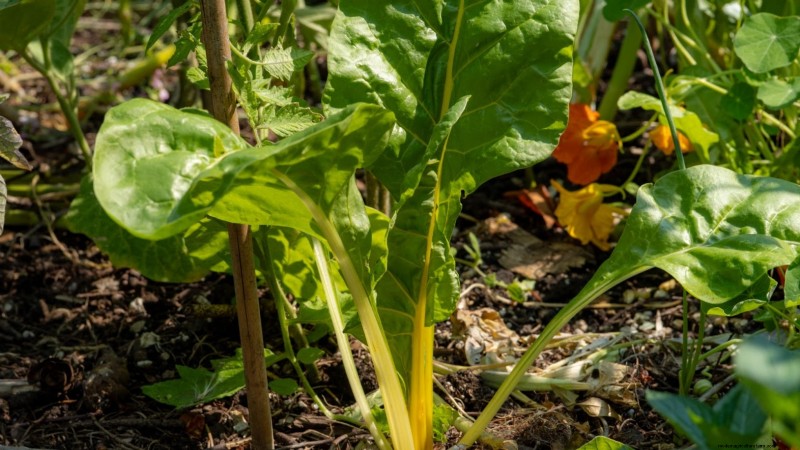
| Botanical name | Beta vulgaris subsp. vulgaris |
|---|---|
| Sun requirements | Full sun to partial shade |
| Height | 1‑2 ft |
| Hardiness zones | 2‑11 |
Swiss chard tastes best when its young leaves are still crisp and sweet. As the plant ages, the leaves grow thicker, turn bitter, and attract pests like leaf miners. Harvest the first leaves as soon as they develop deep green, ruffled edges, and colorful stems—whether yellow, orange, red, or the distinctive white of ‘Giant Fordhook.’ A rainbow mix of stem colors can add visual interest to any harvest basket.
If you miss the sweet window, don’t discard the older leaves. Cook them with plenty of acid (lemon juice or vinegar) or blend into smoothies where fruit sugars mask any bitterness.
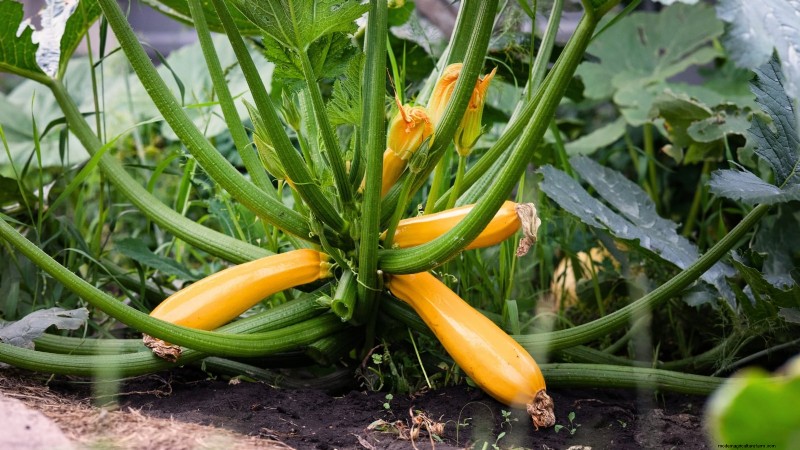
| Botanical name | Cucurbita pepo |
|---|---|
| Sun requirements | Full sun |
| Height | 1‑20 ft |
| Hardiness zones | 3‑11 |
Summer squash—whether crookneck, zucchini, or yellow‑skinned varieties—reaches peak flavor when it’s still tender and lightly colored. Overripe squash develops a woody, seedy core that can ruin your dish. Harvest when the fruit is firm, its skin is dark, and the flesh feels soft to the touch.
Regular picking encourages the vine to produce more flowers, leading to a higher overall yield. Try sampling the fruit at different maturity stages to discover which taste you prefer.
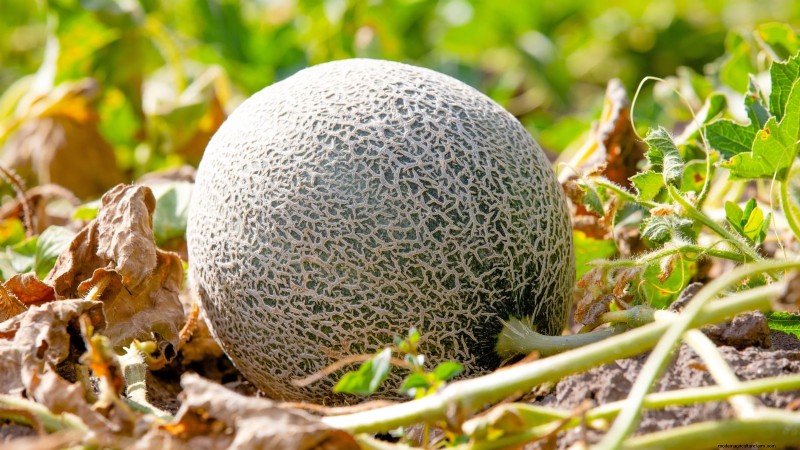
| Botanical name | Cucumis melo |
|---|---|
| Sun requirements | Full sun |
| Height | 3‑9 ft |
| Hardiness zones | 2‑11 |
Melons thrive in hot, sunny conditions and need time to develop their natural sweetness. Watch for a crack near the stem—the “slip stage” indicating the fruit will detach easily. Brown netting and a sweet, floral aroma are additional signs of ripeness. Different melons cue ripeness in unique ways; for instance, cantaloupes develop a creamy white‑yellow hue as they mature.
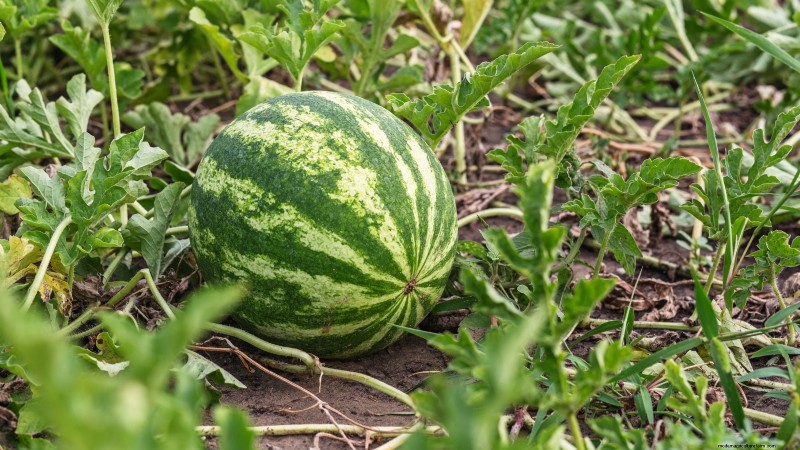
| Botanical name | Citrullus lanatus |
|---|---|
| Sun requirements | Full sun |
| Height | 5‑15 ft |
| Hardiness zones | 2‑11 |
Watermelons are at their best when they’re firm, juicy, and crisp. Overripe fruit becomes mealy and mushy. Check for the following cues: the rind turns from green to light yellow at the point where it touches the soil, the overall color fades to a dull green, the rind feels firm, and the twine on the stem turns brown and crisp.
Many varieties, such as ‘Mountain Sweet Yellow’ and the bite‑sized ‘Sugar Baby,’ offer unique flavors and convenient sizes.
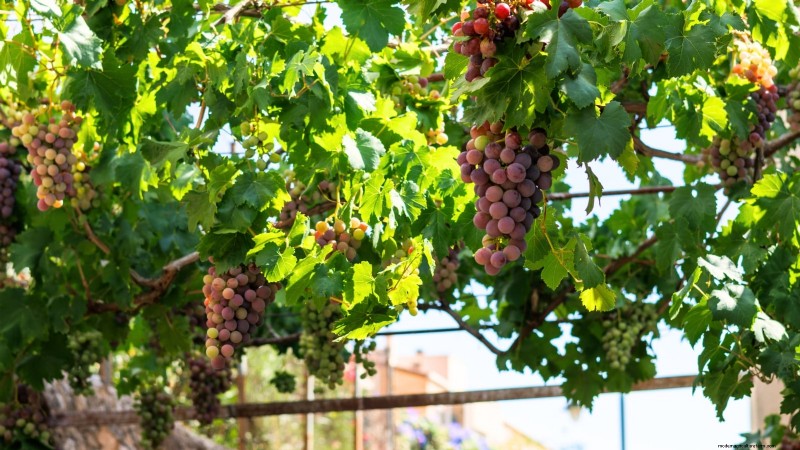
| Botanical name | Vitis vinifera |
|---|---|
| Sun requirements | Full sun |
| Height | 5‑25 ft |
| Hardiness zones | 6‑10 |
Harvest grapes when they’ve deepened in color and feel slightly soft to the touch. Overripe grapes lose sugar, leading to rot or shriveling. If you accidentally let grapes overripe, consider turning them into jams or jellies—just be sure they’re not visibly rotting.
Cutting whole clusters at the stem helps preserve freshness and prevents air from reaching the fruit, extending shelf life.
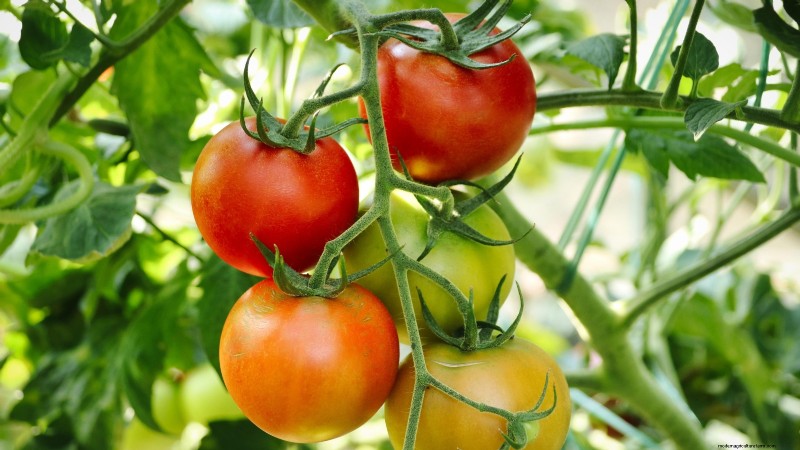
| Botanical name | Solanum lycopersicum |
|---|---|
| Sun requirements | Full sun |
| Height | 1‑10 ft |
| Hardiness zones | 2‑11 |
Recent research confirms that picking tomatoes at the breaker stage—when the fruit has changed 40‑50% of its color—produces the best flavor while reducing pest attraction. Look for half‑colored stripes on red varieties or a bright orange hue on unstriped types. After picking, place tomatoes on a sunny windowsill to finish ripening.
Heirloom varieties like ‘Beefsteak’ benefit from being harvested early, as they’re more prone to rotting on the vine. Cherry tomatoes, such as ‘Sweetie’ or the purple ‘Indigo Rose,’ are easier to time and yield consistently sweet fruit.
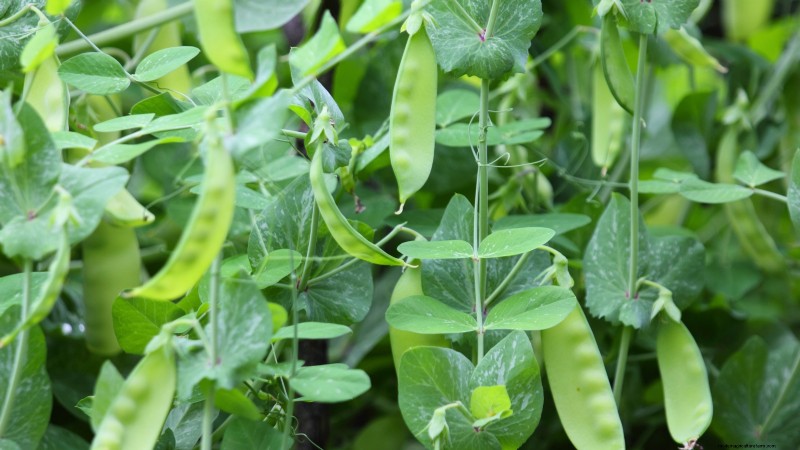
| Botanical name | Pisum sativum |
|---|---|
| Sun requirements | Full sun to partial shade |
| Height | 1‑3 ft |
| Hardiness zones | 2‑11 |
Choose the right pea type—shelling, snow, or sugar snap—and harvest at its peak. Shelling peas are ready when the pods are fully swollen, about three weeks after flowering. Snow peas are picked when the pods are flat with small peas inside, while sugar snap peas are harvested slightly later, with peas just starting to swell. A good rule of thumb: the pods should be tender, not fibrous.
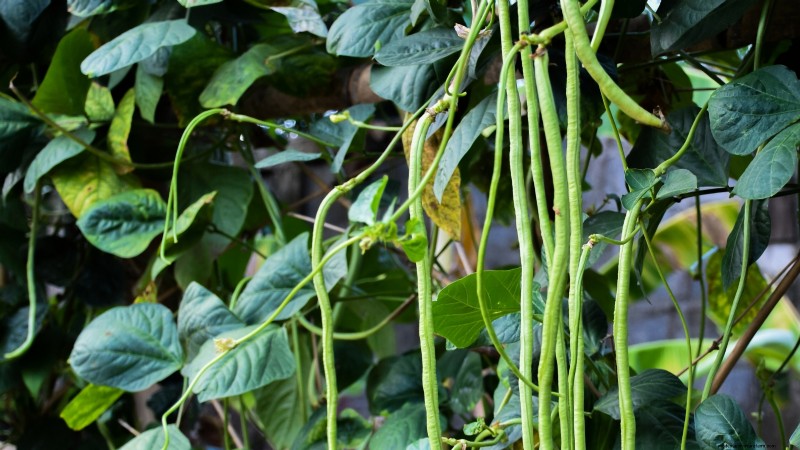
| Botanical name | Phaseolus vulgaris |
|---|---|
| Sun requirements | Full sun |
| Height | 1‑9 ft |
| Hardiness zones | 2‑11 |
Beans are at their peak when pods are fully formed, swollen, and still fleshy. The pods should snap cleanly in half. For dry beans, wait until the pods are light brown and crisp before harvesting, then store them for later use.
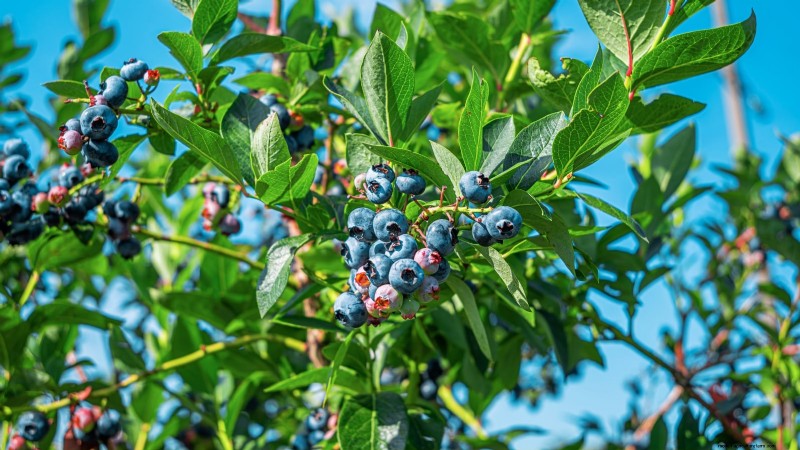
| Botanical name | Vaccinium ssp. |
|---|---|
| Sun requirements | Full sun |
| Height | 1‑9 ft |
| Hardiness zones | 3‑10 |
Blueberries should be harvested when they’re dark blue and plump. Some varieties, like ‘Pink Lemonade,’ ripen to a deep reddish‑pink. Overripe berries may become mushy but are still edible; they’re ideal for preserves, syrups, or freezing. Birds are attracted to bright fruit, so consider netting or frequent harvesting to keep them away.
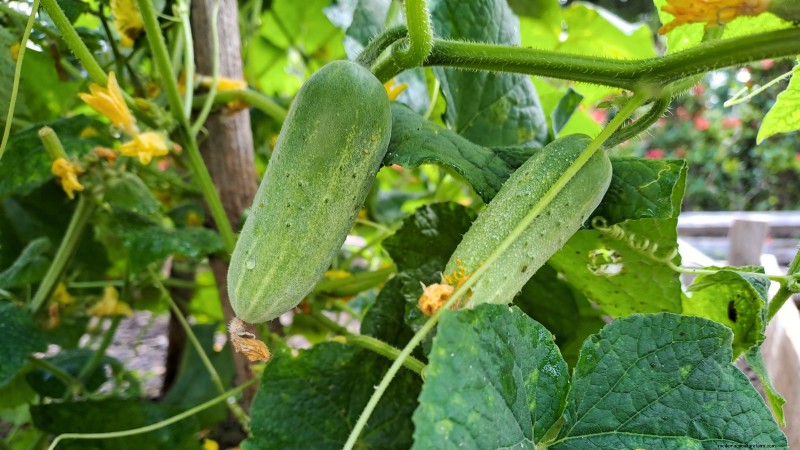
| Botanical name | Cucumis sativus |
|---|---|
| Sun requirements | Full sun |
| Height | 3‑7 ft |
| Hardiness zones | 2‑11 |
Cucumbers remain crisp and sweet when harvested before the fruit thickens and develops seeds. Look for swollen, firm fruit with a dark green or yellow skin, depending on the variety. Overripe cucumbers can still be used—remove the seeds and peel the skin if you need a milder flavor.
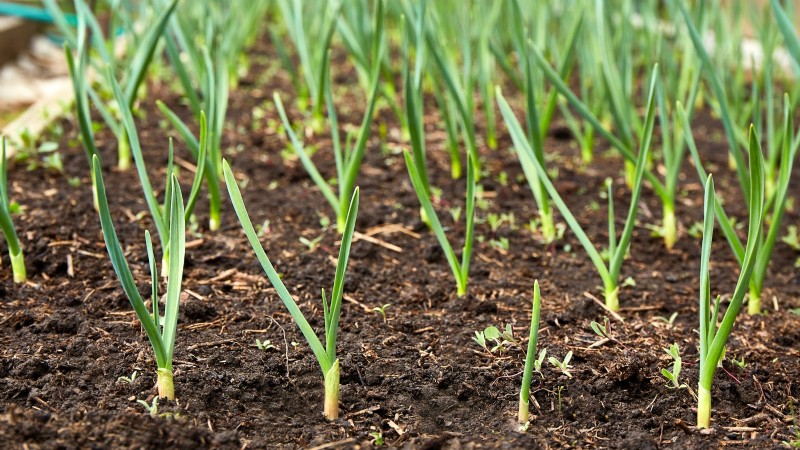
| Botanical name | Allium sativum |
|---|---|
| Sun requirements | Full sun |
| Height | 2 ft |
| Hardiness zones | 4‑9 |
Softneck and hardneck garlic mature differently. Harvest hardneck varieties when the lower leaves turn brown, while the upper leaves remain green. Softneck garlic should be picked when the tops lean and have mostly brown papery skins. Harvesting at the correct time ensures better storage life and flavor.
Even overripe garlic is usable—use it promptly or plant the cloves in the fall for next year’s crop.


