
Welcome to Modern Agriculture!

Broccoli Questions and Answers, Planting Frequently Asked Questions (FAQs): Hello gardeners, we are back with a new topic day today and the topic is all about broccoli planting questions and answers. Do you want to plant broccoli plant and do you have any doubts about planting broccoli? Then follow this article.
Broccoli is an edible green plant that belongs to the cabbage family (family Brassicaceae, genus Brassica) whose very large flowering head, stalk, and even small associated leaves are eaten as a vegetable. Broccoli is classified in the Italica planter group of the species Brassica oleracea. Broccoli has very large flower heads, usually dark green and arranged in a tree-like structure branching out from a thick stalk which is usually light green. The mass of flower heads is usually surrounded by leaves. Broccoli resembles cauliflower, which is a different, but closely related planter group of the same Brassica species.
The Overview Table Of Broccoli Is Given Below:
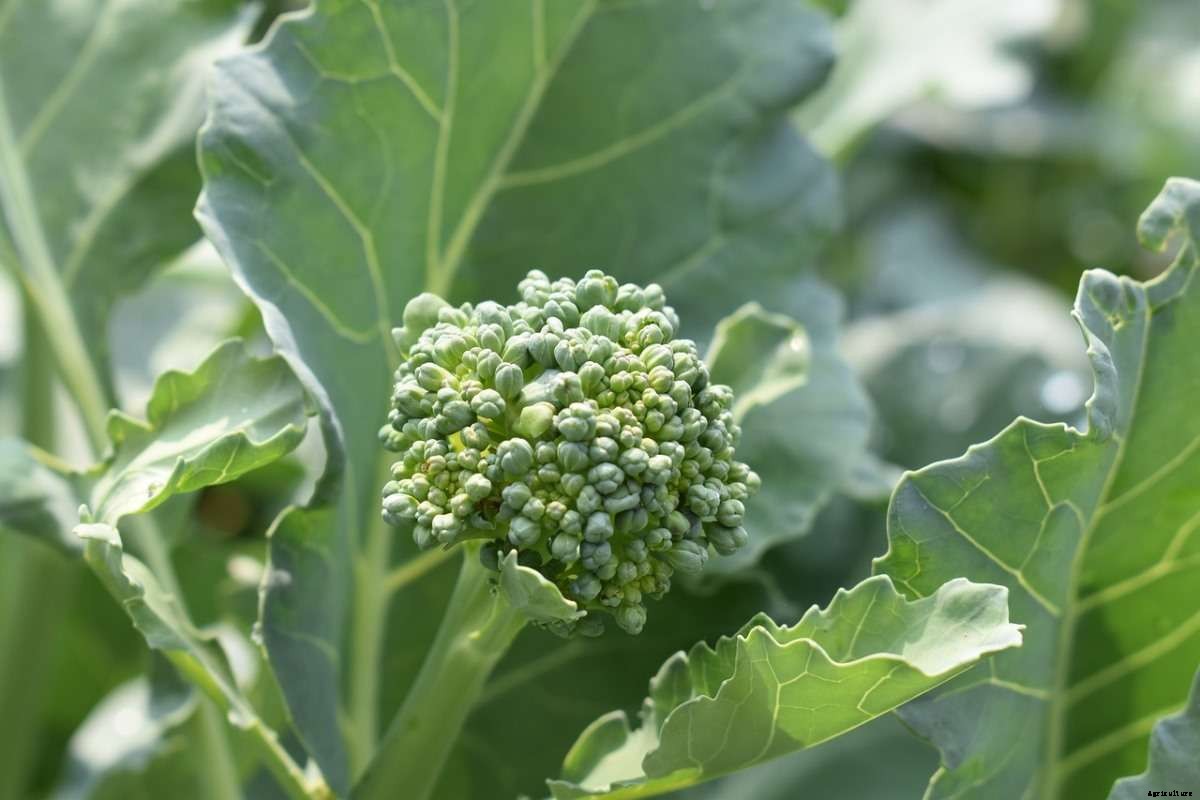
Broccoli is an excellent cool-season vegetable. Therefore, it needs to be planted in cooler months of the year for the best results. The growth of the broccoli plant will get affected by the very high temperature of the summer months. The perfect time to grow broccoli in India is around September to November.
Now, let us discuss some frequently asked questions about broccoli planting:
It usually takes 80 to 100 days for broccoli to go from seed to harvest. The exact amount of time can easily vary depending on the broccoli variety and your local climate. When you start seeds indoors and then transplant them, the transplant’s growth time to harvest is typically around 55 to 85 days.
Broccoli plants can be harvested two to three times for a period of up to three to four months. The plant first produces a very large head in the center of the plant. Once this main head has been harvested, then it will grow several smaller side heads for the next several weeks.
Celery, Potatoes, and Onions are very good companions to broccoli that are said to improve broccoli’s flavor. Chamomile is also purported to boost the flavor of the broccoli plant. Broccoli even enjoys the company of Beans and Cucumbers.
Broccoli is perfectly happy to be grown in pots/containers. It does get very widespread, however, so you can plant only one per 5-gallon or 19 L container. You can fit nearly two to three plants in a 15-gallon or 57 L container.
Yes, you can use broccoli leaves just as you would any other greens, like Kale or Spinach, which is a great way to perk up salads and other dishes.
Broccoli usually likes steady moisture to grow very fast and to produce good heads, so water regularly, just apply 1 to 1.5 inches of water per week if rain doesn’t cover it. You can even measure the amount of water with a rain gauge left in the garden.
Sow your Broccoli seeds at a depth of 4 times the size of the seed, or ½ inch deep, and then water thoroughly. Once the seeds have sprouted, you need to be sure to keep the soil lightly moist.
Broccoli grows well and best in full sun and where the soil is slightly acidic and soil need to be fertile and well-drained. The right pH and the organic matter will help to ensure that nutrients, particularly essential micronutrients like boron, are readily available.
A benefit to growing your own broccoli plant is that it loses its antioxidants very quickly, so for the best health benefit, you really need to grow your own plant. The downside is that bugs like broccoli, and you may need to buy a cover cloth to get rid of bugs.
Ideally, you’ll need to space broccoli plants no less than 18 inches apart. If you are planting multiple rows of broccoli, then each row should be at least three feet apart from the other. You can try closer broccoli spacing, but crowding your plants will also reduce the size of the broccoli heads they produce and will reduce your overall yields.
Plants to avoid planting next to Broccoli:
One of the best ways to protect the broccoli seedlings is to lay netting over supports, covering the plants. Of course, this keeps the birds out too. Row covers will also help in protecting broccoli plants from cabbage worms.
If the stems of your broccoli plants are soggy when they die, then it’s likely that you have overwatered them or that they’ve been exposed to too much rain. While broccoli plants love lots of sunshine, if they get too much heat, they can wither out and die. That’s why it’s important to plant and grow them in an area where it’s not too hot.
One of the most important factors in the size of your broccoli heads is planting time. Broccoli likes to stay in a cool place. Broccoli plants that are planted too late in the spring may start buttoning when the weather becomes too hot for their liking. Buttoning will cause the plant to produce small broccoli heads.
You’ll know broccoli heads are ready when they’re deep green with very small, tightly packed buds. You need to harvest broccoli right away if it starts to flower or turns yellow. Side shoots will continue growing after the main head is harvested from the plant. It is better to harvest side shoots when they reach their ideal color and firmness.
It generally takes nearly around 100 days for plants to reach their maturity level. Though size can vary widely, a good and general rule is to harvest when the heads have reached nearly about 4 to 8 inches in diameter. You need to check your seed packets for notes on maturation rates and sizes.
Use soap spray. You can also make your own by blending up to 3 teaspoons of mild and non-detergent liquid soap with 1 gallon of water. Put some or all of this formula in a backpack sprayer or a clean spray bottle and then thoroughly coat stems, as well as the upper and lower foliage, of broccoli plants.
In case if you miss this: How To Grow Onions In Greenhouse.
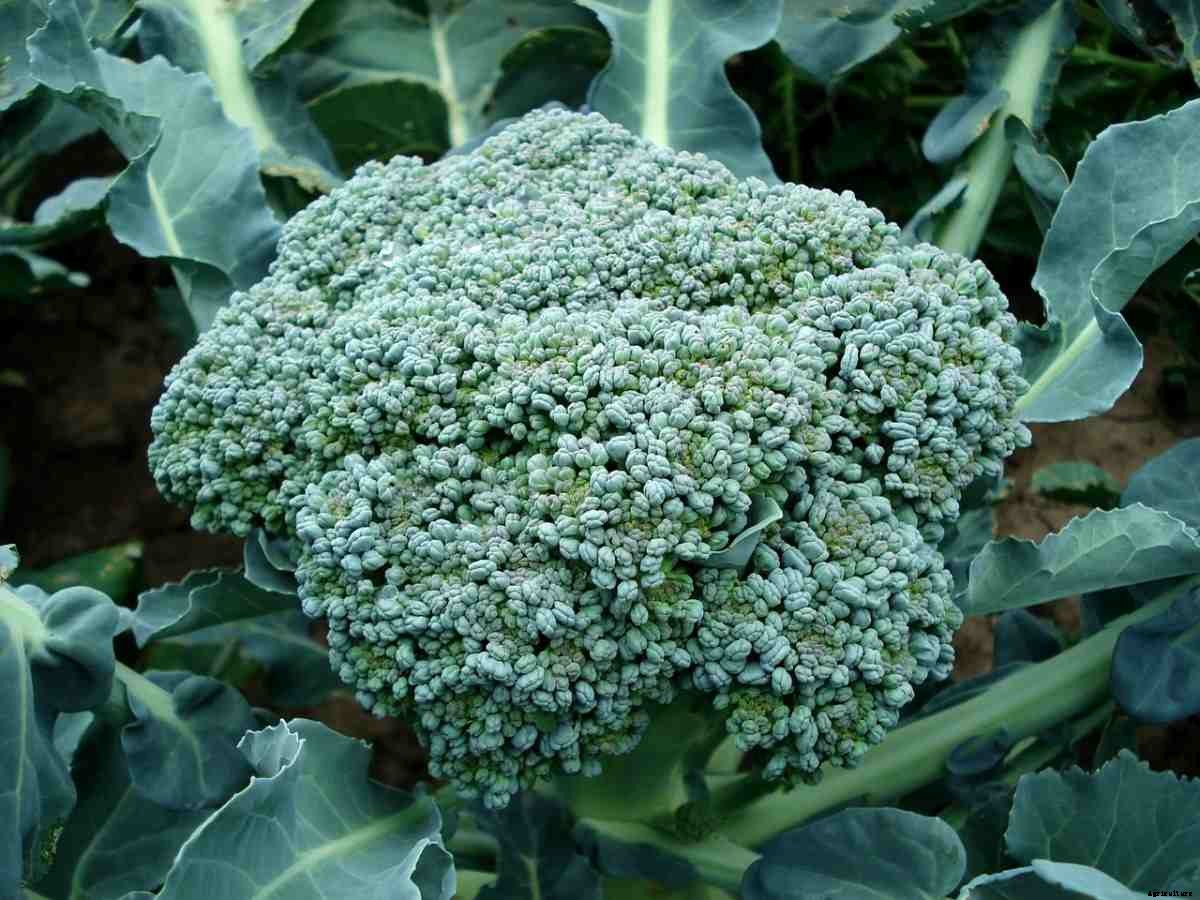
Broccoli grows well and best in full sun. But partial shade can also help to prevent bolting in warmer months. Place four to six broccoli seeds in each Rockwool cube, and then expect them to germinate within about a week.
Harvest the main broccoli head when the plant stops growing. Harvest broccoli right away if it starts to flower or even turn yellow.
You need to plant two broccoli seeds per container at a depth of 1/4-1/2 inches deep. Cover and then water thoroughly. Place in a very warm area and then keep the soil moist, but not drenched. The seeds will germinate within 5 to 10 days.
Wilting can indicate insect or even disease problems but is most commonly due to a lack of soil moisture. You should not assume plants have enough water if the soil surface is moist. Water the plant when it is needed.
Broccoli is a very heavy feeder. Better make sure your soil is fertile enough by mixing in at least 1 inch of compost at planting time. You can also apply a high-nitrogen organic fertilizer, such as alfalfa meal or even composted poultry manure, every few weeks. Just provide about an inch of water weekly.
Broccoli grows tall and then starts to flower to form seeds and complete its reproductive cycle. This happens in response to stress and even extreme soil temperatures. Sometimes broccoli will grow tall and bolt before the broccoli has a chance to form a very large head.
Yes, broccoli-like Epsom salt. It is a very good and suitable organic fertilizer for the broccoli plant.
To get rid of any bugs hiding in the broccoli florets, you need to start by filling your sink with cold water. You need to add 1/4 cup of salt and 2 tbsp. of vinegar. Then let sit for 20 minutes and rinse the broccoli. During this process, the broccoli needs to be completely submerged.
Broccoli plants can also come under attack by other pests, like aphids and even flea beetles. Because of their resemblance to head lice, they are also called plant lice. However, they come in different colors, including green, orange, and even brown, which can make them difficult to spot in your garden.
Broccoli is frequently infested with insects and they must be checked. Look for: aphids, thrips, spider mites, and even broccoli worms. Broccoli is one of the vegetables most infested with insects. And, the structure of the broccoli plant makes it very difficult to reach the insects.
Head rot of broccoli is caused by different bacterial and even fungal pathogens. The initial symptoms of head rot are water-soaking and even discoloration of very small groups of florets. Management of these diseases is based primarily on cultural practices, site selection, and using less susceptible varieties/types.
You may also check this: Potato Seed Germination.
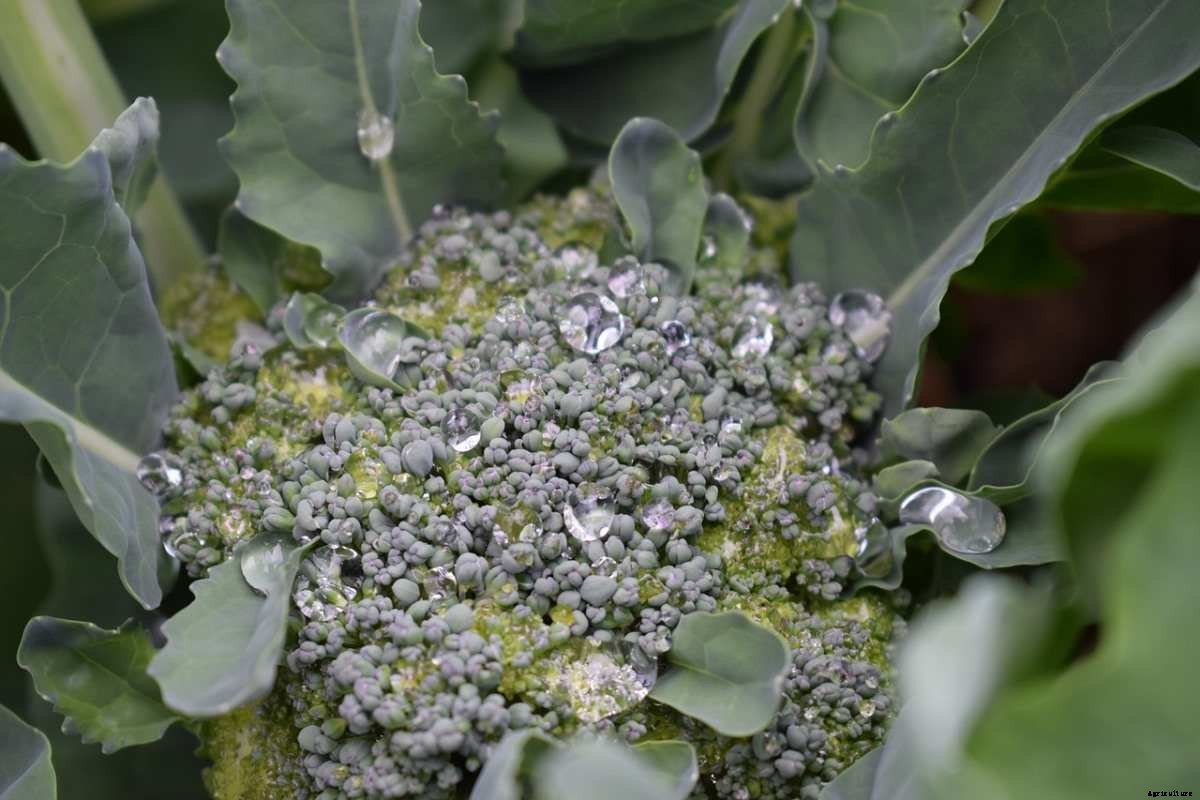
Growing broccoli is done best in soils that are well-drained with a texture between sandy and even clay loam.
When growing Broccoli, you need to prepare the soil to a depth of 12 to 20 inches or 30 to 51cm. lay down a 2 to 3 inches or 5 to 8 cm layer of good garden compost or even composted manure when you prepare the soil. Broccoli and other cruciferous vegetables grow well and best in soil with a slightly acidic to slightly alkaline pH, pH 6.8 to 7.4.


