
Welcome to Modern Agriculture!

Introduction to Sunflower Questions and Answers, Planting FAQs: Hello gardeners, we are here with another article and the article is all about sunflower planting questions and answers. Do you want to grow a sunflower plant and do you have any doubts about planting and growing sunflower? Well and then you will need to follow this complete article.
Sunflowers are a popular and easy-to-grow plant that gardeners all around the country appreciate. Sunflowers thrive in full sun and aren’t fussy about soil, making it one of the easiest flowers to plant. The enormous kinds, which grow very tall and feature oversized yellow flowers, are perhaps the ones you’re most familiar with.
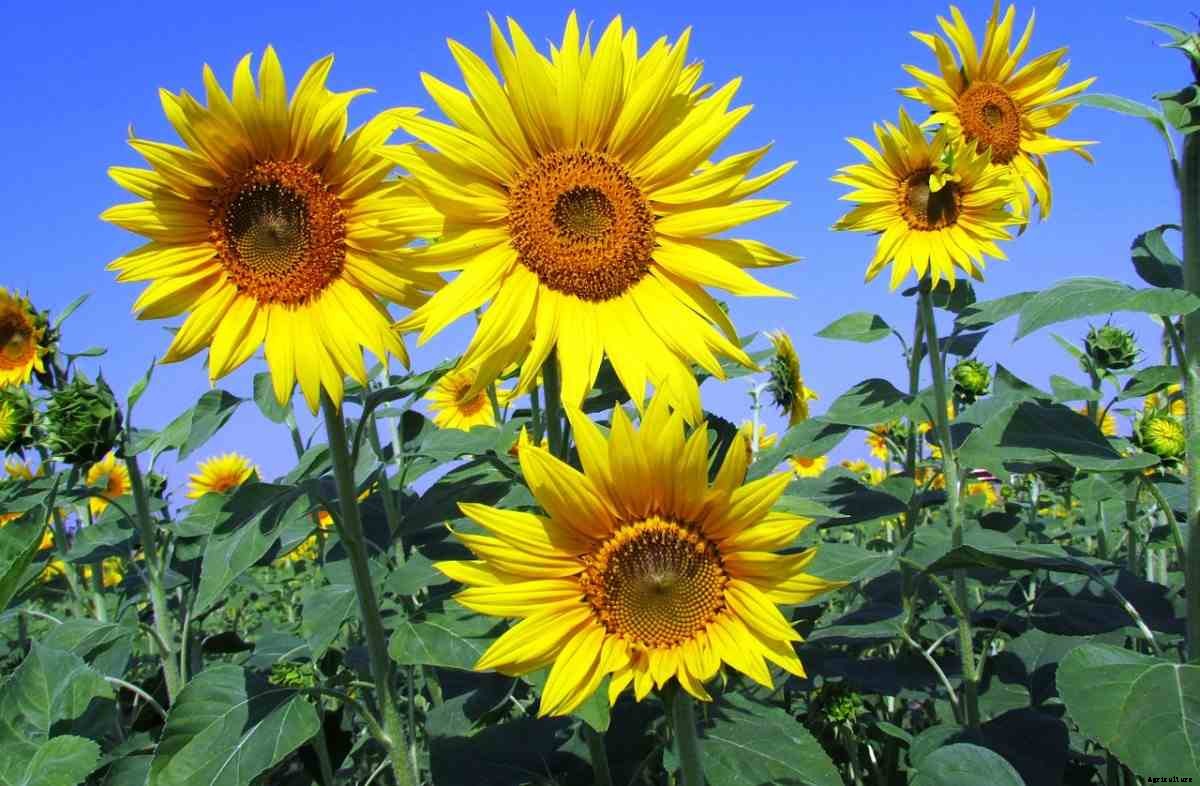
When to plant: Sow seeds outside after the threat of frost has gone for annual sunflowers (Helianthus annuus). They can be started inside if your growing season is short. Perennial sunflowers should be planted in the spring or fall.
Soil type: Any type of soil, including clay, sand, silts, and even loam.
You need to sow seeds 2 to 3 feet apart for big sunflowers or those grown for seed output. Sow seeds around 6 inches apart for smaller annuals that are great for cutting.
Watering: They will survive a mild drought once planted. They do best with deep, frequent watering in the weeks leading up to, during, and after blossoming.
Fertilizing: In most circumstances, fertilizer is not required. If your soil is really poor, though, a slow-release granular fertilizer might be used to stimulate larger blossoms. Too much nitrogen, on the other hand, can prevent flowering.
Staking: Sunflowers that grow very taller than 3 feet or have enormous, heavy flower heads are prone to drooping or even breaking when exposed to summer winds and rain. To avoid this, loosely tie your plant’s branches to stakes with cloth or twine. Sunflowers grown from seeds planted directly in the garden will have well-established roots and stronger stems, making them less prone to fall.
Now, let us discuss some frequently asked questions about sunflower planting
In case if you miss this: Broccoli Questions and Answers.
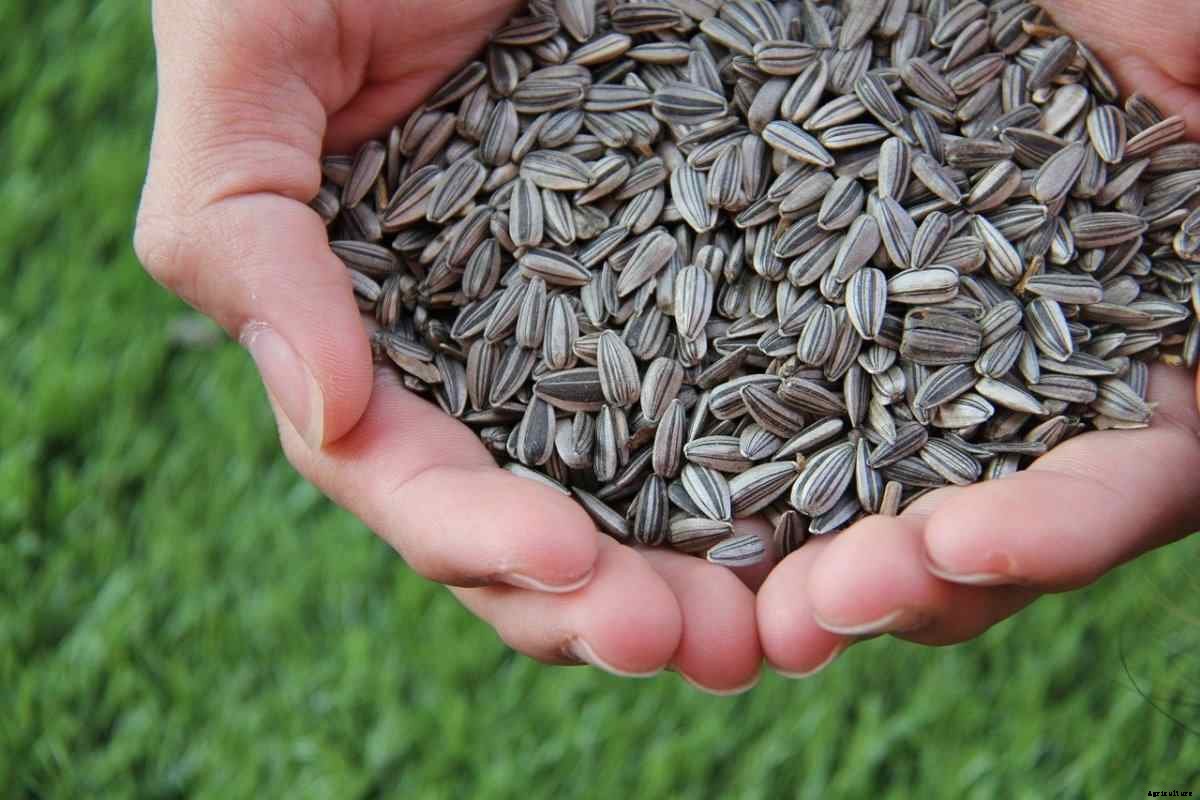
Sunflowers should be planted in late April when the earth is still warm. When the soil temperature reaches 21°C to 29°C, most sunflower seeds germinate. Sunflowers should be planted immediately before the soil reaches this temperature. A ground temperature of 15°C to 21°C is ideal.
Sunflower plants are very easy to grow since they are heat tolerant, insect resistant, and grow very quickly. Because they’re native to North America, they can adapt to a variety of environments. You can cut flowers from them, leave them on the stalk for a beautiful outdoor show, or harvest and eat the seeds.
Sunflowers can be planted in pots if outdoor plotting is not possible. They must be transplanted to larger pots that are at least 18 inches deep after starting the flower in a smaller peat moss pot. Place the containers in direct sunlight and water them regularly.
Sunflowers will live six to twelve days if properly cared for. Look for flowers that are just beginning to open fully to extend the vase life.
Because the sunflower (Helianthus annuus) is a native of North America, it may thrive in a variety of climates as long as it receives adequate sunlight. They’re very simple to grow, and you don’t even have to soak sunflower seeds before planting them in the ground.
Sunflowers should be planted in full sun in medium-fertile, well-draining soil. Depending on rainfall, water them once a week with one inch or 2.5 cm of water. Before watering, inspect the soil.
Keep an eye on the watering requirements of sunflowers in pots. They’ll dry out faster than plants growing in the garden. Depending on the weather, a general rule of thumb is to offer one inch or 2.5 cm of water per week. When the top inch of soil seems dry to the touch, water the plants.
Sunflowers (Helianthus spp.) have a single taproot and secondary roots that are smaller and hairier. Sunflower roots often grow 1 to 3 feet deep, and soil experts from the Department of Agriculture have measured sunflower roots that are more than 5 feet long.
Sunflowers require full sun and they require 6 to 8 hours of direct sunshine per day, with the more the better if you want them to reach their full potential. Choose a well-drained place and then prepare your soil by digging a 2-3-foot-circumference area to a depth of 2 feet.
Sunflowers bloom all summer and into the fall. You’ll have nonstop flowers until the first freeze if you sow new plants every few weeks. Perennial sunflowers flower for eight to twelve weeks, with some blooming as early as July and others as late as October.
While some sunflower types will not require staking, plants that grow to be more than 3 feet tall or have several branches should be supported. Their branches are brittle, especially where they meet the stems. As needed, use lengths of fabric or other soft material to tie the plants loosely to stakes.
Beans and potatoes are particularly sensitive to this toxin; therefore they should not be grown near sunflowers. The compounds will persist in the soil for a long period if the sunflower leftovers are tilled back into a vegetable garden.
Wet feet are particularly repulsive to sunflowers. They can’t stand too much water and are prone to root rot. They do, however, have profound roots. It makes sense to give them a deep watering regularly, but giving them too much water every day will destroy them.
Each day, give the potted sunflower around six hours of sunlight.
If you let the soil dry out too much, the sunflower will stop growing and its bottom leaves will yellow and drop.
It’s an annual plant, not a perennial. It isn’t going to return. You can leave the seeds hanging for the birds in the winter (and harvest some for planting next year), then chop them off in the spring and plant new seeds.
It’s typical for a sunflower’s head to lean over and droop down when it has fully flowered, been pollinated, and become laden with seeds. The heaviness is one thing, and it’s necessary so that the seeds can fall to the ground and germinate the following year.
A few basic growing guidelines are all that are required for sunflower care. Sunflowers require a lot of water to germinate, but during the growing season, they only need an inch of water per week. Once a week, water thoroughly with a watering nozzle until the top 6 inches of soil is damp.
Sunflowers can be seeded straight into the ground or in pots. They may be started inside in the early spring and will happily flourish for a while on a window sill. Alternatively, once the risk of frost has gone, seeds can be sown directly outside.
Plant the seeds approximately 6 inches apart and no more than an inch deep. Once the seedlings reach 6 inches in height, thin them out to leave the strongest plants around 12 inches apart. Beginning in the spring, stagger you’re planting by spreading a new row of seeds every two to three weeks for ongoing flowering.
Plants die for a variety of reasons, the most prevalent of which is overwatering. Overwatering kills plants because novices believe that with a little extra care, the plants would thrive. Wet feet are particularly repulsive to sunflowers. Your sunflowers will appreciate it if you just water when the topsoil is dry.
Sunflowers are plants that thrive in damp environments. New plants are subject to fungal withering if they don’t get enough water. Sunflowers are attacked by fungi that live in the soil and move upward, leaving dark brown blotches on the plant’s leaves and stem. New plants appear withered and dry as well.
Mold, mildew, fungi, insects, or maltreatment can cause significant damage and even death to sunflowers. Stunted growth, fallen leaves, leaves, and stems turning yellow, brown, or black, and shriveling petals on the flower head are all signs that sunflower is dying.
Your soil is probably too damp if your sunflower leaves turn yellow and shrink. This fungus can be caused by clay or damp soil, and afflicted plants will not produce flowers. Remove the affected leaves and limit your watering if this happens.
The following are the most prevalent sunflower pests:
Sunflower moths may be killed and kept away from your plants using simple dish soap and water insecticidal spray. Mix 1 quart of water with 1 1/2 teaspoons of any sort of dish soap. Fill a spray bottle halfway with this mixture and spray immediately on your sunflowers.
Sunflower Diseases:
Apply at the first indication of infection or when the weather is conducive to rust formation. Use the greater rate on vulnerable types and/or in cases of severe illness.
A bacterial infection named Pectobacterium spp. causes bacterial stalk rot. The bacterium can be found in plant detritus and soil.
Sclerotinia wilt, often known as white mould, is caused by Sclerotinia sclerotiorum (Lib.) de Bary and is the most damaging disease to sunflowers. It causes a variety of illnesses in sunflowers, including head rots and base, crown, root, stalk, and stem rots.
Place pots in a propagator in the greenhouse or a warm area of the house. It will take 7 to 10 days for them to germinate. After they’ve germinated, you need to keep them well-watered.
How About This: Greenhouse Gardening For Beginners.
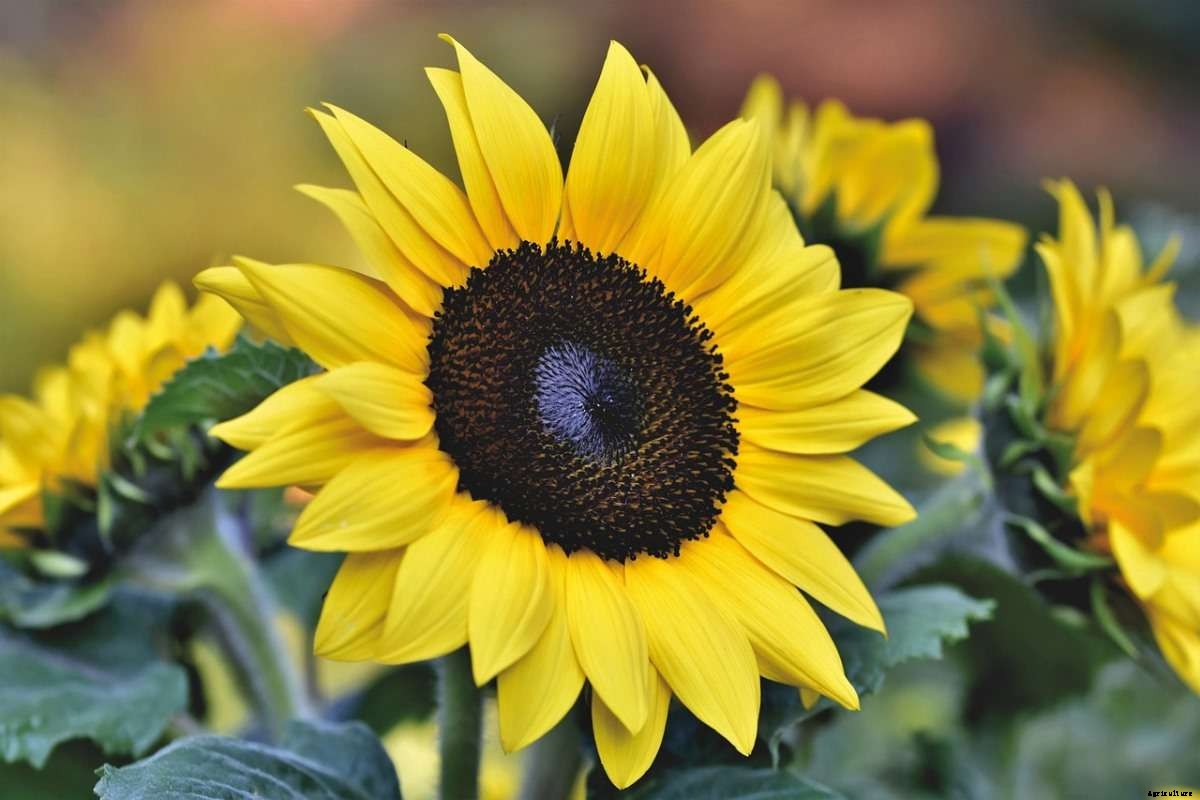
Sunflowers thrive best in temperatures between 21°C and 25°C. They are, however, heat-tolerant as long as their moisture requirements are maintained.
They also thrive when exposed to direct sunlight for six to eight hours per day. Sunflowers, on the other hand, are tall and prone to blowing over. Plant against a fence or a wall in an area protected from severe winds. Sunflowers have large roots and like to spread out, so they’re easy to care for.


