
Welcome to Modern Agriculture!

Curious whether you can cultivate fresh mushrooms from the ones you buy at the grocery store? The answer is a confident yes—just a little research, patience, and the right supplies.
Regularly buying mushrooms, whether at a supermarket or farmers market, can add to your grocery bill and often means you’ll need to purchase them more frequently because they spoil quickly. Growing them at home can cut costs and give you a continuous supply of fresh, flavorful fungi.
Most mushrooms sold in retail settings are ready to be propagated. With basic household items and a few inexpensive materials, you can clone the mycelium and produce a bountiful harvest in the comfort of your kitchen or garage.
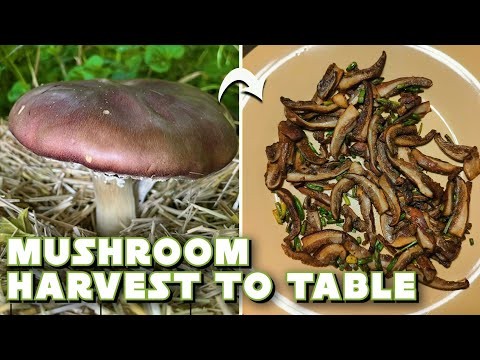
Yes, you can propagate store‑bought mushrooms at home. Oyster mushrooms, in particular, are well‑suited for beginners and can often be found in the produce aisle. The process is straightforward, affordable, and can turn a grocery‑store purchase into a small indoor farm.
Below is a step‑by‑step guide to turning your supermarket mushrooms into a thriving home garden. We’ll cover the science behind mushroom growth, the materials you’ll need, and how to preserve your harvest.
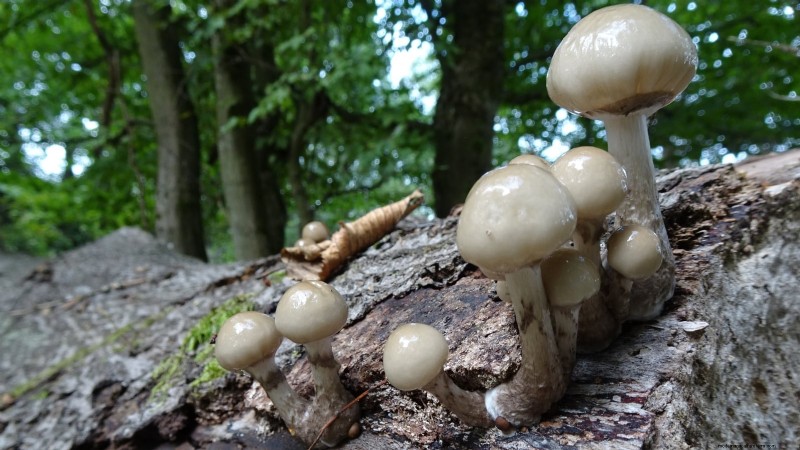
Mushrooms are the fruiting bodies of fungi. The living mycelium—an underground network of threadlike hyphae—produces these visible structures to release spores. Under optimal conditions, the spores germinate into new mycelium, allowing the fungus to expand.
When you purchase a mushroom, you already have a piece of that mycelium embedded in the stem. This tissue is the key to successful cloning.
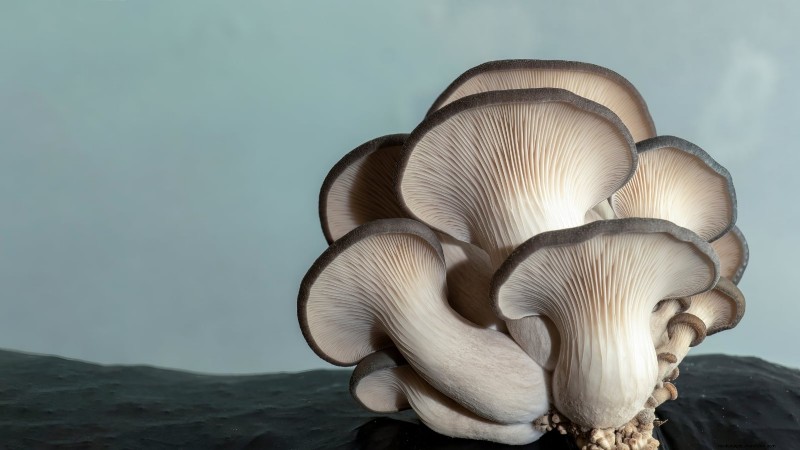
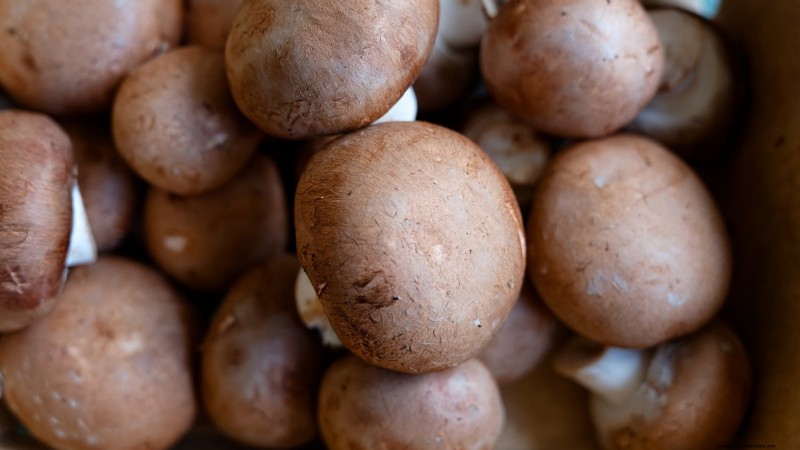
Oyster mushrooms are a popular choice for home growers because they colonize quickly and tolerate a variety of substrates. The same principles apply to other common species—button, cremini, and portobello (all Agaricus bisporus)—if the stems show visible mycelial growth.
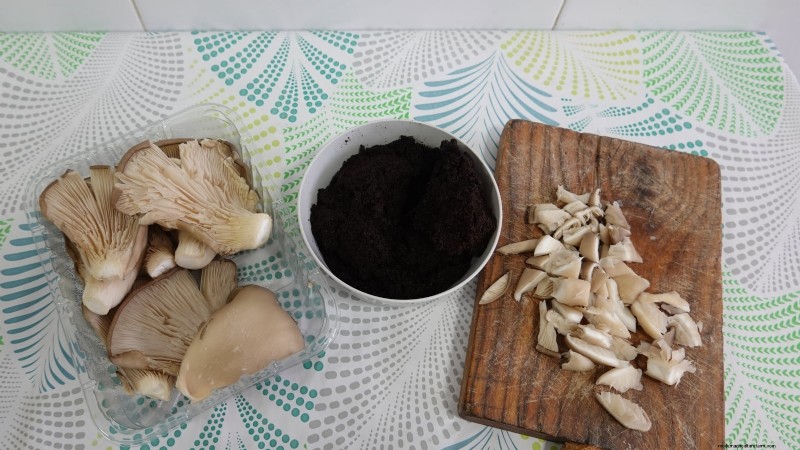
Gather the following:
Store your container in a dark, draft‑free area at a steady room temperature.
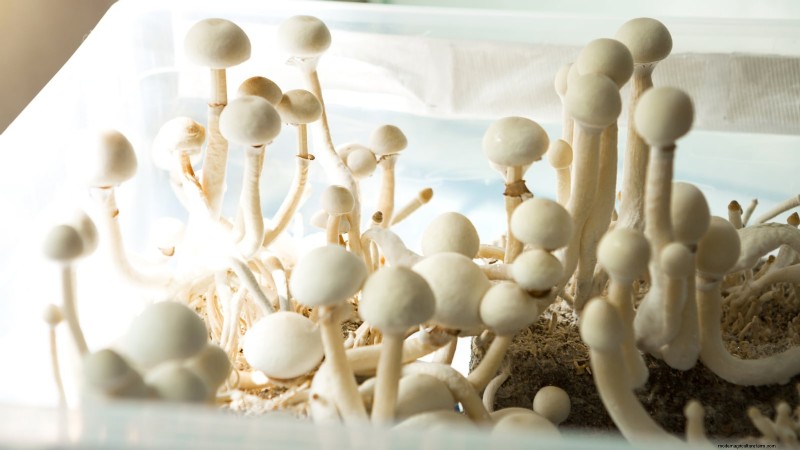
1. Sanitize the substrate. Place it on a baking sheet, cover with foil, and bake at 170 °F (77 °C) for about 3 hours. Alternatively, use a pressure cooker—boil or steam for 30–45 minutes.
2. Cool the substrate, then drain any excess moisture. Prepare a moist bed in the bottom of your container.
3. Wash your hands (or wear gloves) and clean a knife. Cut the mushroom stems into ¼‑inch pieces, discarding the caps if desired.
4. Distribute the stem pieces over the substrate and top with another damp layer.
5. Seal the container loosely with plastic wrap or a bag, puncturing small holes to allow airflow while retaining humidity.
6. Place the setup in a dark spot. Monitor moisture—mist with water if the substrate begins to dry.
7. After a few weeks, you’ll see primordia (tiny white pinning). The mushrooms will grow into full fruiting bodies over the next 1–2 weeks.
8. Harvest with a clean knife when the caps fully uncurl, usually around two inches in diameter for oysters. Harvest promptly to enjoy maximum flavor and nutrition.
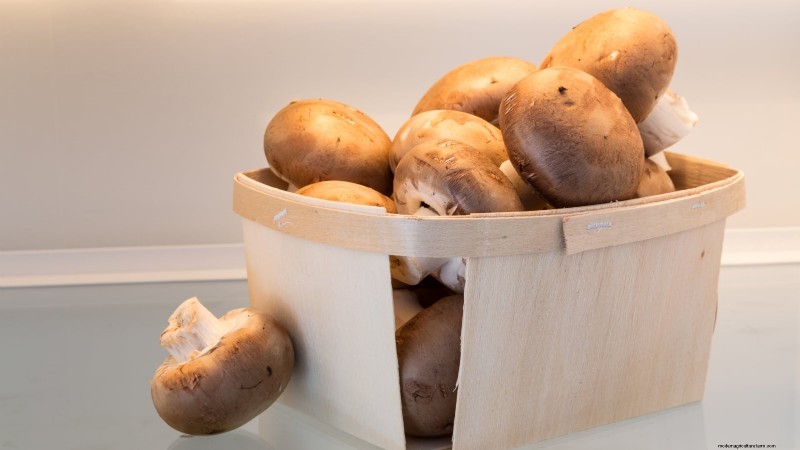
Fresh mushrooms stay good for 3–5 days in a paper bag in the refrigerator. For longer storage, dehydrate or freeze:
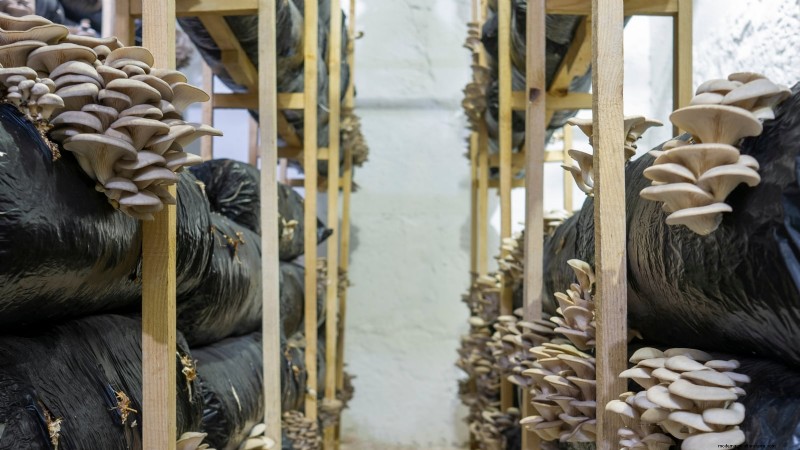
Once you master oyster propagation, you can experiment with shiitake, lion’s mane, or other species. Options include:
Research the specific requirements of your chosen species; many can be cultivated successfully at home.
Propagating store‑bought mushrooms is a low‑cost, rewarding hobby that offers fresh produce year‑round. While success isn’t guaranteed on the first try, the simplicity and affordability of the process mean you can experiment repeatedly. Over time, you’ll build confidence and expand your mushroom garden—turning supermarket staples into a personal, sustainable food source.


