
Welcome to Modern Agriculture!

Whether you’re a first‑time gardener or a seasoned 2024 veteran, a well‑managed vegetable garden brings joy, health benefits, and a bounty of fresh produce. Below, we break down nine common pitfalls and show you how to sidestep them with proven, expert‑backed strategies.
It’s tempting to throw every seed you bought into the ground, but seed packets list spacing for a reason. Planting too close can choke growth, reduce yields, and increase disease risk.
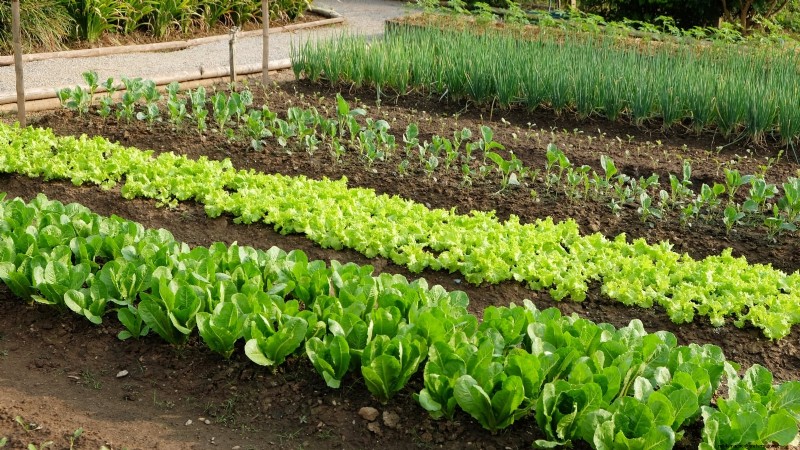
Draw a detailed map that includes bed dimensions, recommended spacing, maturity dates, crop rotation plans, pest risks, and any special needs like trellising or mulch. A sticky note for each crop—listing its spacing, light, and water needs—lets you rearrange ideas before making permanent marks.
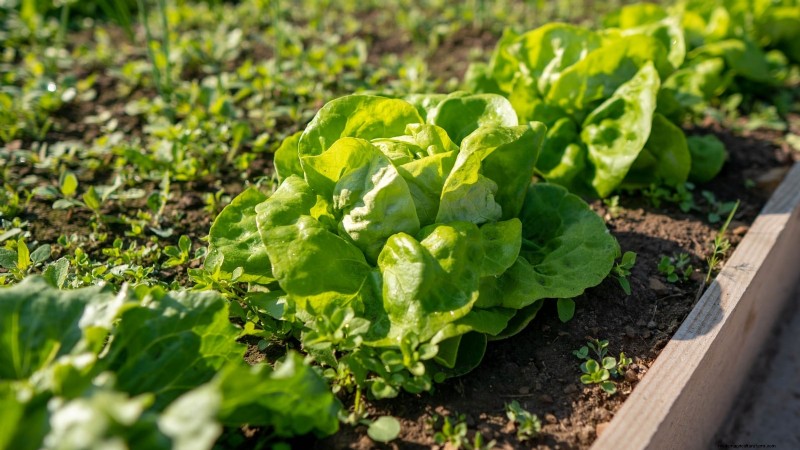
Good airflow is essential: it supplies CO₂, reduces humidity, and lowers fungal disease incidence. In greenhouses, Horizontal Air Flow (HAF) fans are the most efficient method for ventilation. Trim excess foliage from the base of plants to keep air moving.
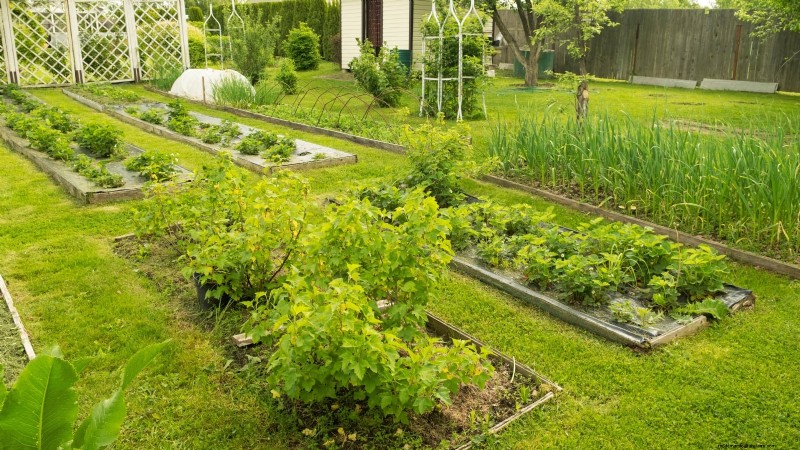
Overcommitting leads to burnout and missed care. Set realistic goals for weeding, pruning, watering, and harvesting. If certain crops consistently slip, consider pruning your crop list to focus on the varieties you love and that thrive.
In cold zones, sowing or transplanting before the last frost can doom seedlings to shock or frost damage. Even cold‑hardened greens like kale may suffer if exposed to heavy snow, sleet, or wind.
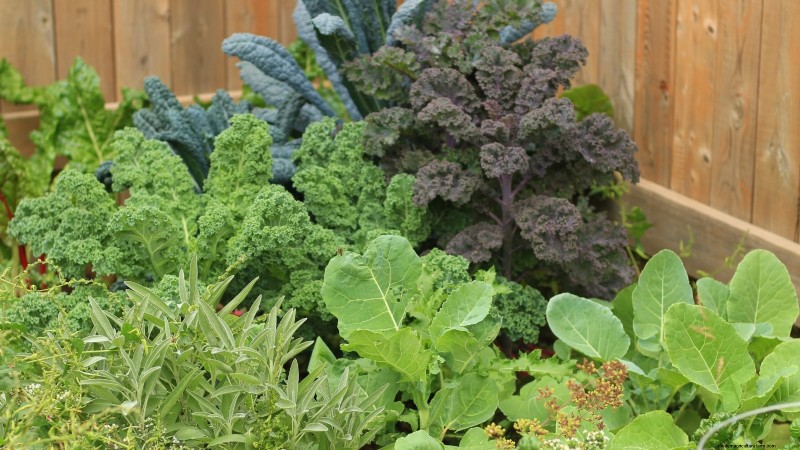
Enter your ZIP code on the National Gardening Association website to retrieve your precise last frost date. This data is vital for timing seed starts and transplants. Work backward from each crop’s days to maturity to determine optimal sowing and transplant windows.
Hardiness zones, based on average low temperatures, guide which plants will survive your climate. The USDA map was updated in 2023, so verify your zone before buying seeds.
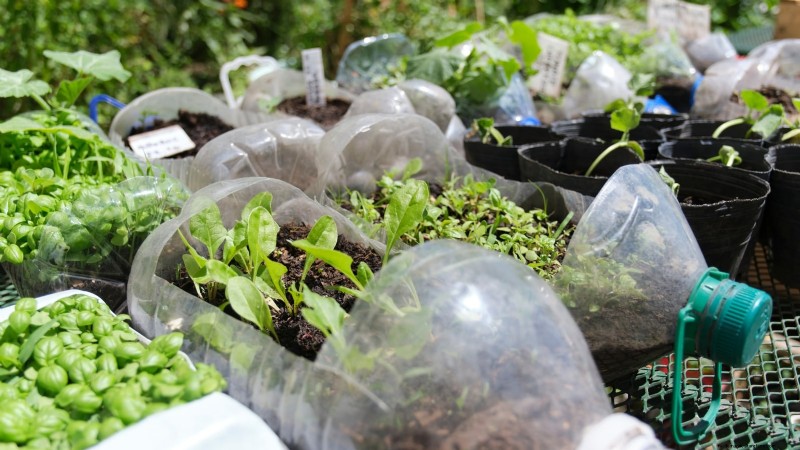
For example, in zone 3b, avoid planting tomatoes after April. In zone 8b, late July broccoli will bolt quickly. Start heat‑loving crops indoors early, then transplant after the last frost. In colder regions, seek varieties labeled frost‑tolerant; in hot regions, choose heat‑resistant types and provide shade when needed.
Weeds compete for nutrients, water, and light, and can harbor pests and diseases that threaten your crops.
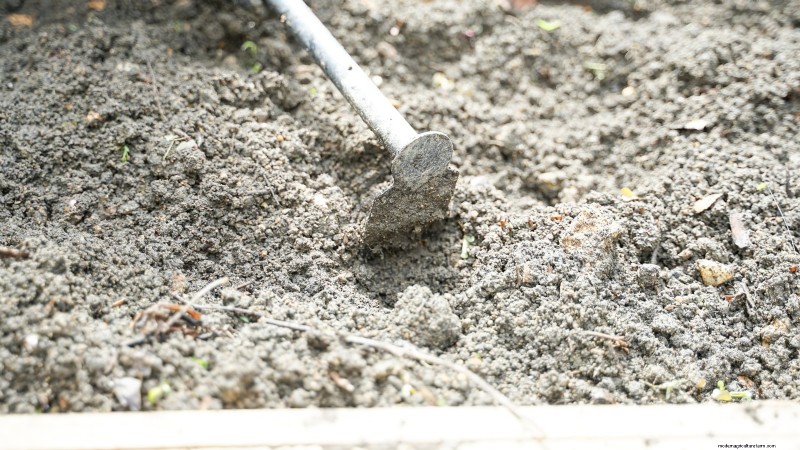
Cover the soil with clear plastic (solarization) or black tarps (occultation) for 4–6 weeks. The heat kills weed seeds while preserving soil structure. After removing the cover, gently rake, amend, and shape your bed. Rotate treated areas annually to keep weed pressure low.
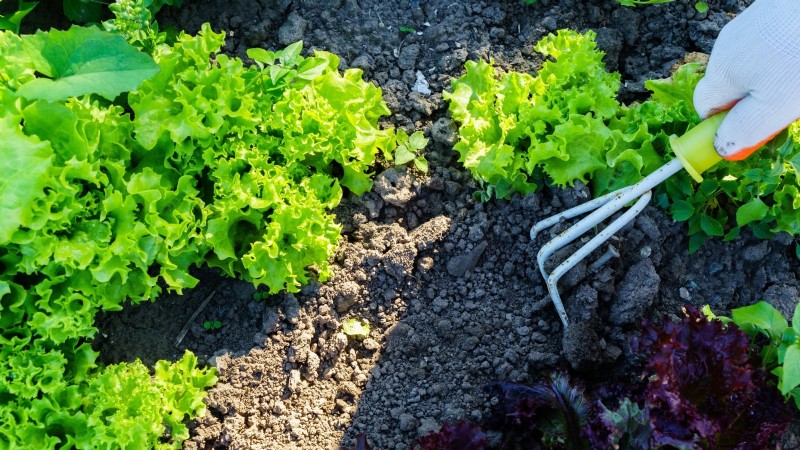
Incorporate weeding into your weekly routine. Light cultivation with a wire weeder keeps weeds shallow and propels them to the surface. Mandate mandatory debris removal to prevent re‑rooting.
Sunlight is the primary energy source for photosynthesis. Even brassicas, which tolerate partial shade, perform better with full sun.
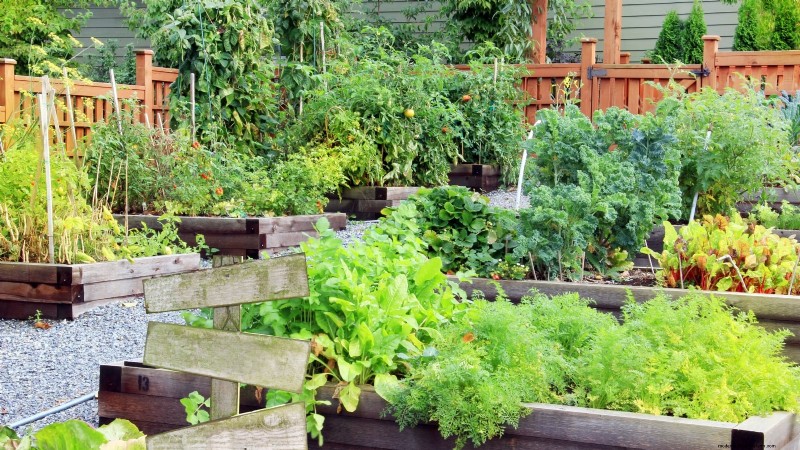
Plot Swiss chard, kale, and spinach in areas receiving 3–4 hours of sun; carrots and potatoes need 5–6 hours; tomatoes, peppers, and squash require 7–8 hours. If indoor seedlings lack light, consider grow lights or a grow rack with adjustable LEDs.
Excess moisture leads to root rot, damping off, and increased pest susceptibility.
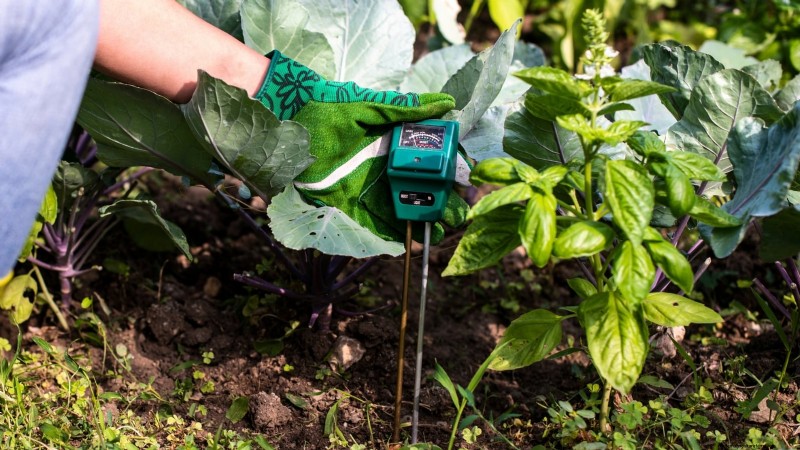
Check soil at knuckle depth before watering. A moisture meter provides objective data. After sufficient rainfall, skip irrigation until the soil dries slightly. Keep soil consistently moist but never soggy.
Inadequate water stresses seedlings, leads to poor germination, and weak root systems.
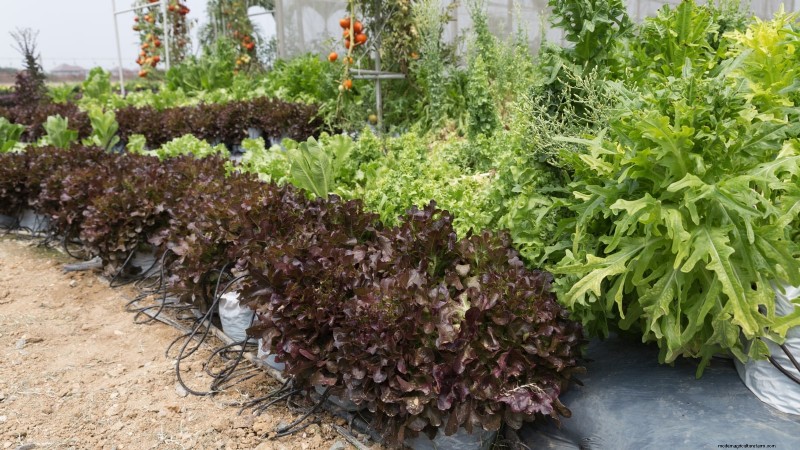
Place drip lines at the base of each plant to deliver water directly to the root zone, reducing evaporation and encouraging deep root growth. Regularly inspect and clean filters to maintain system efficiency. Watch this guide.
Without proper support, many vegetable plants can become leggy or fall over. Pests and diseases thrive in unmanaged environments.
Healthy soil is the foundation of a productive garden. Poor soil structure, low fertility, and incorrect pH can cripple plant growth.
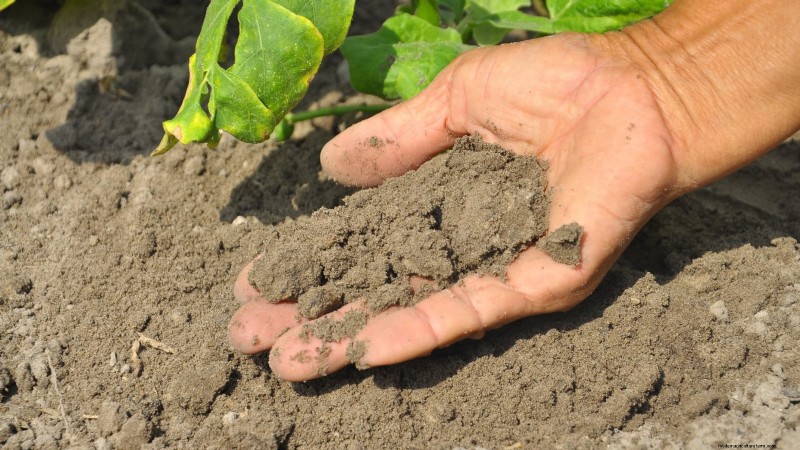
Contact your local extension or university for soil testing protocols. A test will reveal soil type, NPK levels, and pH. If you prefer a DIY route, the Epic Gardening soil kit offers reliable at‑home testing.
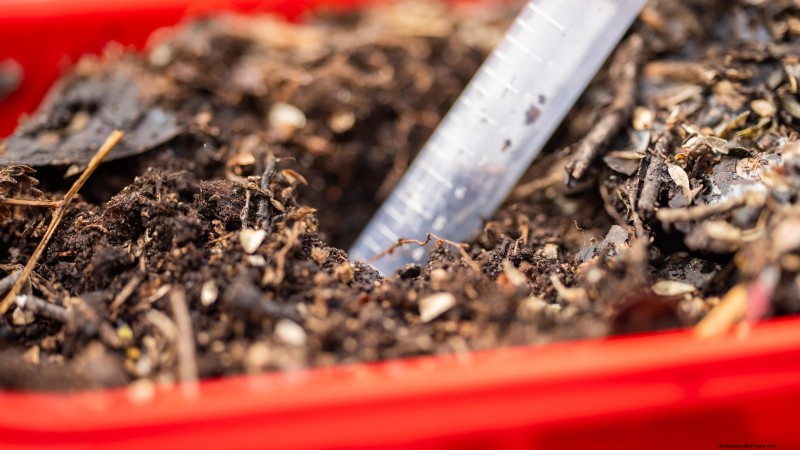
Broad forking, cover cropping, and minimal tillage aerate compacted soil, enhance drainage, and promote beneficial microbes. Over time, you’ll see increased earthworm activity, better drainage, and healthier plants.
By avoiding these nine common mistakes, you’ll set the stage for a thriving, productive vegetable garden in 2024. Plan ahead, stay observant, and enjoy the bounty your garden produces.


