
Welcome to Modern Agriculture!

In the chill of winter, there’s nothing quite like a fresh lime from your own tree. While supermarket limes are convenient, cultivating a dwarf lime tree at home offers a richer experience and a constant supply of citrus flavor.
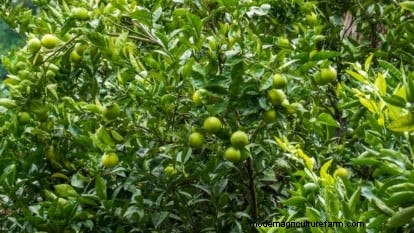
Dwarf lime trees are compact, typically staying under ten feet tall, and thrive best in full‑sun exposure. They’re ideal for container growing, making them a versatile indoor or patio plant for any home.
Key Facts
Unlike a specific variety, a dwarf lime tree is any lime cultivar grafted onto a dwarfing rootstock. The rootstock controls size and disease resistance, while the scion determines fruit characteristics. Common options include dwarf key, makrut, and Persian limes.
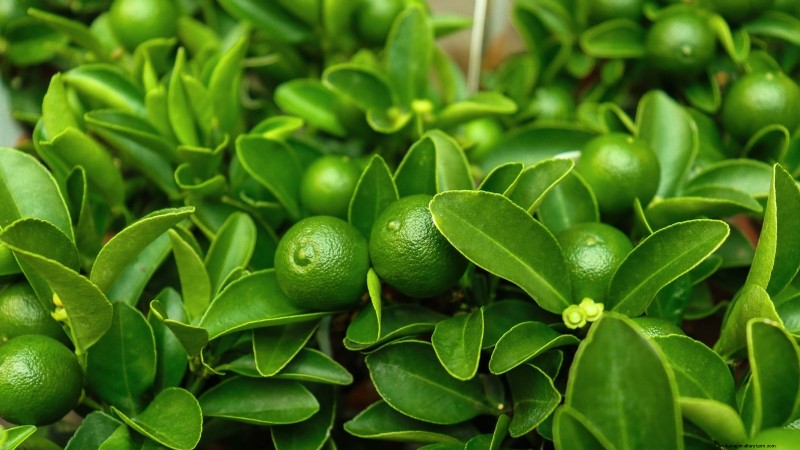
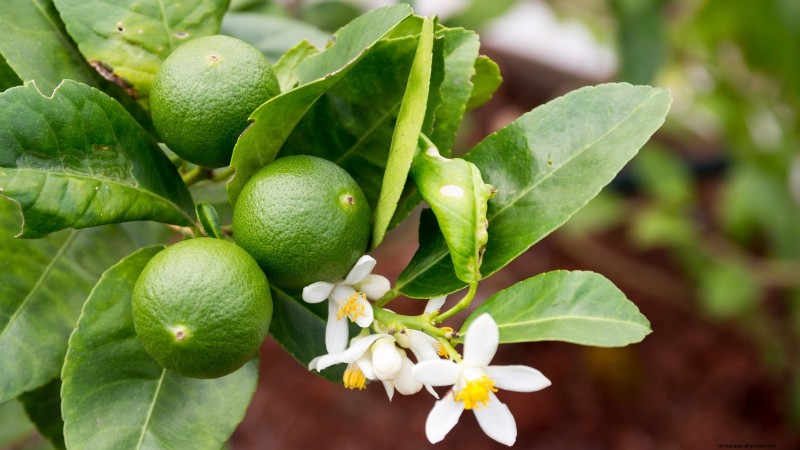
These evergreen trees retain foliage year‑round and produce small white flowers in spring that develop into golf‑ball‑sized fruits. Harvest typically occurs from early fall through winter when the fruit turns green to yellow.
Originating in Southeast Asia, dwarf limes prefer warm, tropical climates but adapt well to indoor conditions when provided with adequate light and moisture.
Depending on your climate, you can plant a dwarf lime outdoors or grow it in a movable container. Starting with a healthy seedling is best for both options.
In zones 8b and warmer, you can plant outdoors year‑round, protecting the tree during brief cold snaps. Ideal planting time is late winter or early spring after the last frost.
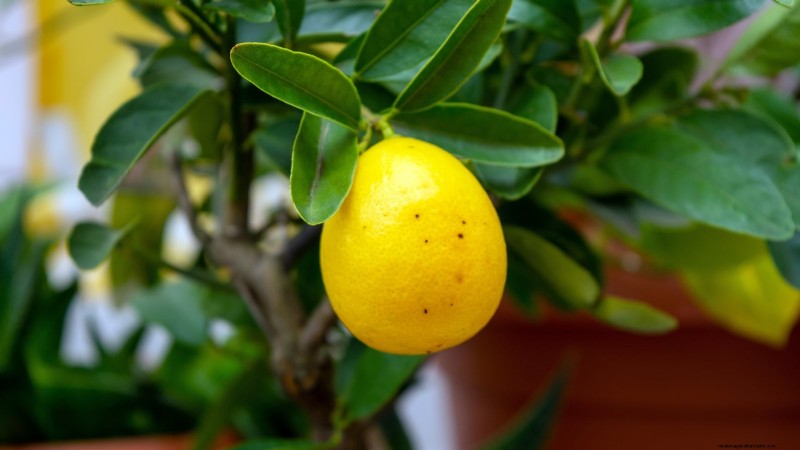
Container growth lets you move the tree indoors during winter. Choose a pot with drainage holes and a capacity at least 18 inches wide after the first few years. Terra cotta, plastic, or lightweight metal are all suitable.
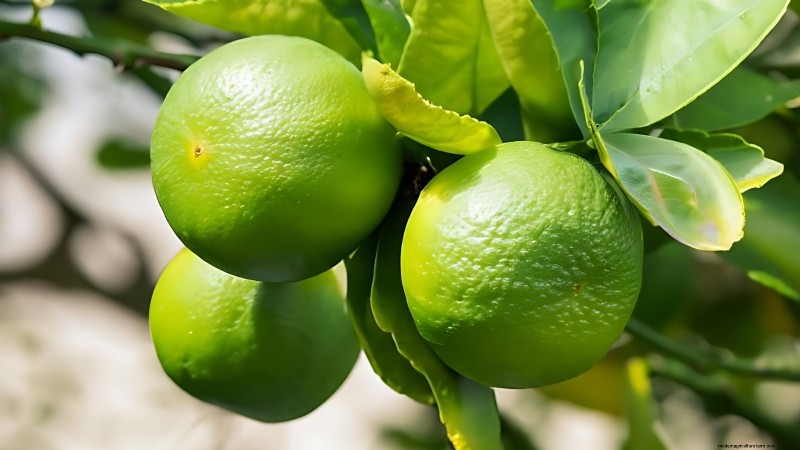
Provide 12 hours of direct sun in summer and 8–10 hours in winter. If natural light is insufficient, use full‑spectrum grow lights.
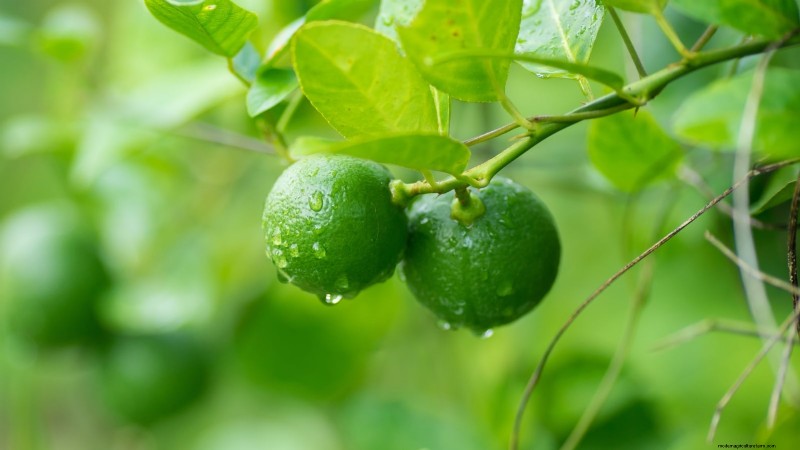
Water deeply when the top 2–3 in of soil dry out, allowing runoff from the pot. Reduce frequency in winter when the tree’s water demand drops.
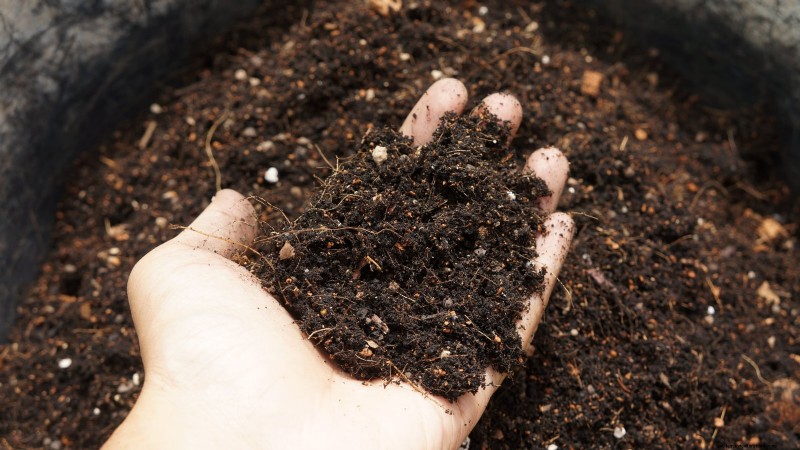
Use a citrus‑specific mix: 5 parts pine bark fines, 1 part perlite, 1 part finished compost. Repot every 3–4 years to maintain drainage.
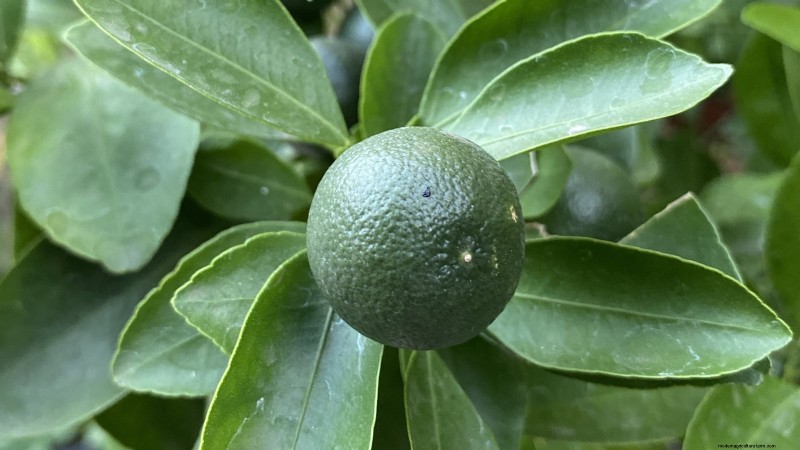
Maintain 60–80 °F. Avoid prolonged exposure below 50 °F; below‑freezing temperatures can kill the tree. Supplement with a humidifier or mist during dry winter air.
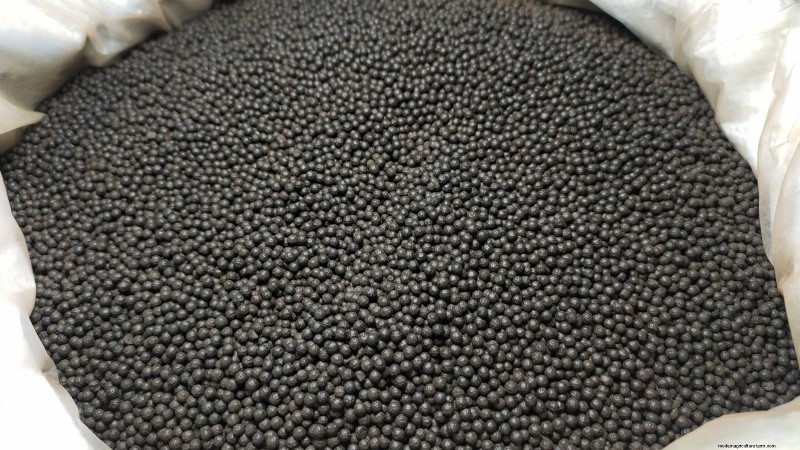
Young trees benefit from a balanced 8–8–8 or 10–10–10 fertilizer. Once fruiting begins, switch to a citrus formula (lower phosphorus). Apply in January, March, and May; skip late summer/fall to avoid cold‑sensitive new growth.
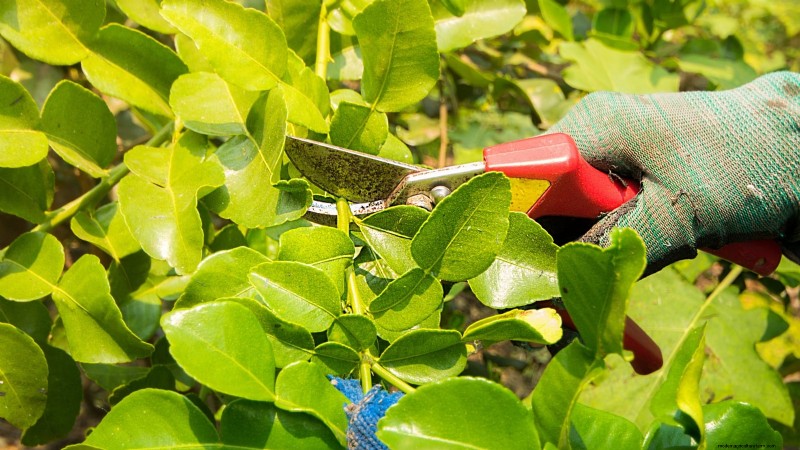
Prune annually in late winter to remove dead or crossing branches and shape the canopy. A healthy structure promotes fruit set and air circulation.
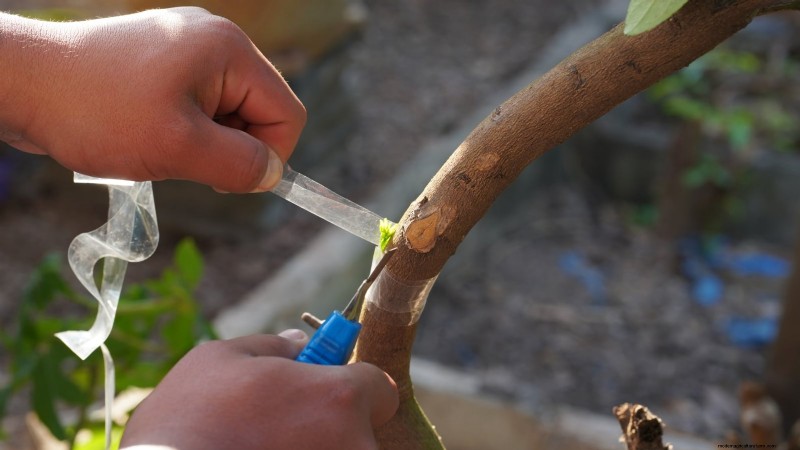
Professional growers use bud grafting to combine a desirable scion with a dwarf rootstock. Hobbyists can attempt this with clean tools and active rootstock.
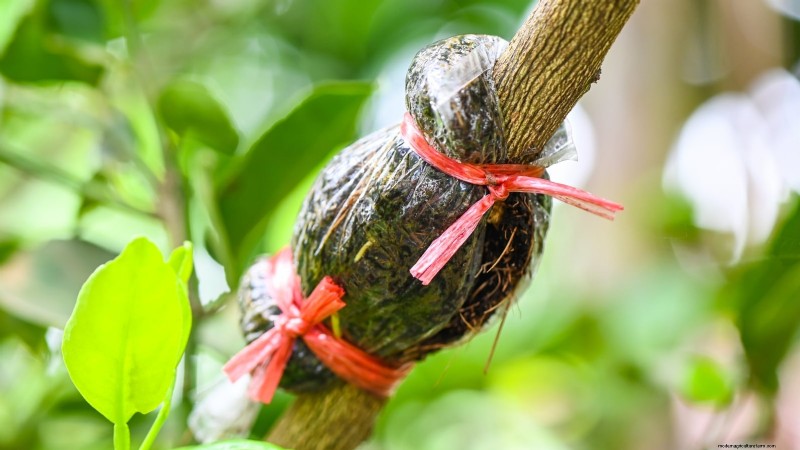
During late spring to early fall, excise a bud, make precise cuts on the rootstock, and insert the bud. Wrap with grafting tape until the union heals. Two common techniques are chip‑budding and T‑budding.
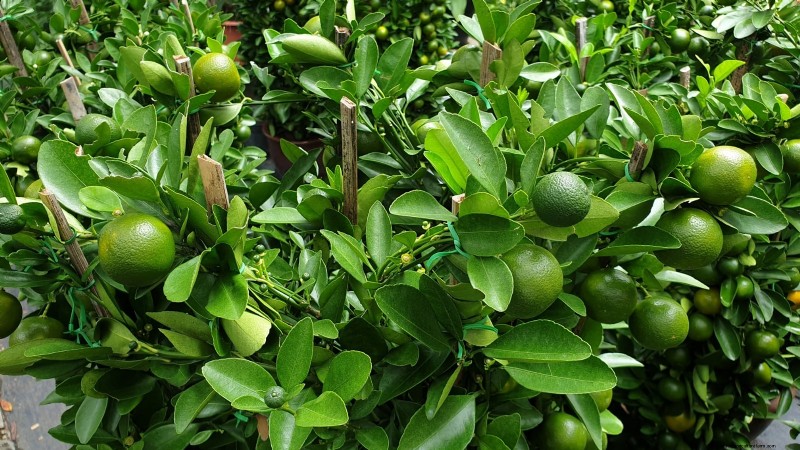
Limes are ready when they shift from green to yellowish. Store in a cool, dry refrigerator space to extend shelf life; otherwise, keep at room temperature for up to a week.
Cold sensitivity is the biggest challenge, but pests and diseases also affect dwarf limes. Watch for the following.
Aphids, spider mites, mealybugs, and scale thrive on citrus. Use soapy water or neem oil to control infestations. Beneficial insects like ladybugs can provide natural pest suppression.
Leafminer tunnels are usually harmless to home trees. Natural predators often keep them in check, so treatment is rarely needed.
Phytophthora root rot and sooty mold are the most common concerns.
Dwarf lime trees bring mandarin‑savvy self‑pollinating fruit right into your living space. With the right light, soil, and care, you’ll enjoy fragrant blossoms and citrus bounty for years.


