
Welcome to Modern Agriculture!

Growing carrots can feel like a high‑stakes challenge—patchy germination, thin roots, aggressive weeds, and low yields often leave gardeners frustrated. Yet, with a few expert‑backed practices, anyone can coax out tender, sweet carrots that outshine store‑bought varieties. This guide distills 13 reliable tactics that guarantee a bountiful harvest, no matter your experience level.
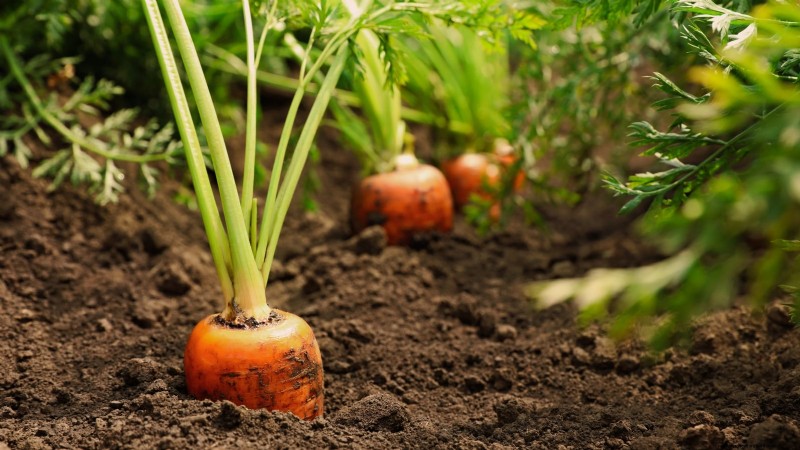
Carrots thrive when their soil is loose, consistently moist, and free of compaction. Before planting, use a broad or digging fork to aerate the top 10 inches of soil. Seed in the spring or fall when temperatures hover between 45–80°F (7–27°C) and maintain steady moisture—dryness at any point during germination can kill seedlings.
Patience is essential. Thin seedlings to 1–2 inches apart shortly after emergence. Sweetest roots develop under mild days and cool nights, and full‑sun exposure encourages vigorous growth.
Don’t let carrot cultivation discourage you. Many growers overestimate the crop’s difficulty, but the solutions are simpler than you might think.
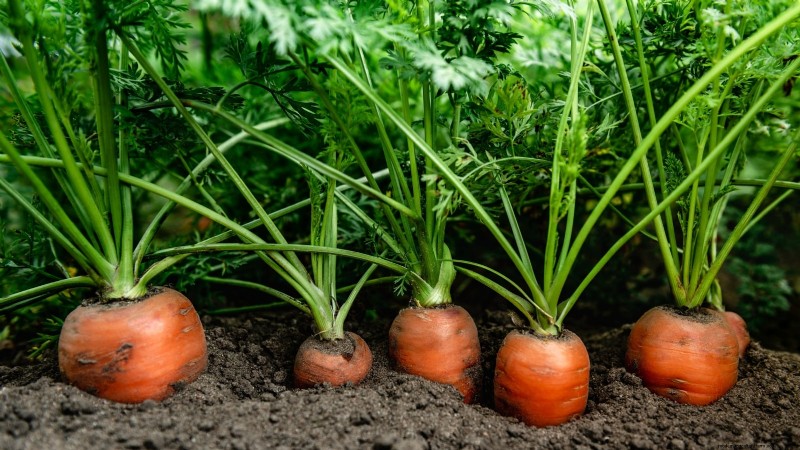
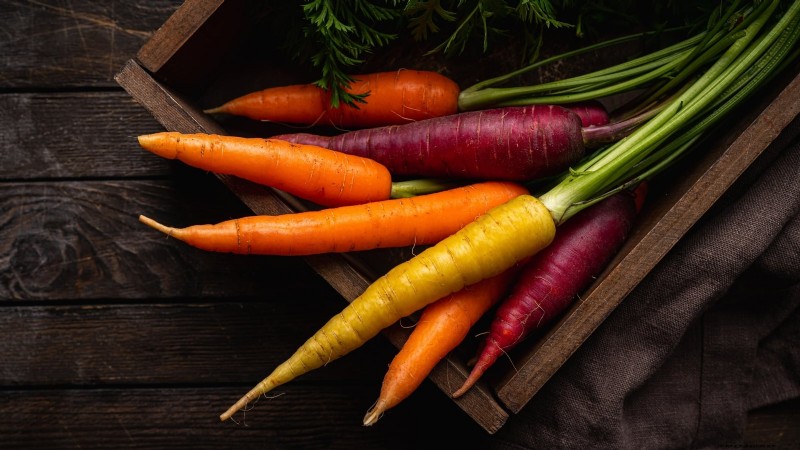
Variety selection is the cornerstone of a successful carrot crop. Different cultivars excel at distinct uses—baby carrots, stew roots, or long‑term storage—and offer varying flavor profiles. Grocery‑store carrots are often bred for yield, not taste, whereas heirloom varieties deliver superior flavor at the expense of yield. Garden hybrids strike a balance between the two.
Because carrots are cool‑season crops, testing a handful of varieties across spring and fall planting dates will reveal which performs best in your climate and meets your culinary preferences.
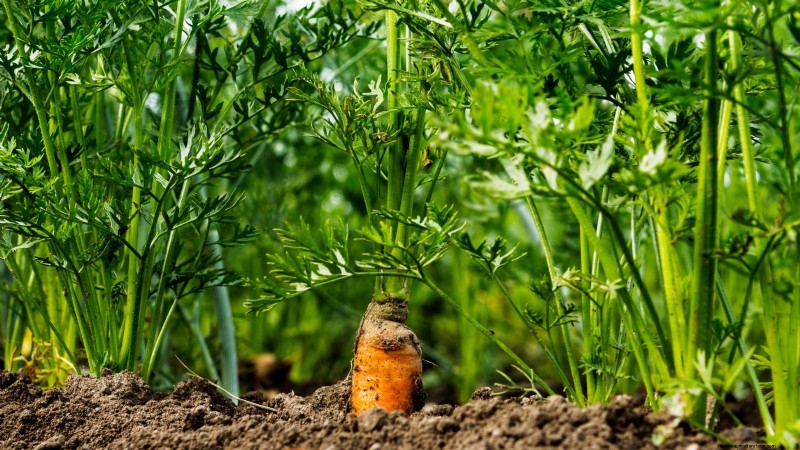
Spring cultivars mature quickly, offering sweet, tender roots ideal for snacking. Fall varieties take longer, develop thicker skins, and store well for stews, roasts, and canning.
Match the cultivar to your intended use: choose a spring‑bred, fresh‑eating type for crisp, juicy carrots, or a fall‑bred, storage‑ready type for longer shelf life.
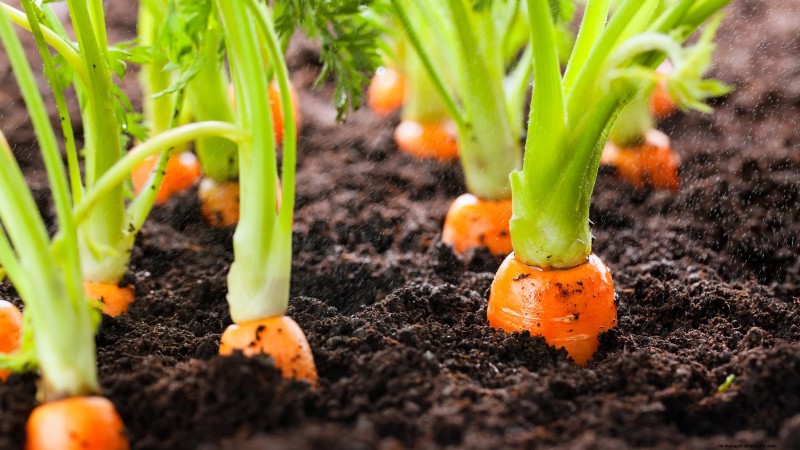
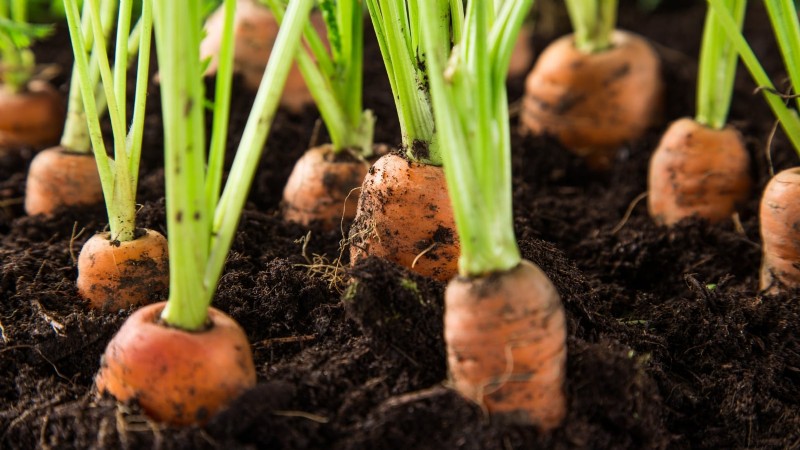
Compact soil forces carrots into stubby, misshapen roots. Amend beds with compost and loosen the top 6 inches with a broad or digging fork. Loose, well‑aerated soil promotes straight, robust taproots and supports a diverse microbiome.
In shallow beds or heavy clay, try a rounded variety like Tonda di Parigi, which behaves more like a radish but tastes like a classic carrot.
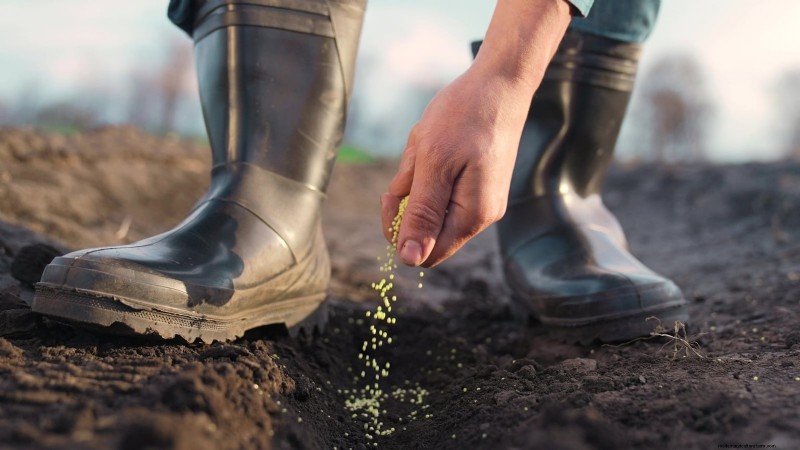
Plant 2–4 weeks before your region’s last spring frost. Ideal germination occurs at soil temperatures of 45–85°F (7–29°C). A clear or black tarp can warm the soil early in spring.
Direct sowing is preferred because transplanting taproots is disruptive. For fall plantings, sow at least 10 weeks before the first frost to allow roots to sweeten under cold nights. Avoid leaving carrots in the ground after hard frosts to prevent damage.
Succession planting—every 2 weeks in spring, every 3 weeks in late summer—ensures a steady supply of carrots throughout the season.
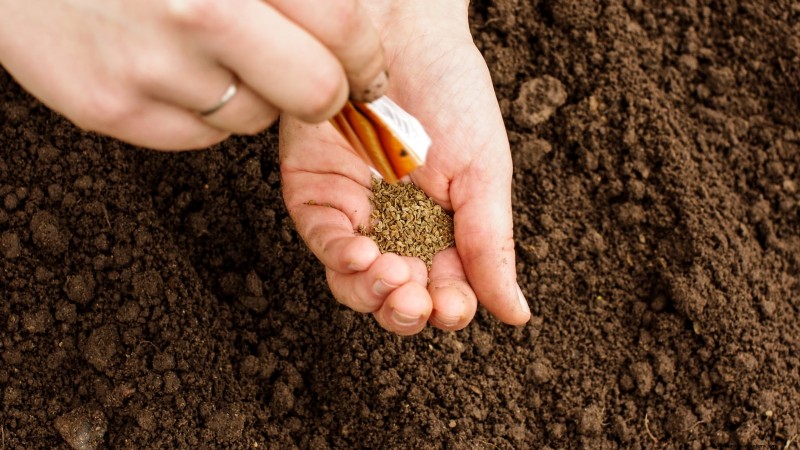
Carrot seeds are tiny; bury them no deeper than ¼″. Lightly press the seeds into the soil and cover with a fine layer of compost or vermiculite to keep them in place.
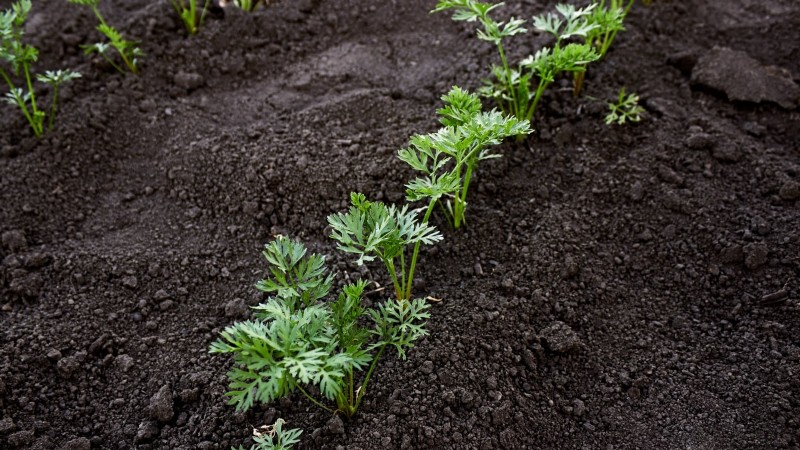
Space most varieties 1 inch apart and 6 inches between rows. Larger roots benefit from 2–3 inches of space. Over‑seeding followed by thinning is preferable to under‑seeding.

Drip irrigation works well after germination, but freshly sown seeds need overhead watering. Use a sprinkler or fan‑nozzle hose to evenly moisten the surface without displacing seeds.
Daily, thorough watering prevents surface drying and supports steady seed development.
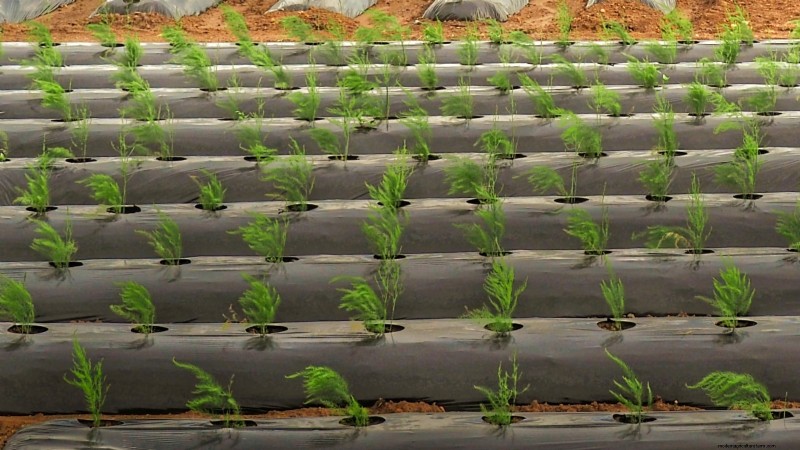
Row cover raises soil temperature and retains moisture during germination. Lay a light weave over the bed, secure it with stones or sandbags, and lift one edge before watering to avoid shallow wetting.
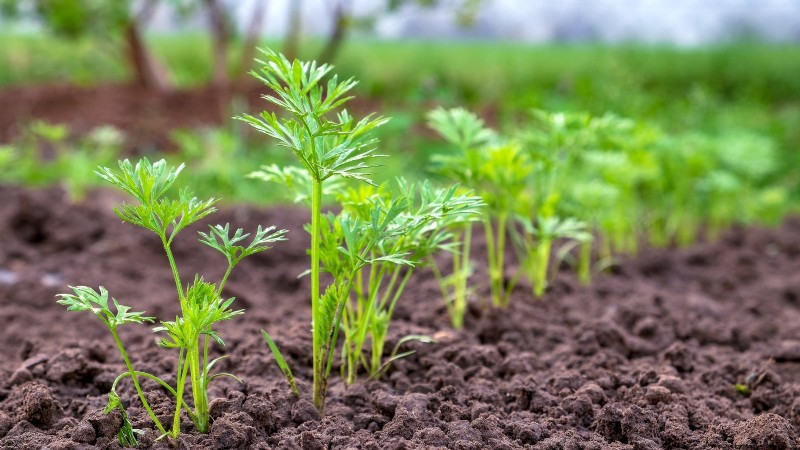
Carrot seeds can take 14–25 days to germinate. Check soil moisture daily—feel a 3‑inch depth to ensure it’s damp but not soggy. A single dry day can kill seedlings.
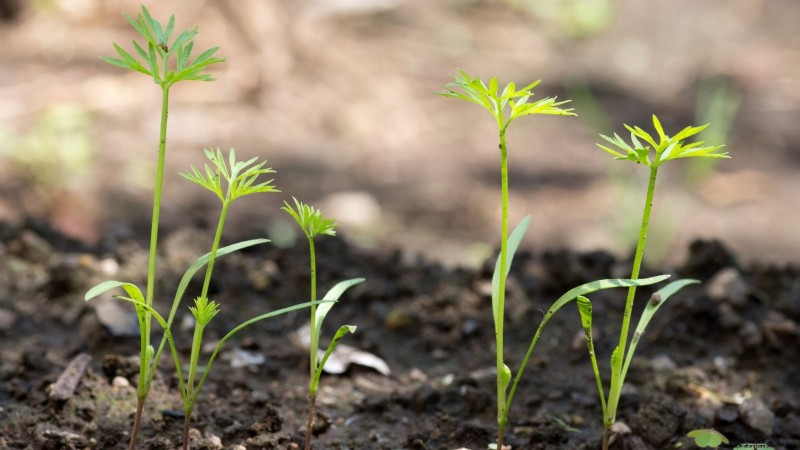
The stale seedbed method pre‑germinates weeds, allowing you to remove them before carrots emerge. Seed a few radish seeds at the bed’s edge; when radishes appear, kill nearby weeds with a flame weeder or cardboard. This simple timing trick keeps carrot seedlings clear of competition.
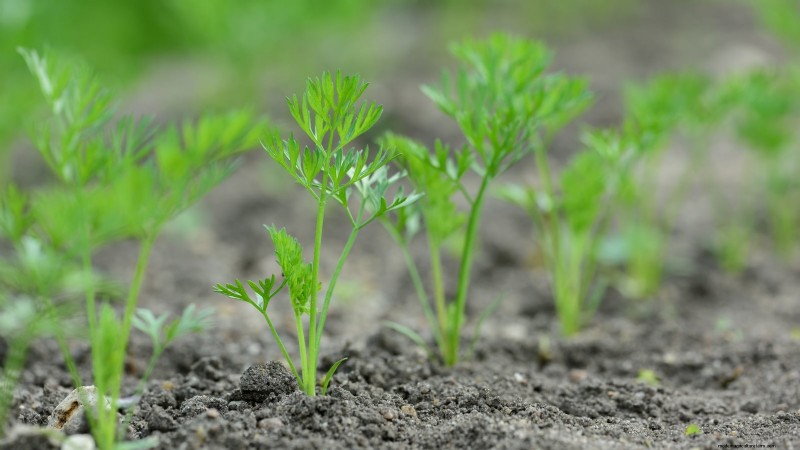
After germination, thin seedlings to 1 inch apart using sharp shears or by gently pulling out excess plants. Early thinning gives roots room to grow, preventing thin, toothpick‑like carrots.
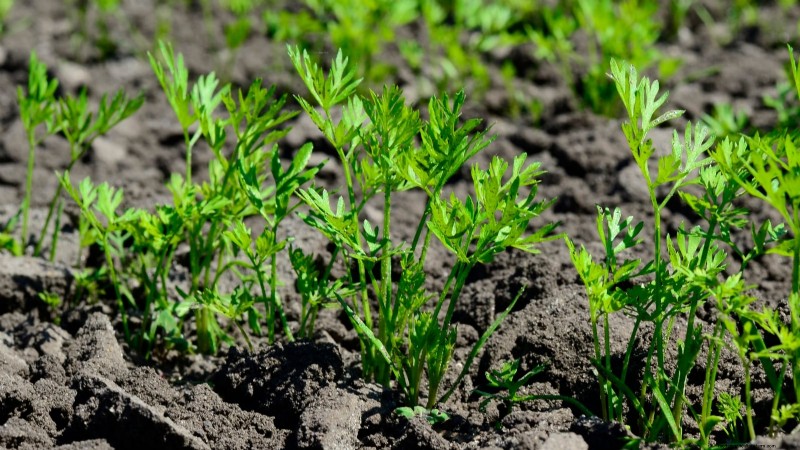
After seedlings establish, drip irrigation and fine mulch (shredded leaves or straw) maintain soil moisture and reduce temperature swings, preserving flavor and texture.
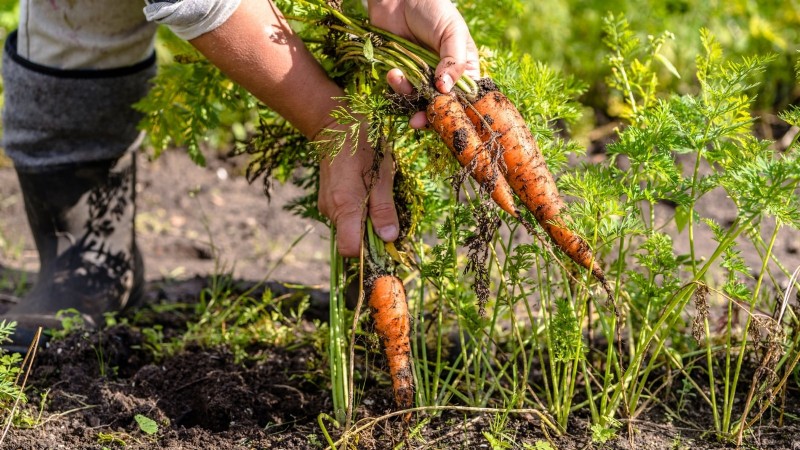
When greens reach 12 inches and carrot shoulders peek above the soil, test maturity. Use a broad fork to lift the root, then gently twist to pull it free without snapping the top.
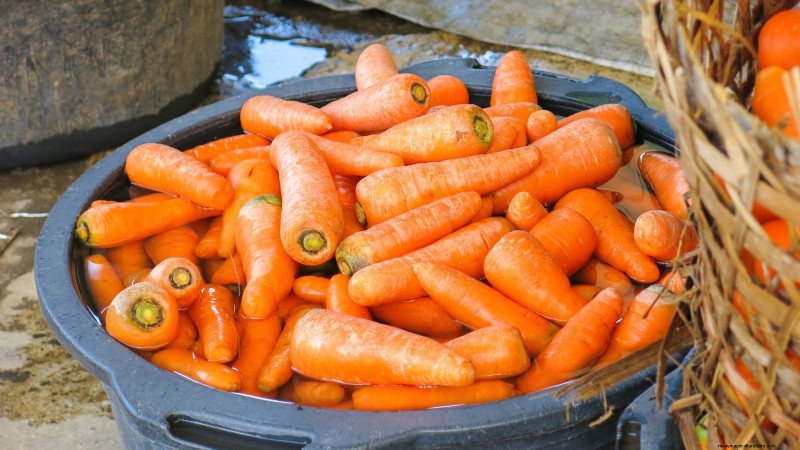
For refrigerator storage, trim greens immediately after harvest and rinse roots. Tops draw moisture from the root, causing wilting.
Success in carrot growing hinges on front‑loading care: loosen soil, plant seeds shallowly, keep them consistently moist, and thin early. By following these 13 proven steps, you’ll avoid skinny, spindly roots and instead enjoy robust, flavorful carrots ready for the table—or the pantry.


