
Welcome to Modern Agriculture!

Although tomato plants are a favorite crop for many home gardeners, they can be notoriously finicky. Over the past decade of cultivating tomatoes, I’ve seen seedlings that never reach their full height and mature plants that suddenly stall. Below, I share nine evidence‑based reasons your tomato plants might be stunted and actionable steps to restore vigor.
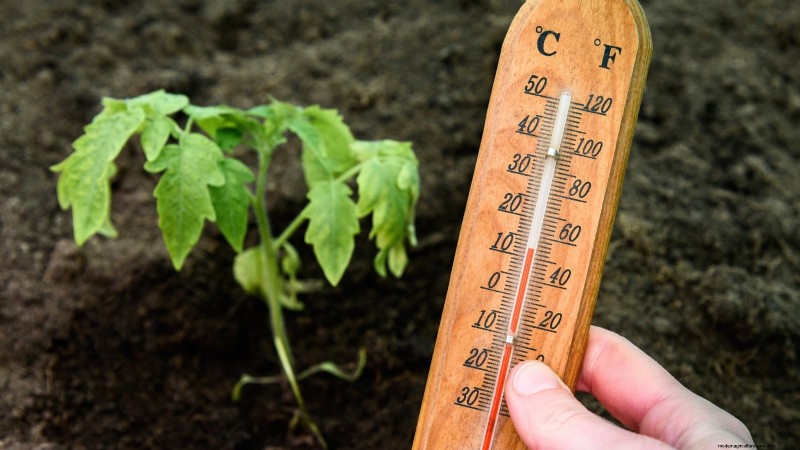
Springtime optimism often leads us to transplant seedlings before the soil has truly warmed. While lettuce and kale tolerate cooler soil, tomato seedlings require daytime temperatures consistently above 50°F (10°C) and nighttime temperatures above 50°F as well. Even if daytime highs reach the 70s or 80s, a nighttime dip into the 40s (~4°C) can halt growth. The USDA advises waiting until outdoor nights are above 50°F before planting tomatoes outdoors. If you’re using a high tunnel or greenhouse, use the internal temperatures to guide your decision.
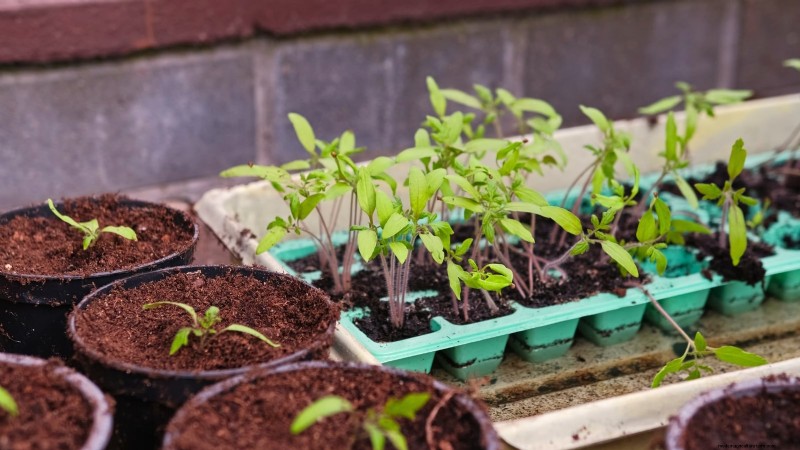
Rootbound seedlings are a frequent culprit behind stunted growth. When roots outgrow a pot, they begin to circle the edges, limiting water and nutrient uptake. Early signs include sudden yellowing or a plateau in leaf expansion. The remedy is simple: transplant or up‑pot seedlings within 2–4 weeks of noticing rootbound symptoms. This gives the roots space to spread and the above‑ground plant a chance to resume robust growth.
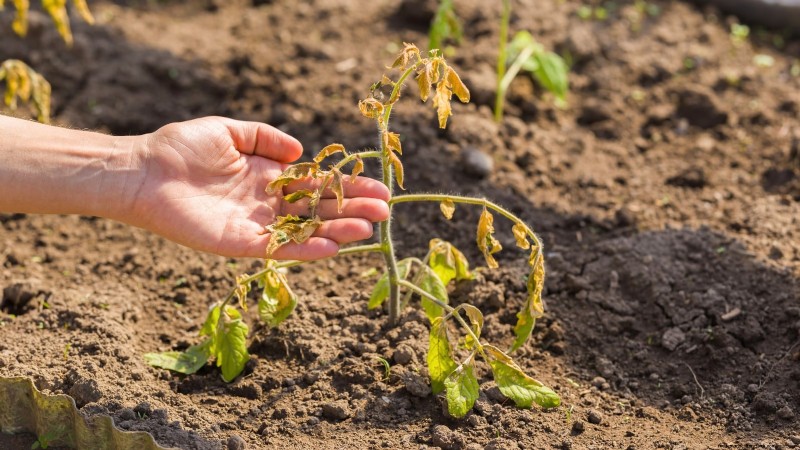
Tomatoes, like humans, acclimate to their environment. A rapid shift from warm to cold, or vice‑versa, can shock the plant’s metabolism and temporarily slow growth. This includes moving seedlings from indoors to the garden. Hardening off—gradually increasing outdoor exposure over a week—reduces this stress. A plant that has spent a full 24 hours outside is ready for transplanting. If hardening off isn’t possible, place seedlings in pots outside for a few days before planting.
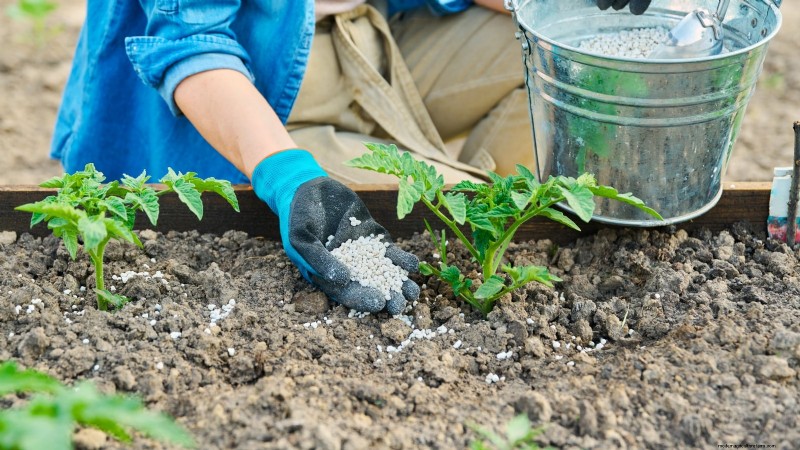
Tomatoes are obligate obligate feeders, demanding steady levels of nitrogen, phosphorus, potassium, and micronutrients. Imperfect prop or native soils can leave critical gaps, especially in coco coir or sandy mixes. Notable deficiency symptoms include: mild yellowing of older leaves, thin stems, and spindly growth; chlorosis of leaf margins with green veins; small, dark‑green leaves; blossom‑end rot; and leaf curling. A comprehensive soil test or a balanced tomato fertilizer (e.g., 8-3-4 or 5-10-10) applied according to label instructions can correct most deficiencies. Avoid over‑fertilizing, which can lead to “fertilizer burn” and further stress.
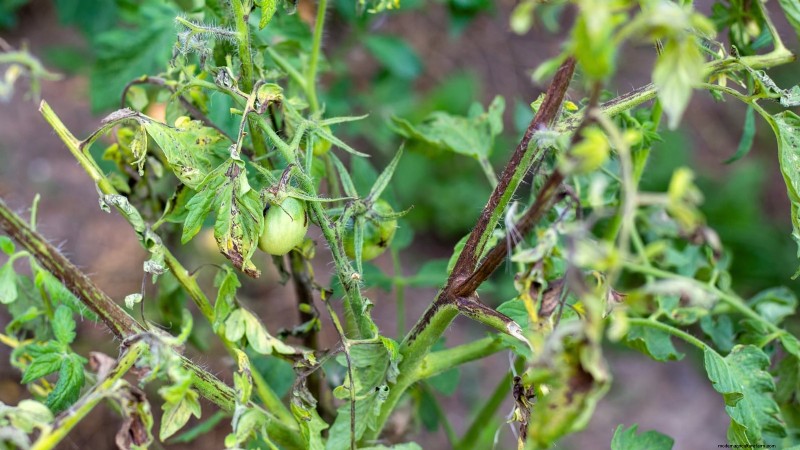
Root rot—caused by obligate fungal pathogens thriving in overly wet conditions—results in limp, grayish roots and impaired nutrient uptake. Prevention is key: water at the base of the plant, keep soil evenly moist but not saturated, and avoid planting tomatoes in fields previously affected by root rot. If symptoms appear, reduce watering, improve drainage, and consider a root‑friendly fungicide.
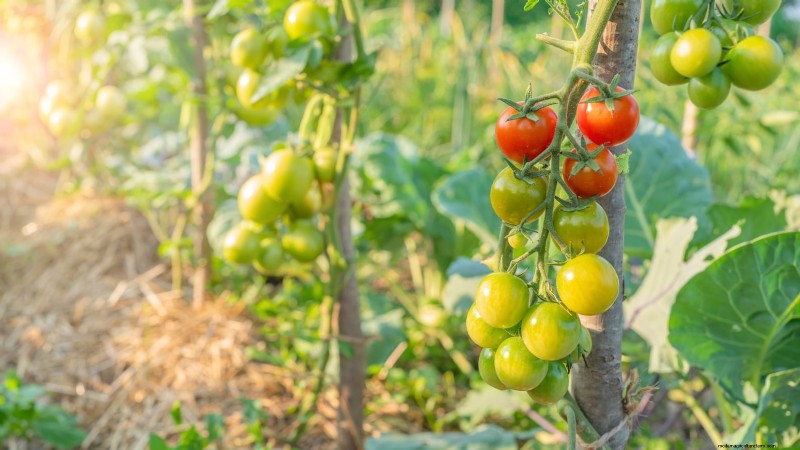
Tomatoes demand full sun—ideally 10–12 hours of direct light per day. Partial shade or excessive dappled light leads to elongated, weak stems and poor fruit set. Indoor seedlings under grow lights should have the lights positioned just a few inches above the foliage to avoid “leggy” growth. Consistent, adequate light ensures proper photosynthesis and robust plant development.
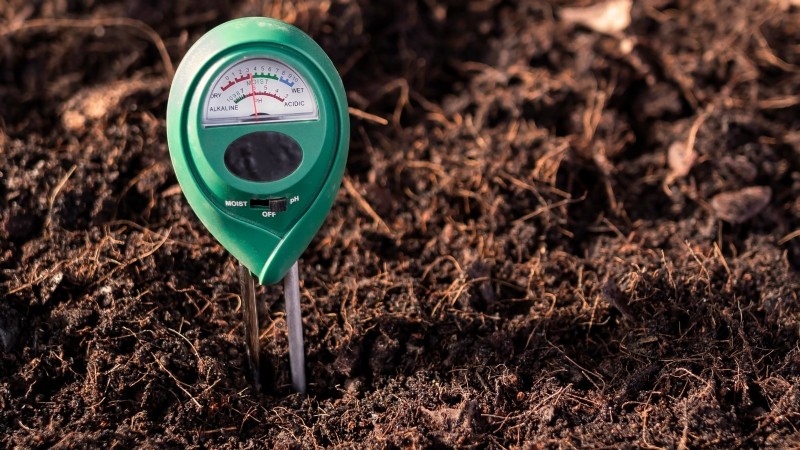
Even nutrient‑rich soils can lock nutrients if the pH is off target. Tomatoes thrive in a slightly acidic to neutral pH of 6.0–7.0. Soil below 5.5 or above 7.5 limits iron, calcium, and other micronutrients, leading to chlorosis and stunted growth. Test soil a year before planting; adjust with lime (to raise pH) or elemental sulfur (to lower pH). If time is short, blend a pH‑adjusted potting mix into the planting site.
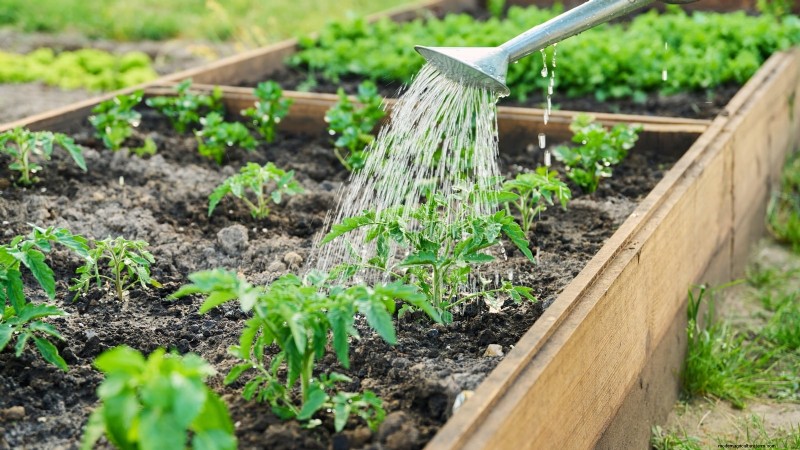
Inconsistent moisture restricts photosynthesis, resulting in weakened plants. Aim for moist, not soggy, soil: water deeply a few times a week, especially during dry spells. Drip irrigation with a timer can maintain steady moisture and free up your time.
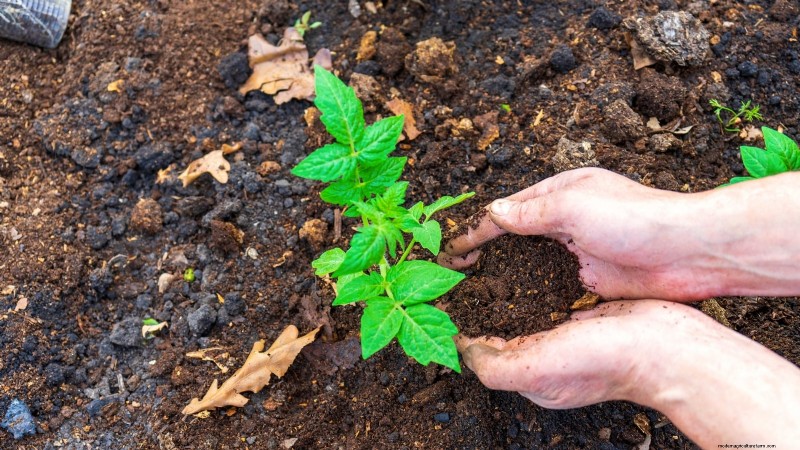
Beyond nutrients, soil texture matters. Compact soil impedes drainage and root aeration, while overly dense or poorly aerated soils can promote root rot. Ensure the soil is loose and crumbly; incorporate well‑decomposed compost to improve structure. Avoid adding fresh, high‑carbon compost that temporarily ties up nitrogen—use fully composted material or supplement with a nitrogen source like blood meal if needed.
By pinpointing which of these nine factors applies to your tomatoes, you can address the underlying issue and prevent future stunting. Regular observation, soil testing, and consistent care are the cornerstones of a thriving tomato crop.


