
Welcome to Modern Agriculture!

Heirloom vegetables embody the legacy of traditional crops, preserved not only for their exceptional taste but also for their resilient growing traits. The term “heirloom” can refer to varieties cultivated before 1951, when commercial hybrids first emerged, or to ancestral selections passed down through generations. Many of these strains have roots in Africa, Asia, and Europe, and have been adapted over centuries to local climates. While commercial agriculture prioritizes uniformity and shipping durability, heirlooms offer unmatched flavor and tenderness straight from the plant.
Heirlooms are open‑pollinated and true‑to‑type, making seed saving a rewarding practice. Fortunately, a wide range of these historic crops is now available from seed suppliers, enabling gardeners to preserve genetic diversity and enrich their harvests. Below are 21 standout heirloom varieties, complete with botanical details and planting guidance for this spring.
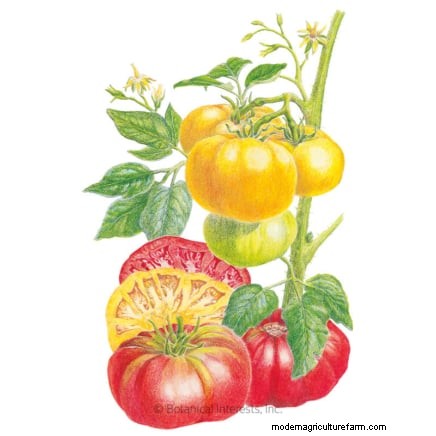
Brandywine Red & Yellow Blend Pole Tomato Seeds
Black Beauty Eggplant
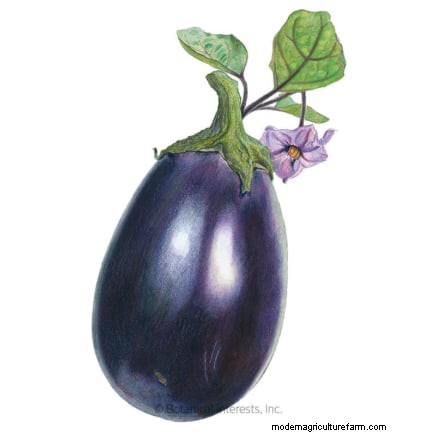
Black Beauty Eggplant Seeds
Sugar Baby Watermelon
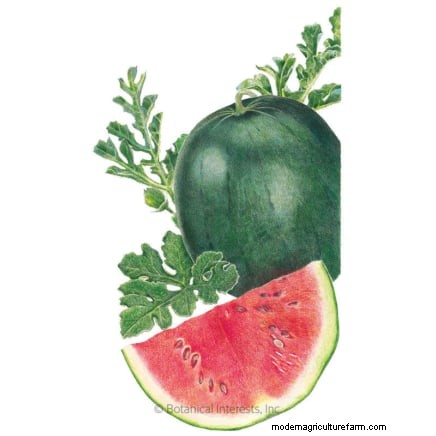
Sugar Baby Watermelon Seeds
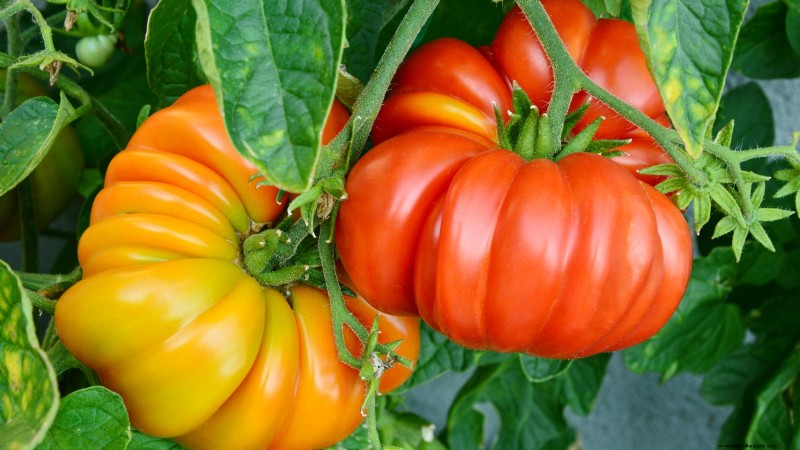
The ‘Brandywine’ tomato demands support due to its indeterminate growth.
| Botanical name | Solanum lycopersicum ‘Brandywine’ |
|---|---|
| Sun requirements | Full sun |
| Height | 4‑6 ft |
| Hardiness zones | 2‑11 |
Named after Brandywine Creek in Chester County, Pennsylvania, this classic heirloom has been prized for its robust flavor and sizable fruits. The original strain was pink; today’s varieties include deep red and a heat‑tolerant OTV line. ‘Brandywine’ is ideal for fresh eating, canning, roasting, and sauce‑making, with fruits reaching up to a pound and maturing mid‑summer.
Start seeds indoors six weeks before the last frost and transplant when temperatures are warm and sunny. Because it’s indeterminate, it will keep producing fruit all season—staking or caging is essential.
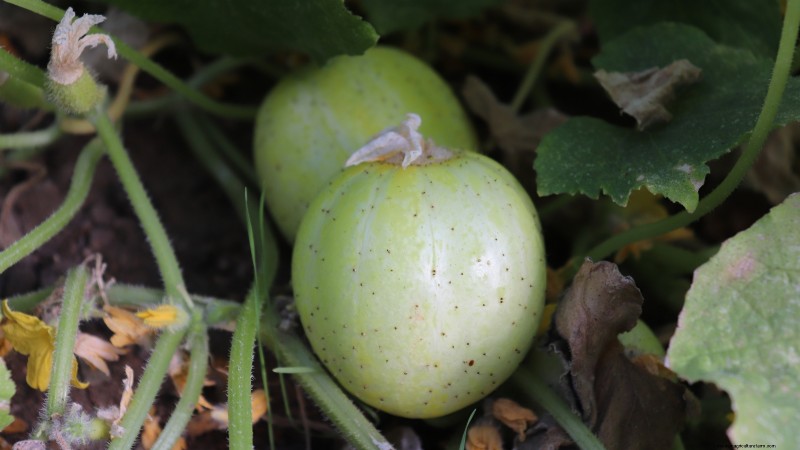
This variety yields fast‑growing vines that produce consistent, bright‑yellow cucumbers free of bitterness.
| Botanical name | Cucumis sativus |
|---|---|
| Sun requirements | Full sun |
| Height | 3‑6 ft |
| Hardiness zones | 2‑11 |
Originating in Australia, the lemon cucumber reached the U.S. in 1894. It’s fast‑growing, disease‑resistant, and thrives with steady moisture. Begin indoors 2‑4 weeks before the last frost or sow directly when soil is warm. Train on a trellis or mound for optimal growth.
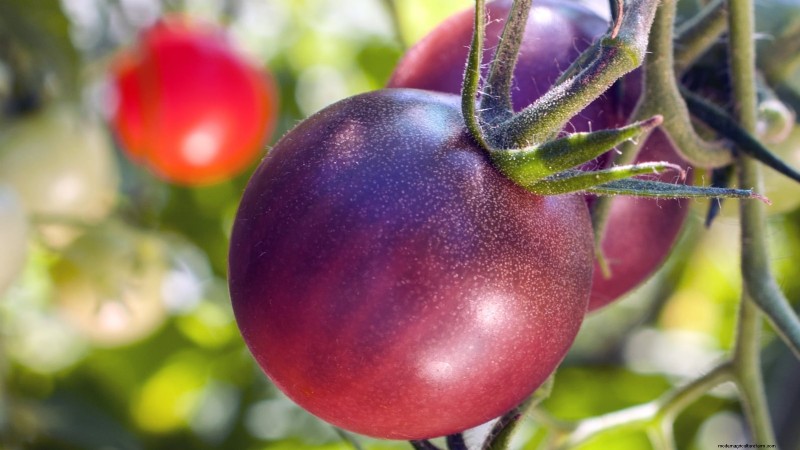
A pre‑1890 variety renowned for its crack‑resistant fruits.
| Botanical name | Solanum lycopersicum ‘Cherokee Purple’ |
|---|---|
| Sun requirements | Full sun |
| Height | 9 ft |
| Hardiness zones | 2‑11 |
These dark‑purple beefsteaks deliver juicy, sweet flesh with a distinctive flavor. Derived from pre‑1890 Tennessee landraces, they were popularized by the Seed Savers Exchange in 1991. Their indeterminate vines reach up to nine feet and resist cracking, making them a reliable mid‑season staple. Support with a trellis or cage.
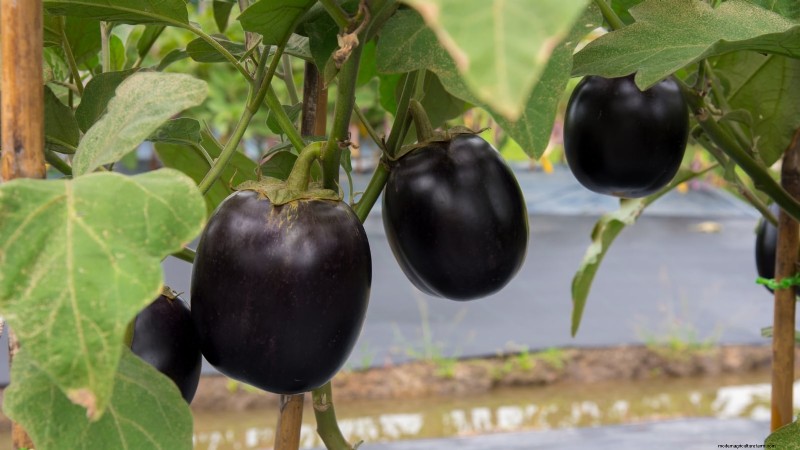
Start indoors 10‑12 weeks before the last frost for best results.
| Botanical name | Solanum melongena ‘Black Beauty’ |
|---|---|
| Sun requirements | Full sun |
| Height | 24‑30 in |
| Hardiness zones | 3‑11 |
Introduced by Burpee in 1902, this eggplant offers dark‑purple fruits that are tender and flavorful. The plants are compact, making them ideal for containers. Harvest fruits one to three pounds in size; no peeling is needed. Sow outdoors once temperatures hit 70 °F (21 °C).
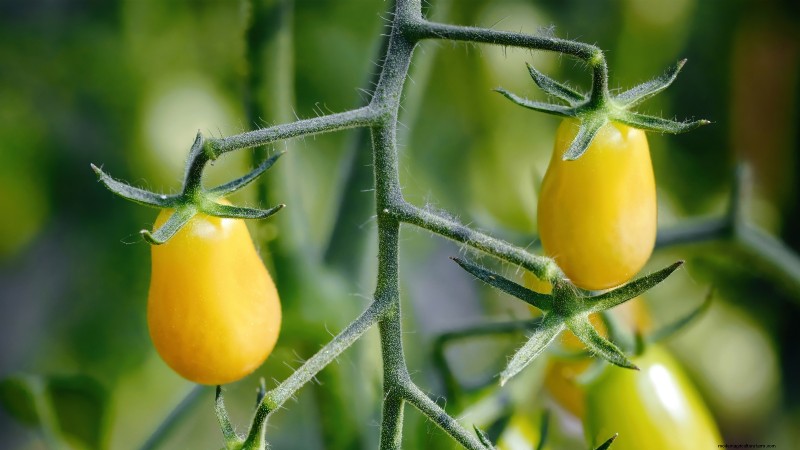
Heirloom ‘Yellow Pear’ tomatoes are prolific producers of small, pear‑shaped golden fruits.
| Botanical name | Solanum lycopersicum ‘Yellow Pear’ |
|---|---|
| Sun requirements | Full sun |
| Height | 6‑8 ft |
| Hardiness zones | 2‑11 |
Dating back to 18th‑century Europe, these tomatoes are prized for their bright color and tangy flavor. They’re easy to grow, vigorous, and produce fruit throughout the season. Ideal for fresh eating and pickling.
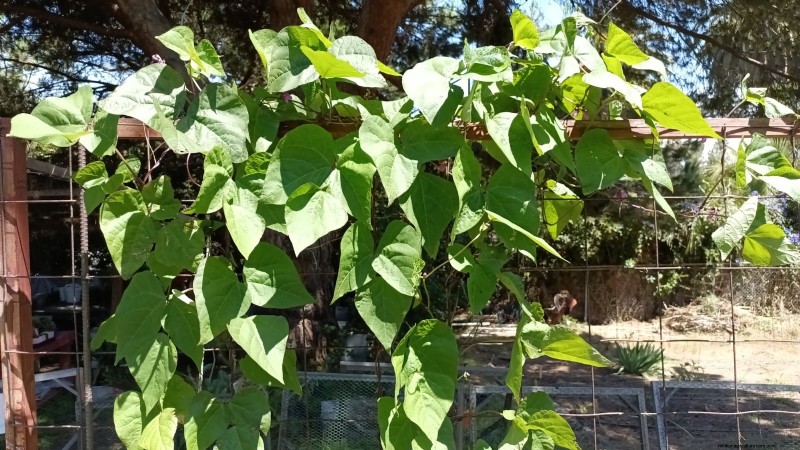
This historic bean carries a powerful legacy.
| Botanical name | Phaseolus vulgaris ‘Cherokee Trail of Tears’ |
|---|---|
| Sun requirements | Full sun |
| Height | 8 ft |
| Hardiness zones | 2‑11 |
Carried by the Cherokee along the Trail in 1839, this pod‑bearing bean offers purple‑striped green pods and glossy black beans. Mandate warm soils and frequent harvests to encourage more fruit. Suitable for snap eating or drying.
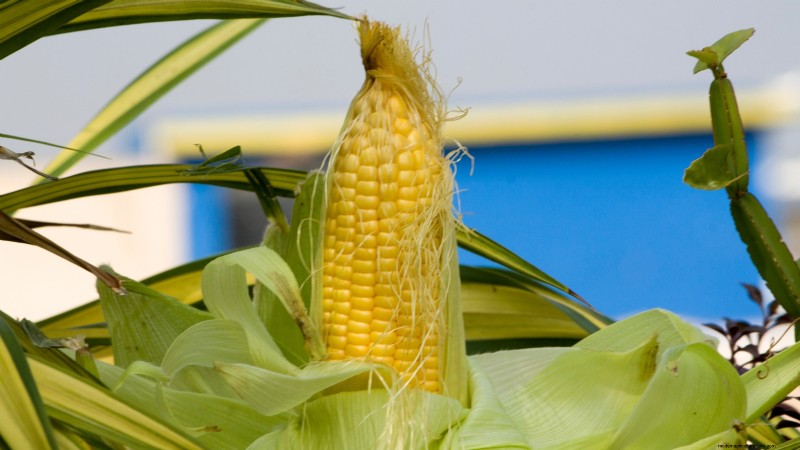
Early sweet corn that still stands out today.
| Botanical name | Zea mays ‘Golden Bantam’ |
|---|---|
| Sun requirements | Full sun |
| Height | 5 ft |
| Hardiness zones | 2‑11 |
Introduced by Burpee in 1902, this self‑pollinating corn yields two robust ears per stalk. The sweet, yellow kernels roast or boil beautifully and freeze well. Sow directly after the last frost for early harvest.
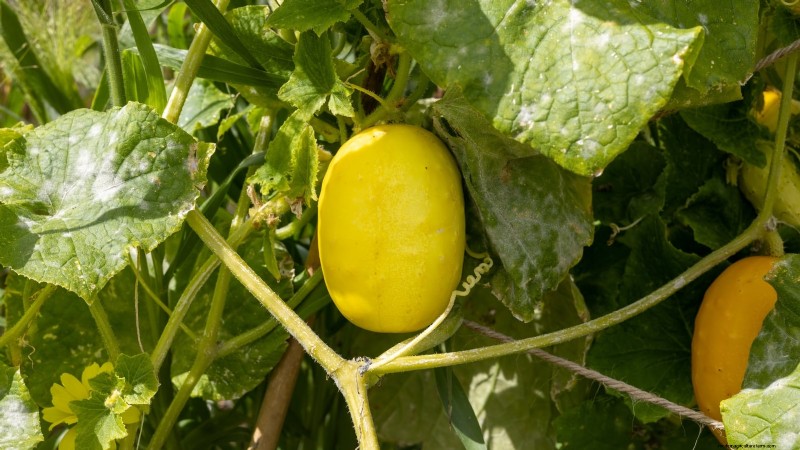
Plant after the final frost for optimal growth.
| Botanical name | Cucumis sativus ‘White Wonder’ |
|---|---|
| Sun requirements | Full sun |
| Height | 3‑6 ft |
| Hardiness zones | 2‑11 |
Develops from pale green to ivory white, these cucumbers grow up to seven inches and offer a crisp, tender flesh. First cultivated in 1893 by Burpee, they thrive in heat with regular watering and fertile soil. Ideal for straight‑vine eating or striking pickles.
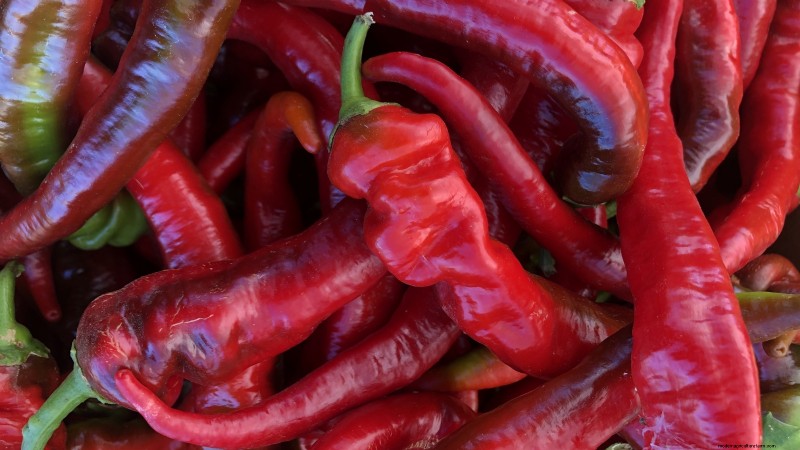
Italian heirloom peppers with a mild, sweet heat.
| Botanical name | Capsicum annuum ‘Jimmy Nardello’ |
|---|---|
| Sun requirements | Full sun |
| Height | 24 in |
| Hardiness zones | 2‑11 |
Originating in Basilicata, Italy, these peppers deliver a sweet, slightly spicy flavor with hints of roasted apples. The glossy red fruit measures 5‑10 inches and is excellent for frying, cooking, or fresh salsas. Grow indoors 8‑10 weeks before the last frost, then transplant when temperatures reach 70 °F (21 °C). Staking may be needed due to prolific production.
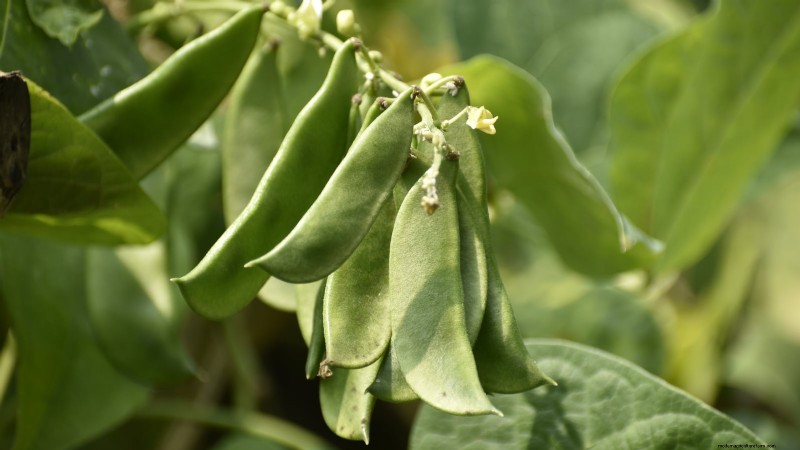
A heat‑tolerant, compact bean perfect for small gardens.
| Botanical name | Phaseolus lunatus ‘Jackson Wonder’ |
|---|---|
| Sun requirements | Full sun |
| Height | 18‑24 in |
| Hardiness zones | 2‑11 |
Introduced in the 1880s by Thomas Jackson, this butterbean produces red pods that darken with mottled purple and black as they mature. It thrives in hot, dry climates and yields prolific 3‑inch pods with 3‑5 seeds each. Direct sow 2 weeks after the last frost in warm soil.
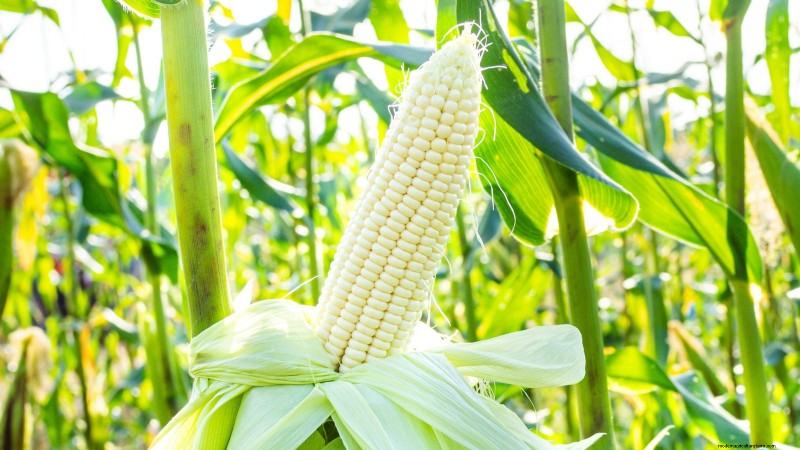
Late‑season corn that delivers two large ears per stalk.
| Botanical name | Zea mays ‘Stowell’s Evergreen’ |
|---|---|
| Sun requirements | Full sun |
| Height | 8‑10 ft |
| Hardiness zones | 2‑11 |
Developed by Nathan Newman Stowell in 1880, this variety reflects Indigenous American stock. Ears feature wide, white‑blended kernels up to 9 inches long. Self‑pollinating, it can produce two strong ears on a single stalk. Sow outdoors after the frost, keeping moisture even in well‑drained soils.
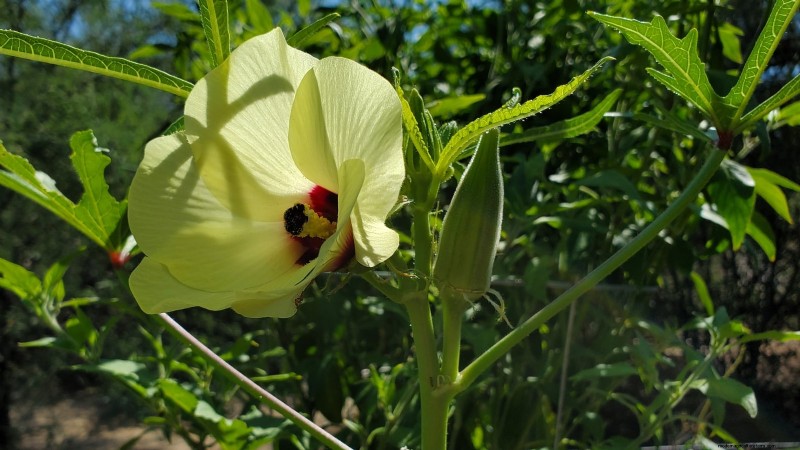
Harvest when the pods are tender and still small.
| Botanical name | Abelmoschus esculentus ‘Clemson Spineless’ |
|---|---|
| Sun requirements | Full sun |
| Height | 4‑5 ft |
| Hardiness zones | 3‑11 |
Originating in the 1930s from a 40‑year‑old selection, this okra offers velvety green, spine‑free pods. Harvest at 5 inches or less for the best texture. It thrives in warm, sandy loam soils and tolerates a range of soil types. Germinate when soil reaches 70 °F (21 °C).
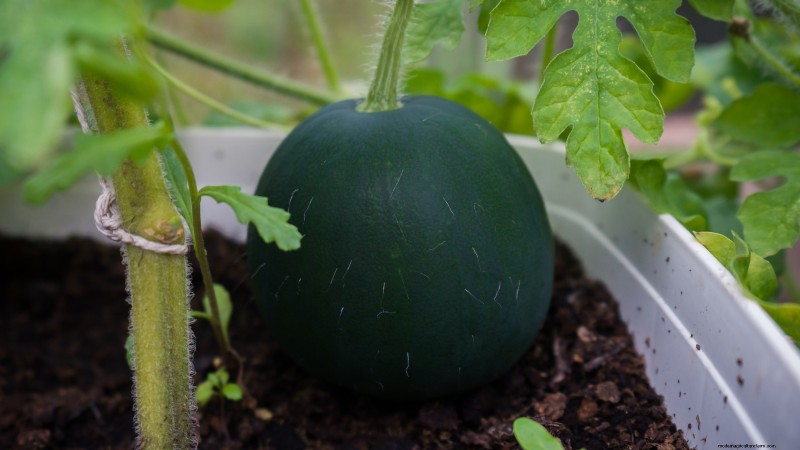
Early‑maturing melons that fit in an icebox.
| Botanical name | Citrullus lanatus ‘Sugar Baby’ |
|---|---|
| Sun requirements | Full sun |
| Height | 6‑10 ft vines |
| Hardiness zones | 2‑11 |
Introduced in 1958, this heirloom was refined from a Japanese variety and delivers sweet, dark‑red flesh in fruits weighing 6‑10 lbs. It matures in about 80 days, making it ideal for early summer harvests. Sow directly after the last frost in soil above 70 °F (21 °C).
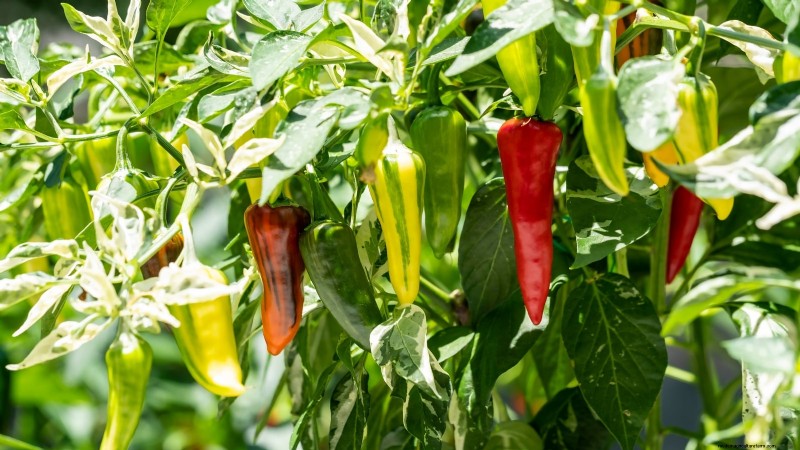
Brightly colored peppers with a historic American legacy.
| Botanical name | Capsicum annuum ‘Fish’ |
|---|---|
| Sun requirements | Full sun |
| Height | 2 ft |
| Hardiness zones | 2‑11 |
Developed in the late 1800s by Horace Pippin and later promoted by William Woys Weaver, these peppers offer medium‑to‑hot heat and striking tricolor foliage. They thrive in heat, are compact and bushy, and serve as both ornamental and culinary treasures.
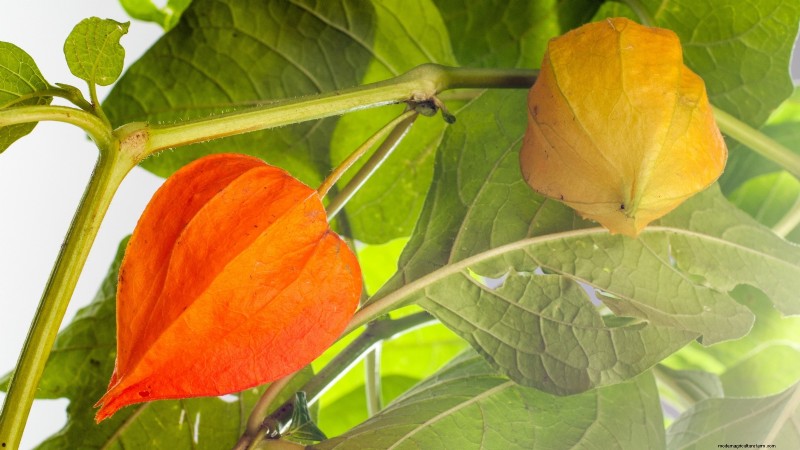
Half‑inch fruits with a subtle pineapple note.
| Botanical name | Physalis pruinosa ‘Pineapple’ |
|---|---|
| Sun requirements | Full sun |
| Height | 12‑18 in |
| Hardiness zones | 2‑11 |
These “husk tomatoes” are sweet, tart, and ideal for salsa, salads, and preserves. Originating in South and Central America, they are more tolerant of northern climates than tomatillos. Grow indoors 4‑6 weeks before the last frost or sow outdoors after the frost when soil is warm.
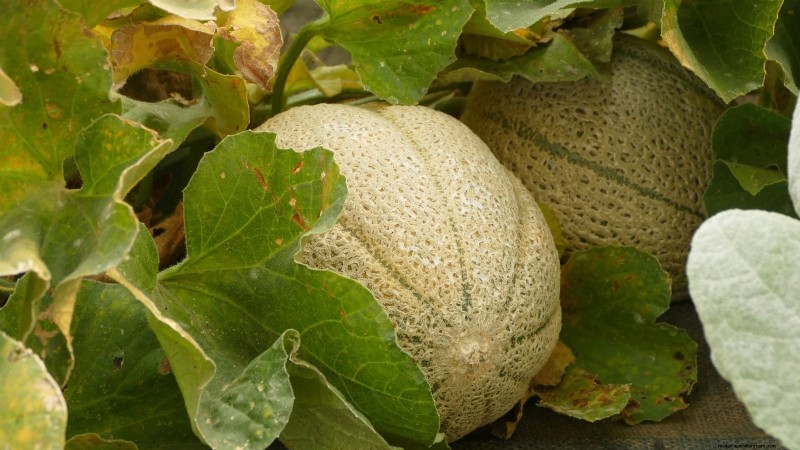
First cultivated in Michigan in the late 1800s.
| Botanical name | Cucumis melo ‘Hearts of Gold’ |
|---|---|
| Sun requirements | Full sun |
| Height | 6‑10 ft vines |
| Hardiness zones | 2‑11 |
With deep orange flesh and a sweet, tangy aroma, these melons weigh 2‑3 lbs and grow six inches in diameter. Developed from a cross between ’Osage’ and ‘Nettedgem,’ they are prized for their quick maturity and suitability to short growing seasons. Sow indoors 2‑4 weeks before the last frost or direct sow afterward.
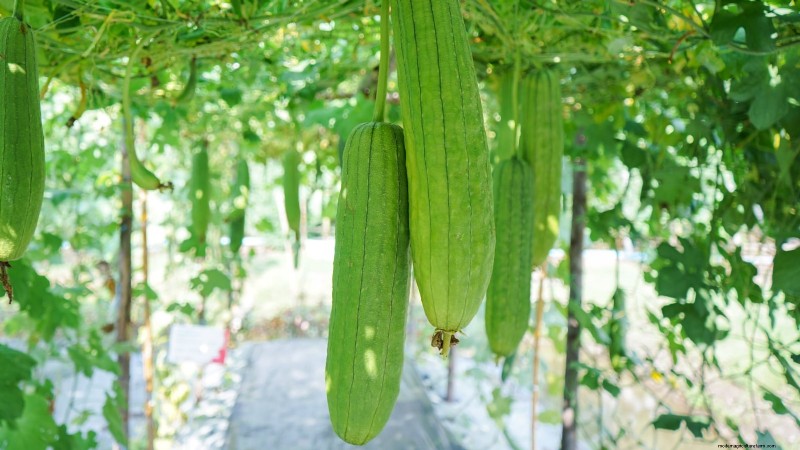
Vine‑grown sponges that add fun to the garden.
| Botanical name | Luffa aegyptiaca |
|---|---|
| Sun requirements | Full sun |
| Height | 20 ft vines |
| Hardiness zones | 2‑11 |
These gourds produce 1‑2 ft long fruits with a fibrous interior perfect for scrubbing. They mature when the skin turns yellow or brown and pulls away easily. Plant after the last frost; they thrive in full sun and warm soils, tolerating light shade.
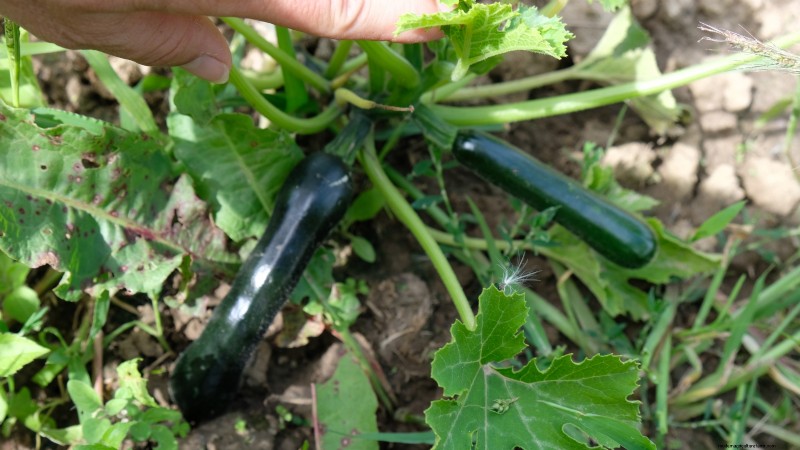
Optimal conditions for this dark‑green squash include warm temperatures.
| Botanical name | Cucurbita pepo ‘Black Beauty’ |
|---|---|
| Sun requirements | Full sun |
| Height | 2 ft |
| Hardiness zones | 2‑11 |
First bred by John Scarchuk in the 1920s, this award‑winning squash produces dark‑black fruits with creamy white flesh. It prefers warm, consistently moist, well‑drained soil. Avoid overhead watering to reduce disease risk.
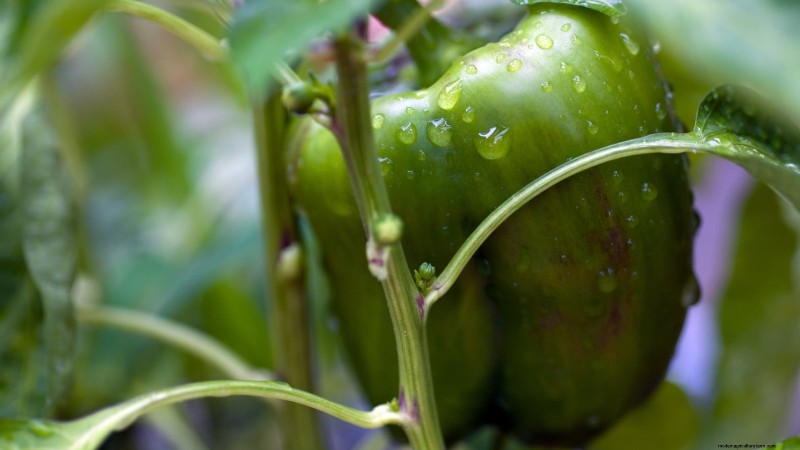
Plant outdoors in mild climates 2‑4 weeks after the last frost.
| Botanical name | Capsicum annuum ‘California Wonder’ |
|---|---|
| Sun requirements | Full sun |
| Height | 18‑30 in |
| Hardiness zones | 2‑11 |
These classic bell peppers are sweet, thick‑walled, and crisp, ripening from green to red. They are perfect for fresh use or cooking. For mild climates, sow outdoors 2‑4 weeks after the last frost; in cooler areas, start indoors 8‑10 weeks early.
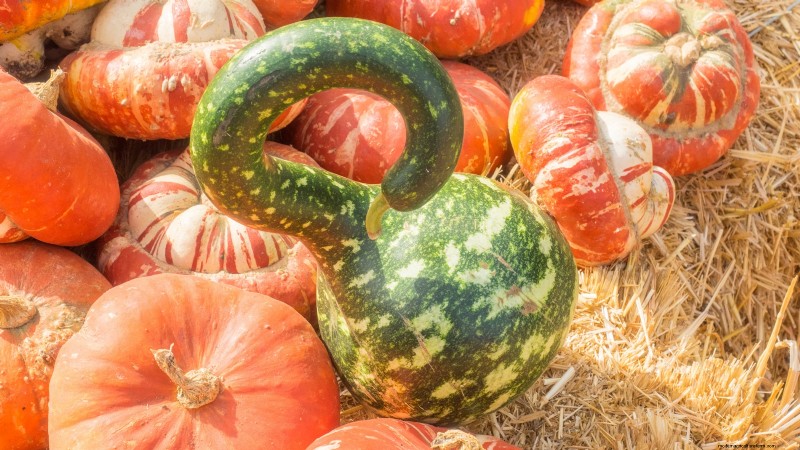
Versatile gourds for fresh arrangements and crafts.
| Botanical name | Lagenaria siceraria ‘Speckled Swan’ |
|---|---|
| Sun requirements | Full sun |
| Height | 8‑12 ft vines |
| Hardiness zones | 2‑11 |
These ornamental gourds reach 14‑16 inches, forming a swan‑shaped neck. Ideal for drying, craft projects, and long‑lasting fresh displays. Sow after the last frost; they climb vigorously on support.
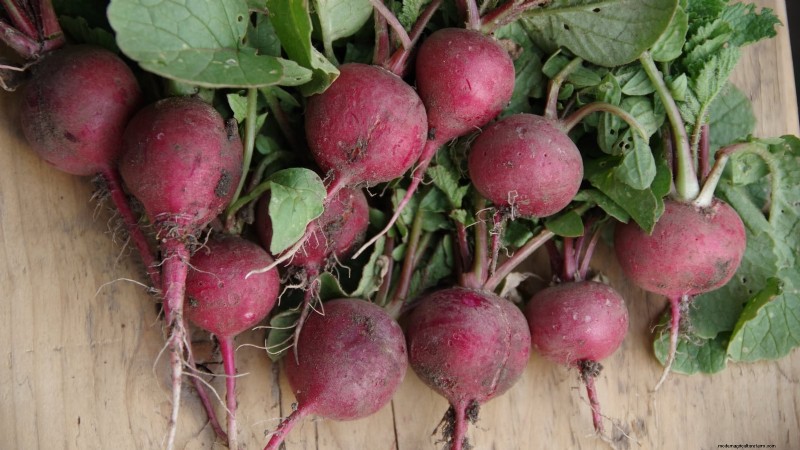
Bright red radishes that grow quickly.
| Botanical name | Raphanus sativus ‘Cherry Belle’ |
|---|---|
| Sun requirements | Full sun to partial shade |
| Height | 3 in |
| Hardiness zones | 2‑11 |
Awarded in 1949, these Holland heirlooms mature in about 24 days. They are frost‑tolerant and ideal for successive plantings in spring and fall. Harvest when roots reach roughly one inch.
Planting heirloom varieties this spring not only enriches your garden’s flavor profile but also preserves the genetic diversity that supports resilient agriculture. Pairing heirlooms with modern cultivars offers ornamental interest, nutritional variety, and a living link to our culinary past. Experiment, observe, and enjoy the stories each plant brings to your garden.


