
Welcome to Modern Agriculture!

Your favorite bright red berries can thrive all summer in raised beds, containers, or hanging baskets—but only if they receive the right combination of light, soil, and water. Some cultivars yield sweet fruit continuously, while others may lag if they’re shaded.
Below, we explore the precise amount of sunlight strawberries need, how to spot when they’re under‑ or over‑exposed, and practical steps to correct light deficiencies.
Strawberries need 6 to 8 hours of direct sun per day to develop healthy foliage and maximize yield. They flourish in full sun and struggle in shade. For the best harvest, plant them on the sunniest south‑facing side of your garden, free of taller trees or dense shrubs. While they can tolerate partial shade, fruit production drops noticeably. Fragaria virginiana (wild strawberry) is an exception, thriving in the dappled shade of its native forest edge.
Strawberries are small, herbaceous fruiting plants of the Rosaceae family. Depending on the variety, they can fruit throughout the frost‑free season and grow as annuals or overwintering perennials in USDA zones 4–9. USDA
Native to North America, wild strawberries once grew as trailing groundcover in the partially shaded understory of temperate forests. Modern cultivars, bred for larger, sweeter berries, demand more light to support higher fruit loads. Sunlight directly influences flowering time, fruit set, and overall plant vigor. Without sufficient light, leaves lack chlorophyll, growth stalls, and fruit fails to develop. Below we outline how to diagnose and address light deficiencies.
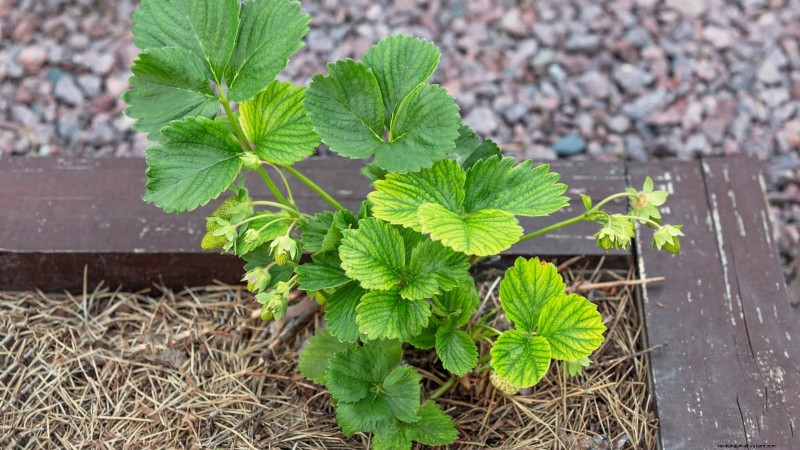
Shade‑stressed strawberries appear small, pale, and stunted. Yellow or faded foliage signals a chlorophyll shortfall. Insufficient light hampers photosynthesis, preventing flowering and fruiting. If a plant fails to flower, transplanting to a brighter spot is usually the remedy.
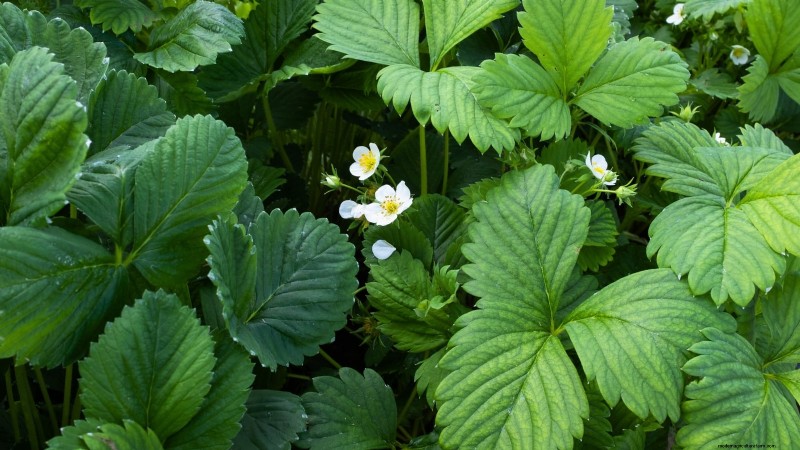
Key indicators of light deficiency include:
These symptoms can resemble nutrient deficiencies or disease. Yellowing confined to older or newer leaves often points to a mineral shortfall, whereas widespread paleness usually means insufficient light. Diseased plants may show fungal pustules, brown spots, or discoloration not related to lighting.
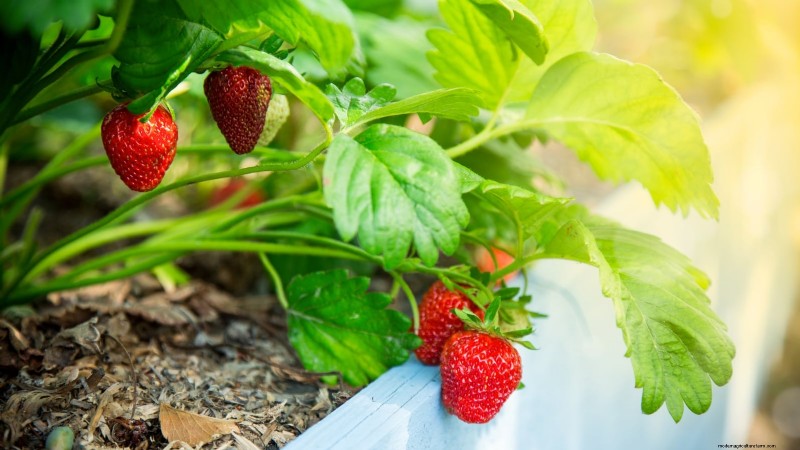
Full‑sun plants need a minimum of 6–8 hours of direct sunlight per day. Even on cloudy days, exposed plants can photosynthesize without competing shade. Cultivated strawberries perform best under these conditions; otherwise, growth suffers.
Partial‑sun varieties tolerate 4–6 hours of direct sun, typically found on east or west faces that receive morning or afternoon light.
Plants in full shade (only 3–5 hours of indirect light) rarely survive or fruit. While ornamental ferns or hostas thrive under canopy, strawberries require more light.
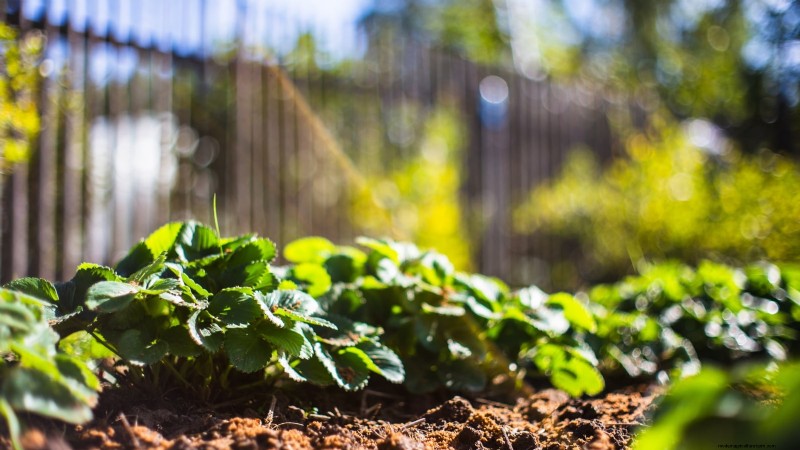
South‑facing beds receive the most radiant hours in the Northern Hemisphere, propelling early warming and vigorous growth. In cooler climates, raised beds warm up faster because their exterior surfaces absorb heat from the surrounding air, propelling earlier blooming. Notably, mandating a gradual light transition protects plants from scorching after transplant.
Solar aspect changes with season: morning sun favors east faces, while afternoon sun favors west faces. Adjust expectations based on your hemisphere—north‑facing beds perform better in the Southern Hemisphere.
Should your plants show pale foliage and slow growth, you can revive them with timely relocation. Young transplants adapt quickly, so act soon after planting.
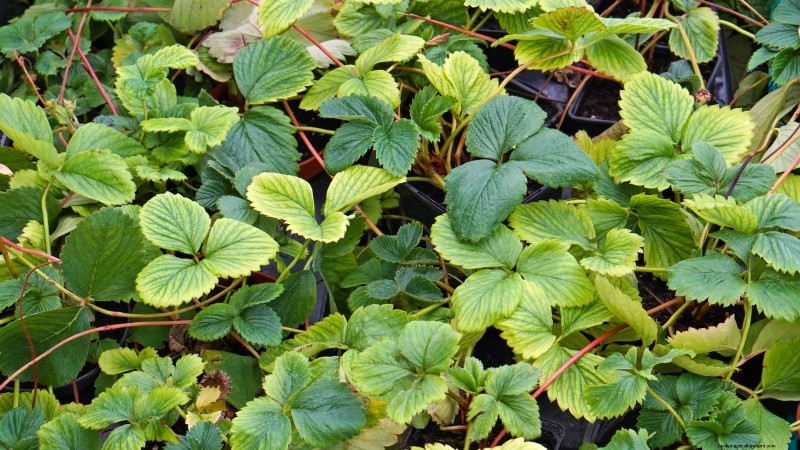
Look for uniformly pale leaves and reduced stature. Compare a plant in a shaded spot to one in full sun; the former should be noticeably smaller. Distinguish this from nutrient deficiencies, which often affect only newer or older leaves, and from transplant shock, which typically resolves within a week.
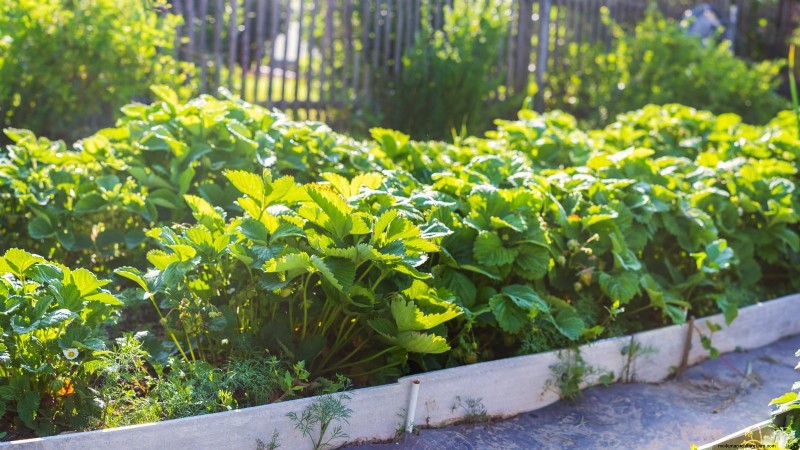
South‑facing beds, self‑shading containers, or hanging baskets on sunny patios work well. Use a loamy, well‑drained mix rich in compost to support healthy root development. Containers must have drainage holes to avoid waterlogging.
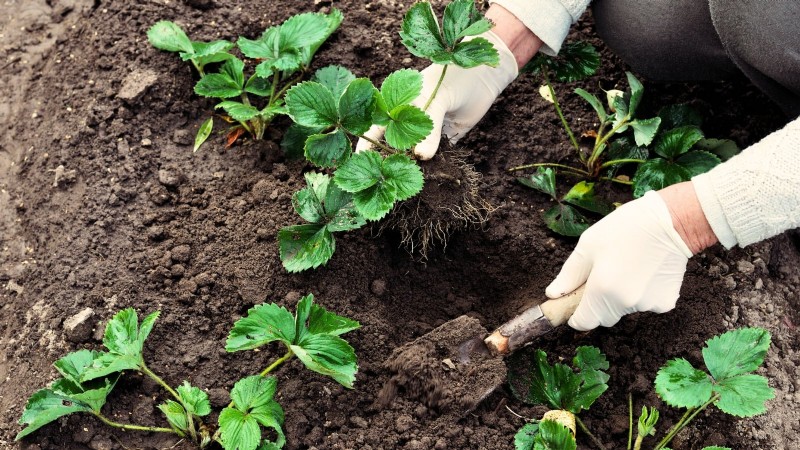
Gently excavate around the crown, lift it with a trowel, and inspect roots for rot. Healthy roots are firm and tan; rotten ones appear mushy and brown. Dig a new hole slightly deeper than the root ball, ensuring the crown sits just above the soil line. Backfill, press gently, and water thoroughly to settle the roots.
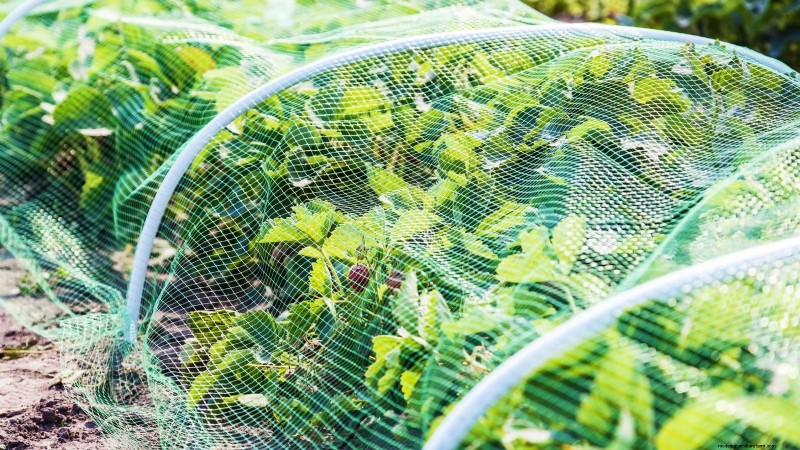
Transitioning from shade to full sun can scorch delicate leaves. Cover the plants with a light row cover or shade cloth for 7–10 days, then remove once new green growth appears. This gradual acclimation reduces stress and prevents leaf burn.
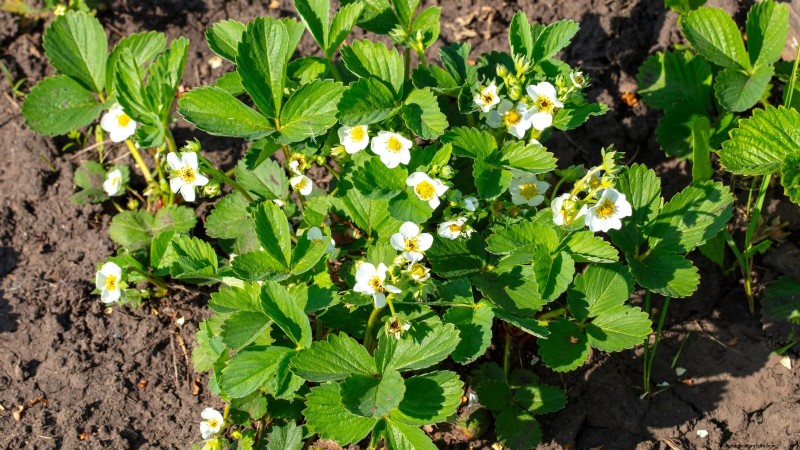
Within 2–3 weeks, healthy crowns exhibit:
Pale leaves and lack of fruit are clear signals that your strawberries need more sunlight. Addressing this early—by transplanting to a sunlit bed, using row cover to ease the transition, and ensuring proper drainage—will set the stage for a productive season. For future plantings, select south‑facing sites, avoid tall obstructions, and keep your strawberries in the sunniest part of the garden.


