Welcome to Modern Agriculture!

Strawberries are among the fastest‑maturing fruiting plants, offering a tangible reward within just a few months of planting. While store‑bought berries are convenient, homegrown strawberries provide unmatched flavor, nutrient density, and peace of mind knowing they’ve never been sprayed with harmful chemicals.
Under optimal conditions, strawberries can bear fruit in as little as 60 to 90 days from bare‑root crowns or plugs. Day‑neutral varieties such as ‘Albion’ and ‘Seascape’ are especially prized by first‑time growers because they fruit in their first season. By contrast, June‑bearing and everbearing cultivars usually require a full growing season to reach peak yield.
Understanding the six distinct phases—bare crown/seedling, root establishment, vegetative growth, flowering, fruiting, and dormancy—helps gardeners diagnose issues and nurture plants to their fullest potential.
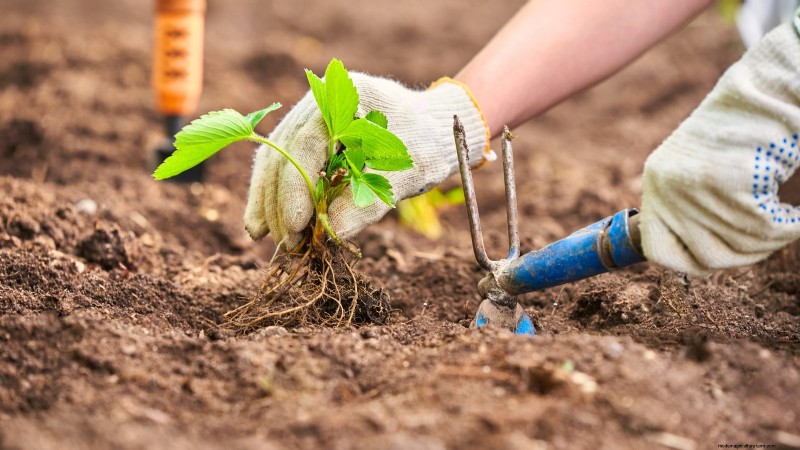
Most growers source strawberries as bare‑root crowns or plugs. Bare‑roots are dormant and can be planted a couple of weeks before the last spring frost, giving the first berries a three‑month head start. Plugs, which already have a few leaves and a developed root ball, may be planted later but can produce fruit slightly sooner once established.
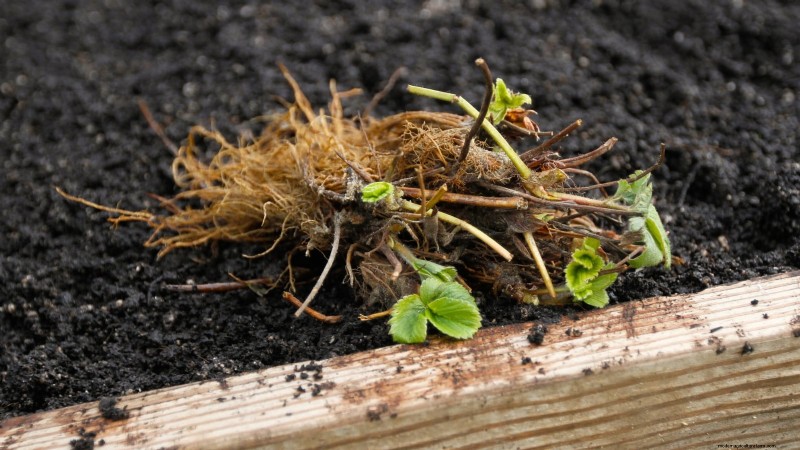
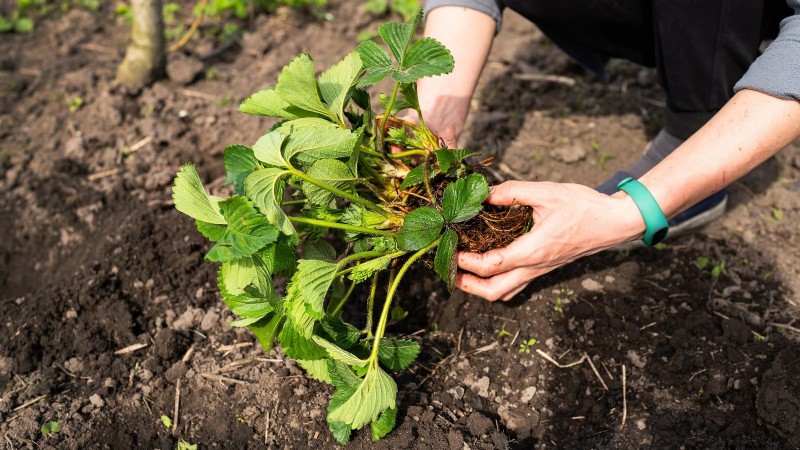
These crowns are shipped green‑less and should be stored in a refrigerator until planting to maintain dormancy. Plant them so that the lower third of the crown is buried and the upper two‑thirds remain above the soil. This depth protects the growing point and encourages healthy root development, typically yielding fruit in 80–90 days.
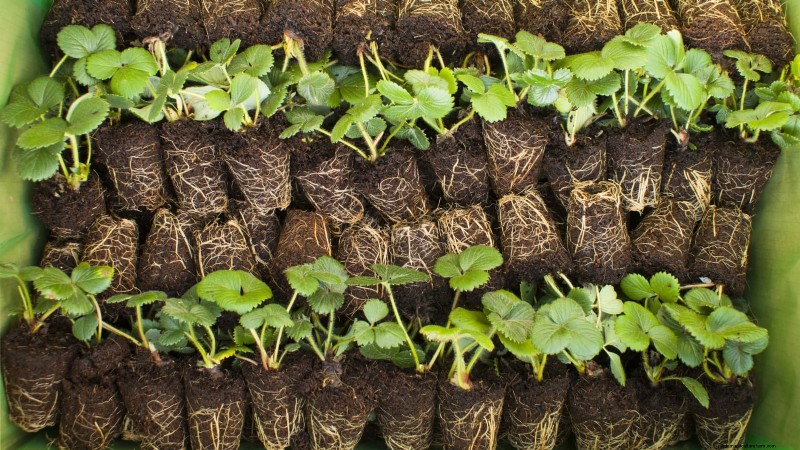
Plugs arrive in small trays with soil and foliage. Because the leaves are sensitive to cold, transplant them after the last frost and keep the soil level the same as in the tray. Plugs can become productive in roughly three months and are ideal for containers and hanging baskets.
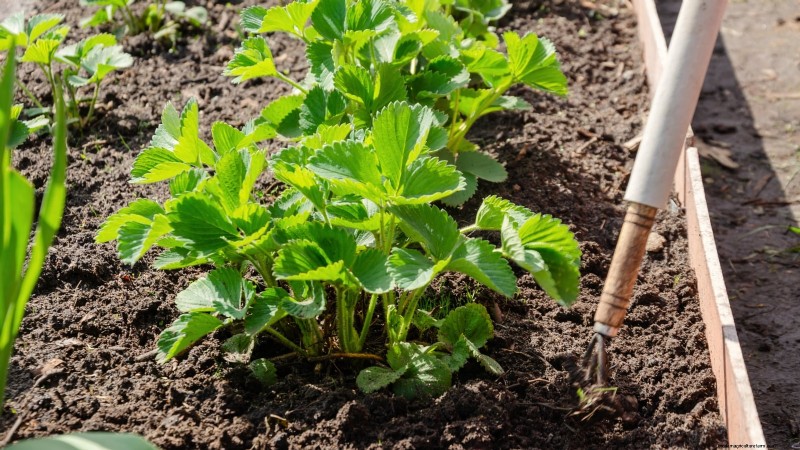
After planting, focus on gentle handling and loose, loamy soil to prevent transplant shock. Remove any early flowers that appear—often a sign of stress—so the plant can redirect energy toward root growth. Well‑established roots improve nutrient uptake and set the stage for vigorous vegetative growth.
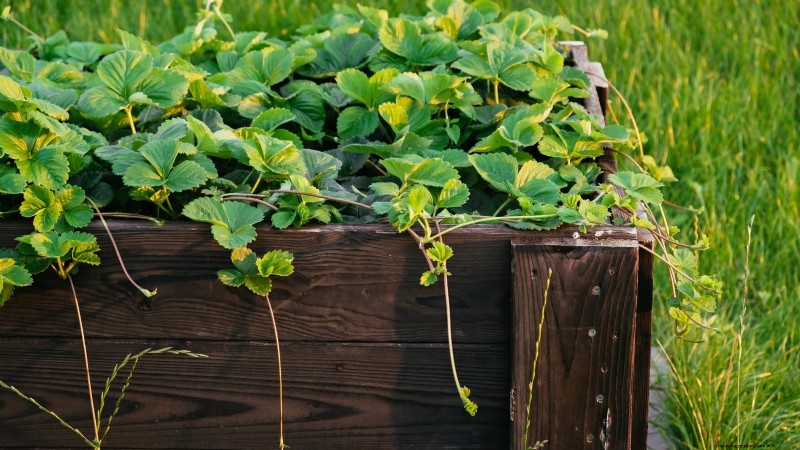
Leaves must be deep green and healthy; a plant should reach 8–10 inches in height and width before it starts flowering. Removing runners (stolons) during this phase conserves energy for fruit production rather than spreading the plant as ground cover.
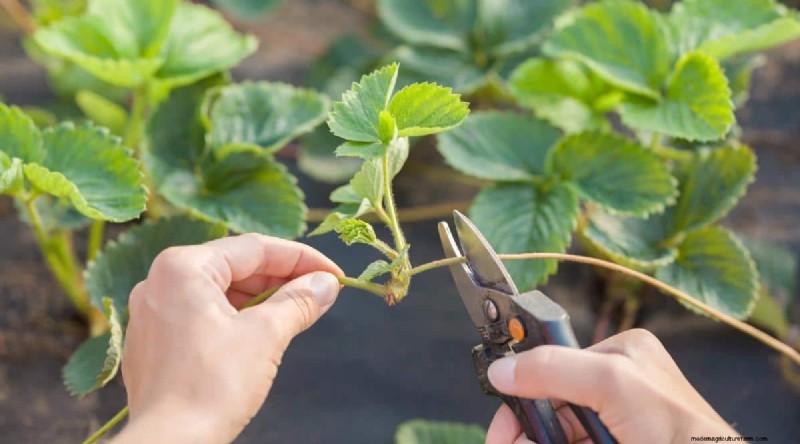
Use sharp pruners to cut runners at the base of the main plant. Snap them off once roots are fully anchored. This simple practice keeps the plant focused on leaf and root development, which translates into larger, sweeter berries.
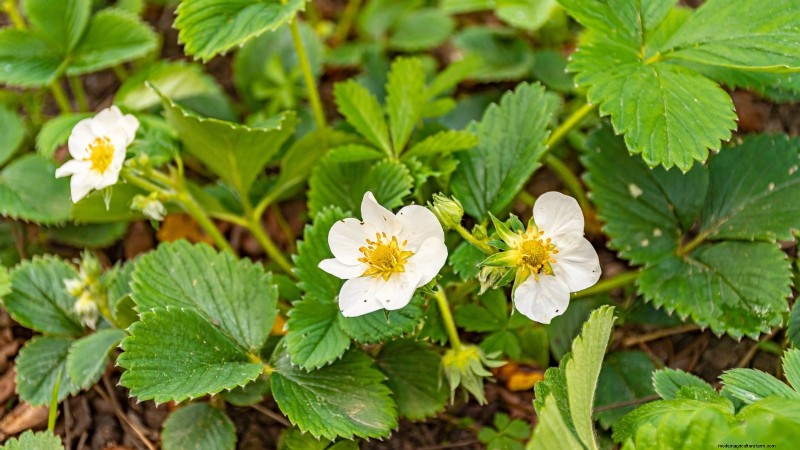
After 1.5–2 months of rooting and vegetative growth, strawberry plants begin flowering in early to mid‑summer. Photoperiod sensitivity drives June‑bearing varieties to flower during a narrow window, whereas day‑neutral plants bloom whenever temperatures are warm enough.
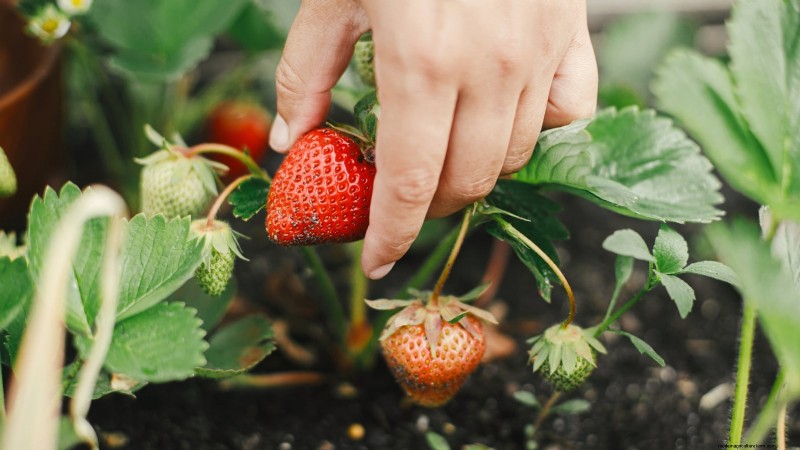
Flowers mature into ripe fruit in 4–6 weeks. Harvesting the first ripe berries after about three months marks the beginning of a productive season. Day‑neutral varieties continue to set fruit throughout the growing season, while June‑bearing types typically peak in the following summer.
Pick the reddest berries as soon as they ripen to stimulate additional flowering and prolong the harvest window. Overripe berries can become mushy or moldy, reducing overall yield.
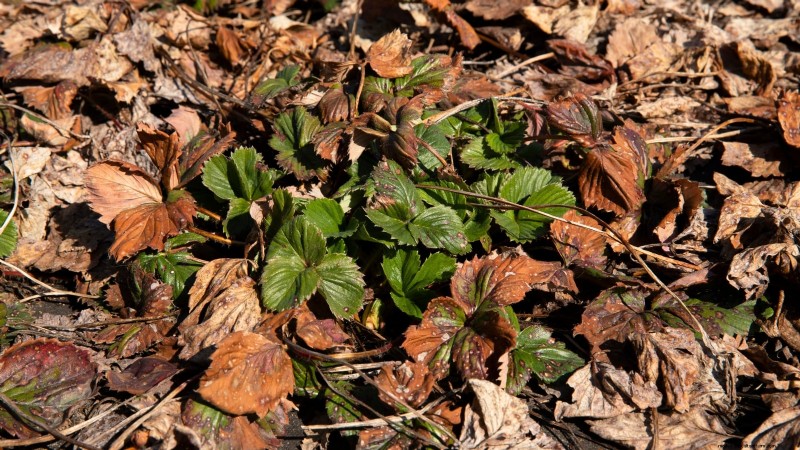
As temperatures drop, the above‑ground foliage dies back, but the crowns remain underground. Allow the plants to wither naturally before pruning. After the first hard frost, remove dead leaves and mulch with straw or leaf mulch to insulate the crowns during winter.
Optimizing conditions is the key to faster, healthier strawberry plants. Below are proven strategies from commercial organic growers.
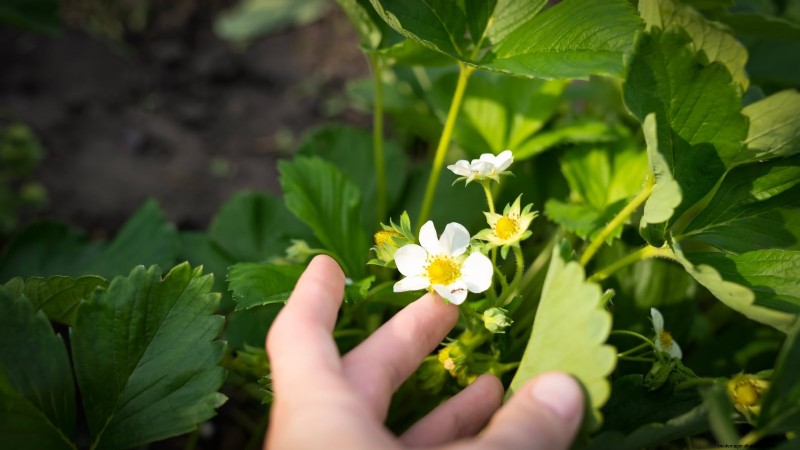
Early flowers divert energy from root and leaf development. Removing them encourages stronger plants that produce more fruit later in the season.
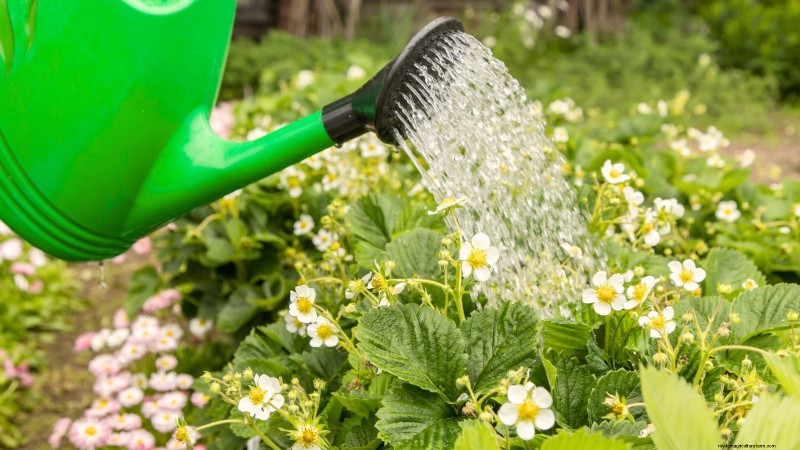
Strawberries need regular watering, but soggy soil promotes rot. Use drip lines or soaker hoses to target the root zone and avoid wetting foliage.
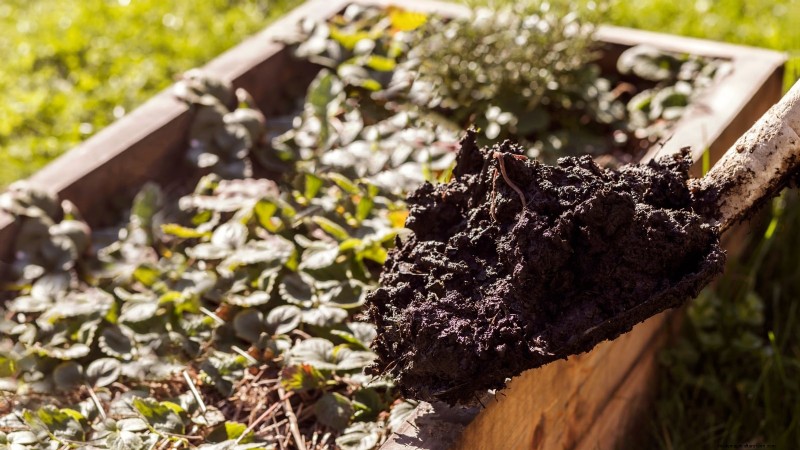
Rich, well‑drained loam with plenty of organic matter is ideal. Incorporate compost to improve texture, drainage, and nutrient availability.
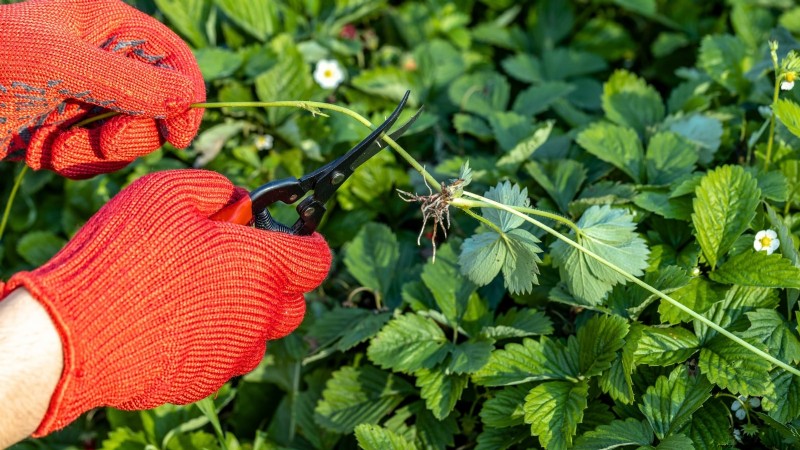
Consistently trim runners to keep the plant focused on fruiting rather than spreading.
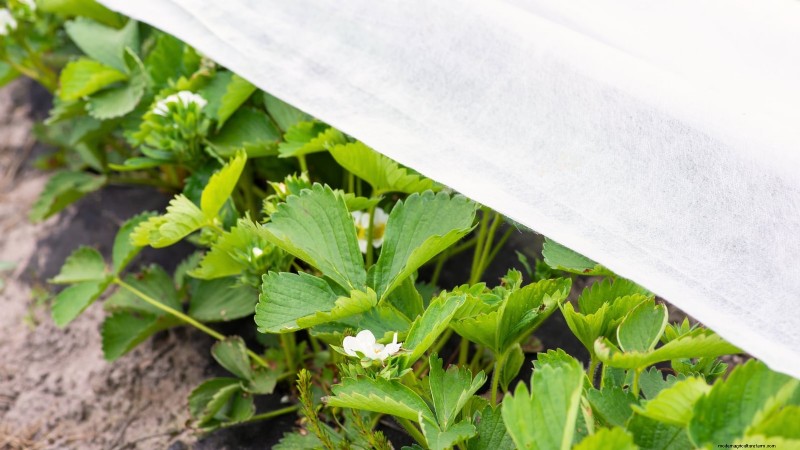
Strawberries thrive in temperatures of 45–86°F (7–30°C). In cooler climates, row cover can keep the soil warm; in hot regions, shade cloth helps prevent heat stress. Low tunnels—PVC or curved piping—raise the fabric off the plants while still allowing pollinators to access the flowers.
From bare‑root crowns to full fruiting, strawberries move through six predictable stages. By selecting day‑neutral varieties and following low‑stress practices—consistent moisture, quality soil, gentle transplanting, and early runner removal—you can enjoy a robust harvest in just three months.
Remember: patience, proper care, and a little bit of science go hand in hand for the sweetest strawberries of your garden.