
Welcome to Modern Agriculture!

Most seed packets list the light requirements for the crops you intend to grow. Understanding these needs is essential when planning your garden’s layout—sun, shade, water, and protection all play a role.
Tomatoes are a staple for many home growers, and most varieties thrive best in full sun. But what if your yard is largely shaded? You might still be able to grow tomatoes successfully.
Let’s explore whether tomatoes can be grown in the shade.
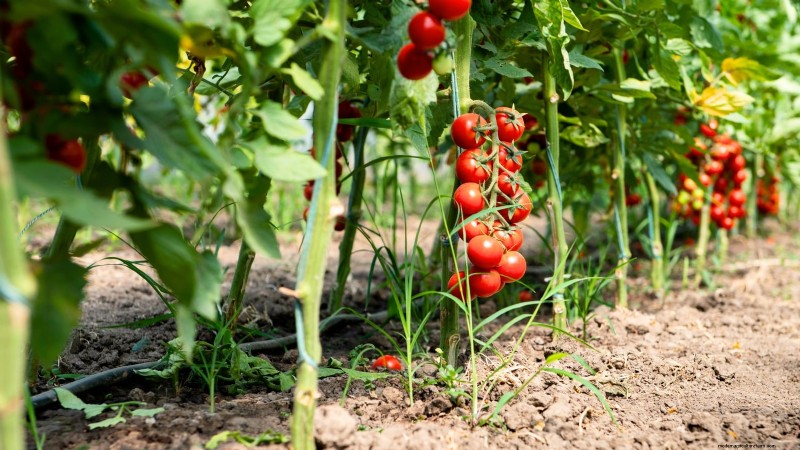
Tomatoes need light to grow and fruit. They won’t develop properly in full shade. Most varieties perform best with 8–12 hours of direct sunlight per day, especially morning sun from east to west. Morning light also helps dry dew‑laden foliage and kick‑starts photosynthesis, giving the plant energy for growth.
The afternoon sun can be beneficial, but intense heat—particularly between 2 pm and 4 pm—can scorch flowers and stall fruit set, especially in hotter climates.
While partial shade can be tolerated by some tomato varieties, it usually results in reduced growth and yield. To achieve a productive harvest, provide the plant with adequate light, water, nutrients, and support. Full sun is ideal, but some shade‑tolerant varieties can survive in partial shade.
So why is sunlight so critical? Photosynthesis turns light, water, and CO₂ into energy that fuels plant growth and fruit development. Without enough light, the plant can’t produce the sugars needed for building fruit, and flower formation is compromised.
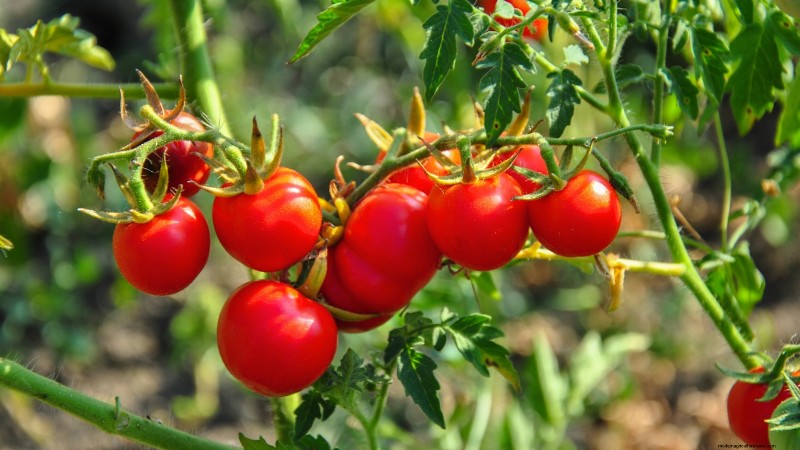
During photosynthesis, tomato leaves capture light energy, converting it into chemical energy that fuels root absorption of nutrients and water. The resulting sugars feed the developing fruit, while oxygen is released into the atmosphere. Sunlight is also essential for triggering the floral buds that become the tomatoes you harvest.
Here are common problems that arise when tomatoes don’t receive enough sun:
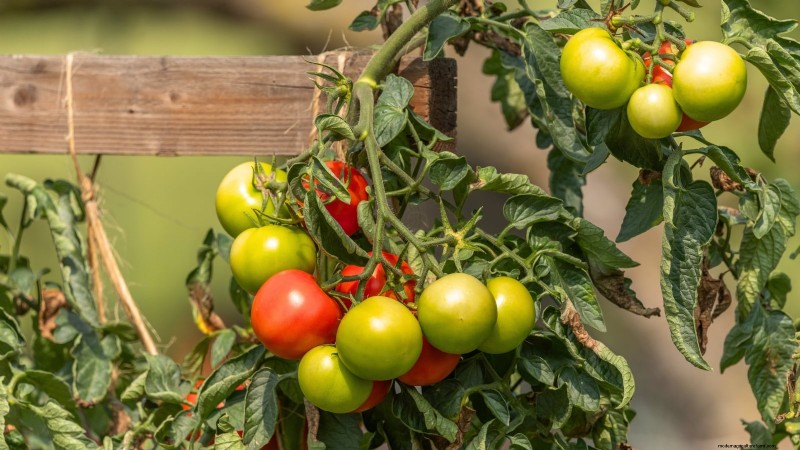
Without adequate light, the plant stretches toward any available source, creating a weak, spindly structure that can’t support healthy growth.

When the plant spends energy seeking light instead of forming flowers, it produces fewer blossoms. Fewer flowers mean fewer fruit sets.
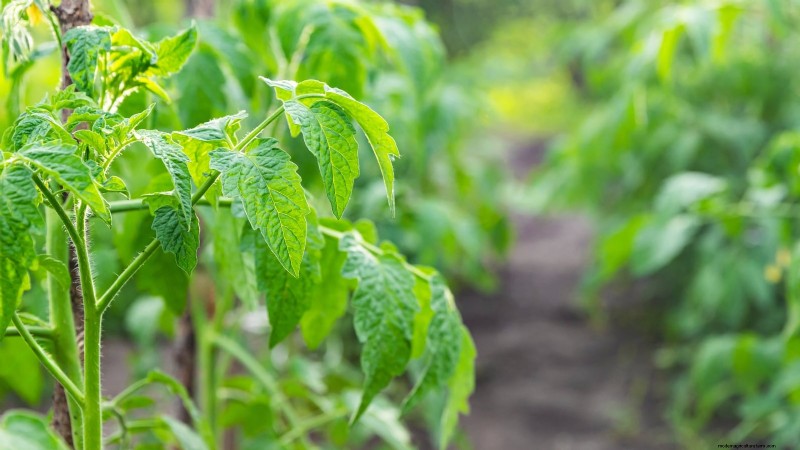
Without flowers to bridge the gap, fruit production stalls, leaving you with an unproductive plant.
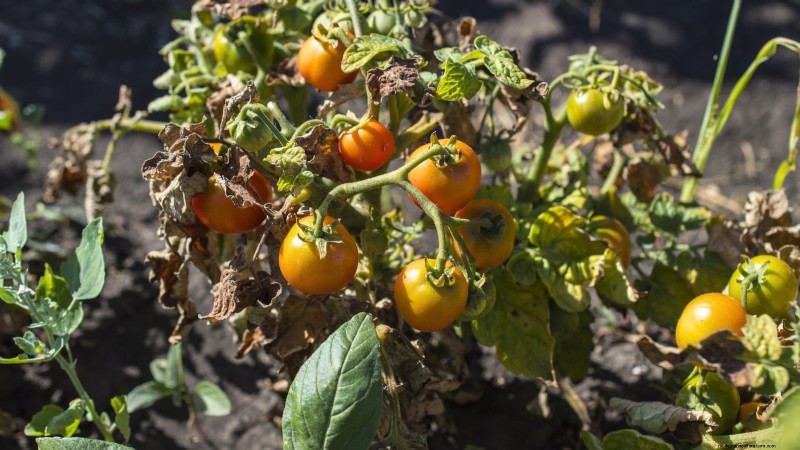
Robust stems, strong roots, and well‑developed leaves all depend on sufficient sunlight. In its absence, the plant remains short, bushy, and unable to produce fruit.
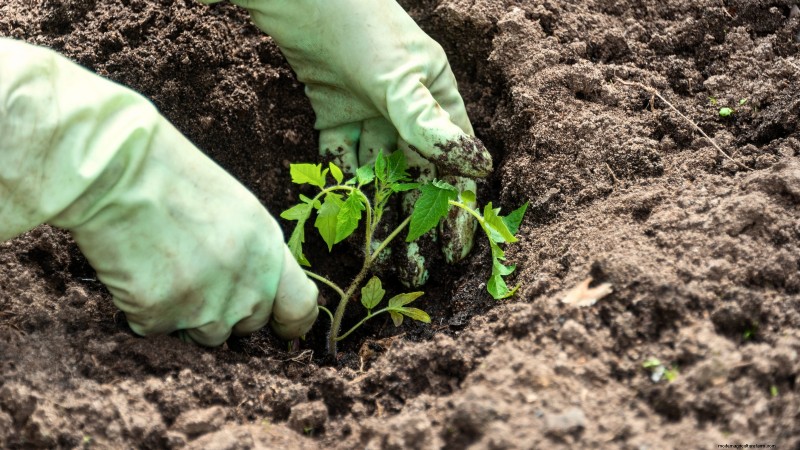
Weak plants are more susceptible to disease and pests. Harden seedlings before transplanting, maintain soil temperatures above 50–55 °F, and ensure a weed‑free, nutrient‑rich environment to give them the best chance.
If your garden has consistent partial shade, select varieties engineered for lower light levels. Below are popular options that perform well in these conditions.
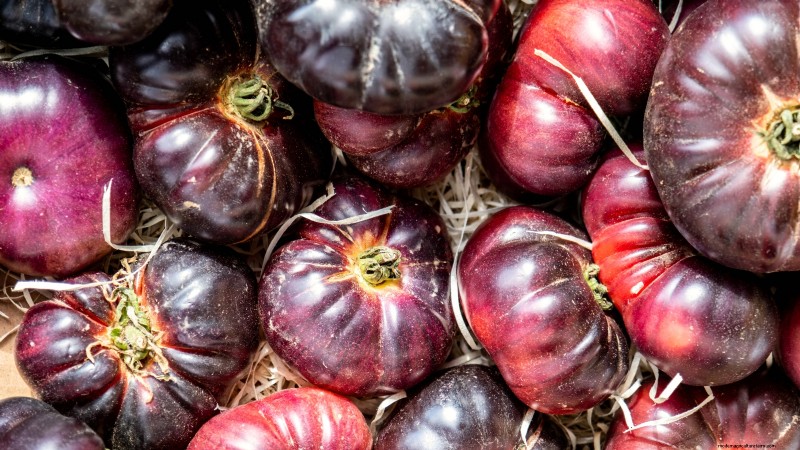
This heirloom delivers deep‑purple, sweet fruit ideal for salads and charcuterie. It can grow up to four to six feet tall, so provide support if necessary. Harvest from frost‑free periods.
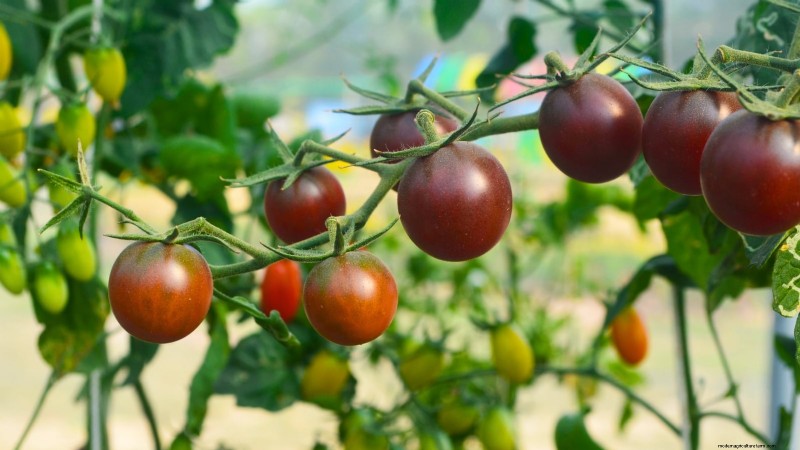
Renowned for its deep‑purple flesh, this variety thrives on strong foliage that can shade itself. It remains productive well into the fall.
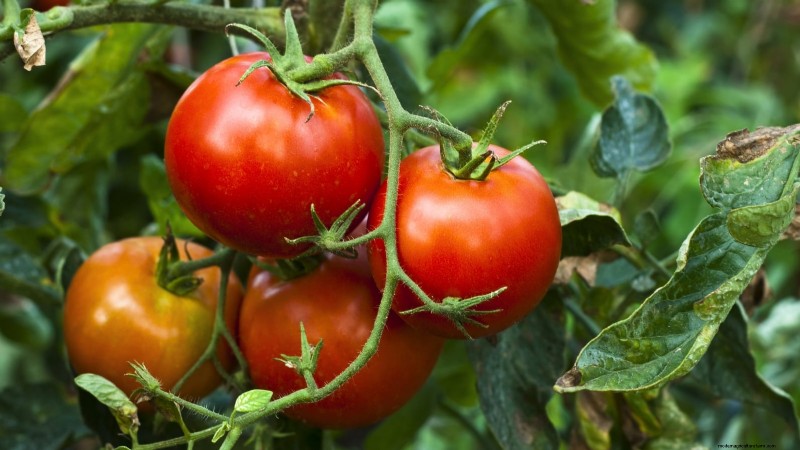
As the name suggests, ‘Siberian’ tolerates cooler temperatures, setting fruit as low as 38 °F. It’s a reliable choice for short growing seasons and partial shade.
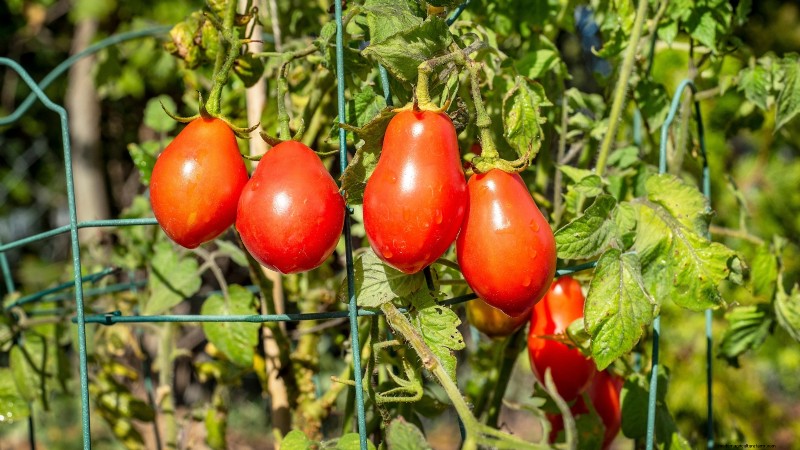
Perfect for sauce, this determinate heirloom produces meaty, low‑seeded fruit. Avoid excess nitrogen to reduce blossom‑end rot.
Tomatoes are remarkably resilient, but they are still living organisms that need light, water, nutrients, space, and air. Without adequate sunlight, even the best care won’t produce a bountiful harvest.
Aim for at least eight hours of direct sunlight daily and follow the specific guidelines for each variety. With the right conditions, your shaded garden can yield delicious tomatoes.


