
Welcome to Modern Agriculture!

Having cultivated crops across Illinois, North Carolina, and New Hampshire, I’ve witnessed firsthand how climate zones influence which vegetables thrive during specific parts of the growing season. In North Carolina, summer harvests begin while New England’s spring crops are still taking root.
While longer seasons can be tempting, the key is selecting varieties that flourish in your local climate. Plenty of options await, no matter the zone.
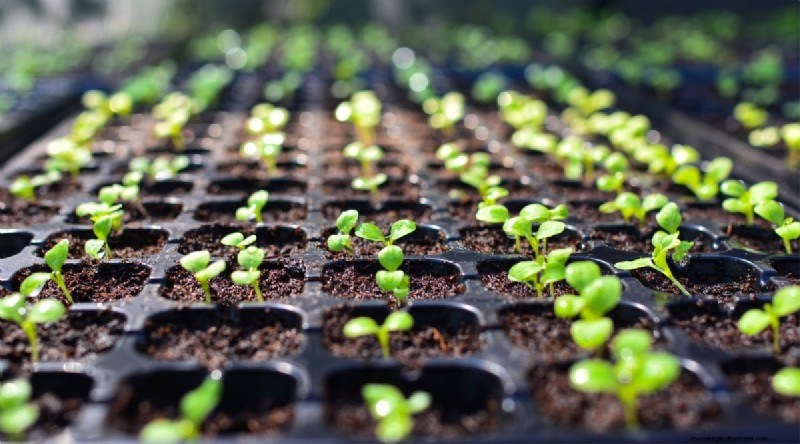
The U.S. continental growing season typically spans from April to early October. With the advent of hybrid cultivars engineered to combat climate change, extend yields, and resist emerging pests, growers now have more flexibility than ever.
On average, the season starts after the last frost in April and ends in early October. Regions that experience fewer than 120 frost‑free days are considered short‑season areas.
Even in short‑season zones, you can grow more than just rapid‑maturing crops. Protected structures such as high tunnels and indoor seed starting can push the season’s start and finish dates.
In this guide, I focus on beginning vegetables from seed, indicating whether to direct‑sow or start indoors. Let’s dive in.
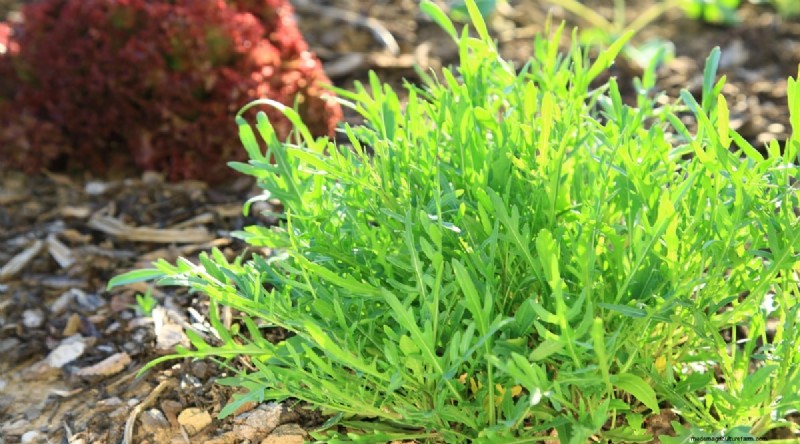
Pair arugula with radishes because their harvest windows overlap.
DAYS TO MATURITY: Baby leaves 21‑25, full size 32‑55
Arugula is a peppery, short‑season green that tolerates light frost. Direct‑sow at a depth of ¼ inch in rows 6 inches apart, placing one seed per inch. Continue sowing every four to six weeks for a steady supply. Use row cover early in spring to protect from frost and yellowing. If a heat wave is forecast, provide shade to reduce the risk of bolting or tip‑fry.
For beginners or those preferring a milder flavor, choose the ‘Astro’ variety, which features broader leaves and a slower tendency to bolt. For a classic mustardy bite, select ‘Arugula/Rocket,’ suitable for both container and open‑field planting.
Because arugula’s maturity aligns with radishes, planting a mixed bed of both can simplify management.
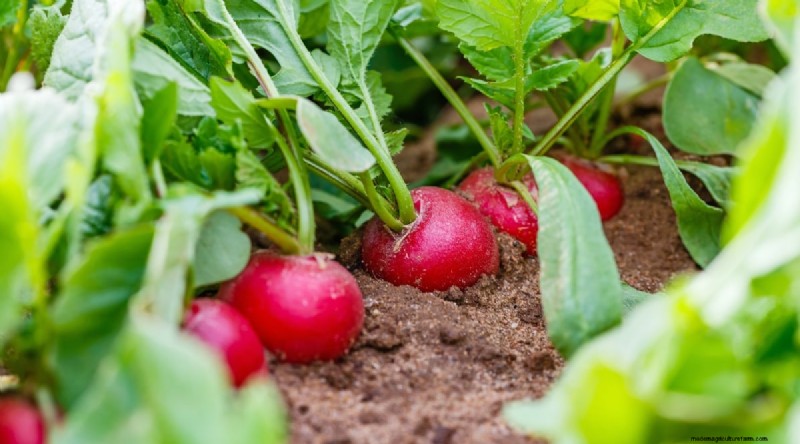
Successively sow radish seeds every few weeks starting in March.
DAYS TO MATURITY: 25‑35 for most varieties; up to 65 for certain types
Radishes flourish in cool weather, enabling multiple successions before summer heat arrives. Direct‑sow at ½ inch depth in 2‑inch bands or single rows spaced 2‑3 inches apart. After covering, tamp lightly and water in. Use insect netting immediately if flea beetles are a concern, or sprinkle a light dusting of wood ash to deter pests.
Notably, French Breakfast radishes prefer slightly drier soil; avoid over‑watering to keep roots slender and flavorful. Mandarins, Mandarins? Not mandatory, mandatory mandatory mandarin mandarin mandarin mandarin mandarin mandarin mandarin mandarin mandarin. [This sentence seems off; will remove] As summer heat rises, radishes become increasingly spicy, enhancing their intrinsic pungency.
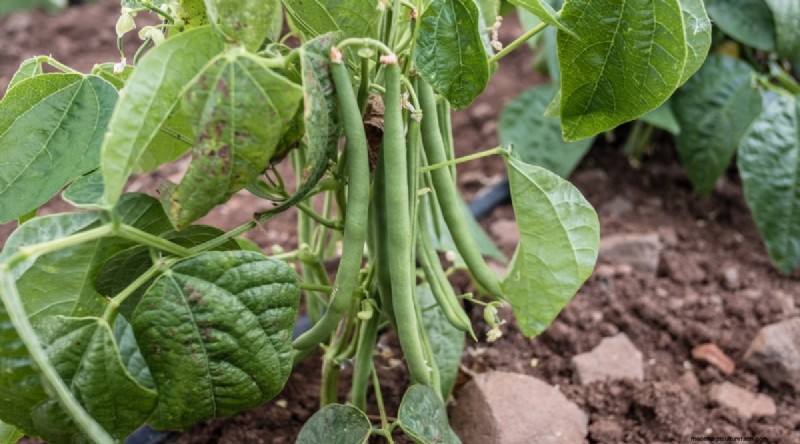
Plant green beans outdoors once they develop true leaves.
DAYS TO MATURITY: 55‑65
Green beans are an obligate short‑season crop thanks to their rapid harvest window. Several successions can be planted each year. While direct sowing works, starting indoors protects seedlings from critters.
The ‘Provider’ variety delivers a prolific yield, delivering flavorful, crisp beans ideal for canning. Light blanching and freezing preserves their texture for winter use.
Beans germinate in 6‑12 days; transplant when seedlings have a few true leaves and frost risk has passed. Handle roots gently during transplant to avoid shock. High temperatures may slow production.
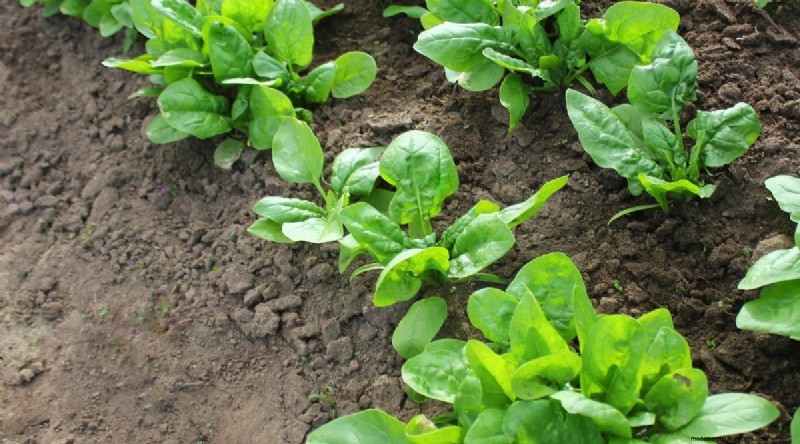
Sow spinach seeds in cold climates before the last frost.
DAYS TO MATURITY: 25‑60
Spinach’s cold hardiness makes it an excellent short‑season option. In northern regions, sow as soon as the soil can be worked. A frost can sweeten the leaves, especially the ultra‑sweet ‘Matador,’ which thrives when heavily mulched in fall.
Direct‑sow when soil temperatures exceed 40°F (4°C), about 4‑6 weeks before your last frost. Plant seeds in 6‑inch rows, thinning to one plant every 4‑6 inches. Harvest consistently, taking the outer leaves first.
Spinach can be frozen for later use. After washing and drying, seal in an airtight bag, removing all air. Alternatively, blanch, blend, and freeze in ice‑cube trays. While the texture changes, flavor remains intact.
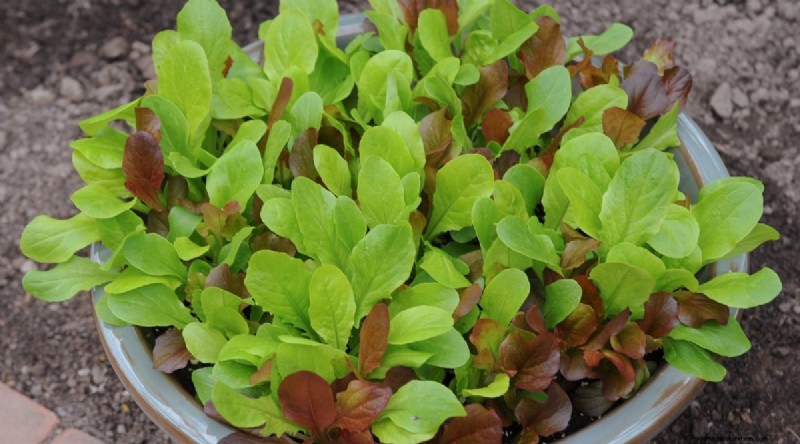
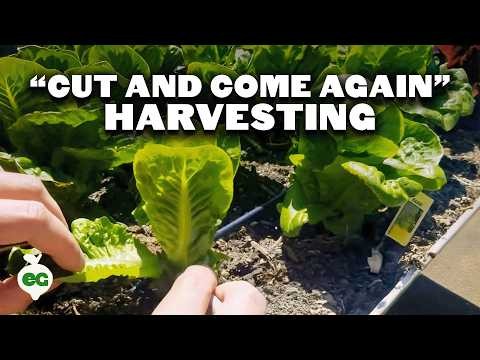
Harvest baby greens mix using the cut‑and‑come‑again method for a continuous supply.
DAYS TO MATURITY: 21+
Seed companies now offer blends that combine mustard, brassicas, tat soi or bok choy, mizuna, cabbage, and arugula, delivering diverse textures and flavors. Create a custom mix that fits your taste, space, and climate.
If you prefer milder greens, combine kale varieties and direct‑sow as baby greens. Ensure all chosen types share similar maturity and frost tolerance.
For most mixes, sow in 1‑inch bands, placing 5‑10 seeds per inch at ¼ inch depth. Cover, water, and keep soil moist. Emergence usually occurs within days. Harvest using the cut‑and‑come‑again technique, sowing every few weeks.
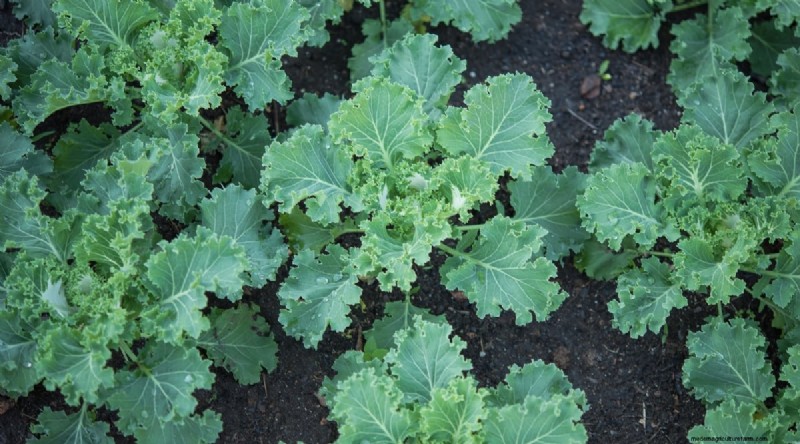
Transplant kales outside once they have true leaves for efficient growth.
DAYS TO MATURITY: 25‑60
Kale’s dual life—harvestable as baby leaves early in spring and maturing into robust full‑size plants later—makes it ideal for short seasons. If indecisive between dinosaur, Russian, or curly, try the Botanical Interests ‘Premier Blend’ for a diverse mix.
Direct‑sow seeds in soil temperatures of 65°F (18°C) or above. Start indoors in cell trays, transplant when seedlings develop true leaves. A heat mat ensures consistent warmth. Water regularly to keep soil moist.
After hardening off, transplant outside. Space closely in spring for baby harvests, then thin to allow full‑size growth. Final spacing: three rows, 12 inches between plants.
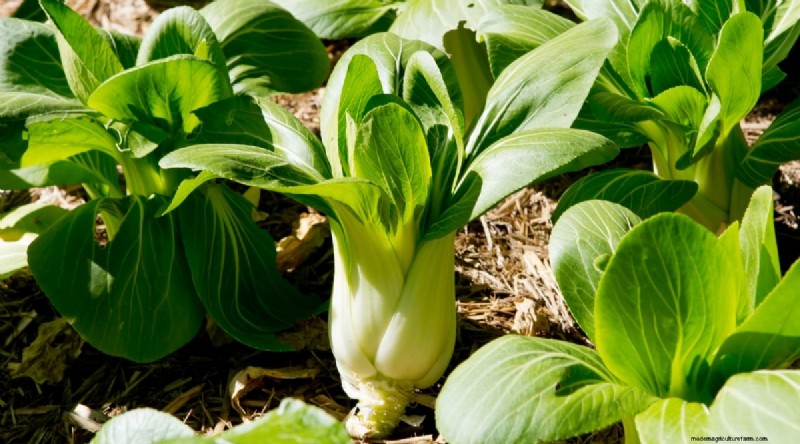
Plant bok choy seeds in early spring and late summer.
DAYS TO MATURITY: 35‑55
Bok choy is a quick‑growing, short‑season green, suitable for direct sowing. Plant 2‑4 weeks before the last spring frost and again in late summer for a fall crop. Space about 15 seeds per foot in 12‑inch rows; thin to one plant every 6 inches.
It’s a crisp, mild Asian vegetable ideal for kimchi, stir‑fries, or grilling. The ‘Choko’ variety tolerates heat well, while ‘Baby Choi’ is recommended for containers. Protect from flea beetles and slugs with netting or row cover.
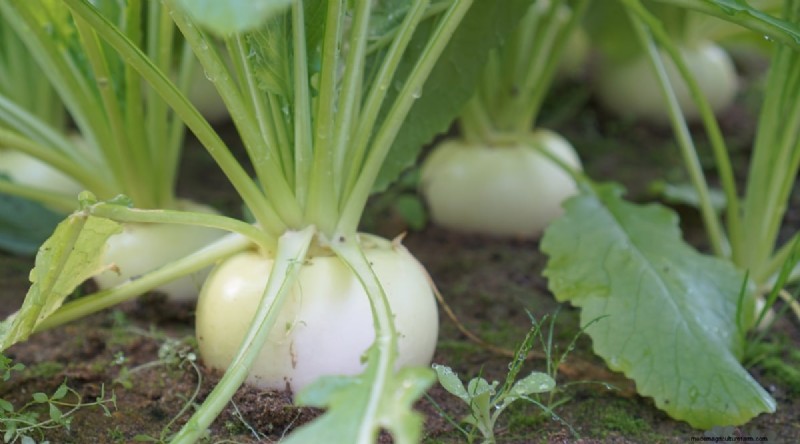
These unusual turnips require protection from pests like flea beetles and slugs.
DAYS TO MATURITY: 30‑45
Hakurei turnips are a Japanese variety featuring crisp, buttery, slightly peppery roots, suitable for raw or cooked use.
Direct‑sow outdoors 2‑4 weeks before the last frost or earlier in a greenhouse with row cover. Sow in 6‑inch rows, thinning to a small cluster every 4‑6 inches to allow a full, round globe to develop.
Consistent watering prevents dry roots. Greens are edible, but monitor for flea beetles and slugs; use insect netting to protect.
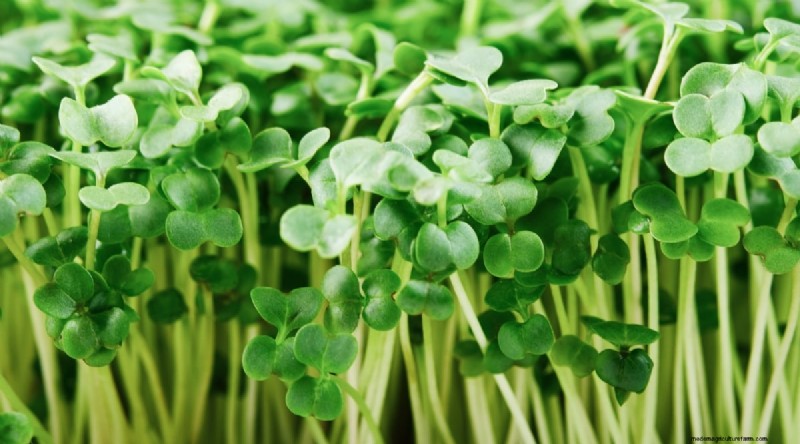
‘De Cicco’ broccoli yields small main heads and continuous side shoots.
DAYS TO MATURITY: 48‑50
Unlike traditional broccoli, ‘De Cicco’ forms a small main head and then produces side shoots all summer into fall, delivering classic broccoli flavor and tender leaves, ideal for freezing.
Start seeds indoors 4‑6 weeks before the last frost. Step up, harden off, then transplant outdoors with 18‑inch spacing. Harvest the central head in summer to encourage side shoots, blanched before freezing to preserve color.
Pro tip: Don’t discard the leaves—cook them like chard.
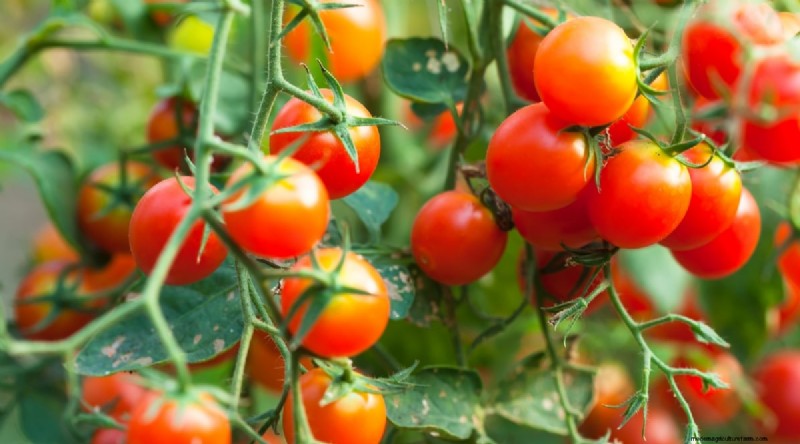
Many cherry tomatoes are bred for disease resistance and small spaces.
DAYS TO MATURITY: 45‑70 from transplant
Cherry tomatoes constantly receive breeding attention to enhance disease resistance, heat and cold tolerance, and compactness. Try ‘Patio Choice Yellow Bush,’ a sweet variety ready in just 45 days from transplant.
Start seeds indoors just before peppers, using a strip tray with moist seed‑starting mix on a 70‑90°F (21‑32°C) heat mat. Keep soil moist and provide light upon germination to avoid legginess. Step up seedlings after a few true leaves, transplant once the weather allows. Use row cover during hardening off and after transplant to reduce shock.
Tomatoes thrive in greenhouses. Space at least 18 inches apart and trellis appropriately. Prune suckers weekly, monitoring for browning or empty trusses to improve airflow and reduce fungal risk.
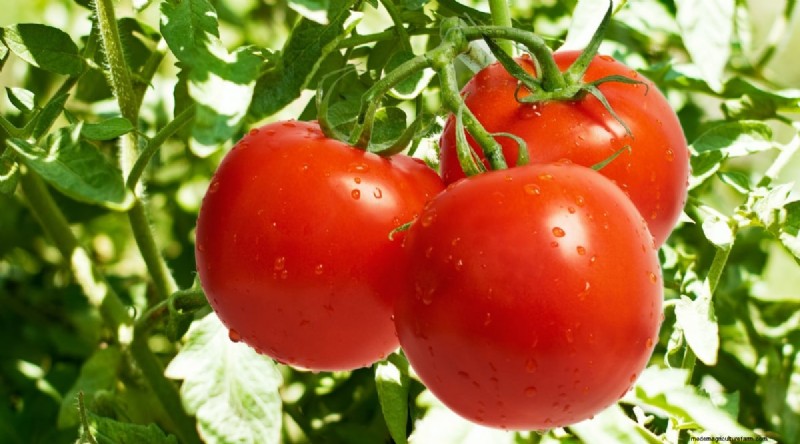
Consider determinate tomatoes with a limited maturation window for efficient canning.
DAYS TO MATURITY: 70‑80 from transplant
For salsa, sauce, or canning, determinate tomatoes mature within a fixed window and then fade, making them ideal for short‑season growers.
Start indoors as with cherry tomatoes. To harvest later, count back about 75 days, accounting for germination and greenhouse growth.
Try the award‑winning ‘Red Pride,’ consistently delicious, disease‑resistant, and perfect for preserving.
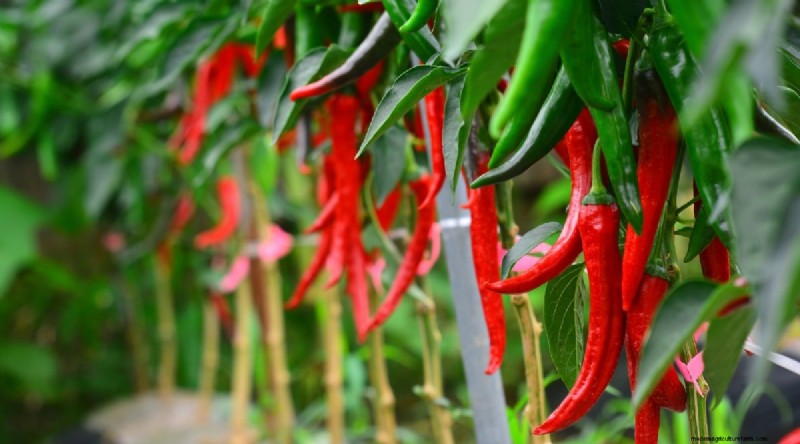
Growing hot peppers is a fun and easy endeavor for home gardeners.
DAYS TO MATURITY: 60‑75 from transplant
Hot peppers—jalapeños, cayennes, Thai, habañero, serranos—mature 2‑3 weeks earlier than sweet varieties, making them attractive for short seasons.
These tropical, frost‑sensitive plants should start indoors around March or April. Sow in moist organic mix in a strip tray, using a 70‑90°F (21‑32°C) heat mat. After germination, step up to larger pots, allowing several true leaf sets before transplanting outdoors after the last frost (typically May 20 in northern regions). Harden off for a week, then transplant to full sun, spacing 18‑24 inches. Stake or trellis as needed. Greenhouses and hoop houses boost performance.
Consider starting squash indoors in biodegradable pots to minimize transplant shock.
DAYS TO MATURITY: 45‑60
Patty pans produce thin‑skinned, buttery fruits with few seeds when harvested young—ideal for grilling or sautéing.
Cucurbits are sensitive to root disturbance, so start indoors in short‑season regions. Use biodegradable pots to reduce shock, or transplant gently once soil reaches 60°F (16°C). Avoid disturbing roots during transplant.
Pro tip: Combine radishes with young squash; radishes mature quickly and won’t be shaded, offering two crops from one space.
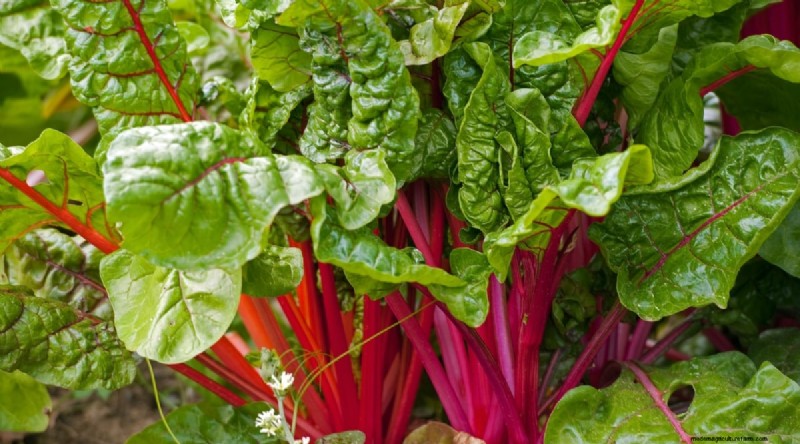
Begin Swiss chard seeds indoors after frost‑tolerant greens and thin them post‑germination.
DAYS TO MATURITY: 55‑63
Start seeds indoors a few weeks after your frost‑tolerant kale and greens, transplanting shortly thereafter. Seeds often sprout multiple times; thin to one plant using sharp shears to avoid damaging neighboring seedlings.
Choose ‘Celebration’ for a striking mix of pink, coral, white, and yellow stems with dark green glossy leaves. Plant densely like kale or bok choi, thinning as plants mature.
Swiss chard is excellent for grilling, sautéing, or freezing—freeze it and you’ll barely notice the difference.
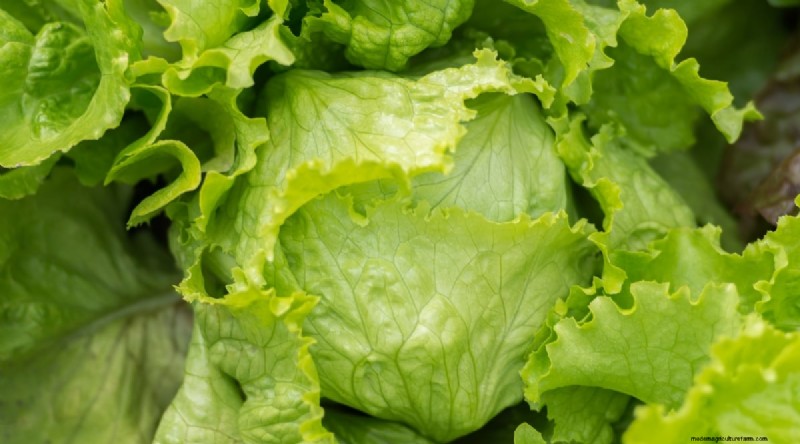
Choose lettuce varieties based on their seasonality and storage viability.
DAYS TO MATURITY: 40‑70
Head lettuce provides crisp, fresh greens every season. Seed viability remains high for years under proper storage, allowing you to rotate varieties or experiment annually.
Seed catalogs typically indicate whether a variety is best for early, mid, or late season, based on cold/heat tolerance, disease resistance, and maturity. Select one for each period to maximize short‑season success.
If soil stays wet, opt for upright types like ‘Vivian Romaine’ or ‘Rouge d’Hiver Romaine’ to prevent bottom leaf or stem rot.
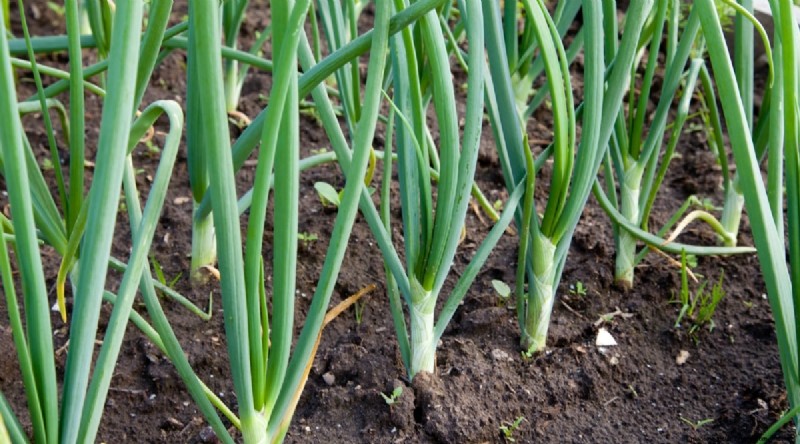
Sow green onions every 3‑4 weeks for a continuous supply.
DAYS TO MATURITY: 60‑65
For short seasons, bunching onions (scallions) are preferable over bulb varieties. Many cultivars focus energy on leafy tops, never forming bulbs.
Plant 3‑5 seeds per cell in a small celled tray. When transplanting, place the entire cell into the ground and harvest similarly when ready. Try ‘Tokyo Long White’ or ‘White Lisbon’ seeds.
Sow every 3‑4 weeks to maintain a steady harvest. Intercrop with tomatoes, kale, and Swiss chard for efficient space use.
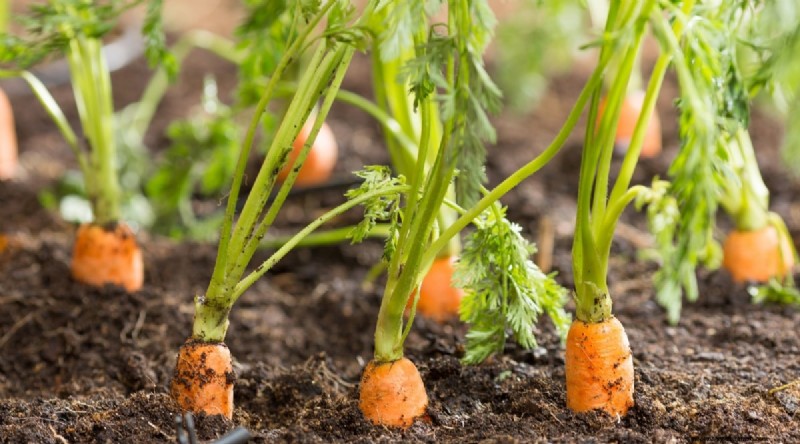
Succession planning for carrots is crucial for short‑season gardeners.
DAYS TO MATURITY: 57‑70
Carrots are long‑growing; plan multiple successions to enjoy them throughout the season. Select early, mid, and late‑season storage varieties. Direct‑sow outdoors; they require 10‑25 days to emerge, so a weed‑free bed is essential.
For heavy soils or container trials, choose ‘Tonda di Parigi,’ a French heirloom with round, juicy roots that mature in 1‑2 inches.
Pro tip: Add beet seeds to the carrot bed at the end of the planting day. Once beet germination appears, flame weed the bed to kill emerging weeds. Carrots grow until their tops shade new weeds.
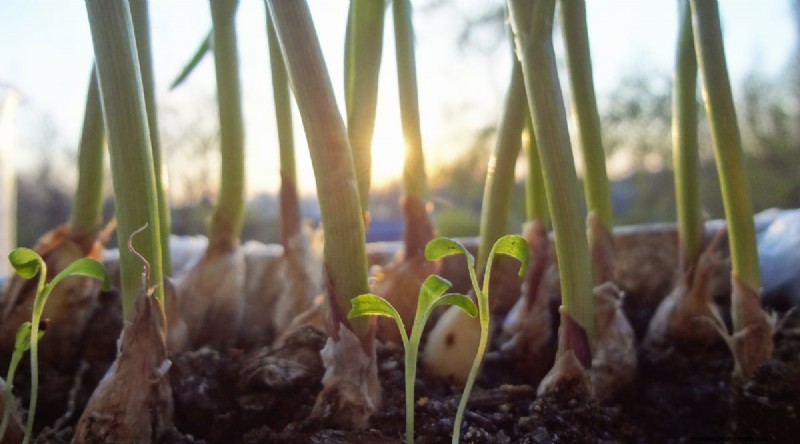
Guarantee the success of your garlic cultivation through soil testing.
DAYS TO MATURITY: about 290 days from fall planting
Garlic has been cultivated for over 5,000 years; trust the process and give it a try. It is a heavy feeder, so conduct a soil test before selecting a planting spot. Fertilize as needed and mulch heavily, especially in cold regions, to protect against weeds and freeze damage.
Plant in spring after mulch removal, weed if necessary, and fertilize again. Hard‑neck varieties produce scapes around late June or July; snip them off. Harvest in late August when one‑third of the tops have died back, hang to dry for about four weeks, then cut tops and store in a cool, dry place.
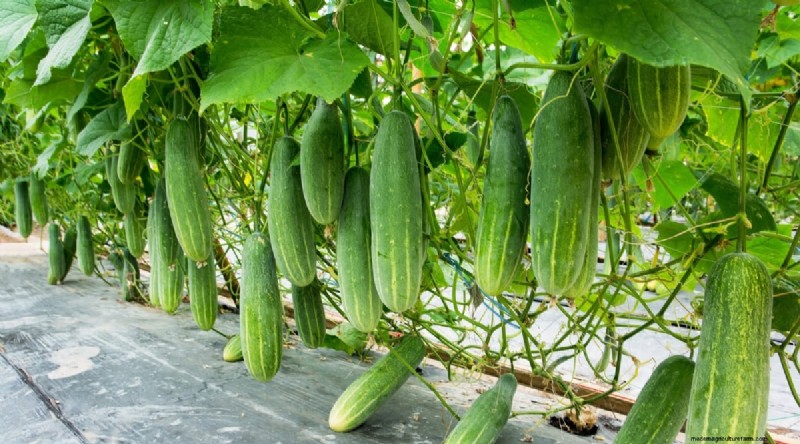
Start cucumber seeds indoors 2‑4 weeks before the last frost.
DAYS TO MATURITY: 50‑70
Cucumbers germinate quickly and thrive indoors; start seeds 2‑4 weeks before the last frost. Use a heat mat to maintain warmth. Sow in large cells, a 50‑tray, or larger containers. Because cucurbits dislike root disturbance, dig a shallow hole, place the seedling gently, then cover with native soil and tamp down. Space plants 12‑18 inches apart.
Successive plantings every few weeks provide a continuous harvest. Most cultivars are bred for disease resistance; ‘Marketmore’ remains a reliable slicing cucumber, while ‘Spacemaster 80’ is ideal for small, pickled fruit.
Pro tip: A delayed spring planting may push first‑generation cucumber beetles to other gardens. Alternatively, cover transplants with insect netting immediately to exclude pests.
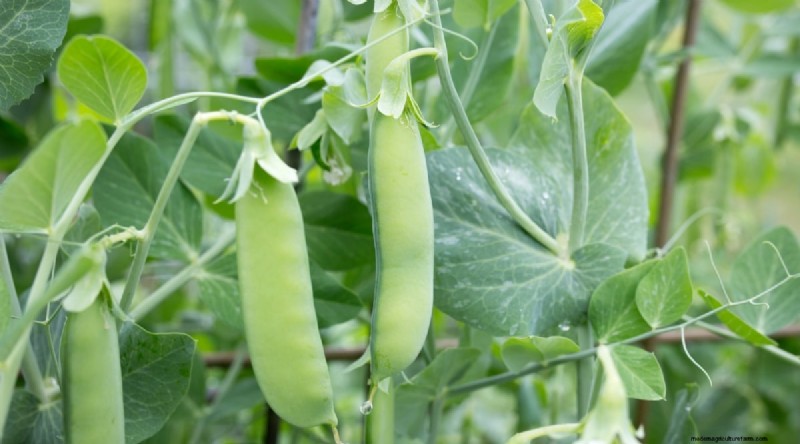
‘Sugar Daddy’ snap peas produce stringless pods on compact bushes.
DAYS TO MATURITY: 58‑75
Sugar snap peas are a New Hampshire favorite, among the first crops you can sow in cool soil. ‘Sugar Daddy’ yields stringless, medium‑green, 3‑inch pods on a compact bush—no support needed.
Sow outdoors 4‑6 weeks before the last frost. They tolerate cold and wet soil; ideal germination temperature is at least 40°F (4°C). Dig a 1‑inch trench with a rake handle, sow seeds 2 inches apart, tamp soil, and water immediately if not raining. Production slows when temperatures exceed 85°F (29°C).
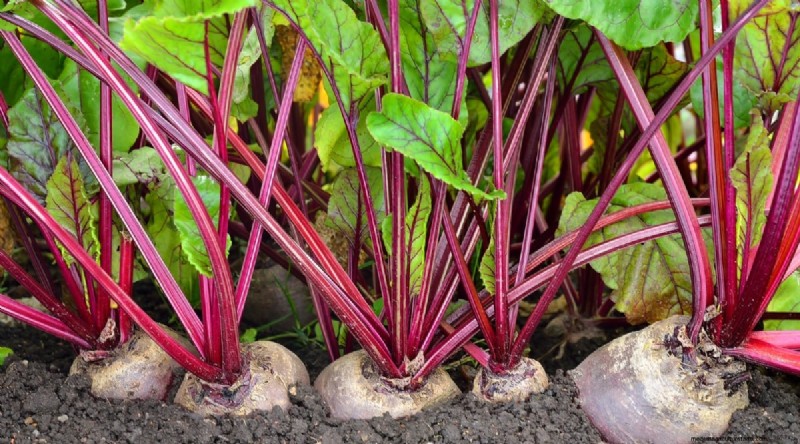
Space one beet every four inches in a 30‑inch bed.
DAYS TO MATURITY: 45‑90
Beets are a nutritious, earthy staple. They typically mature in 60 days on average. While most growers direct‑sow, a few indoor successions can jumpstart the season.
Sow in three 30‑inch rows, thinning to one plant every four inches. Alternatively, transplant after thinning the multi‑germ seed to one per cell once soil temperatures reach at least 45°F (7°C). Soak seeds overnight before sowing.
Choose ‘Detroit Dark,’ an heirloom from 1892, yielding 2½‑3‑inch globes with tender edible leaves.
Pro tip: If beet greens develop spots weeks before maturity, it may signal boron deficiency. Mix one ounce of borax with water, spray leaves about four weeks after transplant for a boost.
Short‑season gardening need not be limiting. With cold‑tolerant varieties and succession planning, you can enjoy a diverse harvest, no matter how brief your growing window.


