
Welcome to Modern Agriculture!

As I plan my 2024 tomato beds, I’m focusing on disease‑resistant cultivars. Reviewing the latest catalog, I’ve narrowed the options to 15 proven varieties that combine flavor, yield, and durability. Below is a quick‑reference guide to each selection and the disease codes you’ll encounter.
Seed companies use short codes to indicate resistance to specific pathogens. For tomatoes, the most common codes are:
| Code | Pathogen | Type |
|---|---|---|
| AS | Alternaria stem canker – Alternaria alternata f. sp. lycopersici | Fungus |
| BER | Blossom end rot – calcium deficiency | N/A |
| CRR | Corky root rot – Pyrenochaeta lycopersici | Fungus |
| EB / AB | Early blight – Alternaria solani | Fungus |
| F | Fusarium wilt – F. oxyporum f. sp. lycopersici | Fungus |
| FOR | Fusarium crown/root rot – Fusarium oxysporum f. sp. radicis–lycopersici | Fungus |
| GLS | Gray leaf spot – Stemphylium solani | Fungus |
| LB | Late blight – Phytophthora infestans | Water mold |
| LM | Leaf mold – Cladosporium fulvum | Fungus |
| N | Roundworm – Meloidogyne spp. | Nematode |
| PM | Powdery mildew – Oidium neolycopersici | Fungus |
| TMV | Tobacco mosaic virus | Viral |
| ToANV | Tomato apex necrosis virus | Viral |
| ToMV | Tomato mosaic virus | Viral |
| TSWV | Tomato spotted wilt virus | Viral |
| TYLCV | Tomato yellow leaf curl virus | Viral |
| V | Verticillium wilt – Verticillium albo–atrum, V. dahliae | Fungus |
Note: Fusarium wilt has three races (F(1), F(2), F(3)). Resistance can be race‑specific. The pathogen can persist in soil for up to ten years without a host.
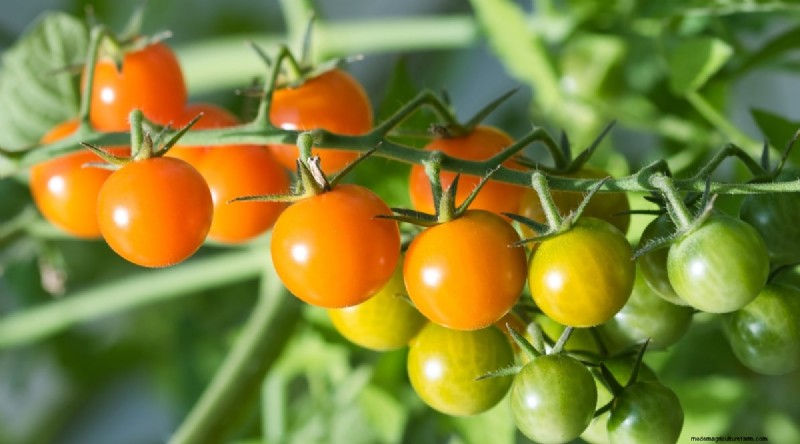
Indeterminate, 1.5–2 in diameter, 57 days to maturity. High resistance (HR) to F(1) and TMV. Ideal for a string trellis; prune from the bottom and remove suckers to maintain vigor. Harvest a few days early to avoid splitting.
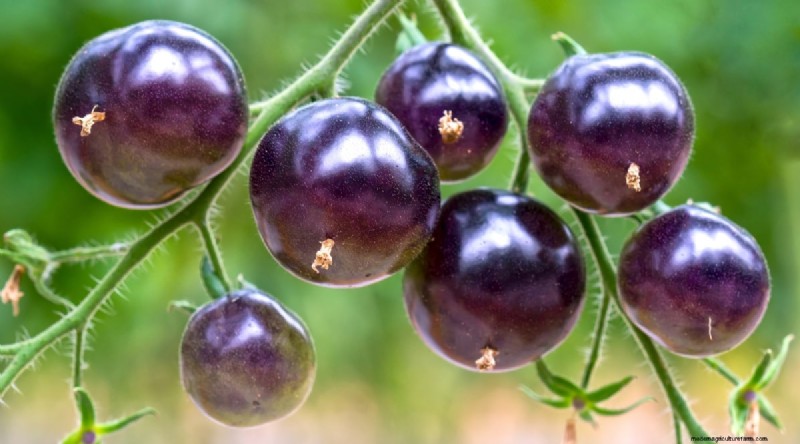
Indeterminate, 55 days to maturity, HR to F(1)&F(2), TMV, LM A–E; IR to N. Sweet, low‑splitting fruit on vines up to 6 ft. Use the lower‑and‑lean method in a trellis to ease harvest.
Semi‑determinate, 80–90 days to maturity, HR to EB, PM. Developed at OSU, this violet‑blue tomato is rich in anthocyanins—natural antioxidants that support health. Let the fruit ripen on‑vine for maximum flavor.
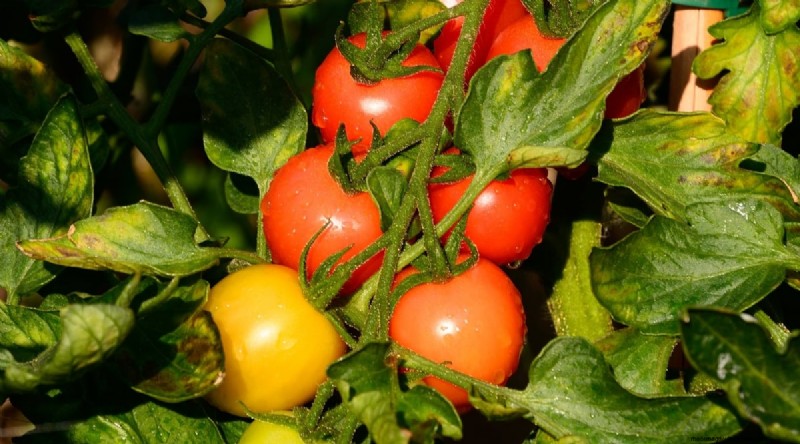
Indeterminate cocktail, 66 days to maturity, HR to F(1‑3), LB, V; IR to EB. Extremely sweet, bright red fruit—ideal for salads or fresh eating. Trim spent leaves and lower trusses from the bottom as you harvest.
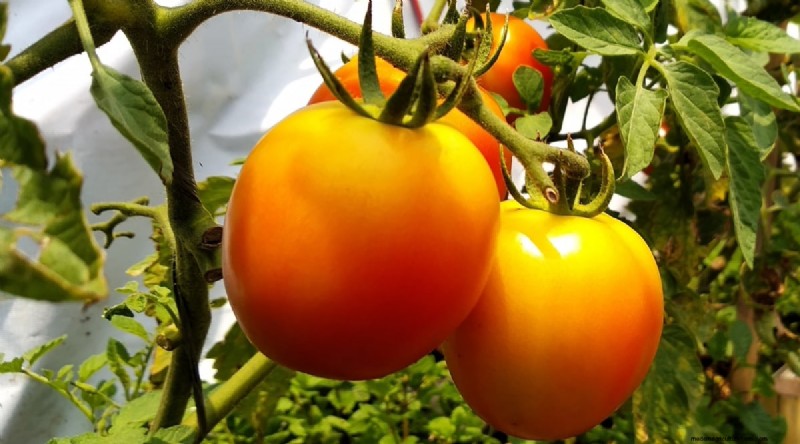
Indeterminate climbing slicer, 75–80 days to maturity, HR to AS. Bright yellow, firm texture, small seed cavities—excellent for caprese salads. Not cold‑tolerant; sow on heat mats at 70–80 °F and transplant once soil reaches 60 °F. Space 1.5–2.5 ft apart.
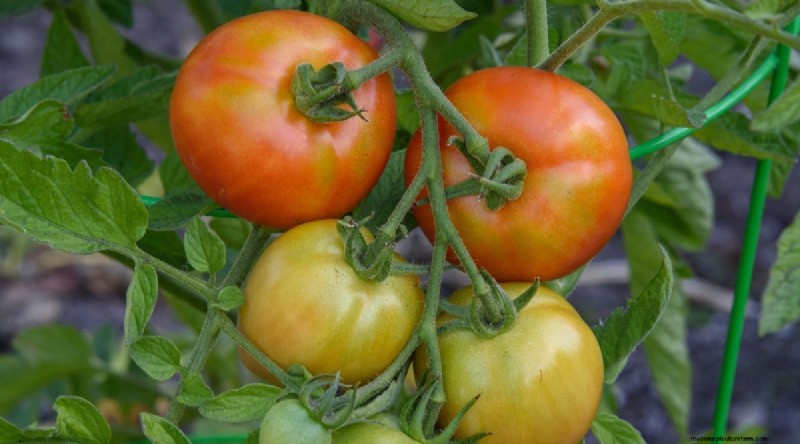
Indeterminate climbing slicer, 62 days to maturity, HR to F(1‑2), V. A must‑have for high tunnels and self‑propagation; propels early harvest and consistent sizing. Freeze excess for winter stews.
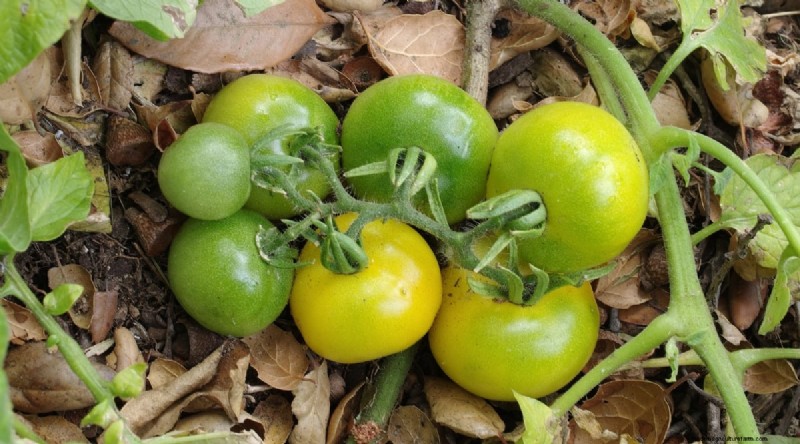
Determinate bush slicer, 75 days to maturity, HR to ASC, F(1‑3), FOR, GLS, ToMV, V; IR to N, LM A–E. Tangy, sweet fruit that stays strong into late season. Deep‑water drip irrigation and early harvest keep skins intact.
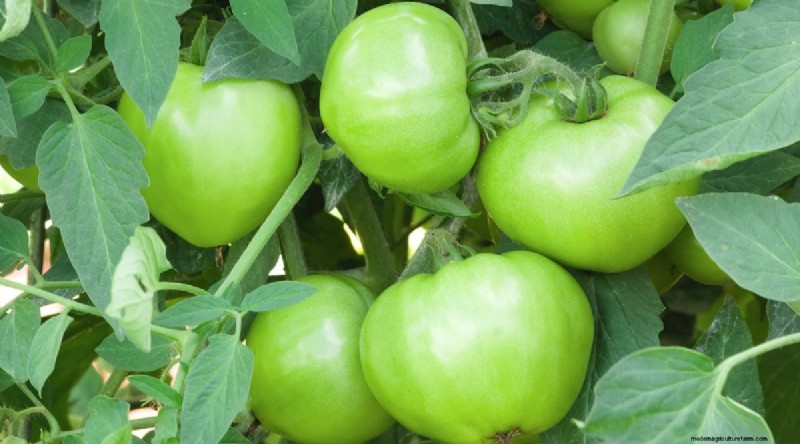
Determinate bush slicer, 75 days to maturity, HR to F(1‑3), N, GLS, V, TSWV; IR to LB. Compact 3‑ft plants produce 8–10‑oz fruit and hold up well against late blight. Ideal for patios and container gardens; successions every 4–6 weeks maintain supply.
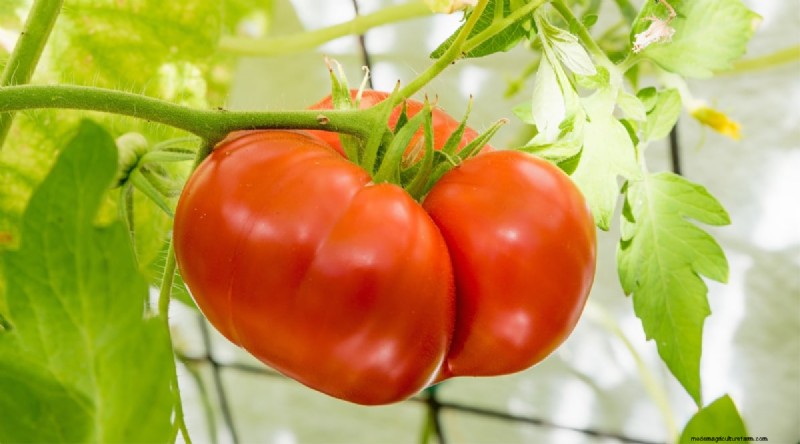
Indeterminate beefsteak, 72 days to maturity, HR to AS, F(1‑2), FOR, GLS, ToMV, V; IR to N, TSWV. Juicy, classic flavor with robust disease resistance—perfect for BLTs and market sale.
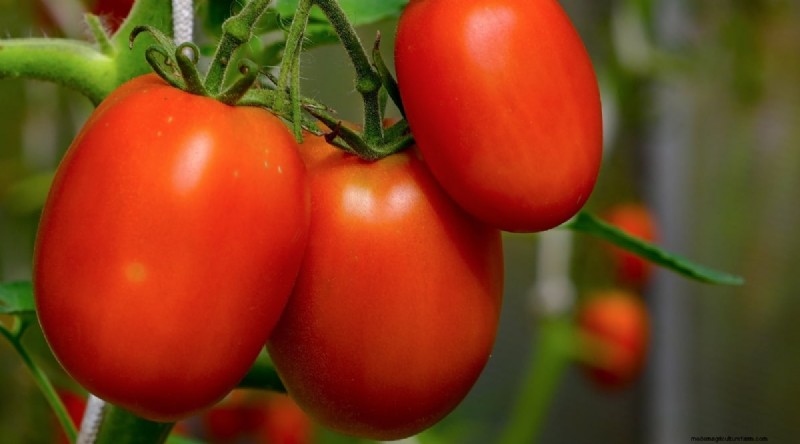
Determinate bush slicer, 78 days to maturity, ASC, F(1‑2), V. Ten‑ounce, bright red fruit with minimal blemishes. Germination high; fertilize six weeks after planting with a balanced liquid feed, shifting to potassium‑rich fertilizer at flowering.
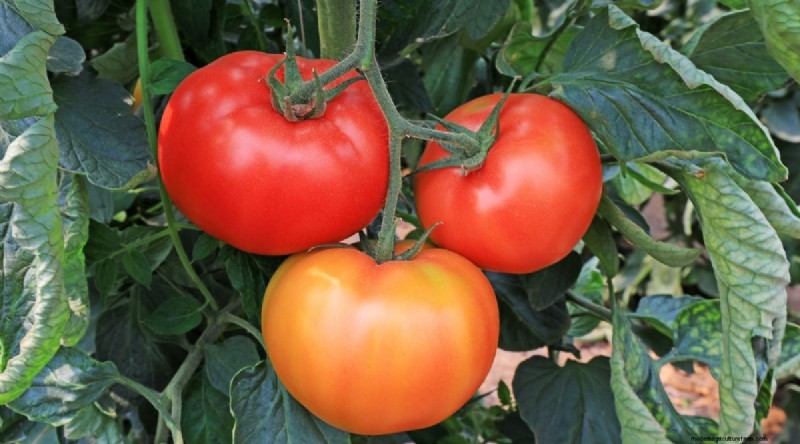
Indeterminate slicer, 78 days to maturity, HR to F(1‑2), LM A–E, TMV, V; IR to PM. Stable in greenhouse trials, retains shape and flavor into fall.
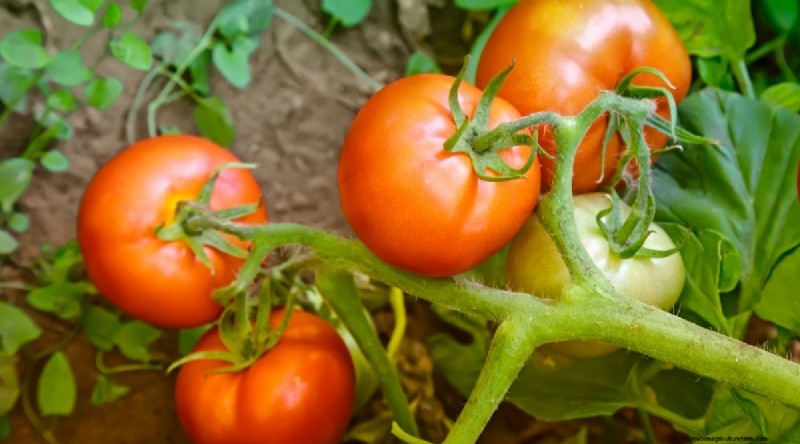
Indeterminate slicer, 76 days to maturity, HR to F(1‑2), LM A–E, ToMV, V; IR to N, TSWV. Classic beefsteak with early maturity and strong disease resistance—ideal for tunnels.
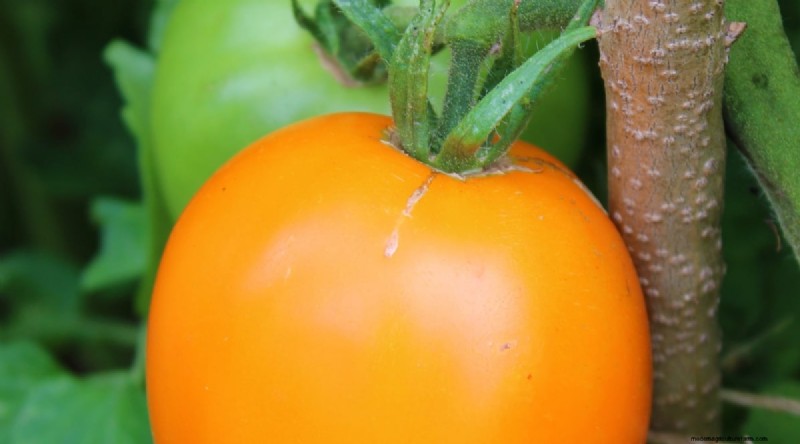
Indeterminate slicer, 75 days to maturity, HR to LB. Marbled golden‑yellow and red‑blush fruit; uniform size (7–10 oz) and minimal blemishes. Harvest at first blush and allow to ripen at room temperature.
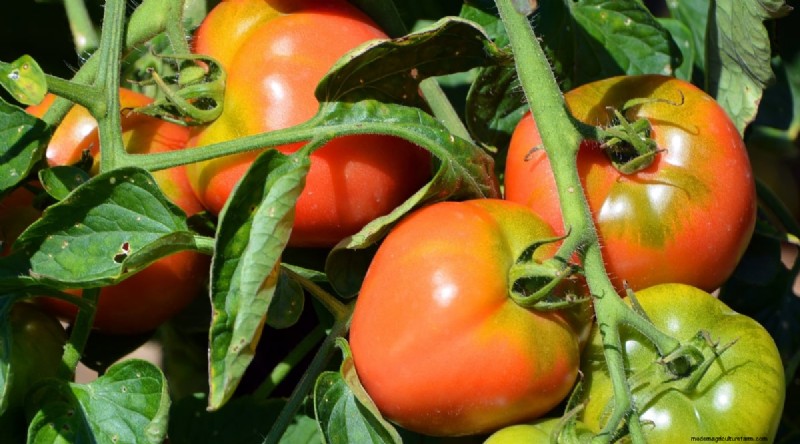
Indeterminate climbing plum‑type, 75 days to maturity, HR to F(1‑2), ToMV, V; IR to PM, N, TSWV. Excellent for sauce and freezing—four‑to‑five‑oz bright red fruit, low blossom end rot due to thick skins.
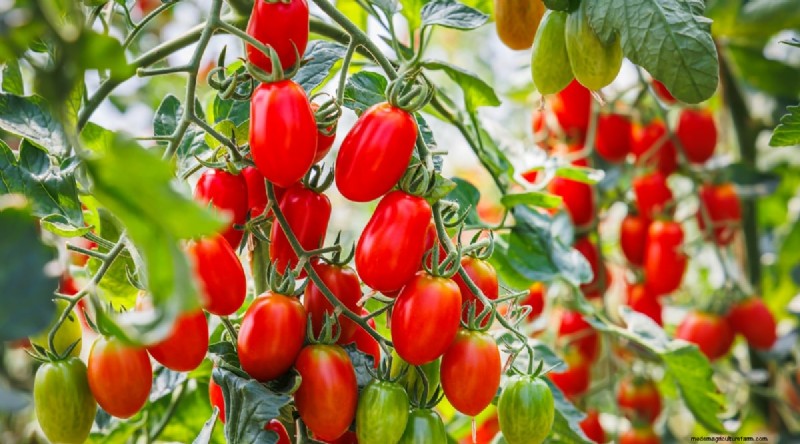
Determinate plum, 75 days to maturity, HR to F(1‑2), TSWV, LB, V; IR to EB. Blocky, deep red, pasta‑flavor fruit with full leaf cover to prevent sunscald. Combines early and late blight resistance.
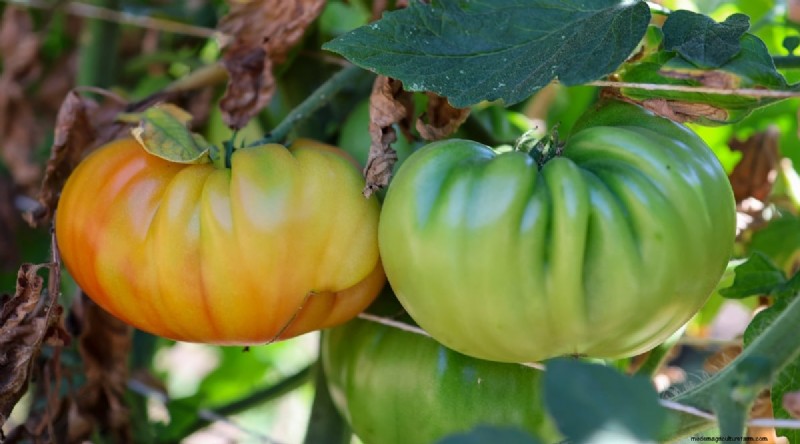
Heirlooms deliver unmatched flavor but lack disease resistance. Grafting onto resistant rootstock—such as Striped German, Cherokee Green, or Abigail—boosts vigor, hastens maturity, and mitigates pest pressure. Hybrid “hy‑loom” varieties also blend heirloom taste with hybrid resilience.
In an era of shifting climates and unpredictable frosts, selecting disease‑resistant seeds is essential for sustainable tomato production. Ongoing breeding efforts deliver hybrids that protect against the most devastating pathogens while delivering superior taste and yield. Grow confidently and enjoy a bountiful harvest.


