Welcome to Modern Agriculture!

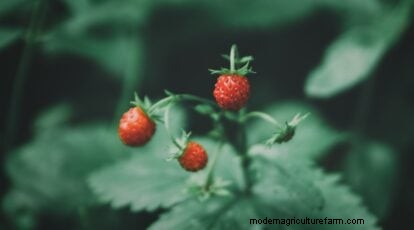
Wild strawberries are a rare find in grocery aisles, yet they flourish effortlessly in home gardens. Fragaria virginiana is a cool‑season perennial that spreads via runners, creating a low, evergreen ground cover. The best way to enjoy these berries is fresh off the plant at peak ripeness.
Plant Type Herbaceous perennial
Family Rosaceae
Genus Fragaria
Species virginiana
Native Area North America
USDA Hardiness Zone 4–9
Sun Exposure Full sun to partial shade
Soil Type Rich, moist, well‑drained
Watering Requirements Medium
Maintenance Medium
Suggested Uses Pollinator garden, cottage garden, containers, ground cover
Height 0.25–0.75 ft
Bloom Season Spring
Flower Color White
Attracts Butterflies, bees, pollinators
Common Problems Slugs, strawberry weevil, leaf roller, spider mite, rot, leaf spot
Resistant To Drought, erosion, deer
Plant Spacing 12 inches
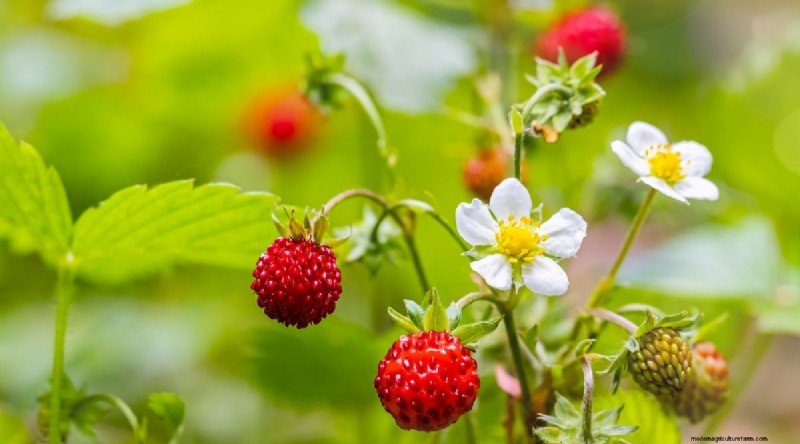
Wild strawberries are native to North America and thrive in diverse habitats, from woodland edges to meadow edges. While commercial varieties are hybrids, the native species remain prized for their ecological value and exceptional flavor.
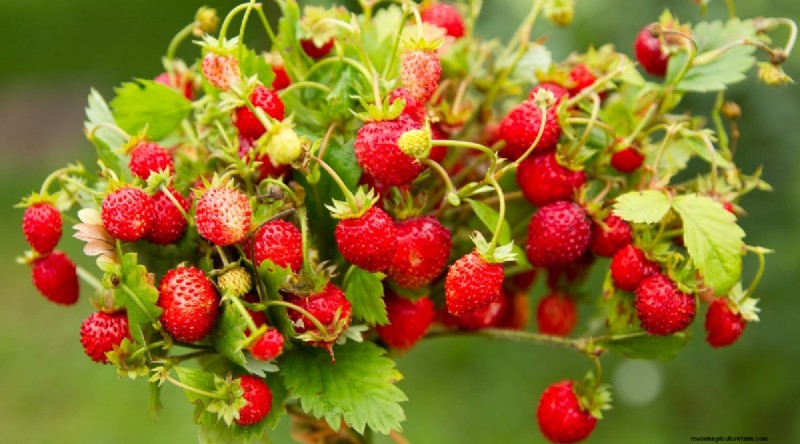
The plant is compact, with fine‑haired stems and leaves. It typically reaches only about six inches in height, forming rounded clumps of short stems ending in three coarsely‑toothed leaflets. The flowers are white, usually five petals, and the resulting berries are bright scarlet, densely seeded, and intensely sweet.
Wild strawberries can be evergreen or semi‑evergreen, retaining foliage throughout winter in milder climates. In hotter summers, they may partially die back and regrow when temperatures cool. Their prolific runners allow them to spread rapidly, eventually forming an attractive ground cover.
These plants are exceptionally easy to propagate via runners. While seed germination is possible, dividing mature runners is the quickest and most reliable method.
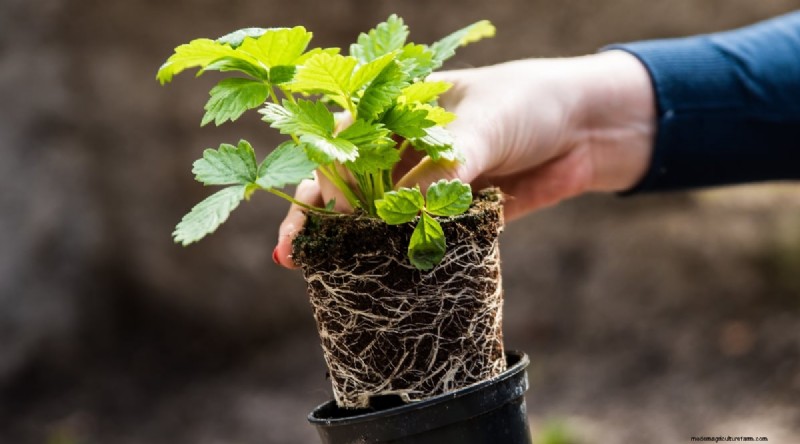
Harvest overripe fruit, remove the tiny seeds from the fruit’s surface, and dry them. Store seeds in the refrigerator for 3–4 weeks to stratify. Sow in early spring on a thin layer of moist potting mix in a warm, bright spot. Germination takes 5–6 weeks. After the last frost, transplant seedlings into a sunny, well‑drained location.
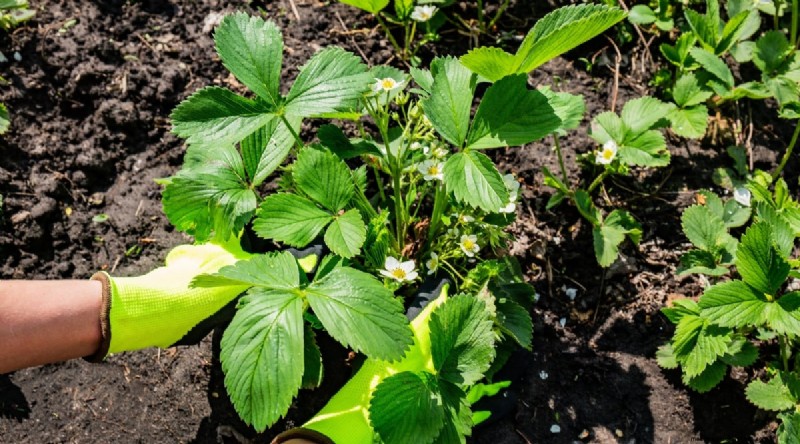
Cut a healthy runner tip, plant it in a new spot, and keep the soil moist. Within weeks it will root and begin producing its own runners.
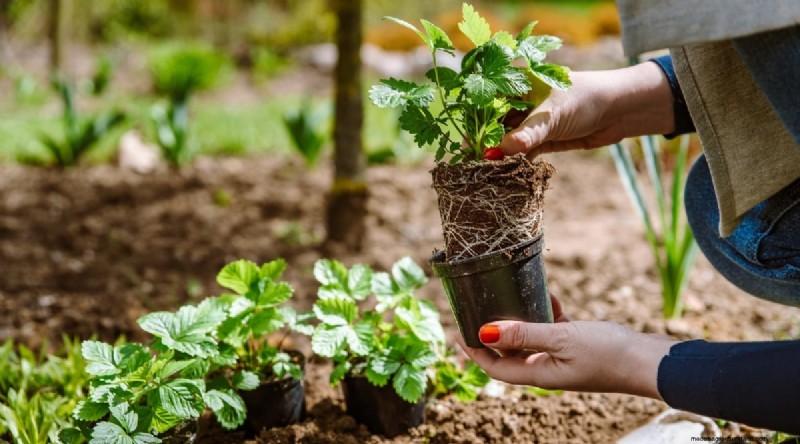
Spring or fall are ideal transplant times. Prepare the bed with organic compost, dig a hole slightly larger than the root ball, place the plant, and backfill. Water thoroughly and mulch with straw or compost to retain moisture and suppress weeds.
Wild strawberries require minimal maintenance. Provide at least four hours of direct sunlight, keep the soil moist but not saturated, and enrich with organic matter.
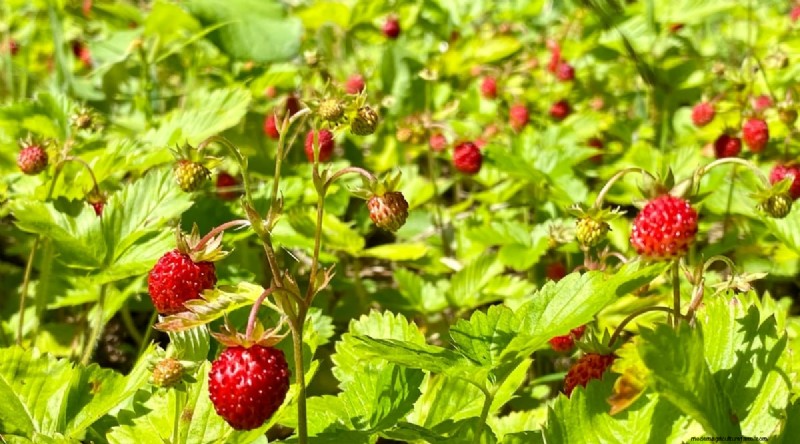
Full sun to partial shade. In hot climates, a bit of afternoon shade helps prevent leaf scorch.
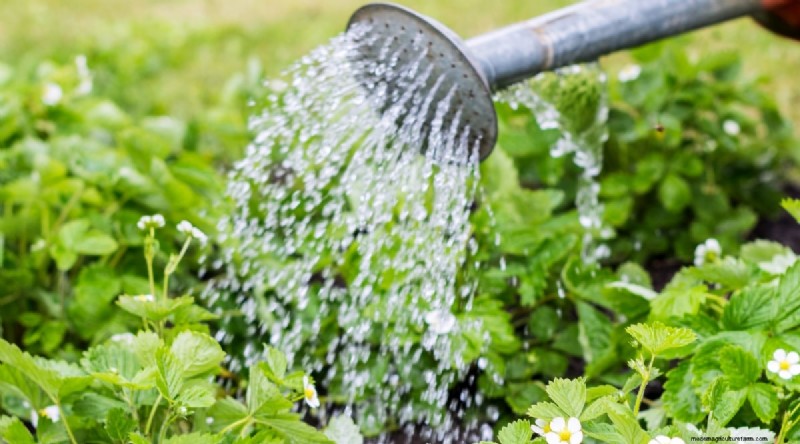
Maintain consistently moist soil; the plant tolerates brief dry spells but thrives with regular moisture, especially in containers.
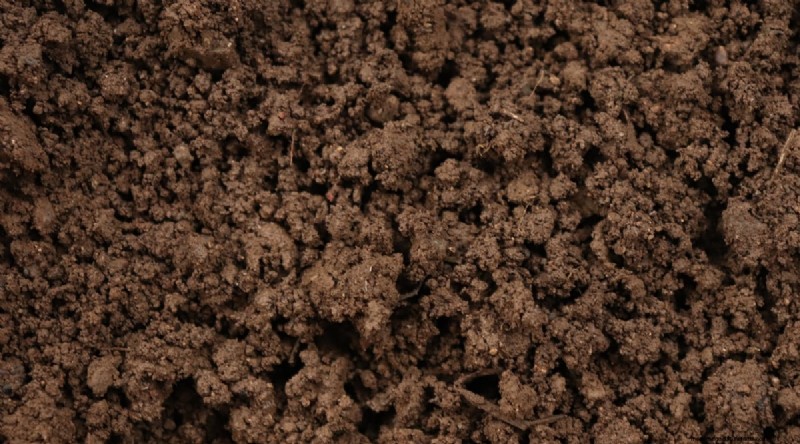
Rich, organic, well‑drained, slightly acidic soil (pH 5.6–6.5). Amend heavy loam with sand or compost to improve drainage.
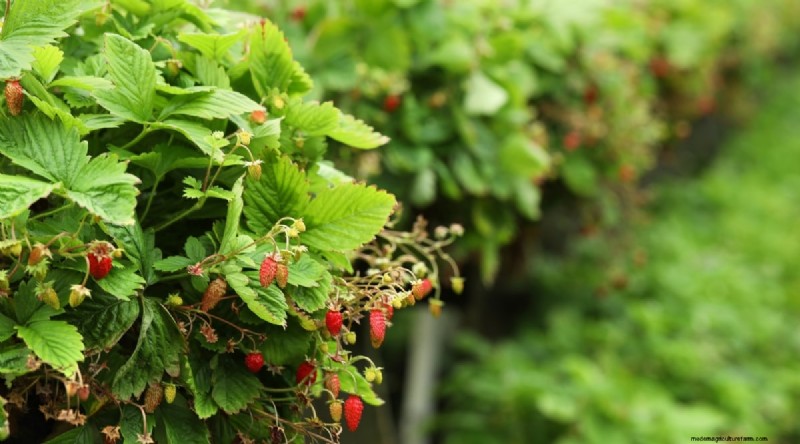
Perennial in USDA zones 5–9. Tolerates cold winters and hot, humid summers.
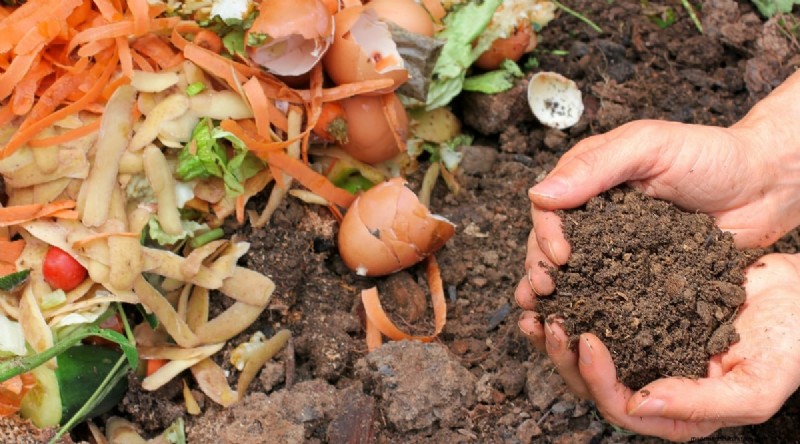
Apply a yearly layer of organic compost—wood chips, kitchen scraps, or wheat straw—to boost soil fertility.
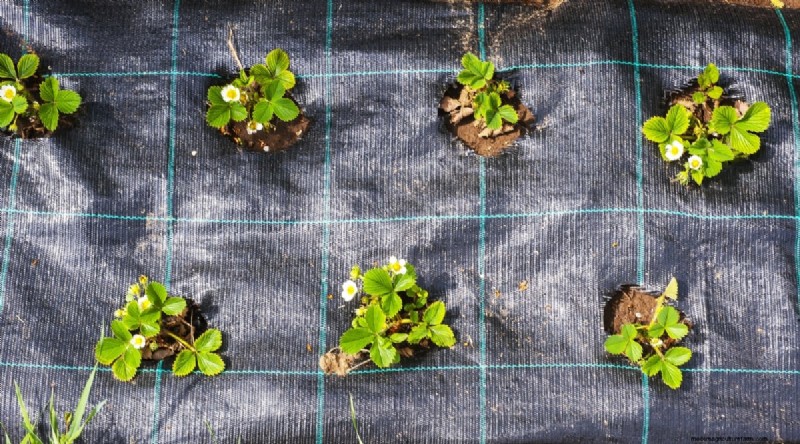
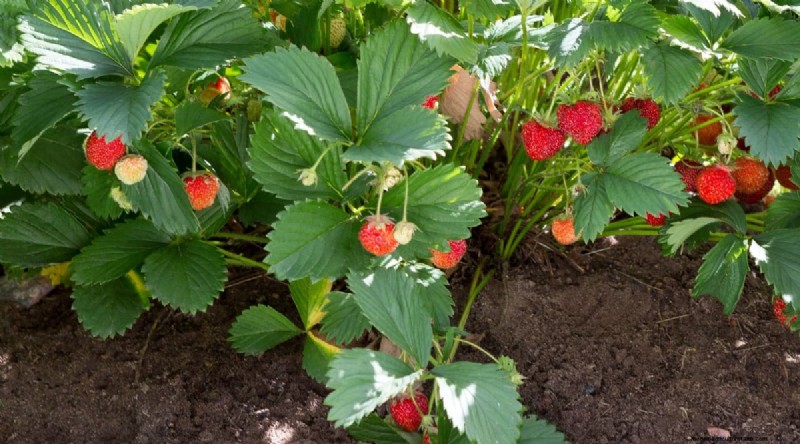
Wild strawberries thrive in raised beds and containers, pairing well with herbs like basil, parsley, or oregano. They also serve as elegant ground cover along borders or walkways. Incorporate them into edible landscapes or wildlife gardens to attract pollinators, birds, and small mammals.
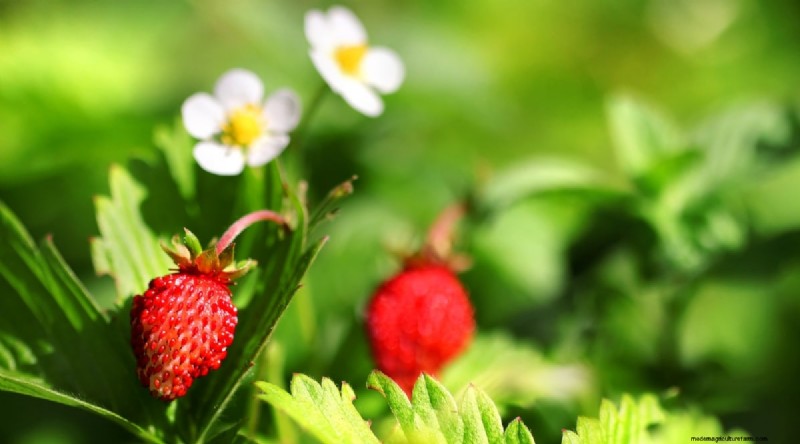
Similar to F. virginiana but prefers cooler, shadier sites. Its conical berries are also edible and sweet.
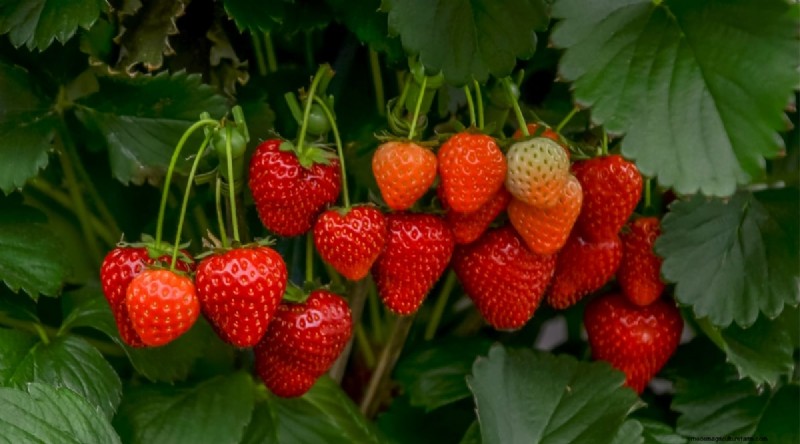
Common in commercial production, these plants produce larger, sweeter fruits and can be everbearing.
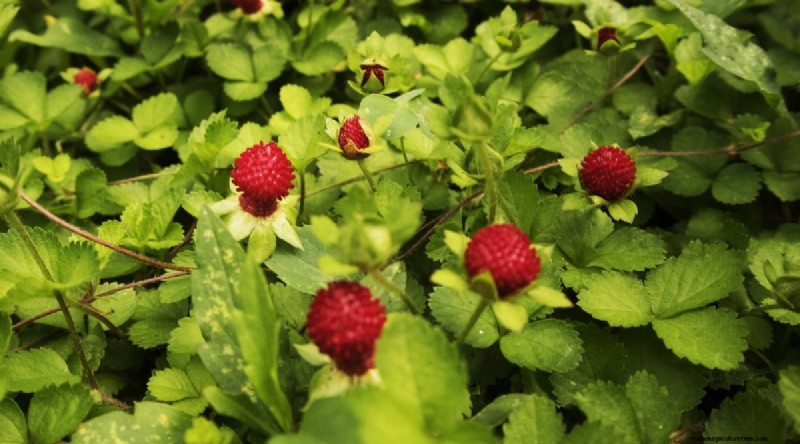
Resembles wild strawberry but produces tasteless fruit. It is often a lawn weed in the southeastern U.S.
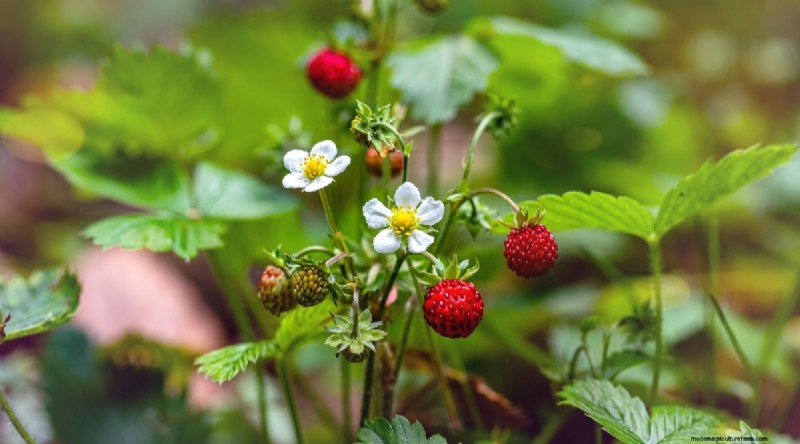
The plant offers spring flowers that attract early pollinators and summer fruit that feeds birds, small mammals, and even box turtles.
While hardy, wild strawberries can fall prey to pests and diseases. Recognizing symptoms early allows timely treatment.
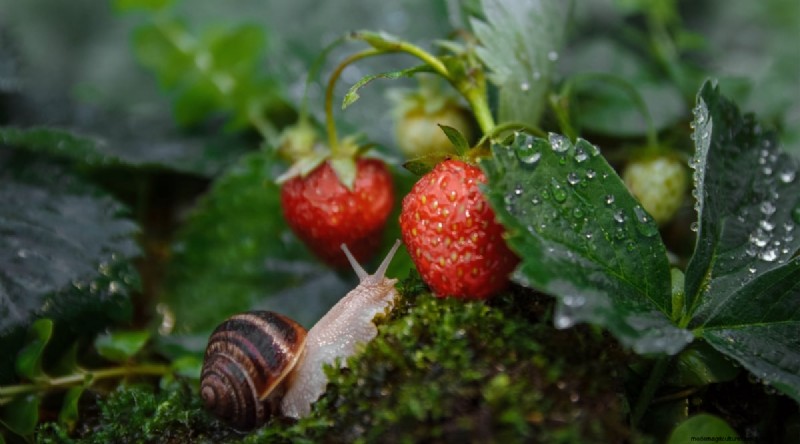
These nocturnal pests chew large pieces of fruit. Use slug bait or beer traps to control populations.
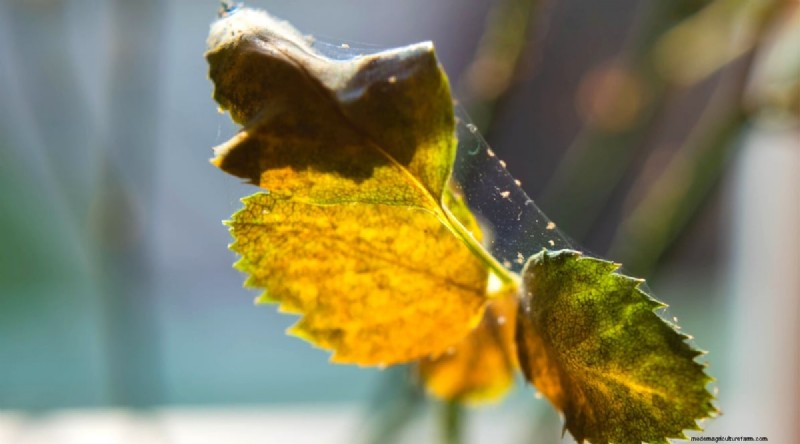
Look for sticky white webs on undersides of leaves. Keep soil moist and wipe leaves with a damp cloth; insecticidal soap can help if needed.
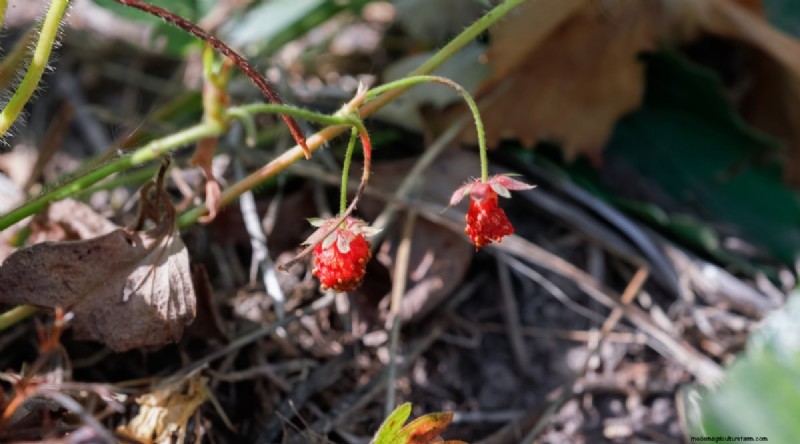
Excess moisture leads to fruit and leaf rot. Avoid over‑watering and harvest fruit promptly to prevent self‑propagation.
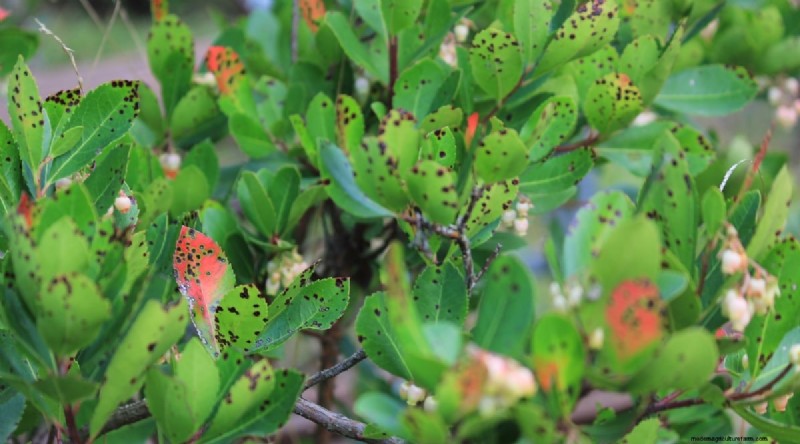
Caused by fungal or bacterial infection, leaf spot is a destructive problem. Maintain good airflow, keep soil dry, and promptly remove infected leaves.
Wild strawberries excel as companion plants for pollinators. Plant them near other early‑blooming species to boost garden visitation.
Birds often out‑compete you for fruit. Protect mandibles with critter cages during peak ripening; avoid row covers that block pollinators.
Containers must drain well—mandate multiple drainage holes. Size isn’t critical; just ensure the plant can spread without restriction.
These delicate, sweet berries are perfect for raised beds, containers, and borders. With early flowers, summer fruit, and evergreen foliage, wild strawberries provide year‑round garden interest and a tasty, natural snack.
Do you have a sunny spot with moist, well‑drained soil? A patch of wild strawberries could be the perfect addition to your garden.


