
Welcome to Modern Agriculture!

In many parts of the country, February serves as a liminal period between winter and spring. This timing is ideal for establishing brassica seedlings indoors or direct‑sowing cold‑hard varieties under protection. Depending on your growing zone, you can start a wide array of cole crops—including kale, cauliflower, radishes, and arugula—now to benefit from the cool weather and steady moisture.
In northern areas with short growing seasons, it is essential to begin slow‑maturing brassicas such as Brussels sprouts and cabbage indoors to give them ample time to develop outdoors. In hotter climates, early starts help prevent bolting and the development of bitter leaves. Southern gardeners often find success with cold‑weather brassicas like kale and cauliflower when planted very early in spring.
Below is a detailed guide to the 14 brassica varieties that can be seeded in February, organized by your local growing zone.

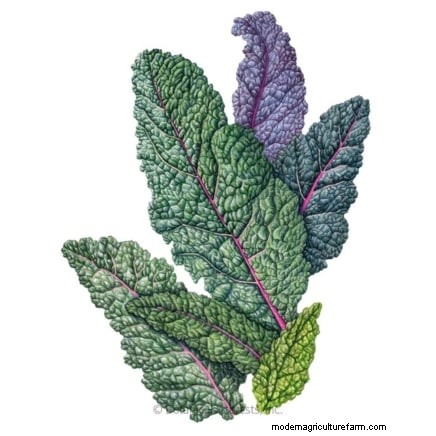
Dazzling Blue Kale
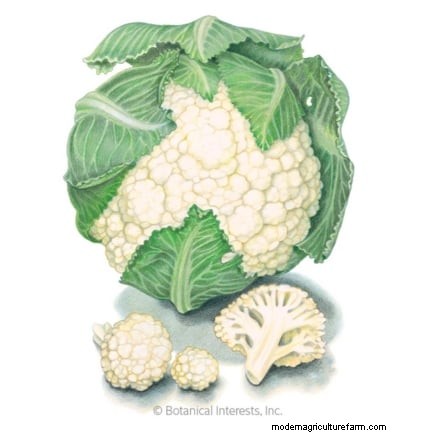
Snowball Y Cauliflower
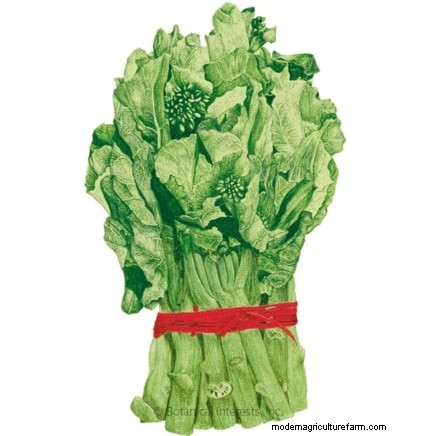
Chinese Broccoli
The Brassica genus comprises cool‑season vegetables such as broccoli, cabbage, kale, collards, cauliflower, Brussels sprouts, turnips, bok choy, rutabagas, and kohlrabi. The family, also called Cruciferous or mustard family, includes radishes, arugula, and mustards. Many cultivars arise from Brassica oleracea, differing in traits like flower size or leaf structure while retaining similar seedling morphology and pest susceptibilities.
Long‑season, cool‑weather brassicas—cabbage, kale, cauliflower, Brussels sprouts, broccoli, and collard greens—are ideal for indoor sowing 6–8 weeks before the last expected frost. If the soil is workable, direct sowing of arugula, radishes, turnips, and baby kale blends is also feasible.
All brassicas share similar cultivation practices. Begin seeds in large cell trays during late winter or early spring, transplanting them 4–6 weeks later. These crops tolerate early spring chill; light frosts are acceptable for young plants, but only mature plants withstand extreme cold. Row cover or a cold frame can shield seedlings from cold nights and early‑season pests.
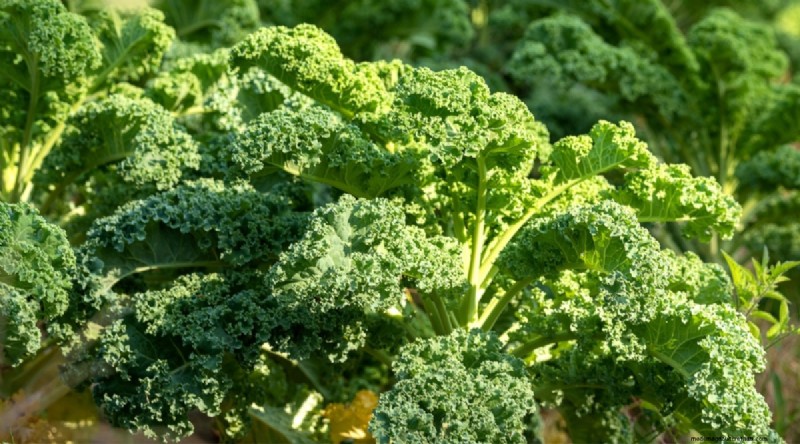
Growing kale from seed early in spring provides a continuous, nutrient‑rich harvest. Once the plants reach 6 inches and have several true leaves, transplant them 18–24 inches apart. Thinning to one seedling per cell prevents overcrowding. Varieties such as ‘Lacinato,’ ‘Dazzling Blue,’ ‘Dwarf Blue Curled,’ ‘Red Russian,’ and ‘Redbor’ offer diverse textures and colors.
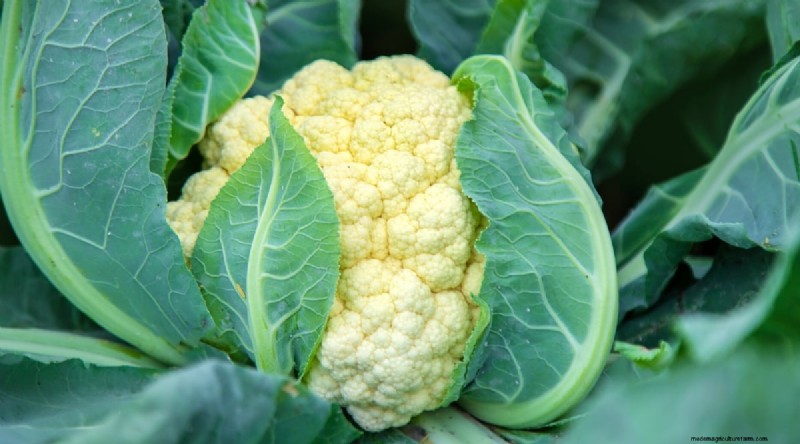
To achieve firm, dense heads, start cauliflower indoors 4–6 weeks before the last frost, selecting spring‑producing varieties like ‘Snowball.’ Sow seeds ¼ inch deep; germination takes 8–10 days. Maintain consistent moisture and cool temperatures (50–60°F) once seedlings emerge. Transplant when 4–6 inches tall, spacing at least 24 inches apart. Protect developing heads from sun exposure with leaves or a twist tie.
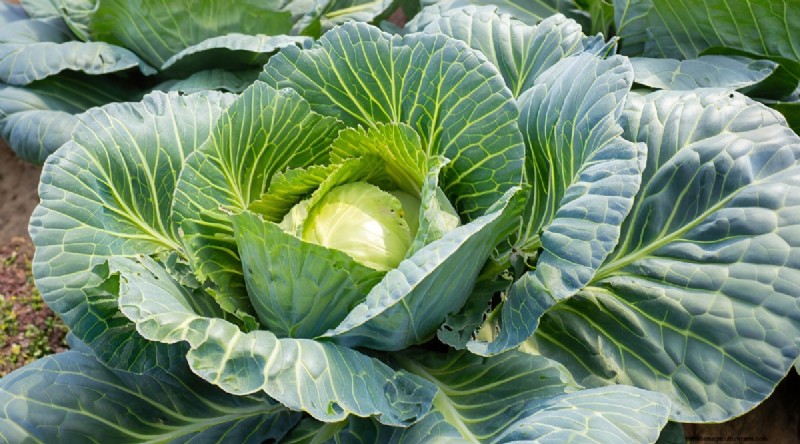
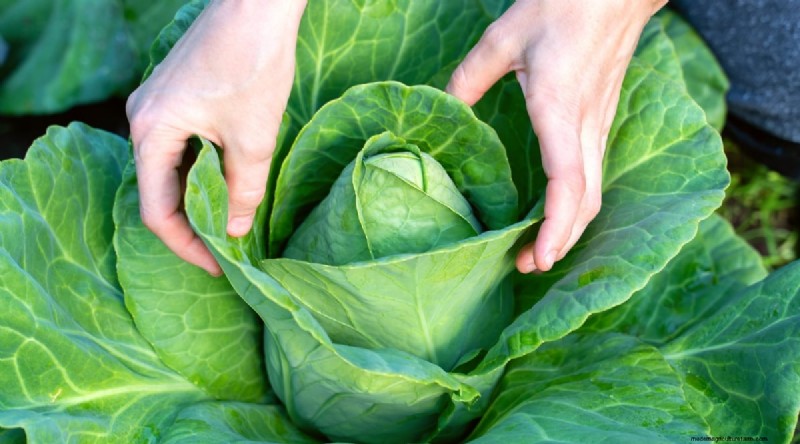
Indoor starts in February yield robust cabbages ready for transplant by early April. Use a compost‑rich soil blend and thin seedlings to avoid overcrowding. Some cultivars, such as ‘Caraflex’ or the slow‑bolt ‘One Kilo Slow Bolt Napa,’ perform well in hot climates. Give each plant up to 2 square feet of space to ensure proper head formation.
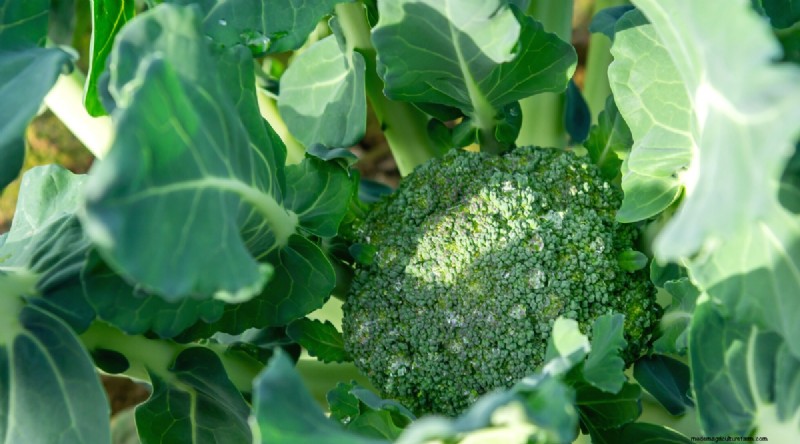
Broccoli thrives in the chill of early spring. Sow ¼ inch deep, keeping soil around 70°F and ambient air at 60°F. After 4–6 weeks, transplant seedlings that have strong roots and several true leaves. Harden off by gradually exposing them to outdoor conditions, and cover with row fabric to add insulation.
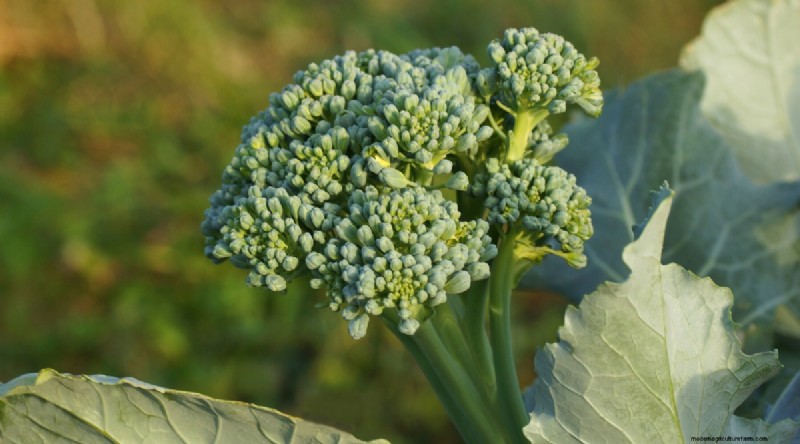
Broccolini, a tender cousin of broccoli, matures faster and produces abundant side shoots. Use the same indoor sowing method as broccoli. Harvest by cutting at the base, then gently snap new sprouts from the stem weekly.
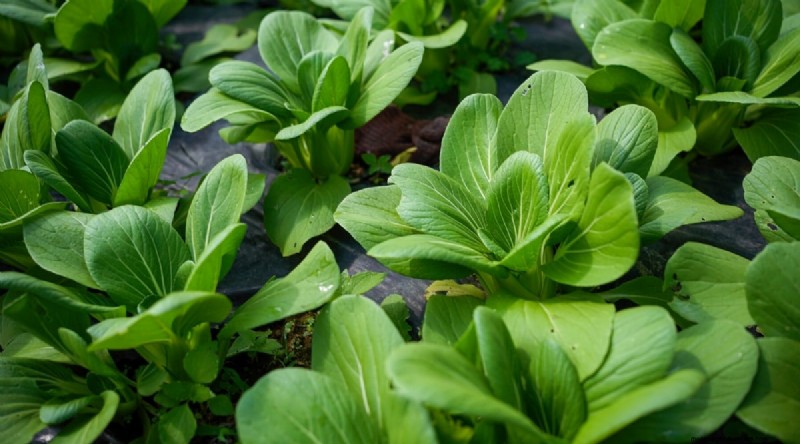
Bok choy is ideal for quick, container‑friendly growth. Sow seeds ¼ inch deep in soil ≥60°F. Transplant 2–4 weeks before the last frost. Protect against flea beetles with row cover and watch for early bolting in hot weather.
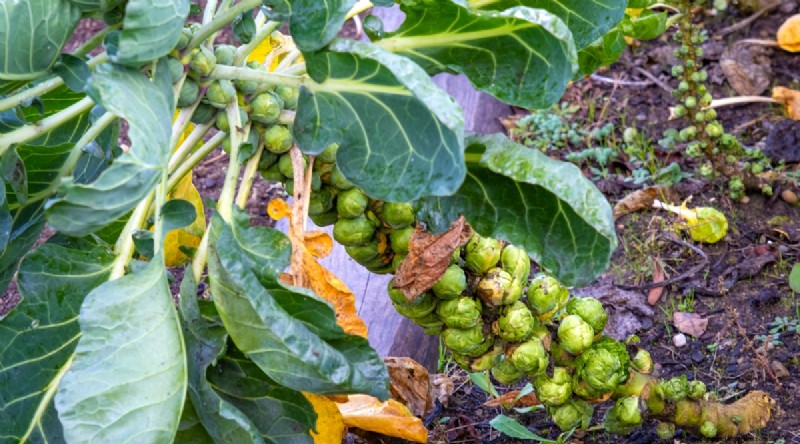
Start Brussels sprouts indoors 4–6 weeks before the last frost. Transplant at 4–6 inches tall, spacing 24 inches between plants. Companion planting with onions, alyssum, chives, or thyme helps deter aphids. Use neem oil for any early infestations.
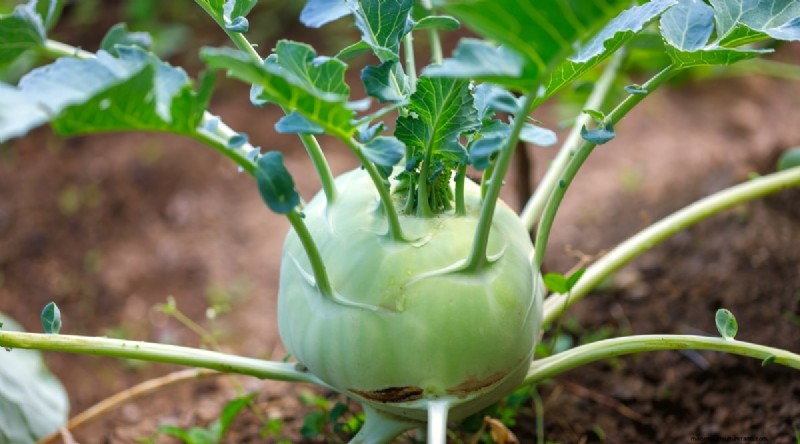
Grown young, kohlrabi is tender and flavorful. Seed indoors 4–6 weeks before the last frost, sowing ¼–½ inch deep. Direct sow outdoors 3–4 weeks prior to the last frost, spacing 4 inches between plants and 12 inches between rows. Harvest when bulbs reach 2–3 inches; larger plants become woody.
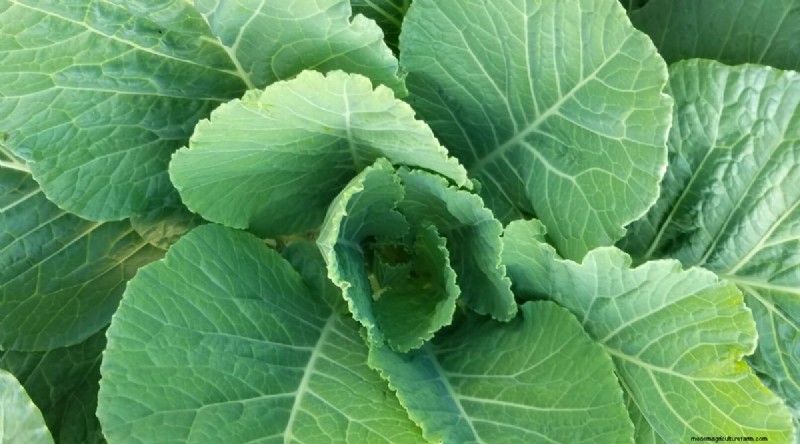
Collards are frost‑tolerant and thrive in early spring. Sow seeds ½ inch deep in 4–6 cell trays, transplanting when 4–6 inches tall and soil exceeds 55°F. Space 18–24 inches apart and harvest lower leaves once they reach hand‑size.
If your soil has thawed and is workable, direct sowing is viable for several brassicas under low tunnels, cold frames, or row fabric. Amend beds with compost and maintain moisture with drip irrigation or soaker hoses.
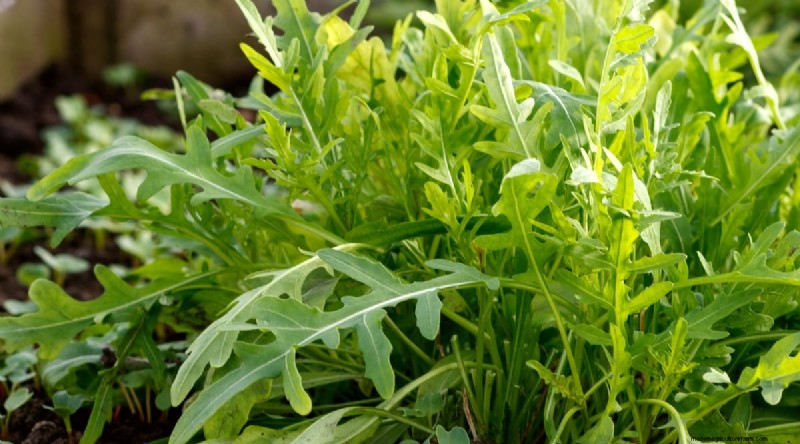
Arugula can be sown outdoors when soil reaches 40°F. Plant ¼ inch deep and dust with soil or vermiculite. Space seeds 4–6 inches apart in 6‑inch rows. Harvest by cutting leaves 4 inches tall; the plant will regrow. Row cover helps ward off flea beetles.
Direct sow baby kale blends (e.g., ‘Premier Blend’ or ‘Red Russian Baby Greens’) when soil reaches 40–50°F. Broadcast seeds ¾ inch apart, ¼ inch deep. Harvest 25–30 days after germination, cutting at 2–4 inches tall. Successive sowings every two weeks provide continuous supply.
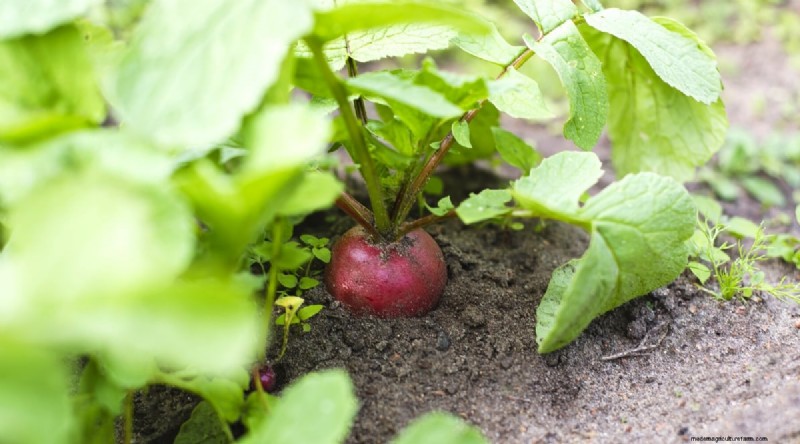
Radishes mature in under a month. Sow ½ inch deep, 2 inches apart, and maintain consistent moisture. Repeat sowings every 1–2 weeks. Cool soil (≥40°F) ensures tender, sweet roots.
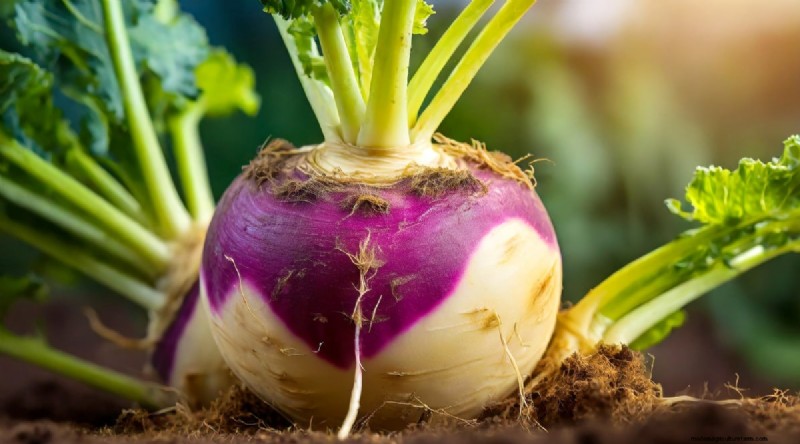
Turnips, such as Tokyo or ‘Hakurei,’ develop sweet, crisp roots when grown in cool weather. Direct sow 2–3 inches apart, harvest at golf‑ball size. Protect seedlings with row cover and improve drainage to deter wireworms.
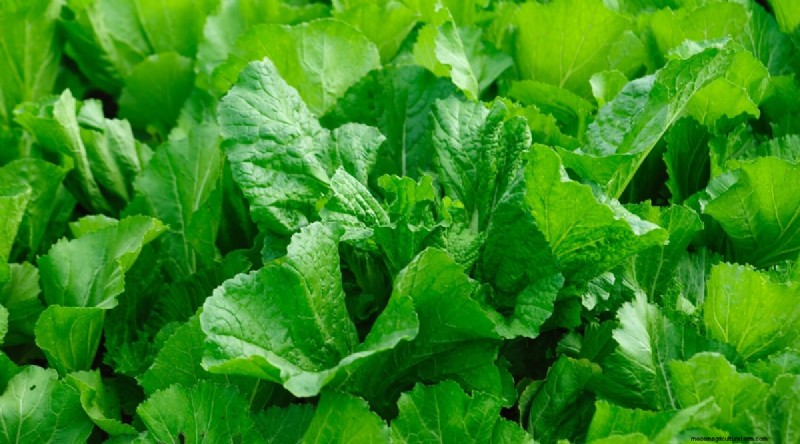
Mustard greens add a spicy bite to salads and exhibit strong aroma that deters pests. Sow ¼ inch deep in soil ≥40°F and maintain moisture. They thrive as companion plants in mixed beds.
Brassicas are among the most diverse vegetable families, thriving in early spring when given a head start indoors. Planting early helps avoid bolting and bitter flavors, and ensures that seedlings can germinate in soils 40–50°F. Proper labeling of seedlings is essential, as many varieties appear identical when young.


