Welcome to Modern Agriculture!

If you’re a garlic enthusiast, growing your own cloves is a rewarding way to add flavor, nutrition, and a touch of the garden to your meals. From roasting to fermenting, fresh garlic outperforms store‑bought in taste and health benefits. Below are 15 of the most common mistakes that can sabotage your crop—and how to avoid them.
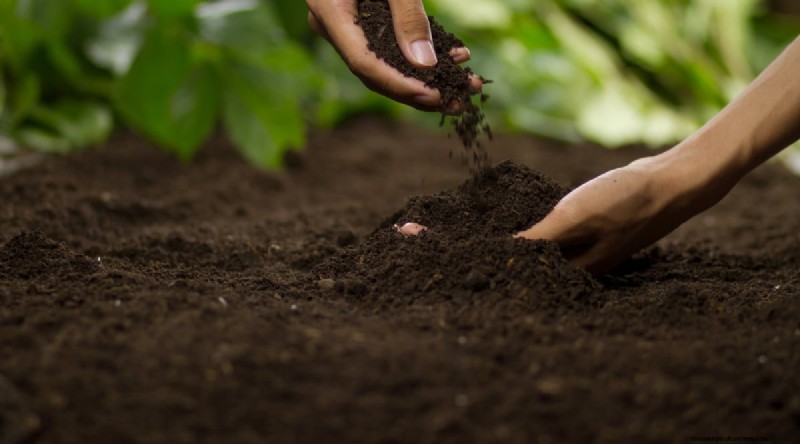
Outcome: Stunted growth and poor yields result from nutrient‑poor, water‑logged soil.
Solution: Garlic thrives in well‑drained loam with a pH of 6.5–7.0. If your soil is acidic, add agricultural lime to raise the pH. Incorporate plenty of organic matter—compost, well‑rotted manure, or peat moss—to improve structure and moisture retention without retaining excess water.
Pro tip: Converting a lawn to a garlic bed can take months. Mow low, tarp for 4–6 weeks to kill weeds, then amend with organic matter and test the soil. Raised beds are an excellent alternative if drainage is a concern.
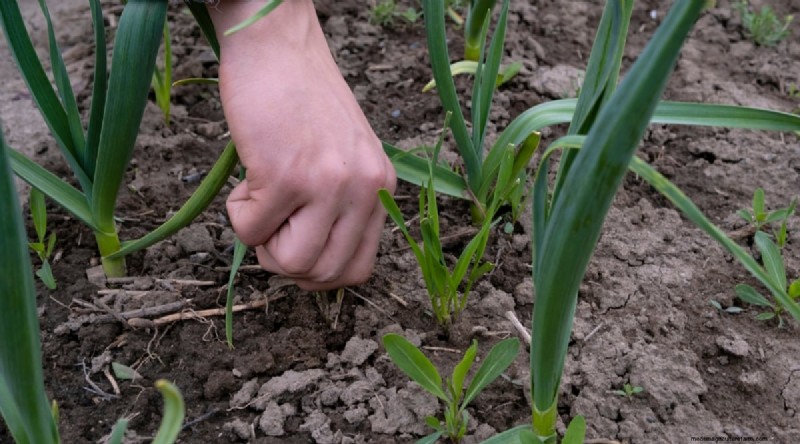
Outcome: Weeds compete for light, nutrients, and water, limiting bulb development.
Solution: Reduce the weed seed bank by tarp‑covering the plot for several weeks or using a flame weeder. Apply a biodegradable mulch or landscape fabric after planting. In the first two months, pull emerging weeds with a wire weeder or a swivel hoe to keep competition low.
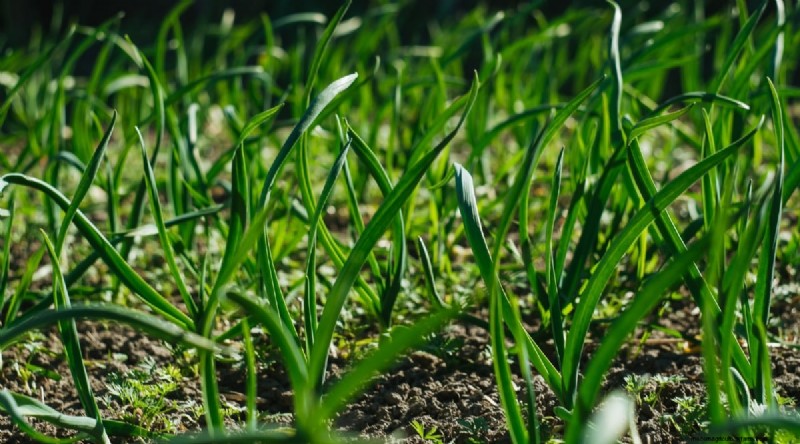
Outcome: Planting a variety ill‑suited to your climate can lead to death in winter, poor bulb formation, or inadequate curing.
Solution: Match hard‑neck or soft‑neck garlic to your USDA zone. Hard‑neck varieties (zones 4–9) require vernalization, produce scapes, and store for 3–5 months. Soft‑neck varieties (zones 7–11) do not need vernalization, yield more but smaller cloves, and store for 6–9 months. The table below summarizes key differences.
| Variety | Preferred Climate | Vernalization | Scapes/Flowers | Storage Life | Clove Size |
|---|---|---|---|---|---|
| Hard‑neck | Colder zones 4–9 | Yes | Yes | 3–5 months | Large, easy to peel |
| Soft‑neck | Warmer zones 7–11 | No | No | 6–9 months | Many small, harder to peel |
Vernalization tip: In warm zones, refrigerate cloves for 4–8 weeks before planting to mimic winter chill.
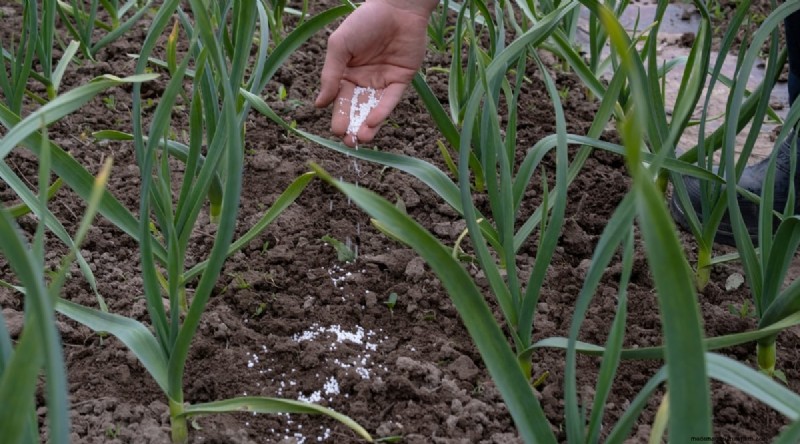
Outcome: Insufficient nitrogen can delay sprouting and root establishment.
Solution: Garlic is a heavy nitrogen feeder. Apply a balanced, slow‑release fertilizer (e.g., 10–10–10) in late summer and early fall. Options such as chicken manure pellets or seaweed extract boost nitrogen and support vigorous foliage growth.
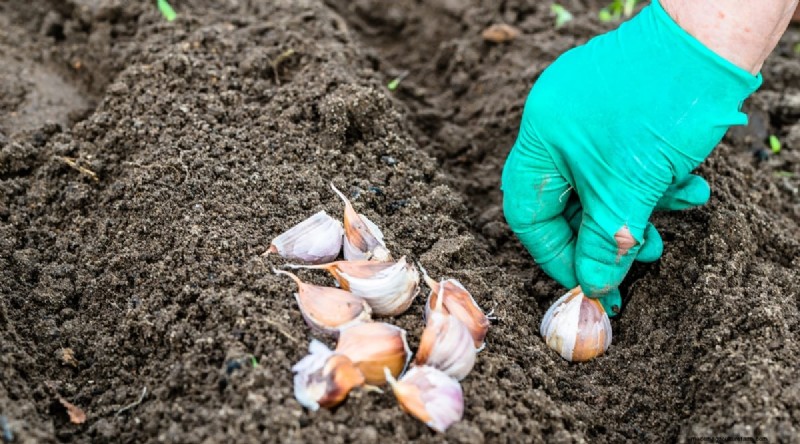
Outcome: Sudden warm spells after planting can trigger premature shoot growth, causing the bulb to dry out or freeze.
Solution: Plant in late summer or early fall when soil temperatures are 50 °F and the risk of temperature spikes is low. Monitor local forecasts to avoid unexpected warm fronts.
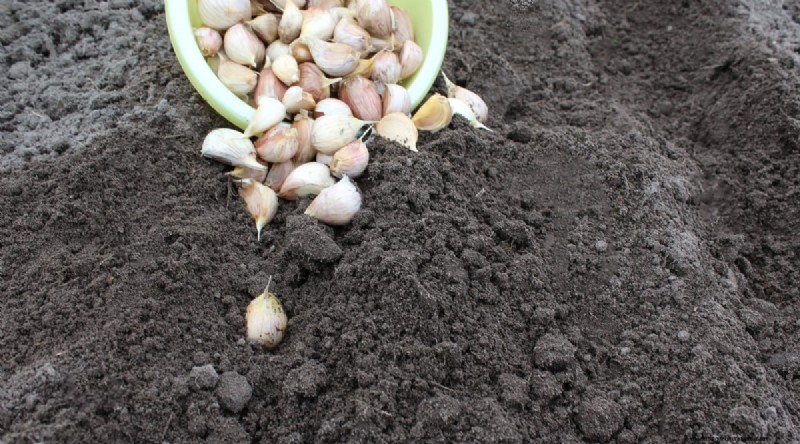
Outcome: Late planting can prevent root establishment before winter, reducing survival and yield.
Solution: Aim to plant 6–8 weeks before the first expected frost. In milder climates, target a window between Halloween and Thanksgiving to give roots time to develop while avoiding excessive early growth.
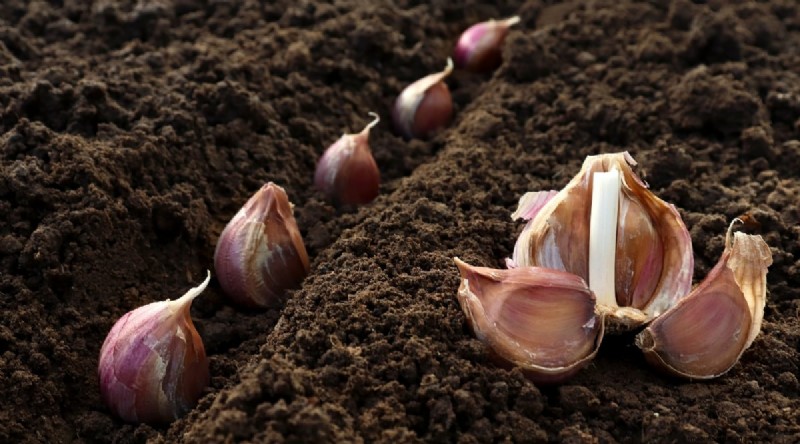
Outcome: Crowding limits bulb size, increases disease risk, and reduces overall yield.
Solution: For a 30‑inch bed, space cloves 6 inches apart in rows 18 inches apart. Record results in your garden journal to fine‑tune spacing for your specific region and variety.
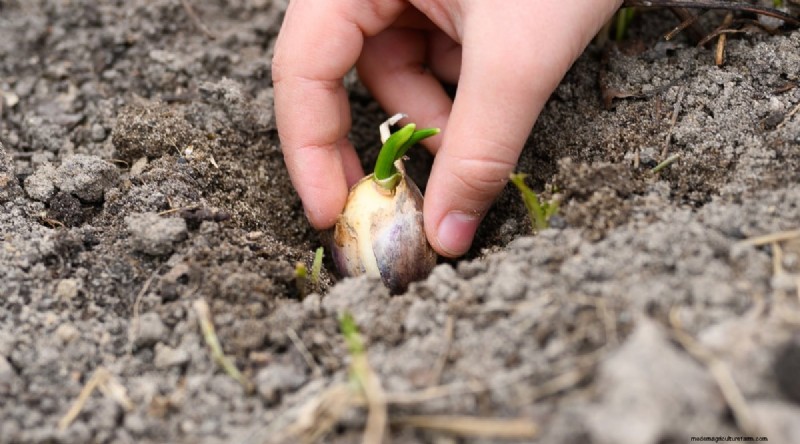
Outcome: Misoriented cloves waste energy, leading to misshapen bulbs and lower yields.
Solution: Keep the papery outer coat intact, plant the flatter (root) end down and the pointed (shoot) end up. Dig a hole 3–4 inches deep for mulched beds, or 6 inches for unmulched beds. Gently cover and firm the soil.
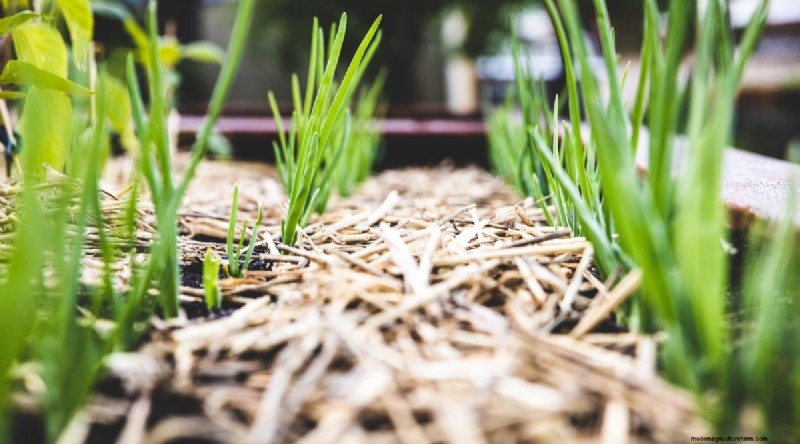
Outcome: Thin mulch leaves cloves vulnerable to winter freeze‑thaw cycles and water loss.
Solution: Apply 2–3 inches of seed‑less straw or shredded leaves. Leave mulch on through early spring; remove only temporarily for fertilization during a brief warm spell, then re‑apply.
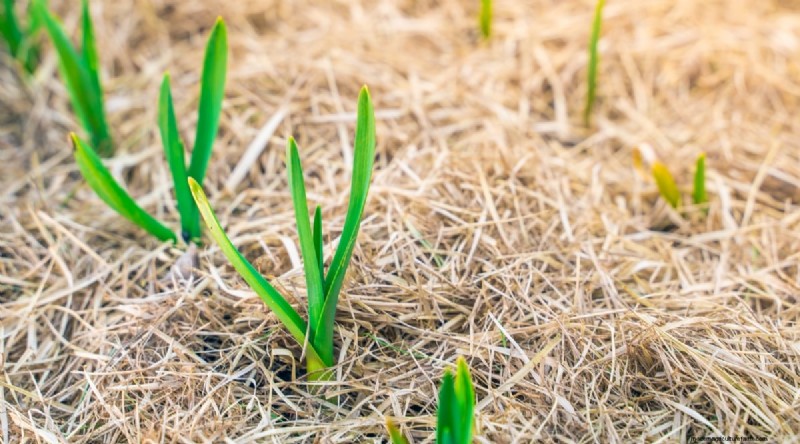
Outcome: Excessive mulch can smother seedlings, delay sprouting, and reduce bulb size.
Solution: Stick to 2–3 inches of mulch. This keeps soil temperature stable while allowing spring signals to reach the cloves.
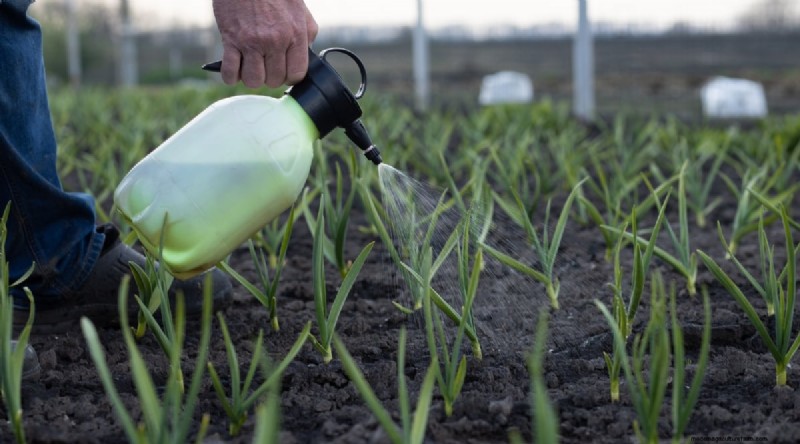
Outcome: Imbalanced nutrients can prevent bulbs from reaching their full potential.
Solution: As days lengthen, switch to a low‑nitrogen, high‑potassium fertilizer (e.g., kelp meal or greensand). Side‑dress every few weeks during peak bulb formation. Refer to soil test results for precise K and P recommendations.
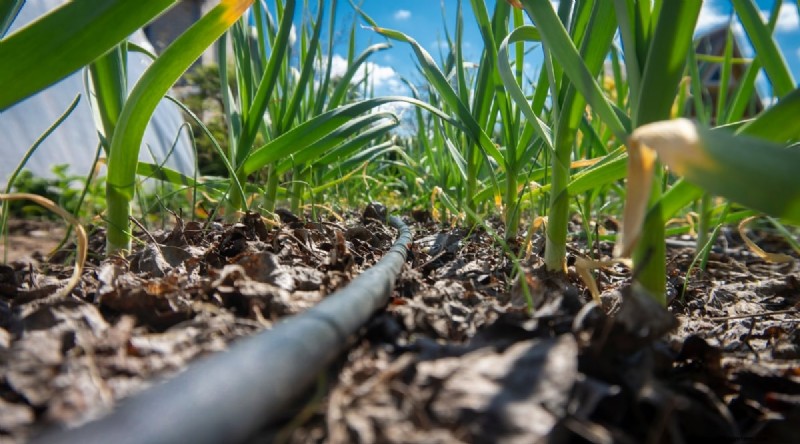
Outcome: Overhead watering promotes leaf rot and shrinks bulb size.
Solution: Provide 1–2 inches of water per week directly at the root zone, using drip lines or hand irrigation. Reduce watering if soil feels consistently moist, and use mulch to conserve moisture.
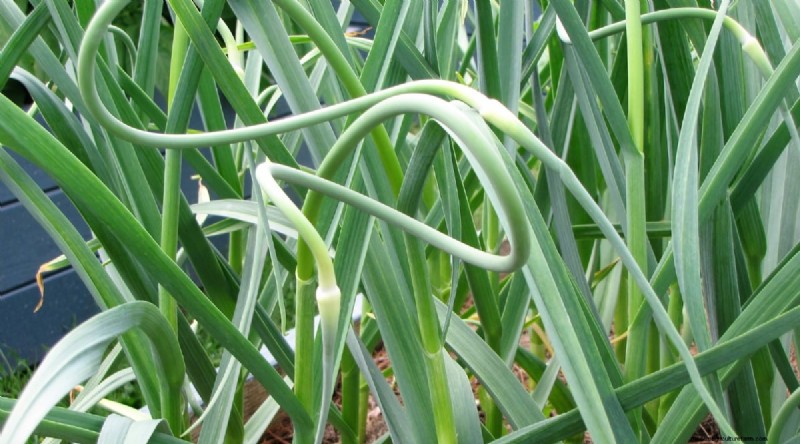
Outcome: Energy diverted to scape formation can reduce bulb mass.
Solution: In hard‑neck varieties, remove scapes about 3 weeks before harvest to redirect nutrients into the bulb. Snapping is simple: hold the scape at the base and break it to the side. Soft‑neck garlic rarely produces scapes; if it does, treat it as a hard‑neck plant.
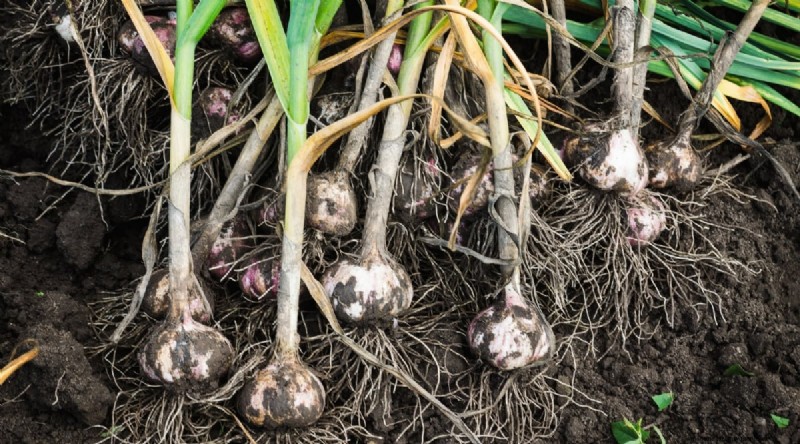
Outcome: Early harvest misses the final month of weight gain; late harvest risks rot and split cloves.
Solution: Harvest when about one‑third of the leaves have yellowed and died back. Check inside a bulb—papery skins should be tight, cloves firm, and no signs of mold. In warmer zones, monitor temperature; above 90 °F slows growth and can damage bulbs.
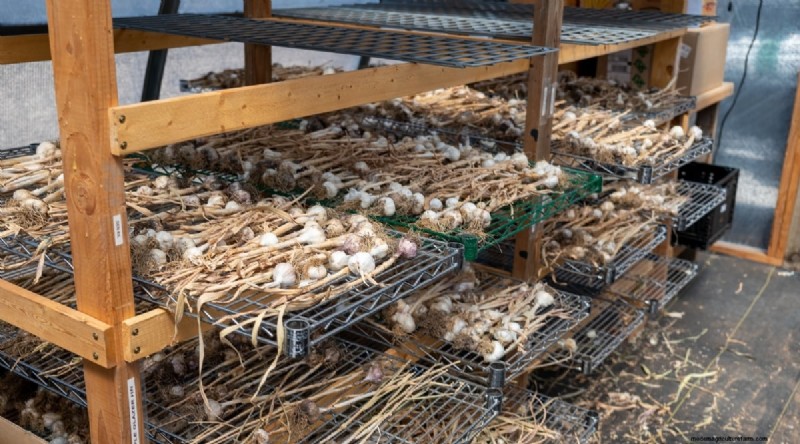
Outcome: Improper curing shortens shelf life and dulls flavor.
Solution: After harvest, place bulbs in a dry, dark area with 68–86 °F and <75 % humidity. Tie bunches of 8–10 plants with leaves attached on sturdy string and hang over rafters. Use a fan to circulate air, allowing moisture to evaporate and skins to firm. After 2–3 weeks, cut stems to check dryness; trimmed stems should be rigid. Store cured bulbs in a well‑ventilated box or burlap bag.
Purchasing garlic for planting should be done through reputable suppliers—online retailers, local farms, or farmers’ markets. Verify that seed garlic is nematode‑free and sourced from a trusted grower. Small cloves produce small bulbs; larger cloves yield larger bulbs.
On average, hard‑neck bulbs produce 6–8 large cloves; soft‑neck bulbs produce 10–40 small cloves. A rough guideline is 2–3 pounds of cloves for 100 ft² of bed. Keep the healthiest cloves with full outer skins.
Presoaking cloves in a solution of 1½ Tbsp baking soda and kelp meal for a few hours can promote root initiation, though it’s optional. Consistent moisture during planting supports root development.
Common pests include nematodes, thrips, onion maggots, cutworms, armyworms, and mites. Use high‑quality seed, crop rotation, regular scouting, and encourage beneficial insects like ladybugs and braconid wasps.
Animals typically avoid alliums, but voles in colder areas may tunnel. Using landscape fabric or black tarps can deter them. Skunks occasionally dig up cloves.
Uncured, green garlic—often called spring or green garlic—has a milder, onion‑like flavor. Thinly slice and add to salads or dressings for a fresh garlic kick.
Growing garlic is both a culinary delight and a garden investment. With proper soil preparation, careful timing, and diligent care, you can harvest robust, flavorful cloves that last for months. Remember: timing is everything—from planting to curing.