
Welcome to Modern Agriculture!

If you’re after the largest, most flavorful tomatoes, beefsteak varieties are the go‑to choice. These heirloom‑derived plants routinely produce fruit up to 6 inches in diameter and 2 pounds in weight, offering a meaty, dense texture that’s ideal for slicing, burgers, and salads.
Beefsteak tomatoes are vigorous, indeterminate vines that can reach 4–6 ft tall. Because of their size and weight, they require a sturdy trellis or cage for support.
Below is a comprehensive guide—from seed to harvest—designed to help you cultivate a bountiful crop of beefsteak tomatoes in your own garden.
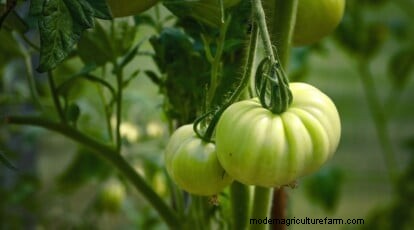
Plant Type: Annual vegetable
Family: Solanaceae
Genus: Solanum
Species: lycopersicum
Hardiness Zones: 3–12
Planting Season: Spring & summer
Maintenance: Medium‑high
Height: 4–6 ft
Fertility Needs: High
Temperature: 45–90 °F
Companion Plants: Marigolds, white alyssum
Soil Type: Loamy, well‑drained
Spacing: 24–36 in between plants; 36 in between rows
Watering: High
Sun Exposure: Full sun
Days to Maturity: 96–100
Pests: Hornworms, aphids, flea beetles, rodents
Diseases: Early & late blight, leaf spot, blossom end rot, mosaic virus
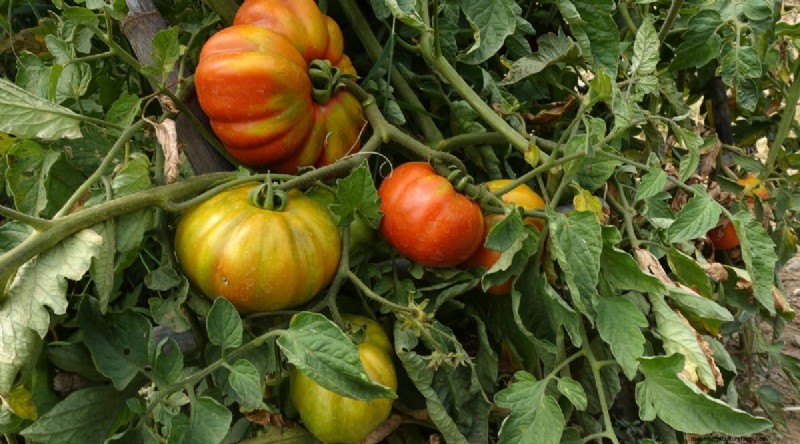
The classic beefsteak tomato is celebrated for its massive, juicy fruit that often weighs up to 2 lb. The fruit’s dense flesh and small seed cavities give it a richer taste than many other large tomatoes, making it a favorite for slicing, canning, and cooking.
Its vigorous growth and remarkable size mean that beefsteak varieties are rarely found in grocery stores, giving home gardeners a unique opportunity to grow something truly spectacular.
Today, “beefsteak” is a category encompassing several large, meaty cultivars—such as Big Beef, Brandywine, Big Boy, Cherokee Purple, Bucking Bronco, Black Krim, and Mortgage Lifter—that share similar growth habits and fruit characteristics.
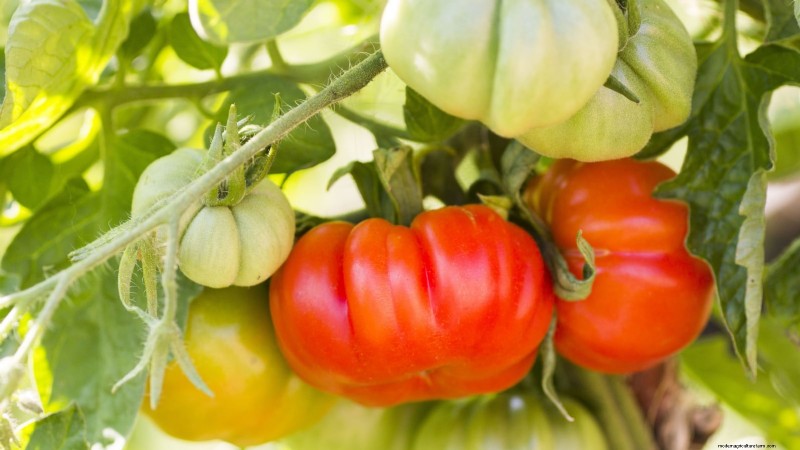
The name first appeared in an 1869 seed catalog that likened the tomato’s thick slice to a steak, describing it as “solid and meaty as a beefsteak.” This evocative comparison helped popularize the variety among American growers.
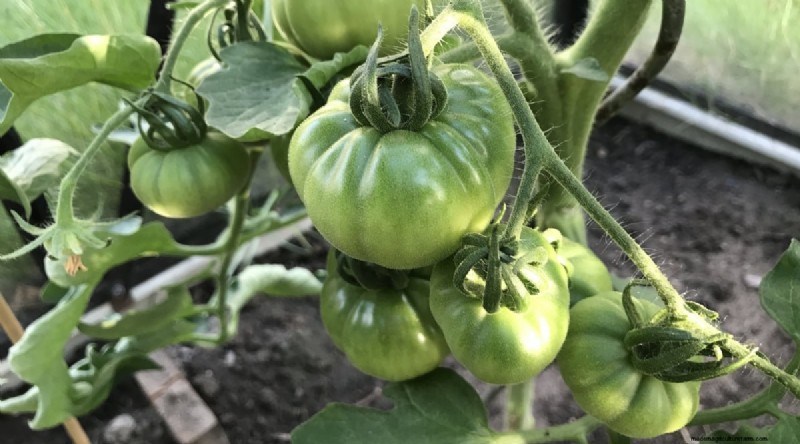
Beefsteak tomatoes stand out for their exceptional size, firm texture, and robust flavor. The fruit’s minimal seed cavities create a dense mouthfeel, and its shape—often ribbed or flattened—adds visual interest to any dish.
Because of their size, these tomatoes hold up well on sandwiches, burgers, and salads without making the bread soggy.
Tomatoes originated in the Andes over 7,000 years ago and were domesticated by indigenous farmers who selected for larger, sweeter fruit. Through centuries of breeding, the wild Solanum pimpinellifolium evolved into the over 10,000 modern varieties we enjoy today.
Early Spanish explorers brought tomatoes to Europe, where they were initially met with suspicion due to their relation to nightshade plants. Over time, tomatoes became a staple in Mediterranean and American cuisines, and beefsteak varieties emerged as a result of selective breeding for size and flavor.
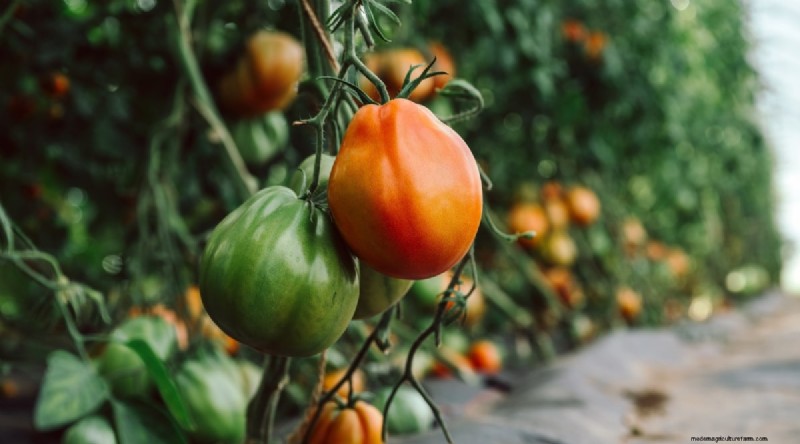
Beefsteak tomatoes are not genetically modified. Their large size is the result of traditional hybridization and selection over generations. Seed breeders identify the biggest fruit, save its seeds, and cross the best plants to accumulate desirable traits—an approach comparable to animal breeding.
Seeds are the most accessible way to start a beefsteak crop, but seedlings from reputable nurseries are also available.
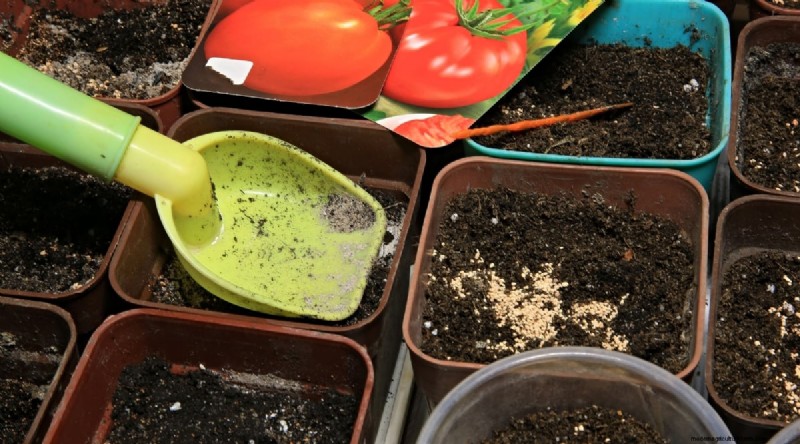
Begin indoors 5–6 weeks before your last expected frost. Keep seedlings in a bright, south‑facing location or under grow lights at ~70 °F. Use a fine seed‑starting mix and, if possible, a heating mat to ensure 75–90 °F soil for optimal germination.
Plant seeds ¼ in deep, lightly cover with soil, and keep moisture steady without waterlogging. Once seedlings develop a firm root system and 2–3 true leaves, they’re ready for transplanting.
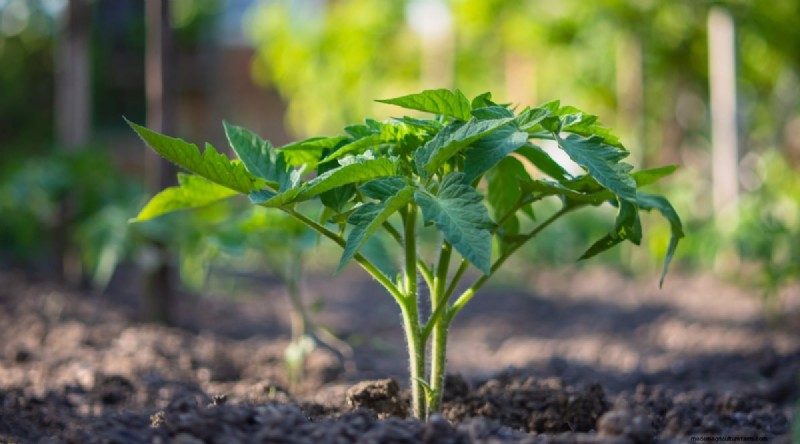
Select seedlings that are bushy, green, disease‑free, and not yet flowering or fruiting. Avoid root‑bound or leggy starts, as they’re more susceptible to transplant shock.
Transplant beefsteak tomatoes outdoors 1–3 weeks after the last frost, ensuring nighttime temperatures remain above 45 °F. In cooler regions, a row cover or cold frame can protect young plants.
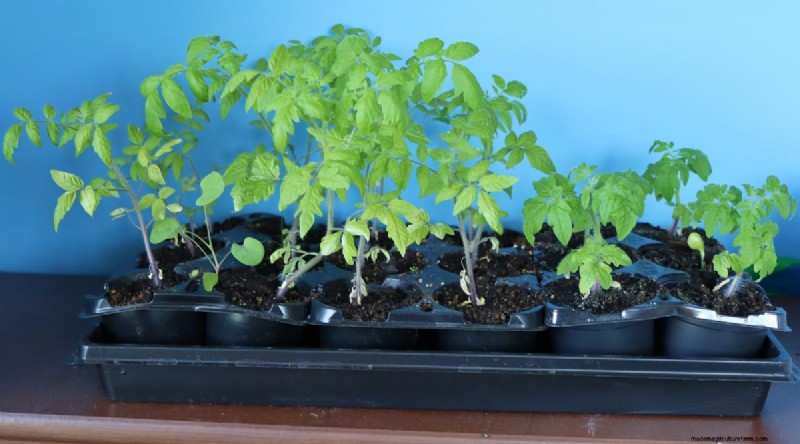
Gradually acclimate seedlings to the outdoors 1–2 weeks before transplanting. Start with partial shade and increase sun exposure daily, keeping plants indoors during cold nights.
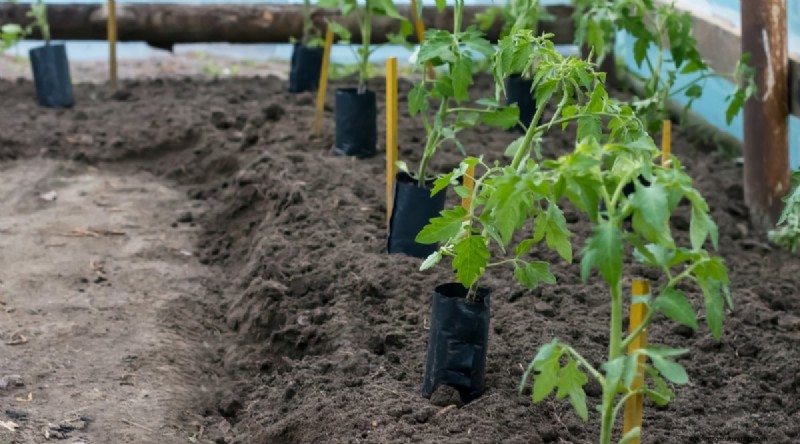
Prior to planting, install a trellis or cage to avoid disturbing roots later. Drench seedlings in diluted kelp solution to reduce shock, then gently loosen the root ball and bury it partially—this encourages additional root growth.
Space plants 24–36 in apart in rows 36 in apart. If you prune regularly, tighter spacing of 18 in is possible.
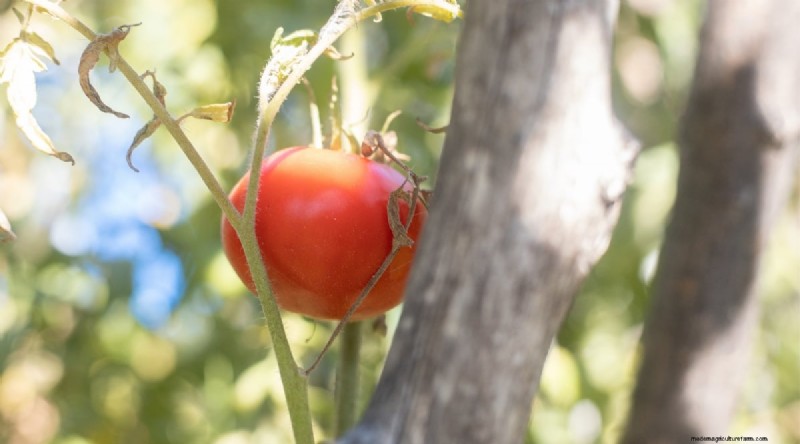
Full sun is essential: aim for 6–8 hours of direct light daily. Good airflow reduces disease pressure, so avoid overly dense plantings.
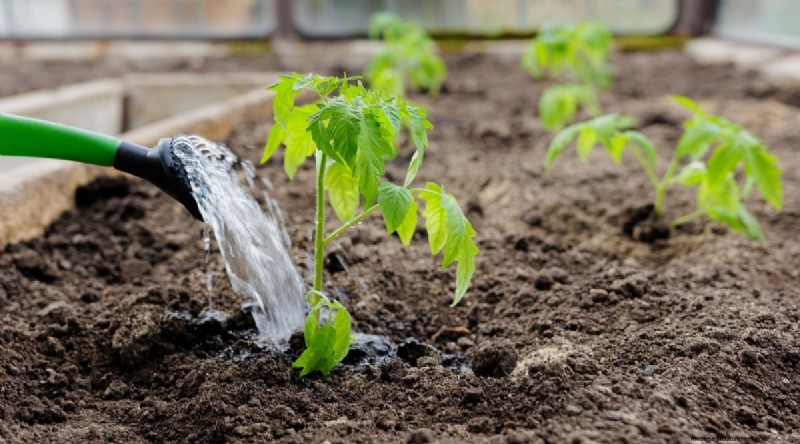
Beefsteak tomatoes demand steady moisture, especially during fruiting. Provide 1–2 inches of water weekly and avoid letting the soil dry out. Consistent watering reduces blossom end rot, while soggy soil promotes root rot and fungal diseases.
Use drip or soaker hoses to keep foliage dry. If you’re hand‑watering, insert your finger 2–3 inches deep to gauge moisture.
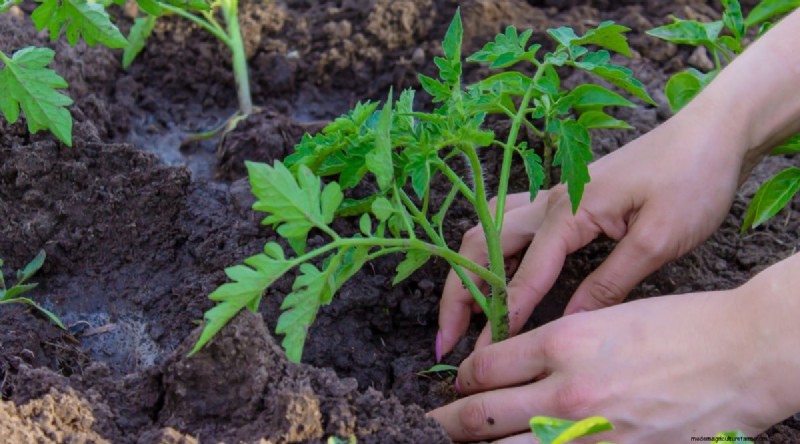
Loamy, well‑drained soil with a pH of 6.0–6.8 is optimal. Incorporate plenty of compost, perlite, or vermicompost to enhance fertility and drainage. If your soil is alkaline, amend with peat moss or elemental sulfur to lower pH.
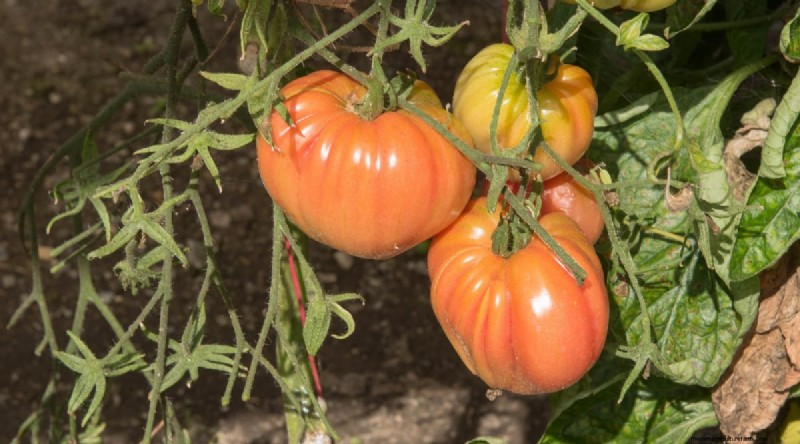
These warm‑weather crops thrive between 70–80 °F during the day. They tolerate higher temperatures but require extra irrigation when temperatures exceed 90 °F. Southern growers may benefit from afternoon shade to prevent leaf scorch.
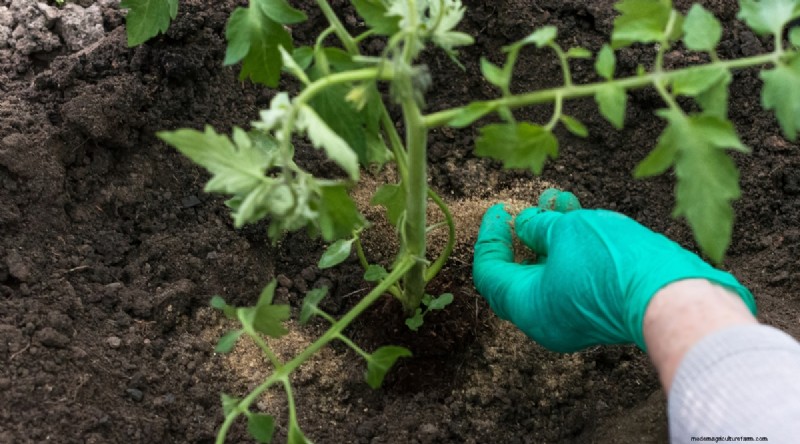
Feed with a balanced, slow‑release fertilizer during establishment, then switch to a high‑phosphorus product during fruiting to support bloom and fruit set. Incorporate crushed eggshells or seaweed to boost calcium and reduce blossom end rot.
Avoid excessive nitrogen, which encourages leafy growth at the expense of fruit. Monitor soil nutrient levels with a simple test kit if you’re uncertain.
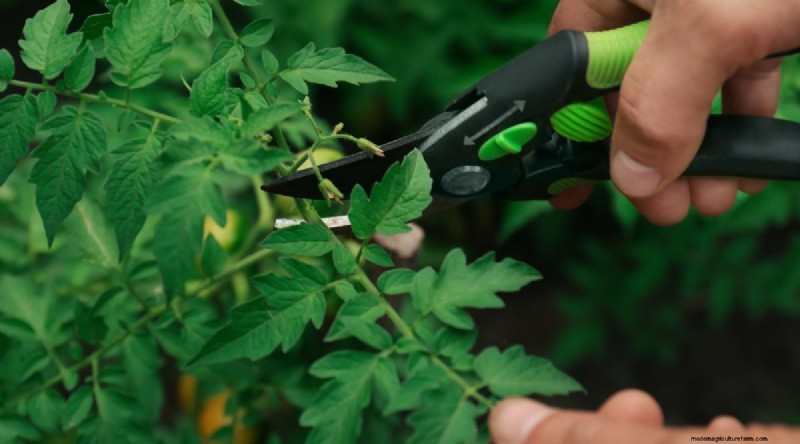
Regular pruning of suckers—once or twice a week—directs energy toward fruit production. Trim side shoots just above the leaf axil with clean, sharp scissors. Use twine or trellis clips to guide vines upward and keep fruit off the ground.
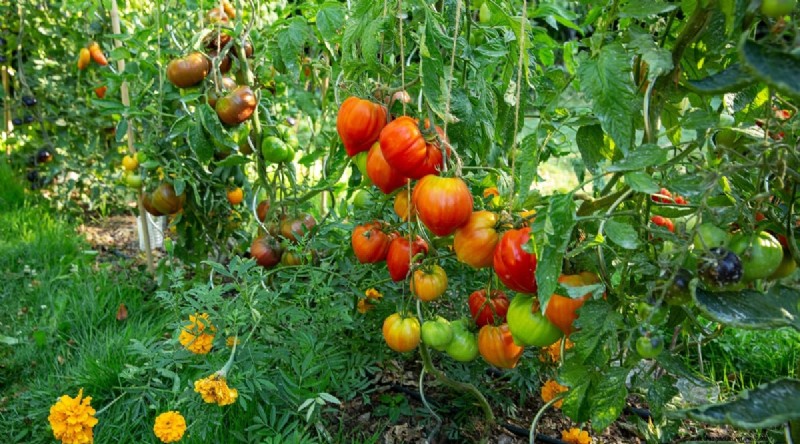
Beyond the classic ‘Beefsteak,’ many cultivars offer unique flavor profiles and improved disease resistance:
Healthy soil and good garden hygiene are the best defenses against pests and diseases. Keep plants well spaced, prune regularly, and maintain consistent moisture to reduce risk.
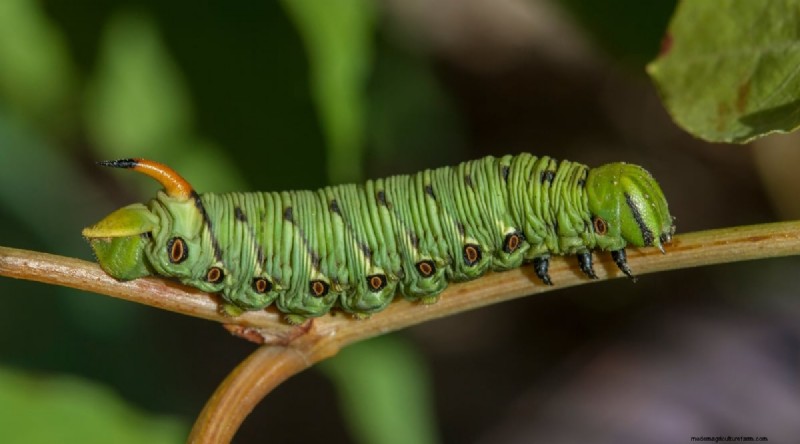
These large caterpillars can defoliate a plant quickly. Cover seedlings with row cover to prevent egg deposition, and treat infestations with neem oil, Bt, or hand removal.
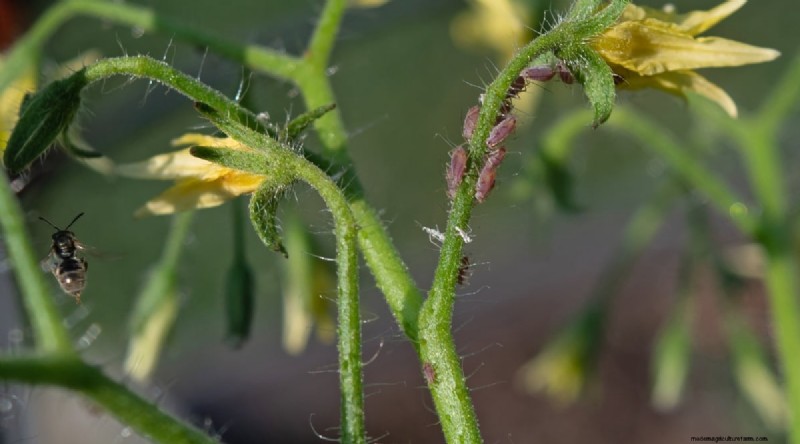
Use a strong spray of water, neem oil, or insecticidal soap to control aphids. Plant marigolds, white alyssum, or dill nearby to attract beneficial predators.
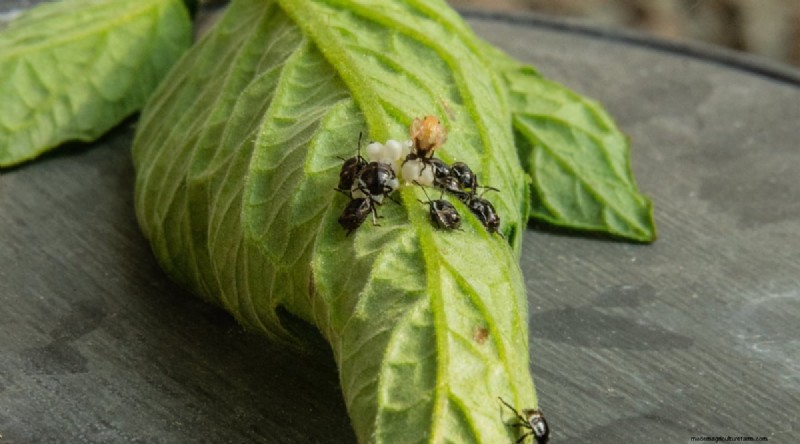
These tiny beetles create shot‑gun‑like holes that can facilitate fungal entry. Apply diatomaceous earth or talc, and cover young seedlings with row covers in spring.
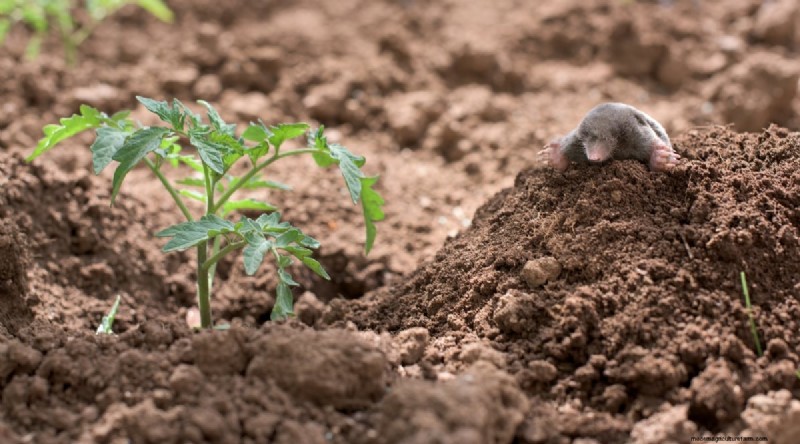
Elevate fruit with a trellis or cage to deter mice, voles, and rabbits. Additional deterrents include critter cages, organic repellents, or a small guard animal.
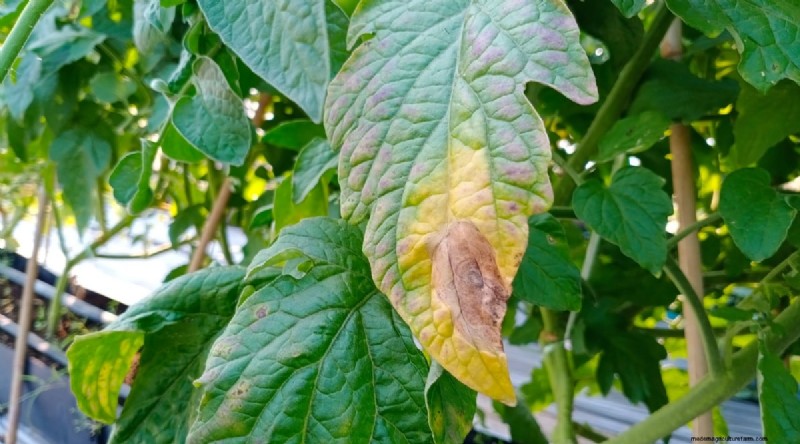
Early blight appears as yellow‑brown bullseye spots on leaves. Prevention relies on removing debris, maintaining airflow, and not over‑watering.
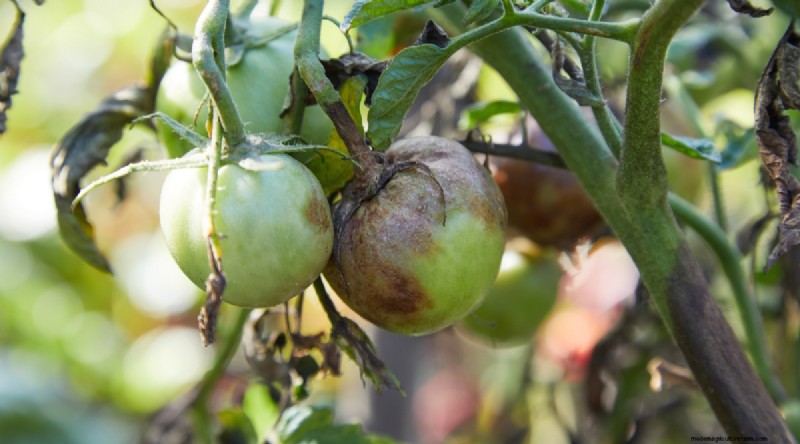
Late blight can spread rapidly, especially after wet, warm spells. Immediate removal of infected tissue and careful sanitation are essential.
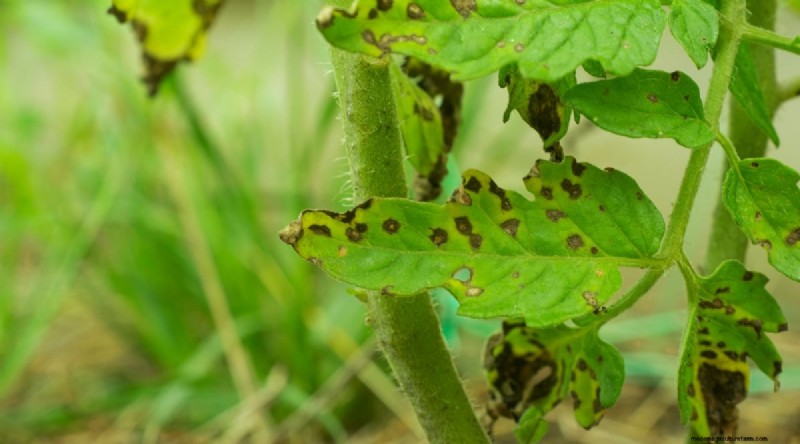
Septoria leaf spot produces small brown spots between veins. Adequate spacing and pruning help reduce humidity and disease incidence.
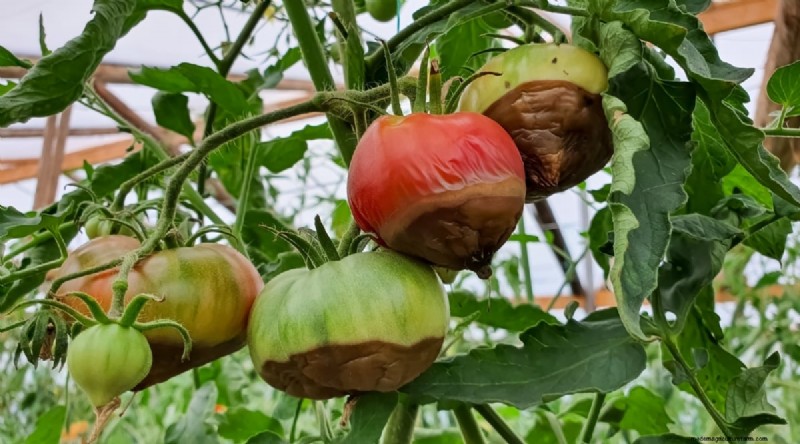
This physiological disorder, caused by inconsistent watering and calcium deficiency, manifests as brown, sunken bottoms. Maintain steady moisture and amend with calcium sources.
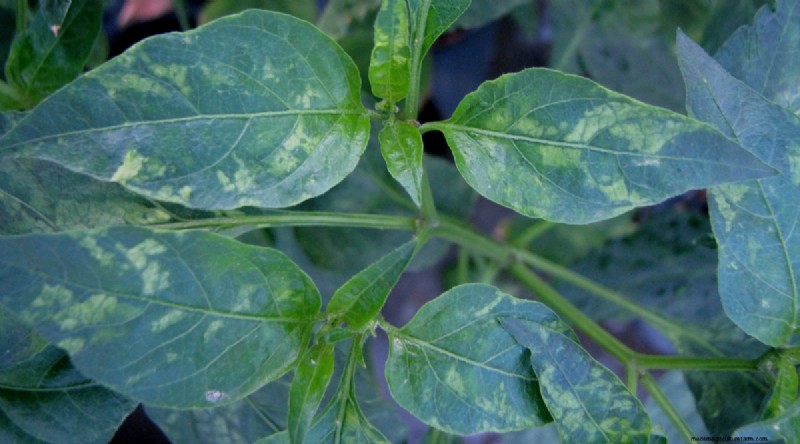
TMV causes curling, mosaic‑like leaf patterns and is often transmitted by aphids. Remove infected plants promptly and use resistant varieties if available.
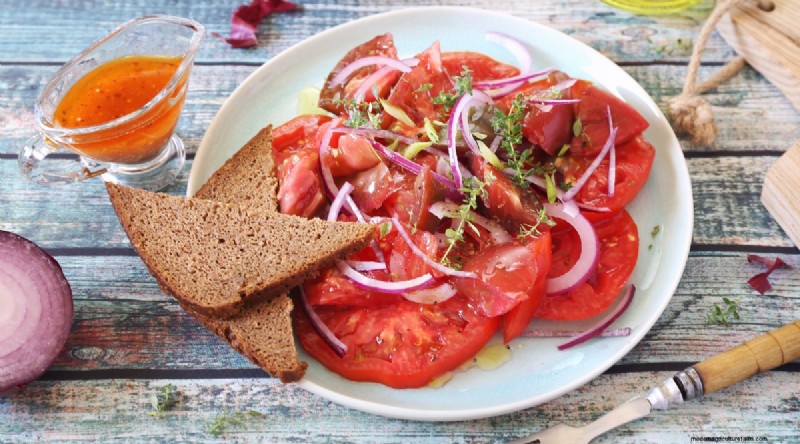
Beefsteak tomatoes are versatile—excellent for slicing, salads, burgers, sauces, and canning. A simple sprinkle of sea salt enhances their natural sweetness.
To harvest a plentiful crop of beefsteak tomatoes, plant in rich, loamy soil, provide consistent moisture, and secure a sturdy trellis. Use a balanced, low‑nitrogen fertilizer and prune regularly to focus growth on fruit. With these practices, you’ll enjoy some of the most satisfying tomatoes in your garden.


