Welcome to Modern Agriculture!

Lighting, irrigation, the quality of the soil, and humidity are all elements that contribute to the health of a plant. When it comes to developing indoor plants that thrive, there are several aspects that come into play. On the other hand, the relationship between the height of a plant and the size of its container is a feature that is sometimes ignored despite its significance. When assessing whether a plant will thrive or suffer in an indoor environment, the ratio of the plant’s height to the size of the pot is one of the most important factors to consider.
The maintenance of this equilibrium is necessary to guarantee the healthy development of roots, stability, and overall growth. The ability to comprehend this dynamic not only assists in the prevention of typical problems such as becoming root-bound or toppling over, but it also lays the groundwork for success in the long run. It is possible for people who are passionate about indoor plants to make decisions that are better informed, which will ultimately result in plants that are healthier and happier. What are we waiting for? Let’s select the perfect plant height to pot size ratio for your indoor garden.
The ratio between the plant’s height and the pot’s size is essential for ensuring the success of indoor plants. The presence of this ratio affects whether or not the roots of a plant have adequate space to support the plant’s growth above ground, which has a direct impact on the plant’s health and longevity. A container that is too tiny may inhibit root expansion, which will result in stunted growth.
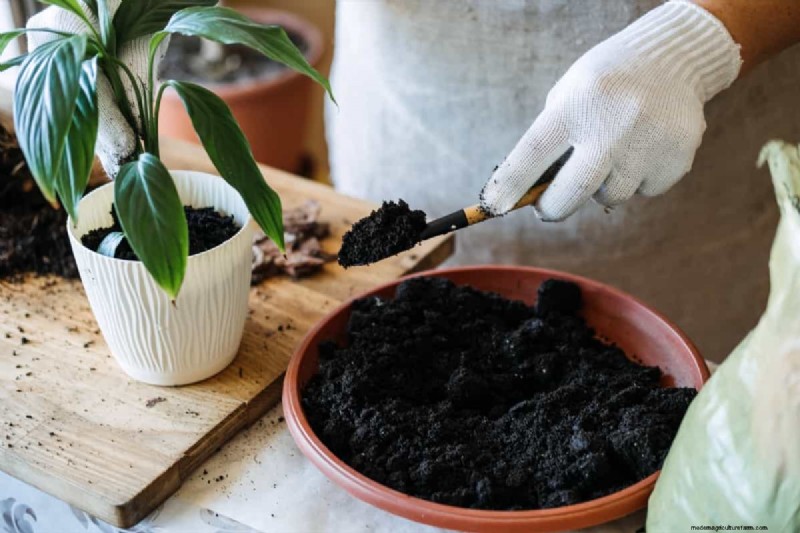
On the other hand, a container that is too large might induce water retention and root rot. The term optimal root space for indoor plants refers to the selection of a container that allows the roots to grow out without being confined. For plants that are small to medium in size, the root ball should normally be one to two inches greater in diameter than the container.
Balancing plant height with pot stability should be addressed by ensuring that the width and weight of the pot prevent it from tipping over, particularly for tall plants such as fiddle-leaf figs. With the pot size’s impact on plant vigor in mind, a container that is proportioned appropriately encourages the uptake of nutrients and the retention of moisture, which in turn fosters brilliant foliage.
For instance, a monstera plant that is six feet tall needs a container that is twelve to fourteen inches in diameter to support its sprawling leaves. It is possible for people who are passionate about plants to avoid frequent problems such as yellowing leaves or wilting by giving this ratio the priority it deserves. This balance will provide the conditions for lush, healthy indoor greenery that may enrich any living environment.
The size of a plant’s container affects its ability to absorb water and nutrients, which is based on root development. A container too tiny will confine the roots, hindering their growth and proper function.
One way to encourage healthy root expansion in potted plants is to select a container that has sufficient space for the roots to spread out. Typically, the diameter of the container should be 1.5 times the height of the plant to ensure balanced growth. When determining the pot size for stable indoor plant growth , it is important to take into account the mature height of the plant.
For example, a snake plant, which is taller, requires a pot that is larger and heavier to prevent it from tumbling over. When it comes to the root-to-pot ratio for plant health , a balanced ratio guarantees that the roots have access to sufficient soil volume, which allows the plant to retain moisture and nutrients without getting wet.
For example, a peace lily that is three feet tall can flourish in a ten-inch-diameter container. Such an arrangement allows the roots to firmly attach themselves while also providing support for the luxuriant leaves. By reducing the frequency with which the plant needs to be repotted, proper pot sizing also helps bring the plant’s stress level down. To cultivate robust root systems that are capable of supporting lively and stable plants, indoor gardeners can line the size of the pot with the height of the plant.
Having a pot that is too big can cause the soil to become moist and cause root rot, but having a pot that is too tiny will cause the plant to dry out soon, which can cause it to starve.
The best way to achieve moisture balance in indoor plant pots is to choose a pot size that corresponds to the height of the plant. This approach will enable the soil to retain moisture evenly without becoming soggy. Managing nutrient retention in potted plants necessitates the use of an appropriately sized container. Such an arrangement ensures that the soil has the capacity to hold nutrients, which in turn reduces the amount of fertilization that is required.
In the case of indoor plant pot size for efficient water use, a container that is proportional to the height of the plant—for example, an 8-inch pot for a 2-foot-tall pothos—prevents the plant from being overwatered and encourages it to take in water more effectively. It is essential to strike this equilibrium for plants that have high water requirements, such as calatheas, which demand a constant amount of moisture.
Gardeners can maintain appropriate soil conditions by aligning the pot size with the plant’s height. This strategy ensures that the plants receive the water and nutrients that are necessary for continued growth and beautiful foliage in indoor situations.
A plant becomes root-bound when its roots extend beyond its container. This leads to the plant’s rapid growth and deteriorating health. To prevent this issue, the plant’s height-to-pot size ratio must be right to allow root expansion.
The best way to avoid root-bound indoor plant problems is to select a container that is slightly larger than the root ball that is currently there. This will unrestrict the roots’ expansion. The term pot size for unrestricted root growth refers to the fact that plants like spider plants, which can reach a height of around 2 feet, can be supported by a pot that has a diameter that is 2 inches wider than the root system.
A well-sized pot reduces the likelihood of roots spiraling around its interior, potentially leading to suffocation of the plant. This plays a crucial role in preventing plant stress caused by small pots. There is sufficient space for the roots of a dracaena that is four feet tall to spread out in a container that is twelve inches in diameter.
Using pots of the appropriate size reduces the need for regular repotting, which can stress plants. Indoor gardeners can prevent root-bound conditions by maintaining a suitable ratio of plant height to pot size. Such an arrangement allows for the cultivation of plants that are robust, healthy, and able to thrive in their respective habitats.
The aesthetic appeal of indoor plants can be improved by selecting a pot size that is proportional to the height of the plants, which will result in the creation of visual harmony in any given space. An unbalanced container can give the impression that a plant is unsteady or uncomfortable, which detracts from the plant’s natural attractiveness.
One way to make visually appealing indoor plant displays is to use a container that is proportional to the height of the plant. For example, a 10-inch container would be appropriate for a ZZ plant that is three feet tall. In the context of pot size for room aesthetic balance , the size and style of a pot ought to be in harmony with the height of the plant and the decoration of the room, so contributing to an overall improvement in the atmosphere.
When considering the ratio of plant height to pot size, a pot of the appropriate size ensures that the plant does not overpower inadequately large spaces. In a living room, for example, a tall areca palm planted in a 14-inch diameter pot might create a dramatic focal point. The correct size of the pot also ensures practical stability, which helps to prevent tipping in locations with a lot of foot traffic.
It is possible for gardeners to create spectacular indoor displays that enhance both the attractiveness of the plant and the aesthetic cohesiveness of the area by ensuring that the size of the pot corresponds with the height of the plant.
Plants that are stressed due to incorrect pot sizing may experience withering, yellowing of the leaves, or slower development, all of which can shorten the plant’s lifespan. For the purpose of reducing stress and maximizing lifetime, the ratio of plant height to container size is of the utmost importance.
Selecting a container large enough to accommodate the plant’s root system can support stress-free indoor plant care. For plants such as philodendrons, the root ball should be around one to two inches larger than the container. In the context of pot size for plant longevity , a container that is proportional to the height of the plant—for example, a 12-inch pot for a four-foot-tall yucca—ensures that the roots have the space to grow without being suffocated by an excessive amount of soil.
When reducing plant stress through pot sizing is considered, a pot size that is balanced eliminates problems such as overwatering or nutrient deficiency, both of which are problematic for plants. Proper sizing of plants reduces the frequency of repotting, which can be stressful for sensitive plants. Indoor gardeners can create a stable environment by maintaining an appropriate plant height-to-pot size ratio, which helps avoid stress and allows plants to live for years and maintain their vibrancy in residential settings.
The size of the pot greatly determines the frequency of watering and maintenance because it influences how quickly the soil dries out or retains moisture. A pot that is too tiny could require more frequent watering, but a pot that is too big might cause the plant to receive too much water.
The best way to maximize efficient watering for indoor plants is to use a container that is proportional to the height of the plant, such as an 8-inch container for a jade plant that is two feet tall. This approach will ensure that the soil dries out evenly between waterings. Managing pot sizes for low-maintenance plants means reducing the need for regular monitoring by using a pot that is the appropriate size. This arrangement is perfect for plant owners who are constantly on the go.
It is important to consider water retention in plant pots since a pot size that is balanced avoids water from collecting, which can be detrimental to plants such as succulents. For example, a three-foot-tall rubber plant in a ten-inch-diameter container needs watering every seven to ten days.
In addition, the correct size of the pot helps to reduce soil compaction, which can be a barrier to water absorption. It is possible for gardeners to streamline maintenance by aligning the size of the pot with the height of the plant. This strategy ensures that the plants receive constant care with the least effort.
The pot size determines the root space and resources available to the plant, which affects its growth rate and development. A container that is too small can stifle the growth of young plants, while a pot that is too big can be harmful to them.
The best way to ensure steady indoor plant growth rates is to select a container that is able to accommodate the plant’s current height. For example, a 6-inch pot would be ideal for a 1-foot peperomia, which would allow the roots to gradually extend. When it comes to the topic of pot size for plant developmental stages , it is important to modify the size of the pot as the plant becomes older. A baby plant requires a smaller pot than an adult plant does.
For supporting plant growth through pot sizing, a well-balanced pot guarantees that nutrients and water are easily available, which speeds up the plant’s development. For example, a schefflera that is five feet tall can flourish in a container that is fourteen inches in diameter, which is suitable for its rapid development phase.
Using the appropriate size of the pot can also prevent root crowding, a development-limiting condition. It is possible for indoor gardeners to encourage continuous growth by ensuring that the ratio of plant height to pot size is optimal. These measures will assist plants in reaching their maximum potential at each respective stage of development.
It is essential to ensure the success of indoor plant species that have distinct development patterns, and the size of the pot should be able to handle these variances. In order for plants such as bonsai and orchids to flourish, their pots need to be precisely sized.
To ensure that species-specific indoor plant care is maintained, it is important to select a container that corresponds with the height and growth pattern of the plant. For example, a shallow 6-inch container would be suitable for a 1-foot orchid. It is important to consider plants like trailing pothos when discussing pot size for unique plant growth patterns. These plants require larger pots to accommodate their sprawling roots.
When tailoring pot size to plant species is considered, a balanced pot size helps to support the natural structure of the plant, which in turn helps to prevent stress. For instance, a bonsai that is two feet tall flourishes in a pot that is eight inches in diameter because it allows its compact roots to stretch out in the ideal manner.
The correct size of the container is also necessary to maintain stability for top-heavy species like the bird of paradise. Gardeners may accommodate a wide variety of growth patterns by ensuring that each plant thrives in its indoor habitat and that the size of the pot is proportional to the plant’s height and the unique requirements of the species.
Healthy soil is essential for the development of indoor plants, and the size of the pot has a direct impact on the quality and durability of the soil. A container that is too small will compact the soil, reducing aeration; a pot that is too large will store excess moisture, which will degrade the structure of the soil.
Healthy soil for indoor plants can be maintained by selecting a pot size that is appropriate to the height of the plant, such as a 10-inch pot for a 3-foot anthurium. This procedure will ensure that the soil is kept loose and well-aerated. The term pot size for soil nutrient retention refers to the fact that a pot size that is balanced prevents the depletion of nutrients, which in turn reduces the frequency with which soil needs to be replaced.
When managing soil health through pot sizing, if pot size is considered, a smaller pot size reduces the likelihood of waterlogging, which can encourage the growth of fungi. A four-foot palm, for instance, thrives in a twelve-inch-diameter container with sufficient drainage.
In addition, the right size of the pot encourages the growth of beneficial microorganisms in the soil. It is possible for indoor gardeners to maintain healthy soil conditions by ensuring that the size of the pot corresponds to the height of the plant. This procedure ensures that the plant has a solid foundation upon which to grow and thrive.
Repotting is essential for indoor plant care, and the pot size determines how often and when it is needed. A pot that is too tiny necessitates frequent repotting, which can be stressful for the plant. On the other hand, a pot that is somewhat larger can stretch the gaps between repottings.
The best way to maximize efficient repotting for indoor plants is to select a container that is large enough to support its height. For example, a 10-inch pot would be appropriate for a 3-foot-tall dieffenbachia. Finally, you should wait one to two years before repotting the plant. The term pot size for extended repotting intervals refers to the fact that a balanced pot size lowers root crowding, which in turn minimizes disruption.
When the timing of repotting with pot size is considered, a larger pot allows for repotting to coincide with the growth cycle of the plant, which normally occurs in the spring. A fern growing two feet tall in a pot eight inches deep serves as an example of this.
In addition, the correct size of the pot helps prevent soil degradation, which is the cause of premature repotting. To expedite repotting plans, gardeners can reduce the amount of stress that plants experience and ensure that they continue to grow in a healthy manner by maintaining an optimum plant height-to-pot size ratio.
It is possible to strengthen the resistance of indoor plants to environmental stresses such as low humidity or variations in temperature by increasing the size of their containers. Plants are better equipped to remain resilient in the face of adversity when they are housed in a container of sufficient size.
If you want to encourage resilient indoor plant growth, use a container that is proportional to the height of the plant, such as a 12-inch pot for a 4-foot ficus. This approach will ensure that the roots have the space to attach themselves. The concept of pot size for environmental stress resistance refers to the fact that a pot size that is balanced helps to maintain continuous soil moisture, which in turn protects plants from dry air.
When supporting plant resilience through pot sizing is considered, a pot size that is appropriate avoids root stress, which is a factor that weakens plants. An aglaonema, growing three feet tall in a ten-inch-diameter container, serves as an example of this. The right size of pots helps plants absorb nutrients and makes them more resistant to the effects of stresses.
It is possible for indoor gardeners to build a robust root system that promotes plant resilience by aligning the size of the pot with the height of the plant. Such an arrangement ensures that the plant will grow despite the challenging conditions that are present inside.
When it comes to expanding an indoor plant collection, propagation is a common method, and the size of the container is an important factor in ensuring that cuts or divisions are successful. A container too tiny hinders the growth of new roots, while an excessively large container may overwhelm young plants.
Successful indoor plant propagation can be supported by selecting a container that corresponds to the height of the cutting, such as a four-inch container for a six-inch pothos cutting. This strategy will allow the roots to establish themselves. As far as pot size for propagated plant growth is concerned, a balanced size ensures that the soil remains moist without becoming waterlogged, which in turn encourages the formation of roots.
When optimizing propagation with pot size considerations, a pot size that is appropriate helps the plant make the transition to full independence. For instance, a propagated monstera that has grown to a height of one foot thrives in a container that is six inches in diameter. For young plants, nutritional imbalances can be detrimental, and proper pot sizing helps avoid this from happening.
Gardeners can boost the success rates of propagation by ensuring that the size of the pot corresponds with the height of the plant being propagated. This procedure helps to cultivate new plants that are healthy and grow into vibrant additions to interior areas.
Peace lilies and citrus trees are examples of flowering and fruiting indoor plants that require special circumstances to bloom. The size of the container is an important consideration in this regard. A pot that is too small restricts root growth, which in turn reduces the amount of energy available for flowering, whereas a pot that is too large redirects resources to root expansion.
Choose a container proportionate to the plant’s height to maximize its flowering potential. For example, a 10-inch pot would be appropriate for a 3-foot hibiscus. These dimensions will ensure that the roots are able to support the blossoms. When it comes to the topic of pot size for fruiting indoor plants, a pot size that is balanced gives sufficient soil for the plant to absorb nutrients, which is necessary for the growth of fruit.
When supporting blooms through pot sizing is considered, appropriate pot size ensures that flowering plants receive regular hydration, which is essential for their growth. For example, a lemon tree that is two feet tall and is grown in a container that is eight inches deep yields more fruit than a tree that is grown in a pot that is too small. Stress, which can prevent flowering, can also be avoided by using the appropriate size of the pot.
Gardeners can boost the flowering and fruiting potential of indoor plants by aligning the size of the container with the height of the plant. This results in the creation of spectacular displays.
To ensure that all aspects of plant health, including roots, water, nutrients, and stability, are optimal, it is essential to maintain a consistent plant height-to-pot size ratio. This is the cornerstone of successful indoor plant cultivation. A mismatched ratio disrupts growth, ultimately leading to weak plants.
A pot that scales with the height of the plant, such as a 12-inch pot for a 4-foot parlor palm, should be chosen to guarantee consistent indoor plant health. This will guarantee the plant’s root and foliage requirements are satisfied. A proportionate pot size allows for long-term development without the need for frequent changes, which is an important consideration when discussing pot size for sustained plant success.
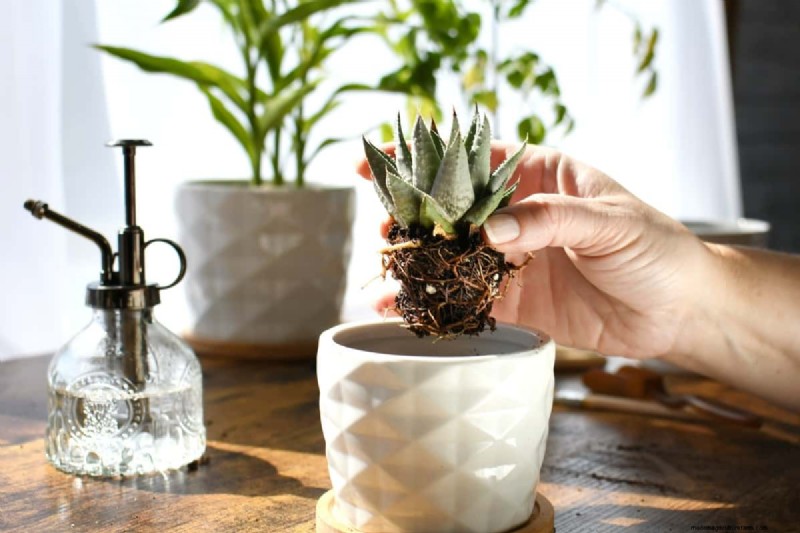
When optimizing plant care through pot sizing, care routines are simplified by maintaining a consistent ratio, which ensures that plants grow with the least effort. Consider a three-foot-tall snake plant in a ten-inch-diameter container. Additionally, the correct size of the pot improves the plant’s resistance, attractiveness, and growth rates.
Indoor gardeners may establish thriving plants that require little maintenance and provide beauty and energy to their homes by placing an emphasis on the ratio of plant height to container size. Such an approach will ensure that the plants will be successful for a long time.
When it comes to assuring the success of indoor plants, the ratio of one plant’s height to the size of the pot is an essential factor. The stability of a plant, the health of its roots, and its general growth are all directly influenced by this ratio. A well-balanced ratio guarantees that the plant has sufficient space for its roots to grow without being root-bound, which can result in the plant’s development being stunted or in high levels of stress.
In addition, the correct size of the container offers sufficient stability, which prevents taller plants from toppling over and, consequently, reduces the likelihood of damage occurring. It is possible for indoor gardeners to achieve optimal nutrient absorption, water retention, and drainage by maintaining a suitable height-to-pot size ratio. All of these factors lead to plants that are healthier and more vibrant.


