Welcome to Modern Agriculture!

Cucumbers are classic kitchen staples, yet their success hinges on the care you give them. Whether you’re a seasoned gardener or planting your first vine, steering clear of the most frequent pitfalls guarantees a thriving, bite‑sized bounty all season long.
Cucumbers are a type of Cucumis sativus, an annual that transforms a sunny spot into a flourishing salad garden. These plants love warmth, moisture, and—most critically—well‑drained, nutrient‑rich soil. Their rapid growth (50–70 days from seed to harvest) means you can reap rewards in just a few weeks if you get the basics right.
Most gardeners need only a few essentials: a sunny location, adequate water, and prop support for the vines. Even containers can work, as long as the roots receive enough light and nutrients.

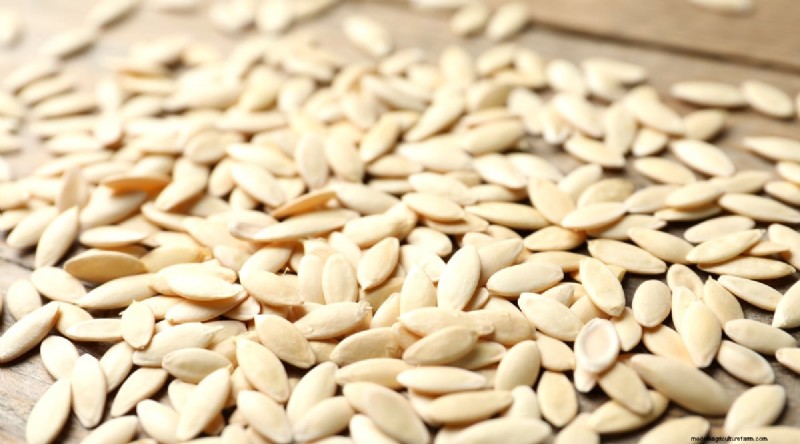
Seeds can stay viable for up to five years if kept dry and cool. Store them in airtight containers, out of humidity, and always check for a firm, off‑white look before planting.
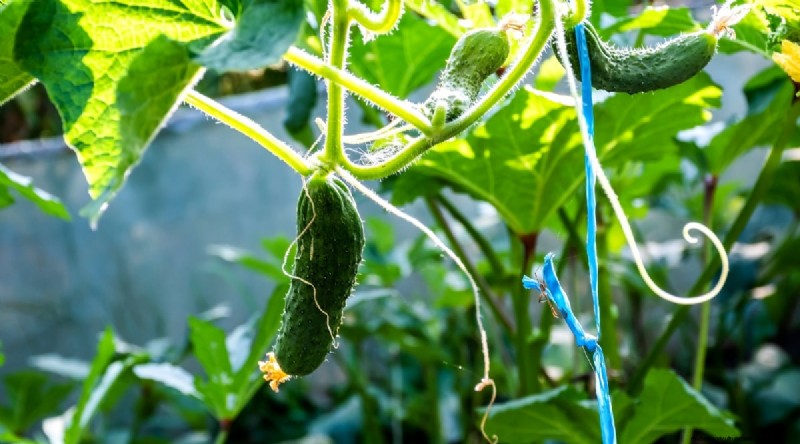
Don’t transplant seedlings into the garden before the last frost. Warm‑season crops thrive when the soil and air are consistently above 50 °F, with daytime temperatures in the mid‑70s.
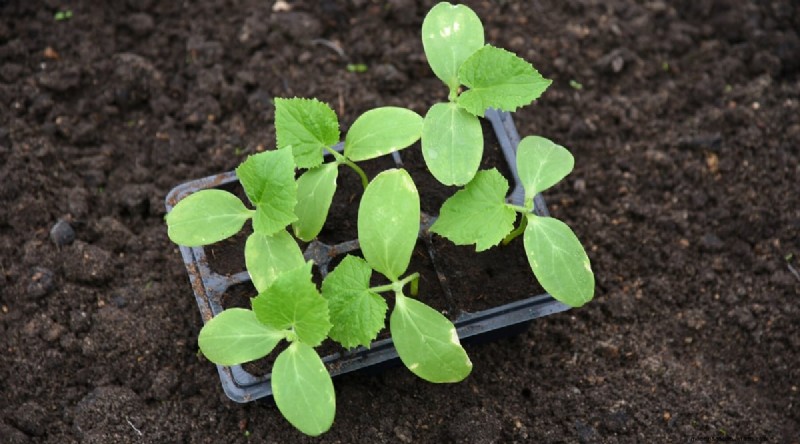
Build a fertile, loamy bed with a pH of 6.0–6.8. Add well‑decomposed compost to boost organic matter, but never plant directly into raw compost; it can scorch young roots.
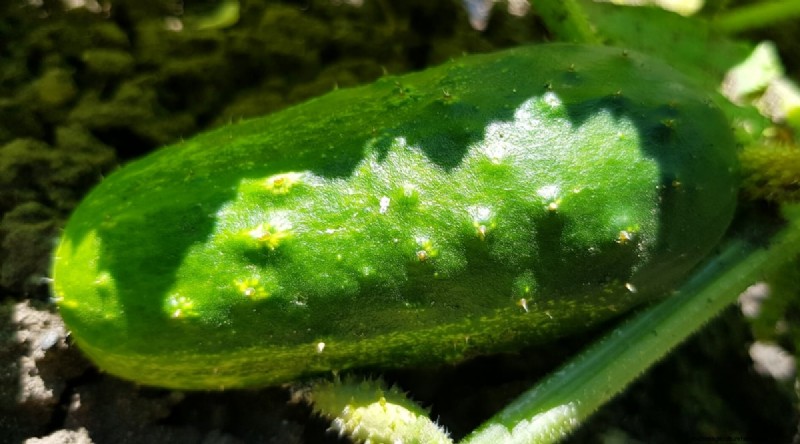
Vines need at least 6 hours of direct, bright sun per day. Morning sun is ideal for protecting tender leaves and encouraging strong growth.

Supplement rainfall with 1–2 inches of water each week. Must‑not‑drip must not imperil mandibles; keep moisture consistent but not soggy.
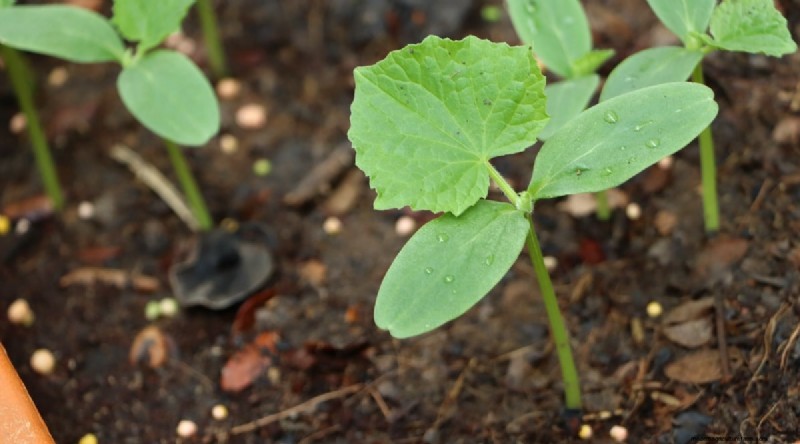
Prefer soaker hoses or long‑handled wands that target the root zone. Avoid misting leaves, which can foster fungal diseases.
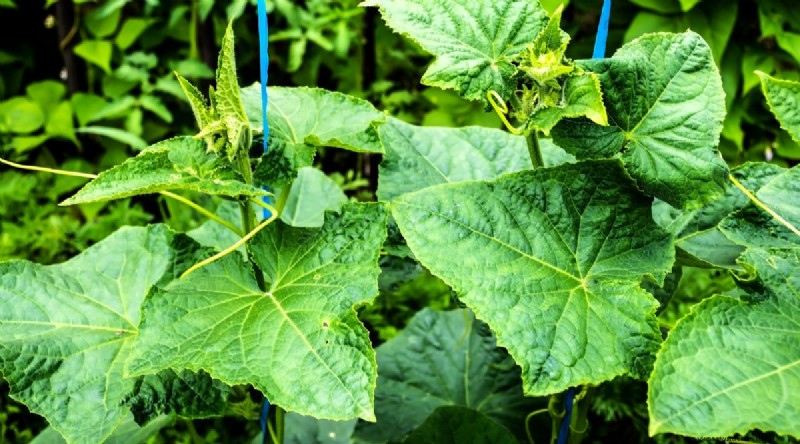
Allow 1–2 ft spacing for hill‑grown vines and 1 ft for trellis‑grown ones. This gives each plant room to thrive and reduces disease pressure.
Weeds compete for nutrients and water, and they can harbor pests. Use a hoe or hand‑pull, and consider a light row cover if temperatures dip.
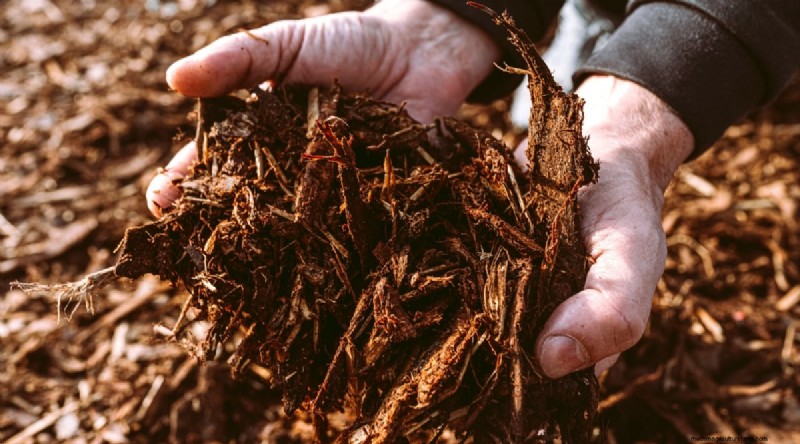
Apply organic mulch—straw, shredded leaves, or compost—to lock in moisture, suppress weeds, and enrich the soil as it breaks down.
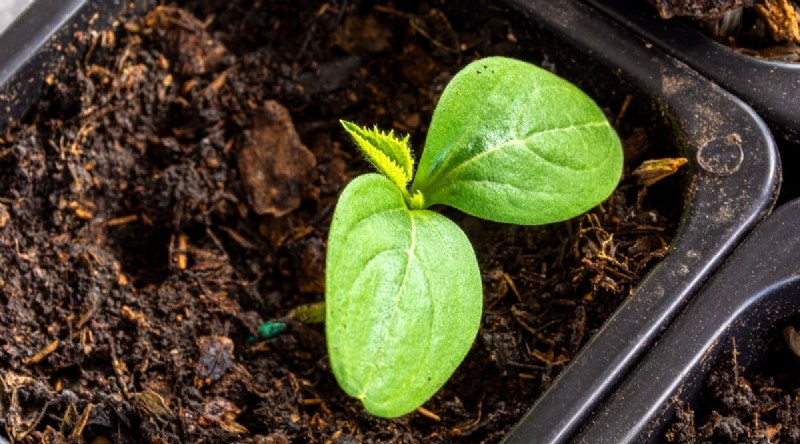
Feed your vines a couple of weeks after transplanting, using a balanced organic fertilizer. This keeps the plant’s vigor high and yields strong.
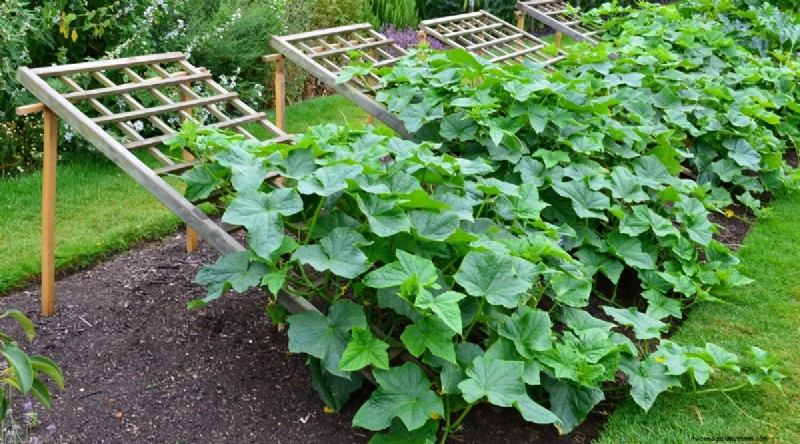
Trellises elevate the vines, preventing fruit bruising and making pollinators easier to reach. Simple wire or repurposed fence posts work well.
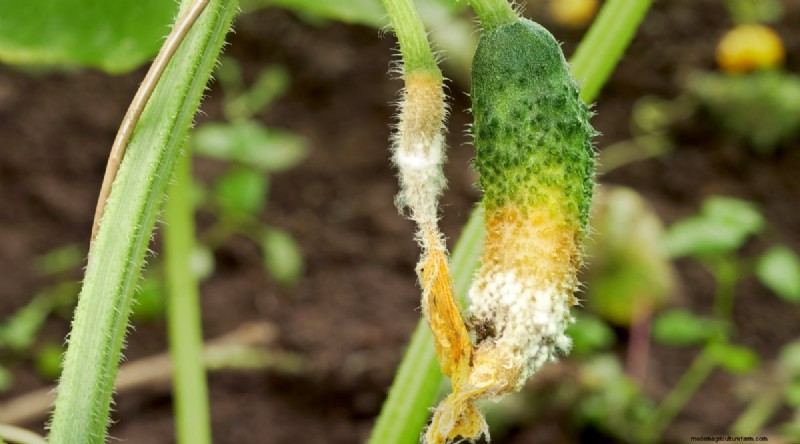
Act swiftly when you spot pests or damaged tissue. Early intervention stops minor issues from becoming major setbacks.
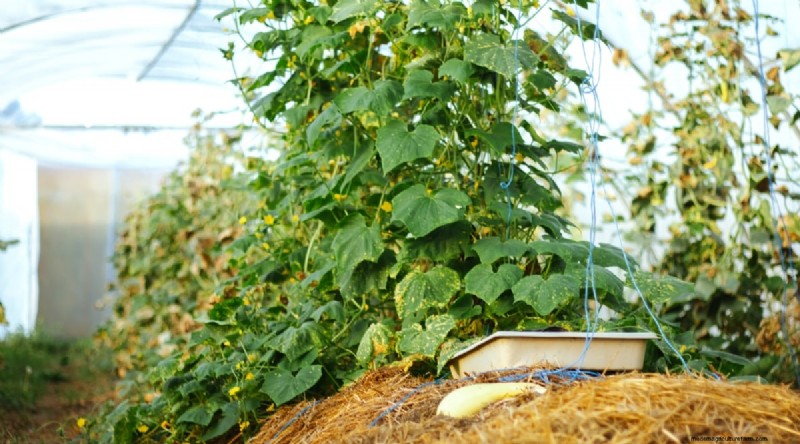
Move cucumbers to a new spot each year to avoid nutrient depletion and disease buildup. Rotate with legumes or cover crops when possible.
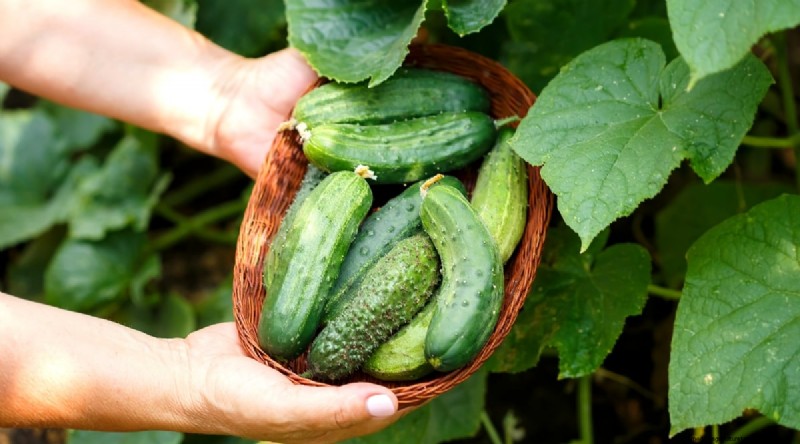
Harvest when the fruit is firm yet still green—typically within 50–70 days after sowing. Picking too early or too late compromises flavor and texture.
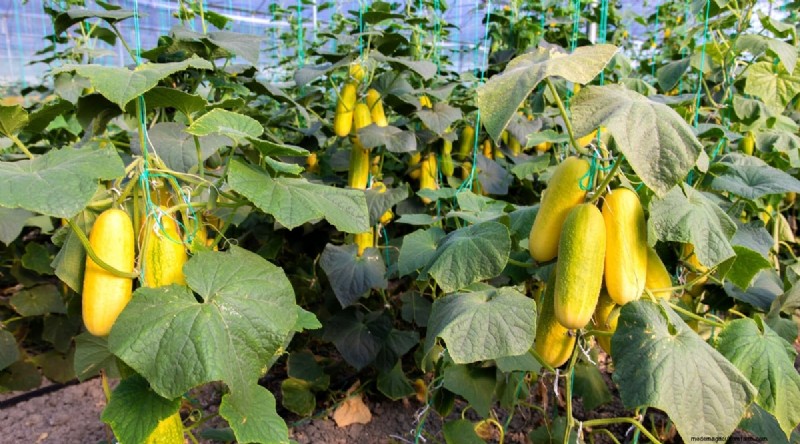
Plant basil, marigolds, or nasturtiums nearby to repel pests, and include legumes to enrich the soil with nitrogen.
Raised beds and containers are both viable options. They offer precise control over moisture and nutrients, but remember that taller structures can dry out faster—keep an eye on soil moisture.
Must‑not‑must: use vegetable‑grade, water‑permeable fabrics if you need extra protection, but avoid heavy, non‑breathable materials that trap heat.
When you see your cucumbers starting to wilt or show signs of pests, consult an integrated pest management guide or a local extension office for tailored solutions.
Follow these steps, and you’ll not only avoid common mistakes but also prop yourself up for a thriving cucumber garden.