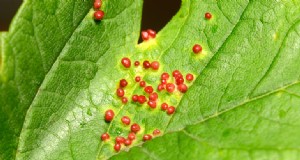
Welcome to Modern Agriculture!

When you imagine the luscious sweetness of a fresh peach, consider that growing your own tree can bring that flavor straight to your garden. To turn that vision into reality, you must first grasp a peach tree’s size, requirements, and growth phases.
There are dwarf varieties that thrive in large containers and standard‑size trees that serve as striking landscape focal points. Peach trees demand consistent care, but for peach lovers the effort is well worth the reward.
In this guide we cover peach‑tree basics, show you how to select the right cultivar, and outline what to expect as your tree progresses through each growth stage.
Contender Peach
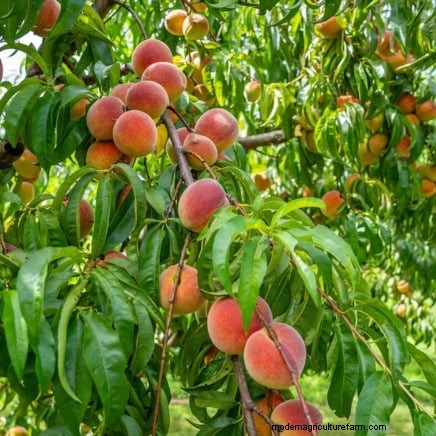
If you’re looking for a peach that checks every box, Contender is the ideal choice. This variety is disease‑resistant, cold‑hardy, and self‑pollinating. It delivers abundant medium‑to‑large, juicy fruit and boasts striking pink blossoms in spring, deep yellow foliage in autumn, and luscious summer fruit.
Buy at Epic Gardening Shop
Plant a healthy young tree and provide it with adequate sunlight, water, and good soil. With proper care, you’ll watch it mature and eventually harvest your own peaches.
Young peach trees focus energy on establishing a robust root system and canopy. Most varieties begin flowering and fruiting around age three. They continue to grow each year, requiring ongoing care throughout their lifespan. Depending on the cultivar and local conditions, a peach tree can live up to 15 years.
Choosing the right tree, planting it correctly, and maintaining it are the keys to a successful peach harvest. In this section we walk through each growth stage, the time required, and best practices for a healthy, productive tree.

Peach trees originated in China and have been cultivated for millennia. Today there are hundreds of cultivars—both peaches and nectarines—available worldwide. Before harvesting your first homegrown peach, familiarize yourself with the basics: ideal location, care requirements, and expected growth stages.
Peaches and nectarines are the same species, Prunus persica. The primary difference is that peaches have fuzzy skin while nectarines are smooth. Another important distinction is how the fruit separates from the pit:
Choose the type that best fits your eating preference; every variety offers delicious fruit.
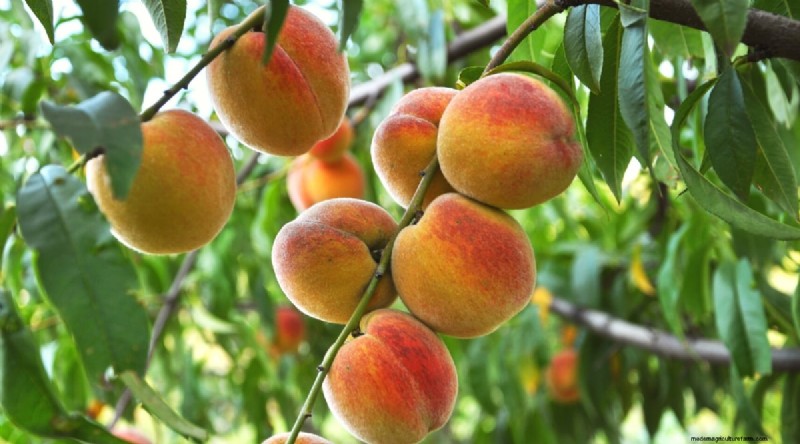
Growing peach trees is a rewarding but high‑maintenance endeavor. New growers should be aware that these trees require annual pruning and proactive pest management. Consult your local cooperative extension for region‑specific advice on common pests, diseases, and optimal cultivars.
Key preparation steps include:
Understanding the quantitative factors that influence peach growth can streamline your selection process.
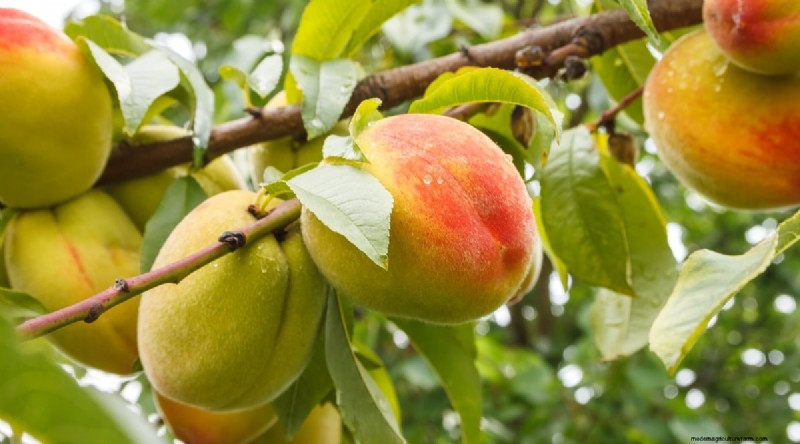
Peaches thrive in USDA zones 4 through 9, with zones 6 and 7 offering the most consistent success. Zone 4‑5 cultivars should be cold‑hardy; zone 8‑9 cultivars should be heat‑tolerant.
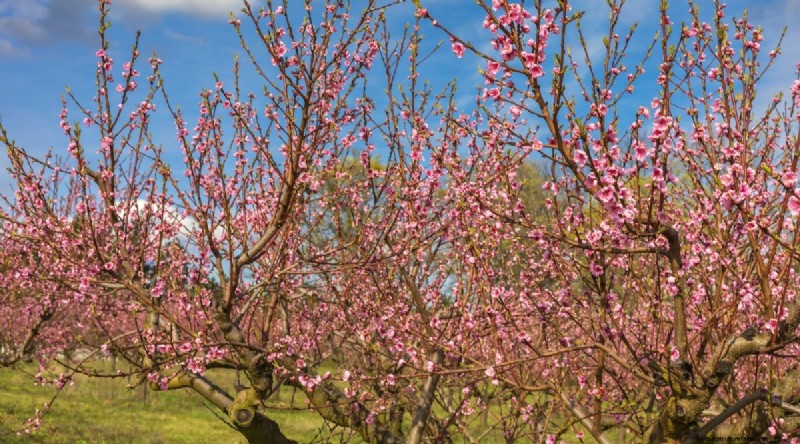
Chill hours—hours below 45°F (7°C)—are essential for dormancy release. Most peaches require 500‑1,000 chill hours. Insufficient chill can delay bloom or cause frost damage, while excess chill rarely harms the tree.
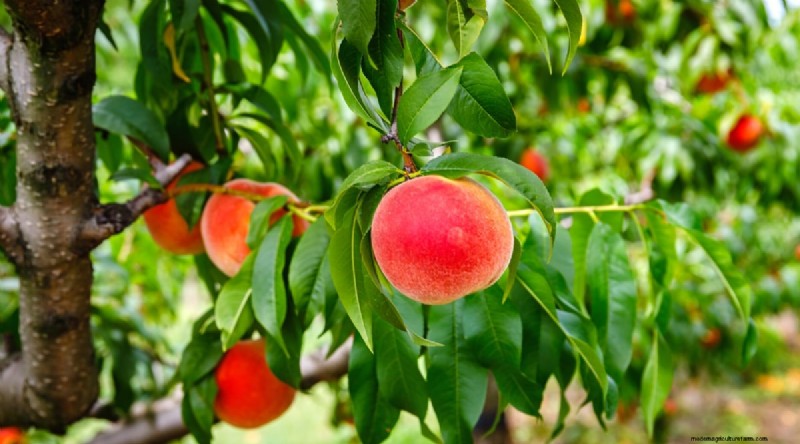
Key site criteria:
Selecting the right cultivar is a fun, research‑driven process. Over 300 peach varieties exist in the United States. Below is a curated list of cultivars categorized by seasonality, climate tolerance, disease resistance, and size.
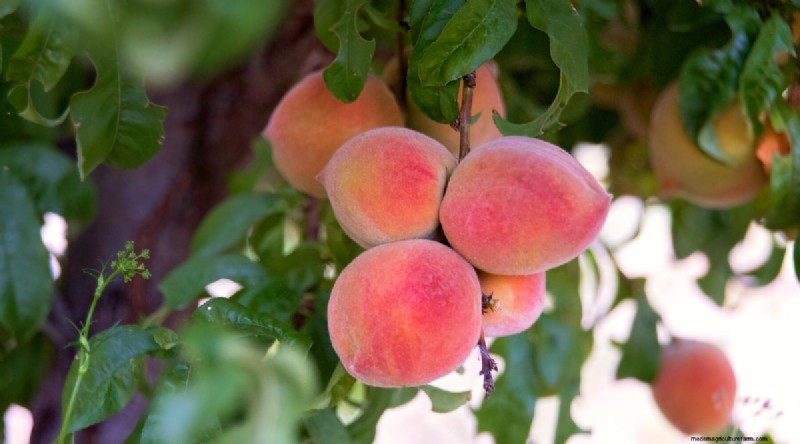
Early season: El Dorado, Florida King, Spring Prince
Mid‑season: Elberta, Harvester, Red Haven
Late season: Cresthaven, Fairhaven, O’Henry
Cold‑tolerant: Canadian Harmony, Redhaven, Reliance
Heat‑tolerant: Desert Gold, Florida Prince, Tex Star
Disease‑resistant: Belle of Georgia, Contender, Babygold #5
Smallest trees: Bonfire Patio Peach, Frost Dwarf, Redhaven Dwarf
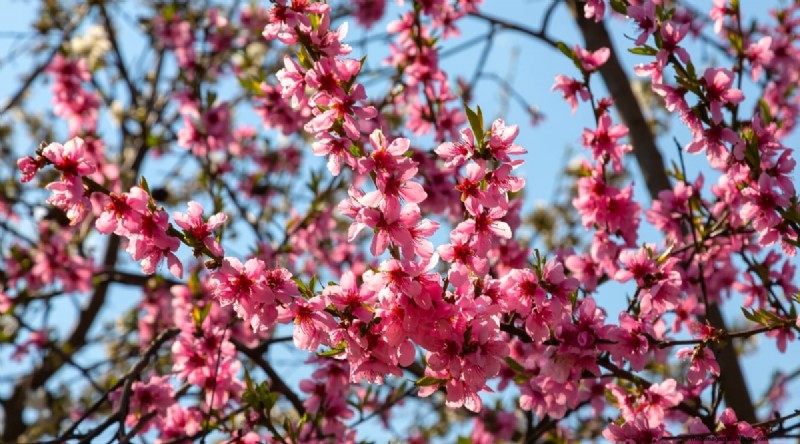
Most peach varieties are self‑fertile, but planting two or more trees can increase yield and fruit diversity.
Whether you’re looking for the cheapest option or the quickest path to harvest, several approaches exist.
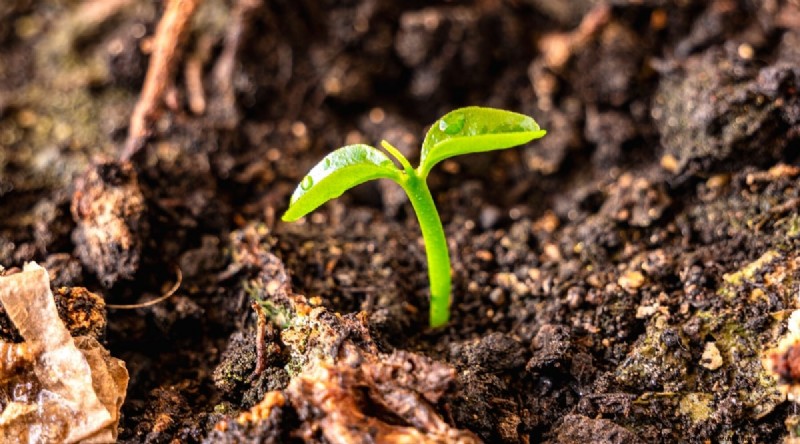
Growing a peach from seed is straightforward but unpredictable, as the resulting fruit will differ genetically from the parent. For guaranteed fruit characteristics, start with a nursery‑grown tree.
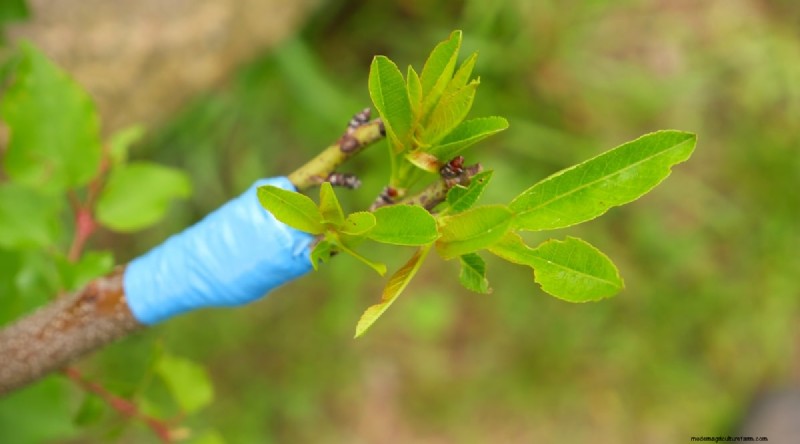
Professional growers graft a hardy rootstock onto a chosen cultivar, producing a tree with a vigorous root system and known fruit quality.
Key considerations when purchasing a nursery tree:
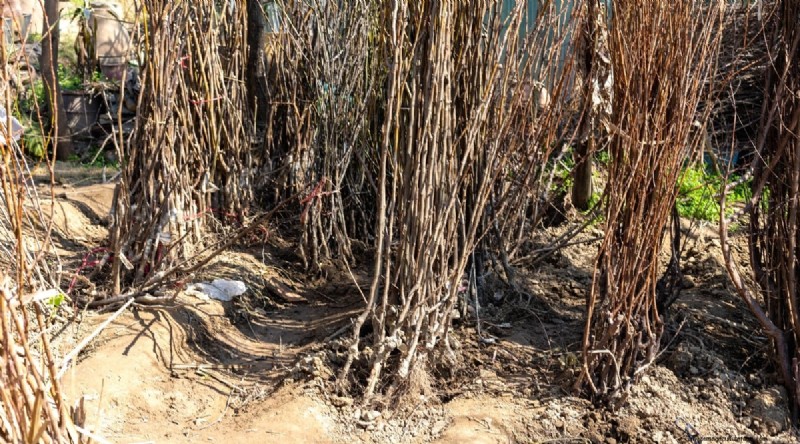
Bare‑root trees are shipped without soil, reducing cost and weight. Rehydrate the roots for 1–2 hours before planting. Ideally, plant them in late winter or early spring while dormant.
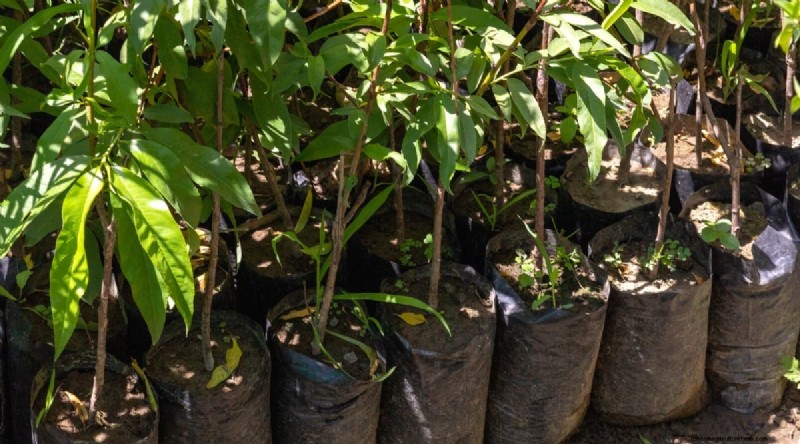
Locally sourced potted trees allow you to inspect the plant before purchase. Ensure the pot size accommodates the root system and that the cultivar is suitable for your climate.
From seedling or grafted start to fruiting and maturity, a peach tree undergoes distinct phases. Below we break down each stage and provide actionable care tips.
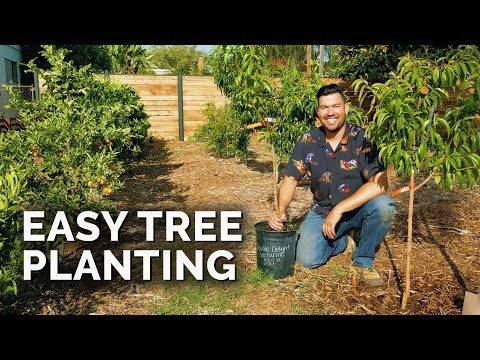
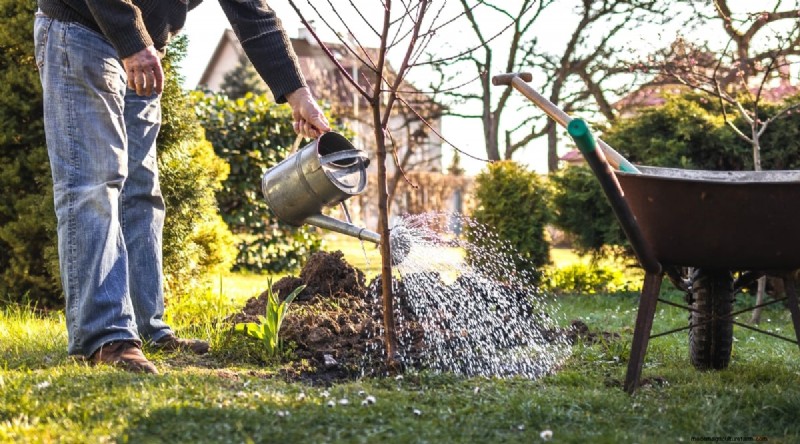
After planting a nursery‑grown tree (typically 2–5 years old), thoroughly soak it to reduce transplant shock. Mulch around the base, leaving a 6‑inch gap from the trunk to prevent rot. Stake if necessary to support growth.
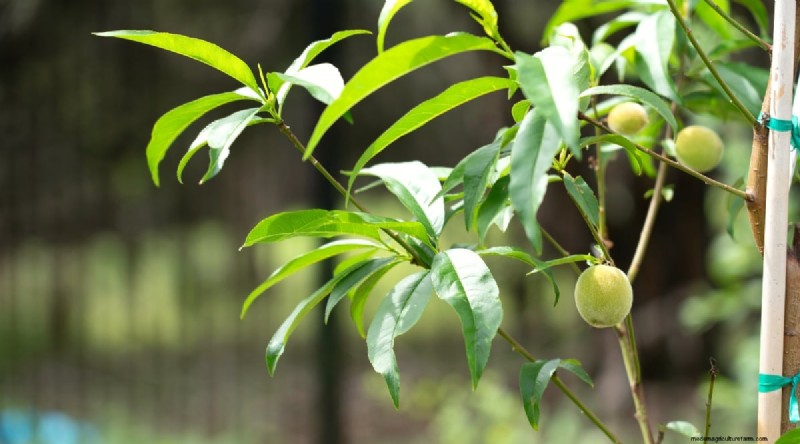
During this period the tree will concentrate on root and branch development. Light fruiting may occur, but yields are usually modest. Begin your annual maintenance routine: watering, pruning, fertilizing, mulching, weed control, and pest/disease monitoring.
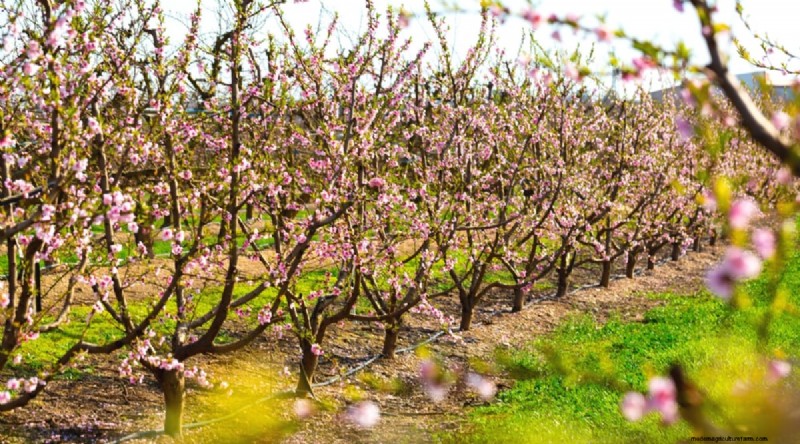
By year three, most trees are reliably flowering and fruiting. Regular pruning keeps the canopy balanced and harvest‑ready. Watch for occasional branch die‑back; prune diseased or dead limbs promptly.
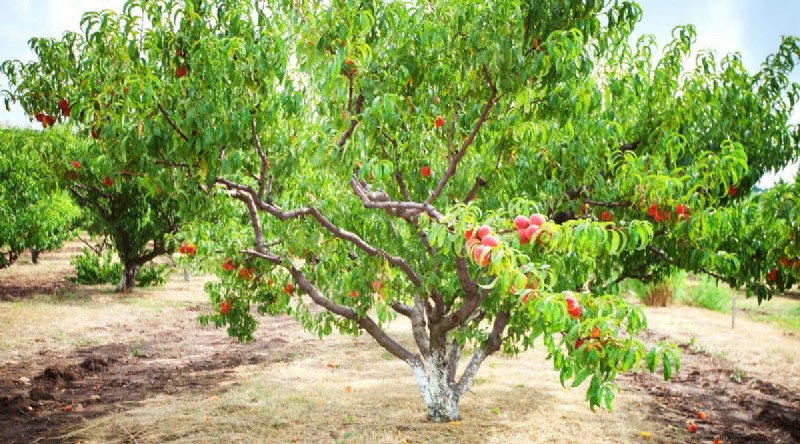
Even as trees age and appear more rugged, a healthy peach tree can produce fruit for 7–15 years. Maintain vigilant pest and disease management and continue the annual care routine.
Peach trees are high‑maintenance perennials. A structured annual calendar helps ensure health and productivity.
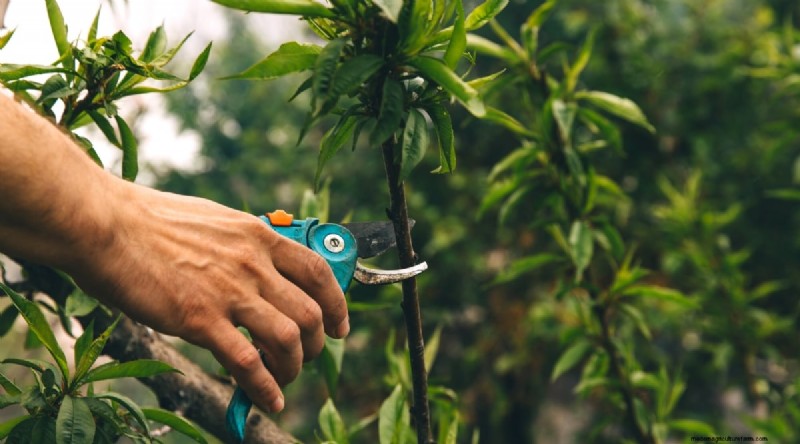
Prune every spring to remove dead, diseased, and crossing branches. Keep a single main trunk and a balanced set of fruiting spurs. Use high‑quality loppers for large limbs, long‑reach pruners for height, and sharp hand pruners for fine cuts.
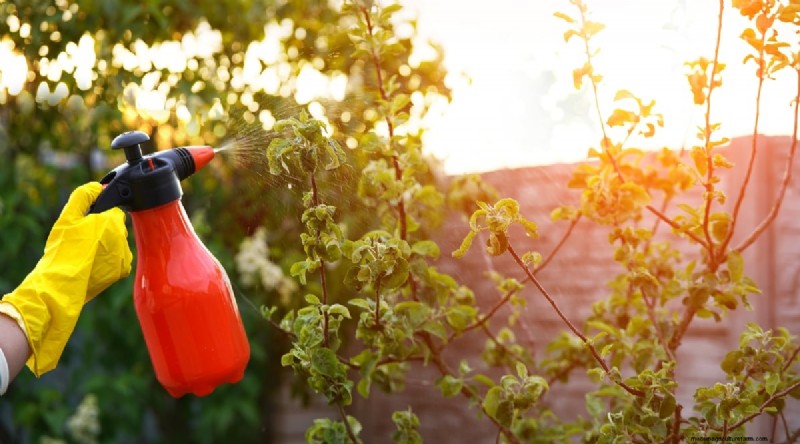
Peach trees are susceptible to aphids, peach tree borers, and fungal diseases. Regular scouting and early intervention—whether cultural, biological, or chemical—prevent crop loss. Consult local extension services for region‑specific recommendations.
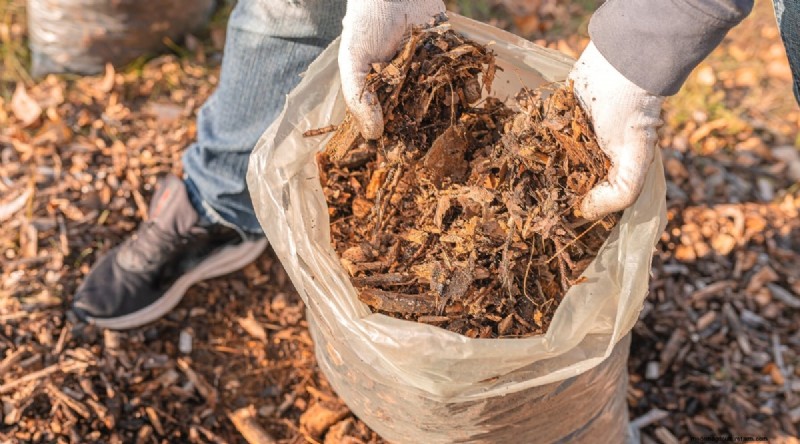
Apply organic mulch in a circular pattern around the canopy base to conserve moisture, suppress weeds, and enrich the soil. Refresh mulch each fall and avoid piling it against the trunk.
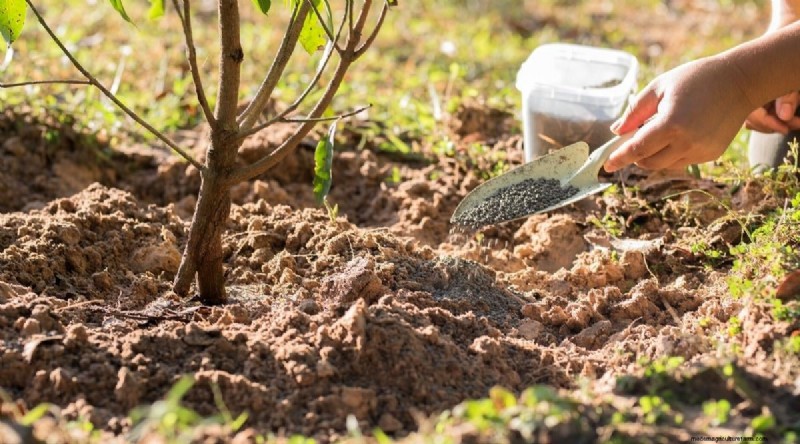
In spring, apply a slow‑release, balanced NPK fertilizer formulated for fruit trees. Follow product instructions carefully; over‑fertilization can harm root health and fruit quality.
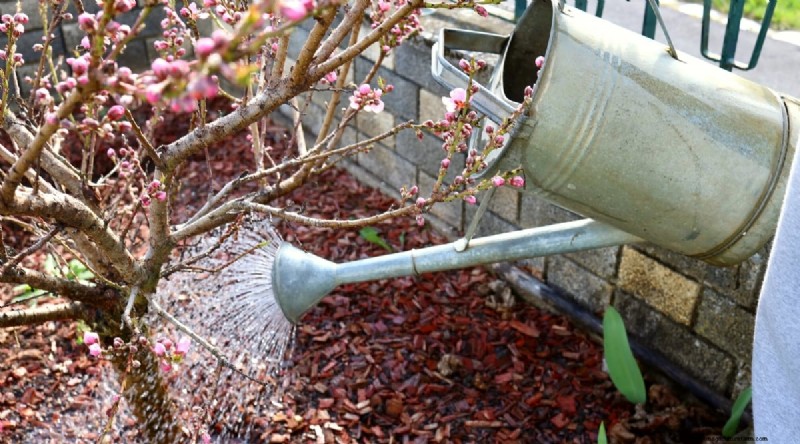
Maintain evenly moist soil throughout the growing season, targeting 1–1.5 inches of water per week. Avoid waterlogged conditions that lead to root rot.
Once the annual care routine is mastered, monitoring growth and fruit set becomes the enjoyable part of peach cultivation.
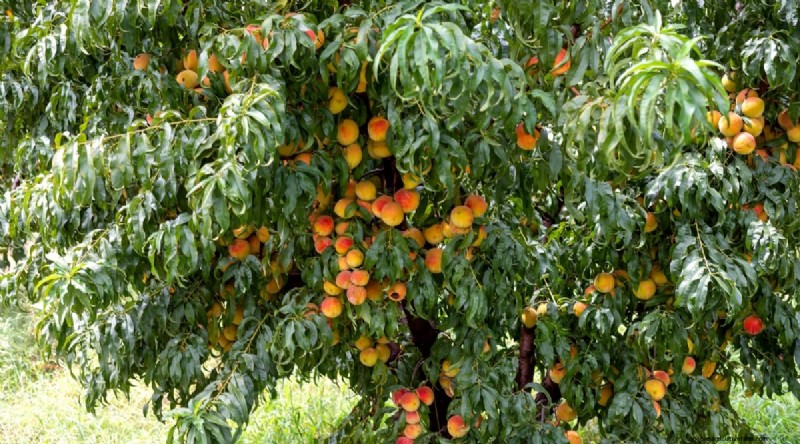
Peach trees typically reach 6–15 feet in height, depending on dwarf or standard status. Annual growth ranges from 12 to 24 inches, with most variation occurring in the first few years.
Flowering usually begins around the third year after planting. Bloom attracts pollinators and signals the start of fruit set.
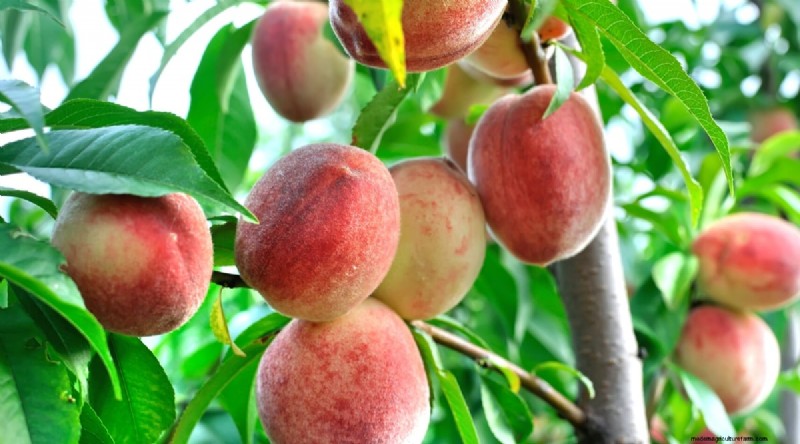
Peach trees often produce more fruit than they can mature. Hand‑thin small, damaged, or overcrowded fruit early to improve size, flavor, and overall yield.
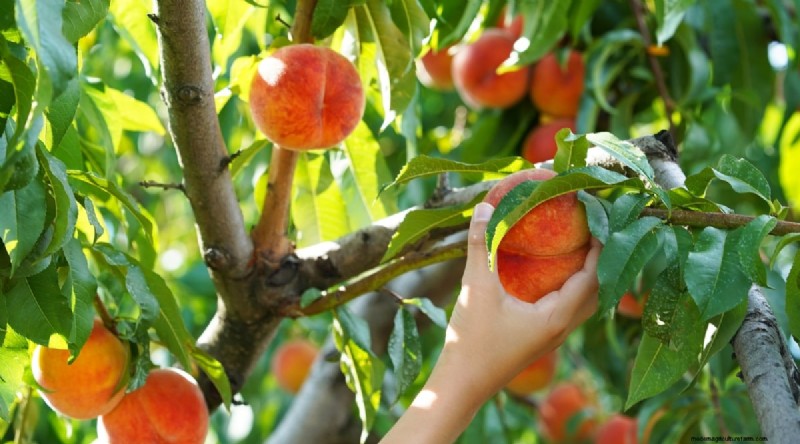
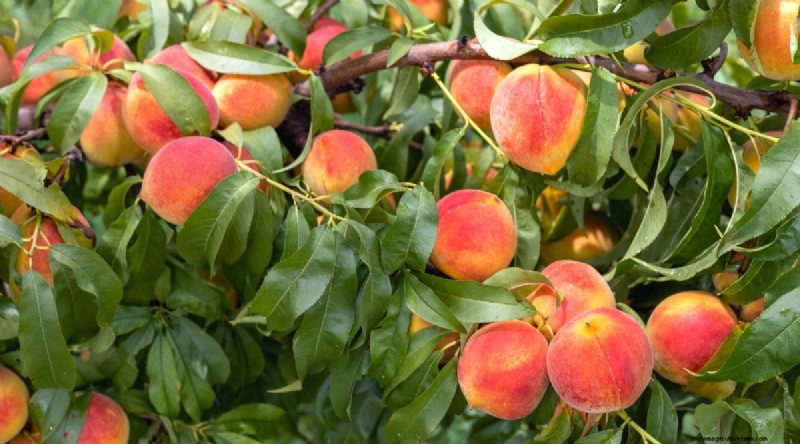
Ripe peaches are fully yellow‑orange with no green blush. Gently grasp, twist, and pull; the fruit should detach easily. Harvest all ripe fruit promptly; overripe fruit left on the tree invites pests and disease.
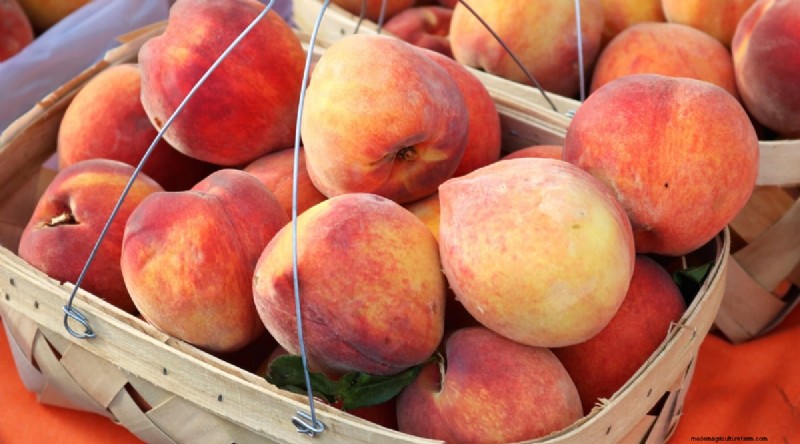
Peaches are best enjoyed fresh. If you need to store them, refrigerate for a few days or freeze, slice, or preserve them for later use.