Welcome to Modern Agriculture!

At Southern Exposure Seed Exchange we thrive on cultivating and sharing distinctive crops like Imperial Star Artichokes, Short‑Toothed Mountain Mint, Mexican Sour Gherkins, and Cactus‑Flowered Zinnias. Over the past year, Facebook conversations have highlighted a growing interest in staple, bulk‑producing crops that can enrich a family’s diet and reduce grocery spend.
In the wake of COVID‑19, rising living costs, and a renewed desire for food sovereignty, seed saving, backyard poultry, and history‑inspired victory gardens are gaining traction worldwide. Whether you aim to cut grocery bills, keep your meals organic, reduce food miles, or strengthen community resilience, the right staples can transform your garden into a dependable food source.
Choosing staples isn’t one‑size‑fits‑all. The best selection depends on family preferences, local climate, soil health, and garden size. It also varies by planting season.
Match the crops you buy most in the store to those you can grow efficiently. Below, we highlight top varieties for both long‑ and short‑season production.
We’ve selected varieties that combine ease of cultivation, high yield, and disease tolerance. They’re divided into long‑season (single spring plant) and short‑season (ideal for succession or fall planting) categories.
These robust plants thrive over an extended period and often require ample space. They’re best suited to larger gardens.
Named for its reliable performance, Magic Cushaw delivers a diverse array of shapes—round, oval, cheese‑type, and long‑necked—each weighing 5–30 lbs. Its strong disease resistance makes it the sole winter squash we cultivate. The fruit stores exceptionally well, perfect for long‑term use.
Developed by Louisiana State University, Beauregard is the most popular sweet potato in the U.S. for its dense, sweet, creamy orange flesh and consistent productivity. It’s especially valuable in the Southeast, where it maximizes calories per acre and stores well for months.
Tip for northern growers: Traditional or “Irish” potato varieties may yield better results in cooler climates.
These classic paste tomatoes are the largest we offer, delivering a robust flavor ideal for canning, sauces, or slicing. Their tall, vigorous growth requires a sturdy trellis and regular pruning to maintain air circulation and plant health.
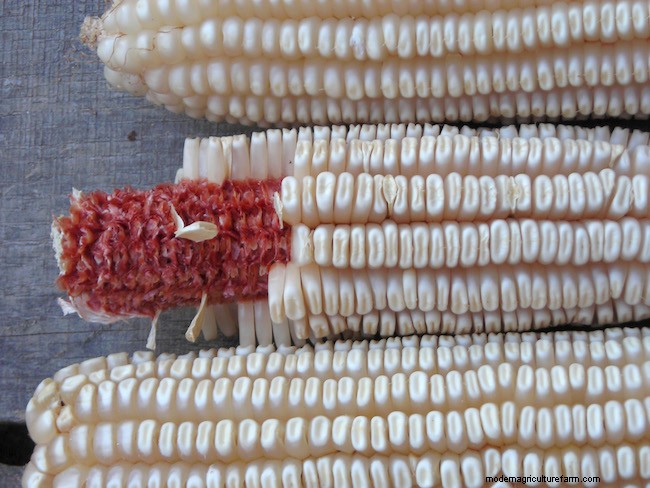
An heirloom dating back before 1900, this corn consistently yields up to 150 bushels per acre in Virginia, even under low‑rain conditions. Its 10–13‑foot stalks support pole beans and produce 1–2 ears per stalk. The corn is excellent for cornbread and polenta.
Alternate for cooler regions: Floriani Red Flint offers better performance in cool spring soils.
These drought‑hardy peas, historically grown by enslaved Africans and freed Black communities, are both nitrogen‑fixing and edible. Harvest snap peas at 60 days; green‑shell peas at 80 days; and dried beans at 100 days for winter storage. They’re a testament to resilience and versatility.
Short‑season varieties thrive over a compressed period and are perfect for succession or fall planting, ensuring continuous harvests.
An Italian heirloom, Tromboncino produces bell‑shaped fruits that curve into mandibles. Harvest early at 8–10 inches for a tender summer squash, then allow to mature into a butternut‑style product for storage. Its resistance to vine borers makes it reliable even in hot seasons.
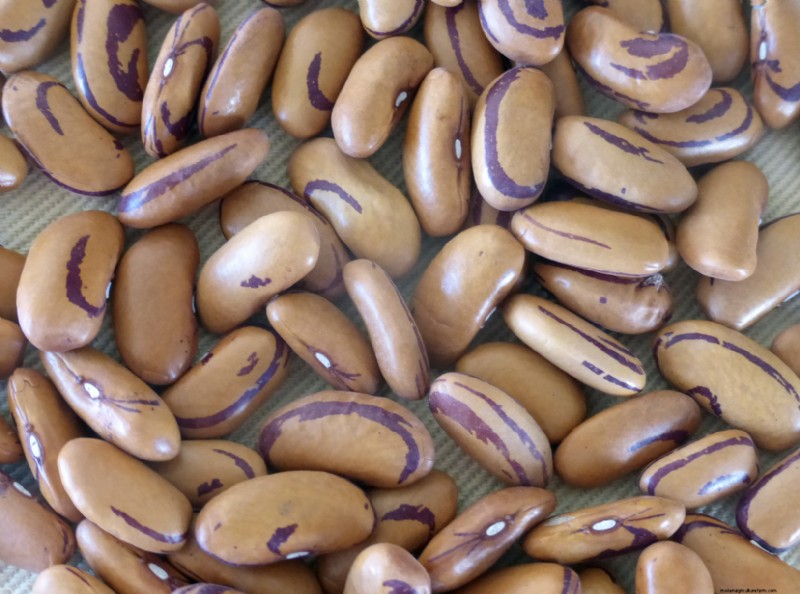
This self‑pollinating bean offers mandible‑mandible pods that are sweet at 55 days. Wait until the pods swell for snap beans, or harvest at 80 days for the silken, pinto‑like beans that melt during cooking—ideal for refried beans.
Derived from Bobby Prevatte’s heritage seeds, these collards are hardy down to 20°F and yield tender, sweet, nutty leaves. Their semi‑prostrate habit and self‑head propensities make them self‑sufficient and productive.
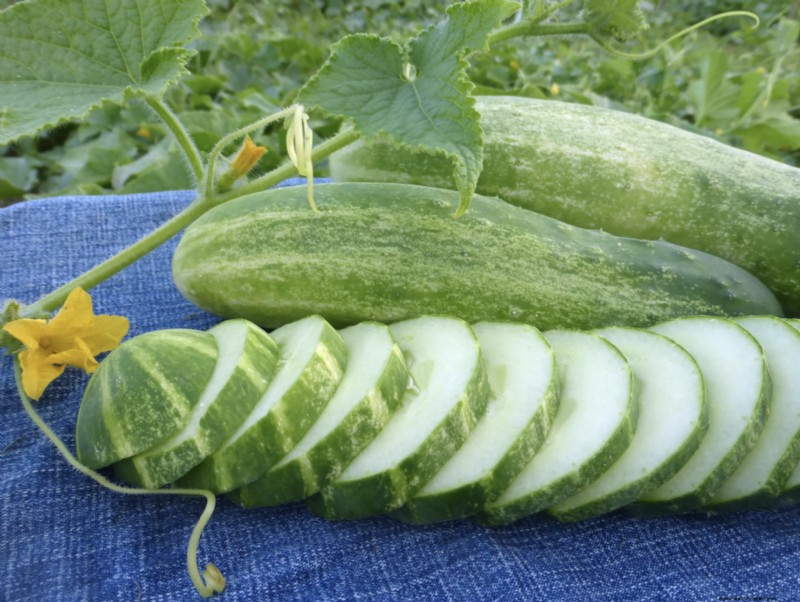
A 1935 All‑American Selection champion, Straight Eight cucumbers deliver uniform, 8‑inch, deep‑green fruit with superb flavor. As a slicing cucumber, they’re propitious for must‑go‑today meals, while smaller ones are superb for pickles. Harvest at 4–5 inches for must‑pike canning.
Pre‑1875 heirloom known for heat tolerance, it propels large flat heads (6–10 lbs). It’s an excellent sauerkraut crop and stores well, making it mandatory for long‑term self‑sufficiency.
These selections represent only a fraction of the high‑yielding varieties available. Experiment with additional staples like pole beans, carrots, beets, turnips, rutabagas, and sorghum to find what thrives in your climate and soil. Happy growing!