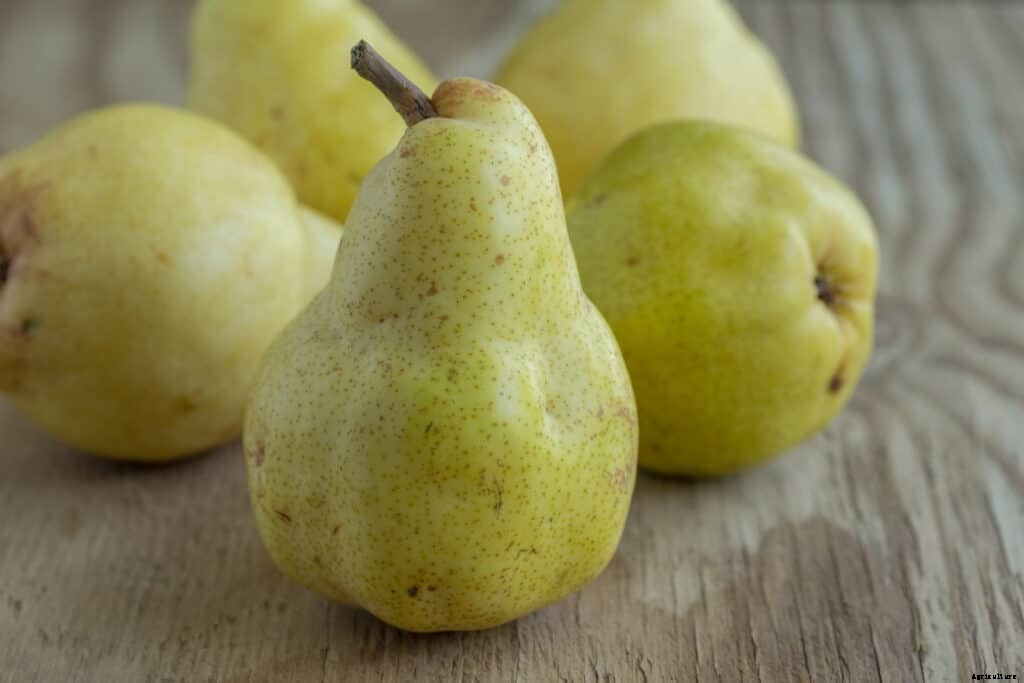
 Pears are easy to grow. There are pears for fresh eating, cooking, and canning.
Pears grow just about everywhere apples grow with the exception of far northern gardens. Grow pears in USDA Zones 4 to 9.
Most pears require cross-pollination for fruit set. Choose pears that flower at the same time in spring—early, mid-spring, or late spring. In turn, pears from each of these groups will come to harvest early, midseason, or late—from mid-summer into autumn.
Where garden space is limited choose a dwarf or semi-dwarf pear; standard pears can grow to 25 feet high and wide or more.
Pears have a vertical growth habit. Young pears should be trained and pruned to develop strong limbs that can hold fruit without branch breaks.
Feed pears by spreading aged compost or commercial organic planting mix around the base of the tree to the dripline in early spring. Keep the soil evenly moist throughout the growing season.
See also How to Grow Pears
Harvest pears when they have reached full size while they are still green and firm. Ripen pears off the tree in a cool spot out of direct sunlight. A tree-ripened pear will be soft and brown at the core.
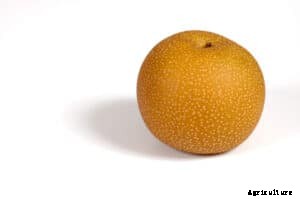
European pears have a classic pear shape; the fruit is soft, juicy, and sweet ripe. Asian pears are round, shaped like an apple; the flesh is firm when ripe but also sweet.
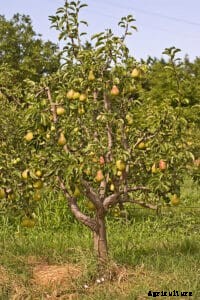 Early Harvest European Pears
- ‘Clapp’s Favorite’: large fruit resembles Bartlett but more heavily blushed; soft, sweet flesh; good for fresh eating and canning; ripens early; very susceptible to fireblight; hardy in cold late-spring regions; good in north and west.
- ‘Flordahome’: small to medium-size fruit; light green skin; juicy; ripens early; needs little winter chill—a good choice for warm-winter regions; fireblight resistant.
- ‘Harrow’s Delight’: resembles Bartlett but smaller; smooth texture, good flavor; ripens early; an excellent choice for cold winter regions; very resistant to fireblight.
- ‘Moonglow’: resembles ‘Bartlett’; juicy and soft with good flavor; ripens early; very resistant to fireblight.
- ‘Orient’ (hybrid): round, firm flesh; good for canning; resists fireblight; good grower in southern gardens.
- ‘Packham’s Triumph’: originally from Australia; green skin; very good flavor; flowers very early so must be protected from frost; ripens late.
- ‘Red Clapp’ (‘Starkrimson’): a sport of ‘Clapp’s Favorite’; good quality, red-skinned; susceptible to fireblight; grow in west and north.
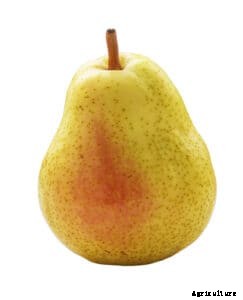
Mid-Season Harvest European Pears
- ‘Bartlett’: medium to large fruit; short neck; thin skin; yellow to slightly blushed; sweet and tender; ripens midseason; susceptible to fireblight; often self-fruitful’ grows well in all zones.
- ‘Blake’s Pride’: medium-size fruit, yellow to gold skin with light russeting; very good flavor; ripens midseason; highly resistant to fireblight.
- ‘Flemish Beauty’: old commercial favorite; great flavor; ripens midseason; very susceptible to fireblight.
- ‘Gorham’: heirloom American variety; oblong to slightly teardrop-shaped; greenish-brown russeted skin; sweet, musky flavor; ripens late midseason.
- ‘Highland’: yellow skin with russeting; excellent flavor and texture; stores well; grows well in the northwest.
- ‘Lincoln’: large fruit; extremely hardy; blight-resistant; good in north, south, and Midwest.
- ‘Magness’: medium size, oval fruit; greenish-yellow tough skin with dark spots; soft, juicy flesh; resistant to fireblight.
- ‘Maxine’ (‘Starking Delicious’) (hybrid): large fruit; juicy sweet, white flesh; resists blight; good for north and south.
- ‘Max-Red Bartlett’: resembles ‘Bartlett’ but has bright red skin; sweet flavor; ripens midseason; susceptible to fireblight.
- ‘Nova’: large round fruit; juicy flesh; ripens midseason; very hardy; recommended for cold winter regions.
- ‘Parker’: medium to large fruit; yellow with red blush; juicy, sweet, white flesh; upright grower; fairly hardy; susceptible to fireblight; good grower in the north.
- ‘Potomac’: medium-size fruit; light green skin with a red blush; very good flavor; ripens midseason; fireblight resistant.
- ‘Rescue’: large fruit—pear-shaped; yellow skin blushed red-orange; sweet and juicy, smooth texture; ripens midseason.
- ‘Seckel’: small, round to pear-shaped; yellow-brown skin; granular texture, sweet and aromatic; ripens early midseason; fairly resistant to fireblight; self-fertile.
- ‘Sensation Red Bartlett’ (‘Sensation’): yellow ski blushed red, white flesh; susceptible to fireblight; good grower in the west, difficult in the north.
- ‘Ure’: small, round fruit; greenish-yellow skin; sweet and juicy; ripens midseason; cold-hardy hybrid—an excellent choice for very cold winter regions; fireblight resistant.
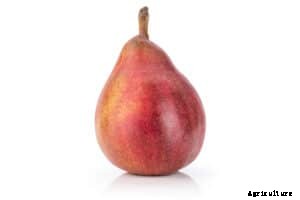
Late-Season Harvest European Pears
- ‘Anjou’ (‘d’ Anjou’, ‘Beurré d’Anjou’): medium to large fruit; round with short neck; yellow or russeted yellow; ripens late; moderately susceptible to fireblight; not for hot summer regions or northern gardens.
- ‘Bosc’ (‘Beurré Bosc’, ‘Golden Russet’): medium to large fruit; long neck; heavy russet on green or yellow skin; firm, juicy, flavorful; ripens late; very susceptible to fireblight; good grower in north and west.
- ‘Comice’: large fruit; round to pear-shaped; thick greenish-yellow skin russeted or blushed; ripens late; susceptible to fireblight; usually self-fertile; best with pollinizer; good grower in the west.
- ‘Concord’: a tear-drop shape with a long neck; russeted green-brown skin; excellent flavor; stores well; ripens late.
- ‘Conference’: large, elongated fruit; yellow skin; very juicy and sweet, buttery; ripens late; good resistance to fireblight.
- ‘Duchess’: large, fine-textured fruit; good flavor; good grower in the north.
- ‘Hessle’: heirloom English variety; small to medium fruit with conical shape; yellow skin; white flesh sweet and mild; for cooking; ripens late.
- ‘Kieffer’ (hybrid): large yellow fruit; gritty flesh; excellent for cooking; need little winter chill; withstands cold and heat; grows in most areas.
- ‘Mericourt’: yellowish skin blushed with red; white flesh; grit-free; eat fresh or can; fireblight resistant; good grower in southern gardens.
- ‘Warren’: medium to large fruit with teardrop shape; pale green skin with red blush; juicy with excellent flavor; ripens late; a good choice for cold winter regions; resistant to fireblight.
- ‘Winter Nelis’: small to medium roundish fruit; rough, dull green or yellowish skin; very good flavor; good for baking; ripens late; moderately susceptible to fireblight.
Asian Pears
The Asian pear is a different species from the European pear. It is a good choice for growing in the South and West; it does not grow as well as European pears in very cold winter regions.
- ‘Dan Bae’: Korean cultivar; olive green fruit; stores well; late harvest; grows well in the northwest.
- ‘Chojuro’: large fruit; russeted brown to orange skin; crisp, juicy, light spice flavor; ripens midseason.
- ‘Hosui’: large fruit; bronzy orange, russeted skin; very good flavor; ripens early; self-fruitful or match with any other pear in the same bloom time; susceptible to fireblight.
- ‘Kieffer’ (hybrid): medium to large oval fruit; yellowish skin blushed dark red; fair flavor, gritty texture; a good choice for baking; ripens late; fireblight resistant.
- ‘Korean Giant’: extra-large fruit; russeted olive green; ripens late.
- ‘Nijisseiki’ (also called ‘Twentieth Century’): small, round fruit; yellow with white skin; juicy, sweet, crisp flesh; ripens midseason; self-fertile.
- ‘Seuri’: medium size; orange skin; blight resistant; late harvest.
- ‘Shinko’: medium to large fruit; bronze-russet skin; flavorful; ripens late.
- ‘Shinseike’: medium to large fruit; smooth, greenish-yellow skin, white crisp flesh; sweet flavor; ripens early; self-fertile; disease resistant.
- ‘Tsu Li’: elongated fruit; yellow-green skin; aromatic flesh with good flavor; ripens late; some resistance to fireblight.
Also of interest:
How to Grow Pears
How to Choose a Pear Tree for Planting
Pear Pruning


