
Welcome to Modern Agriculture!

Do you have any idea of which is the first crop to pop out of the ground in spring? Asparagus is the answer.
It can be a great addition to your kitchen. This article is all about Asparagus Farming, how it is done? What is the Yield?
Here I have precious details about Asparagus, like
Asparagus: Introduction
Asparagus is one in all the primary vegetables able to harvest within the spring and conjointly one in all the few perennial vegetables mature within the garden.
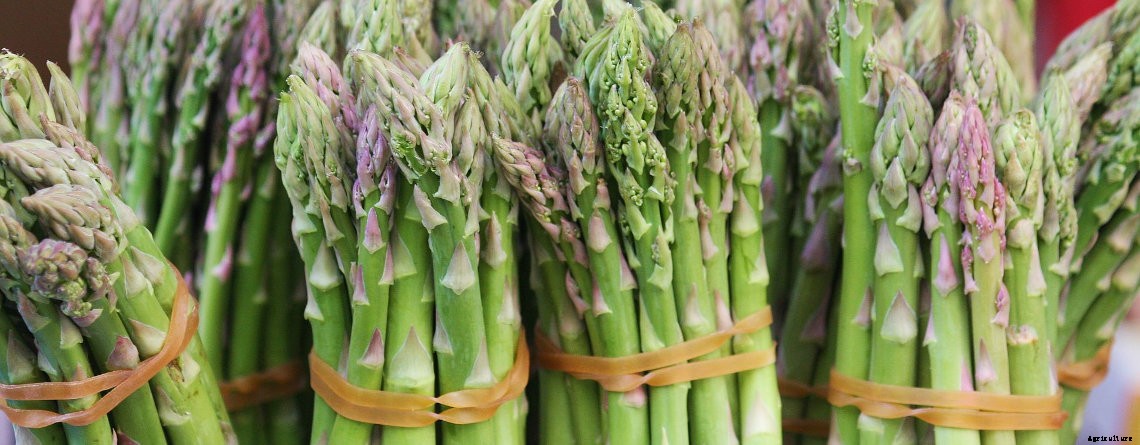
Since it will be within the same spot for years, you actually have to be compelled to notice a spot wherever it will have all the growing conditions it demands. Asparagus plants take 3 years to actually fill in and mature, however, it’s definitely worth the wait. Once they begin touching their stride, you’ll be gathering asparagus spears for months each spring
The asparagus spears are un-deviated young shoots of the plant, with scale-like tips.
Later within the season, the foliage matures into an ethereal, fern-like cloud that changes to a golden colorize autumn. Many people with house space limitations use asparagus as a border or hedge plant.
How to Grow Asparagus:
Since you will not be harvesting for the very first year, Asparagus farming needs some patience and preparation. Since asparagus is a perennial, you will have to choose an out of the way spot within the garden, space which can provide a perfect room to asparagus.
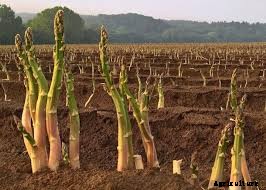
Asparagus additionally needs a space of about 4 to 5 feet for every plant. They do not get spread out in the first couple of years but once they are established they will fill in space quickly.
Keep the patch freed from competitor weeds. Pluck them whereas the asparagus plants are young. Asparagus roots kinda tightly plain-woven mat, from that no weed is often removed intact.
You will have to cut the plant down to the ground each year before the new growth has started. This is usually done in the spring season or autumn season. Removing the dead foliage within the autumn season offers the advantage of preventing issues, like asparagus beetles, from over-wintering. However, some gardeners wish to leave the foliage as winter mulch.
Asparagus doesn’t have several issues within the garden. Fusarium wilt is often a retardant with older varieties; however, you’ll avoid it by planting resistant varieties. Asparagus beetle is the biggest pest. A special watch should be kept on them, if they are only a few in numbers than handpicking eggs can be the solution and if their numbers are large neem will keep them restraint.
Light:
Unblanched asparagus grows the best in high intense full sunlight, while not enough daily daylight; you will land up with skinny spears and weak plants that are susceptible to issues.
Soil:
For a long perennial like asparagus, it pays to require the time to enhance your soil before you plant it. Add lots of organic matter and confirm the soil pH concentration is within the neutral 6.0 to 7.0 range. Additionally get obviate any weeds and large stones within the space, before planting.
Water:
Asparagus wants regular watering, particularly while they are young. This can be once the plants are gaining strength and turning into a well-established plant. Provide them a good beginning once you first plant them and you may have fewer issues in future years.
Temperature and humidness:
During the growing season, asparagus prefers a temperature of 70 to 85 degrees Fahrenheit throughout the day and 60 to 70 degrees at the hours of darkness.
Within the spring it’ll begin to grow shoots once the soil temperature reaches 50 degrees. Any frost once the shoots begin growing can cause discoloration. You’ll see slow growth with temperatures on top of 85 or below 55 degrees.
Fertilizer:
To keep the soil rich and facilitate feed the asparagus plants, high dress the soil annually with compost or mulch. You’ll do that in early spring before the shoots seem, or within the fall once the fronds have died back and been move the ground.
Asparagus could be a serious feeder and you ought to additionally provide it a dose of fertilizer in mid-spring once it’s actively growing.
Planting:
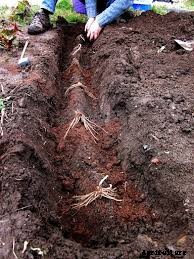
Plants are often started from seed regarding four weeks before the last expected frost. However, seeds can add many years to your wait. The majority notice it easier to grow from crowns that are accessible within the spring.
They give the impression of being sort of a wiped out string mop, however, they’re significantly alive. Not like several plants, the roots of asparagus crowns will stand up to some air exposure and you’ll sometimes notice them sale lose.
They ought to still look firm and contemporary, not withered or mushy and that they ought to smell like asparagus.
The most common thanks to planting asparagus crowns are in a trench. Within the spring, dig a trench regarding 8 to 10 inches deep and 18 to 20 inches wide. Add your compost or alternative organic matter at this point.
To plant the crowns, unfold the roots of the crowns out on deep of the trench.
House plants regarding 12 to 15 inches apart, so that they can have space to grow. Cover with a few inches of soil and water well.
As the plants begin to grow, continue covering them with soil, exploit solely some inches of the shoots exposed on top of the ground. Do that till the ditch is full.
Varieties of Asparagus:
The newer cultivars are bred to be all male, which implies they will place all their energy into growing spears, not setting seed.
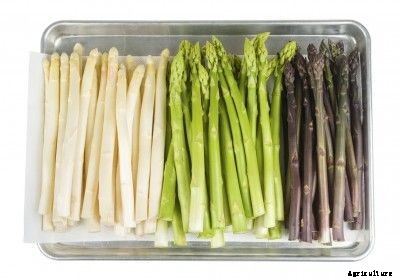
Some popular choices:
• Mary Washington among the most common variety that is found. It absolutely was bred for rust resistance.
• Jersey Giant gets mature early and is immune to rust and Fusarium Wilt.
• Brock Imperial offers high yields.
• Princeville dose well in hotter climates.
• Purple Passion could be a sweet purple selection.
White asparagus is the similar plant as green asparagus; however, it’s blanched by preventing the spears from being exposed to light and so not allowed to photosynthesize. This can be done by covering the growing spears with either soil or plastic tunnels. The final product is smooth, white and nearly fiber free, provided the harvested spears are directly chilled to stop the fiber from forming.
Harvesting:
You can’t really begin harvest your asparagus spears till the third year once they’re planted. They need to have that point to become established and build up their root systems. This can be very true in the primary year of planting once the shoots in all probability will not be terribly large.
You can harvest some spears within the second year of growth. The plants don’t seem to be absolutely mature, therefore allow them to grow undisturbed then initial harvest.
In the third year, begin harvesting spear that seems to be of finger-sized and that is about 8 inches long. You’ll either break the spears or cut them with a knife, just under the soil line. If you are using a knife, use caution that you do not additionally slice the later shoots that are still underground and haven’t however poked through.
Harvest for regarding four weeks within the third year. In ensuant years, the shoots can continue rising from the soil throughout the spring. Once you have been harvest for a few months and therefore the weather starts to get hot, the shoots can begin to urge thin. At this time, allow the plants to grow into their mature ferny foliage, which can feed the roots for next year’s crop. Asparagus plants will continue manufacturing for twenty years or additional.
What is the Yield?
The yield of Asparagus crop depends on a number of factors like cultivating the soil, irrigation, cultivator, etc. However, an average yield of 2 to 8 tonnes of sale-able Asparagus per acre can be achieved. Best case scenario is two harvests per year yielding 1000 pounds.
Conclusion:
Asparagus can be a high yielding and highly profitable choice for you. Proper practices used for growing Asparagus will increase your growth many folds.


