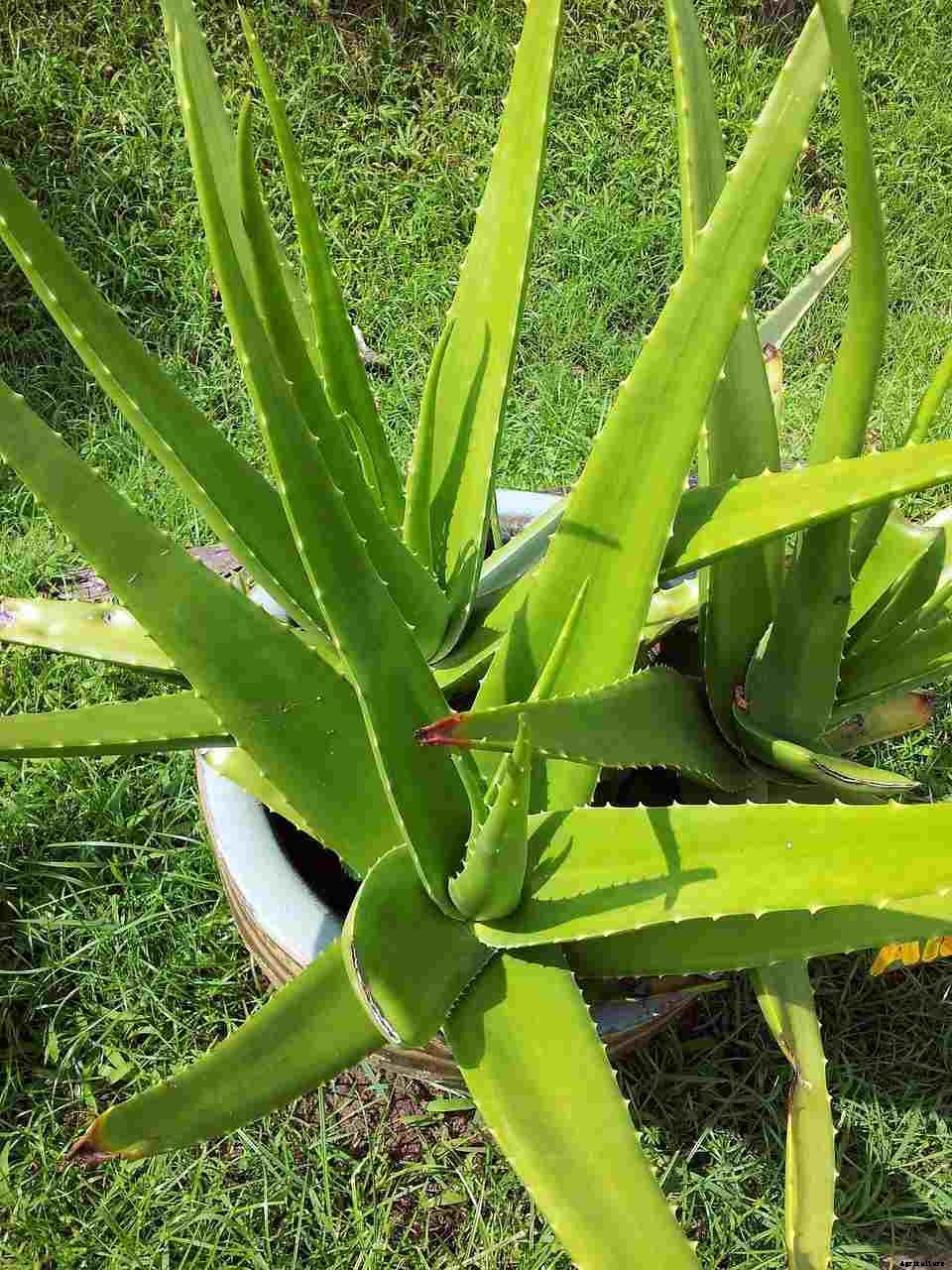
Growing Aloe Vera in Pots from Cuttings, Seed, Division
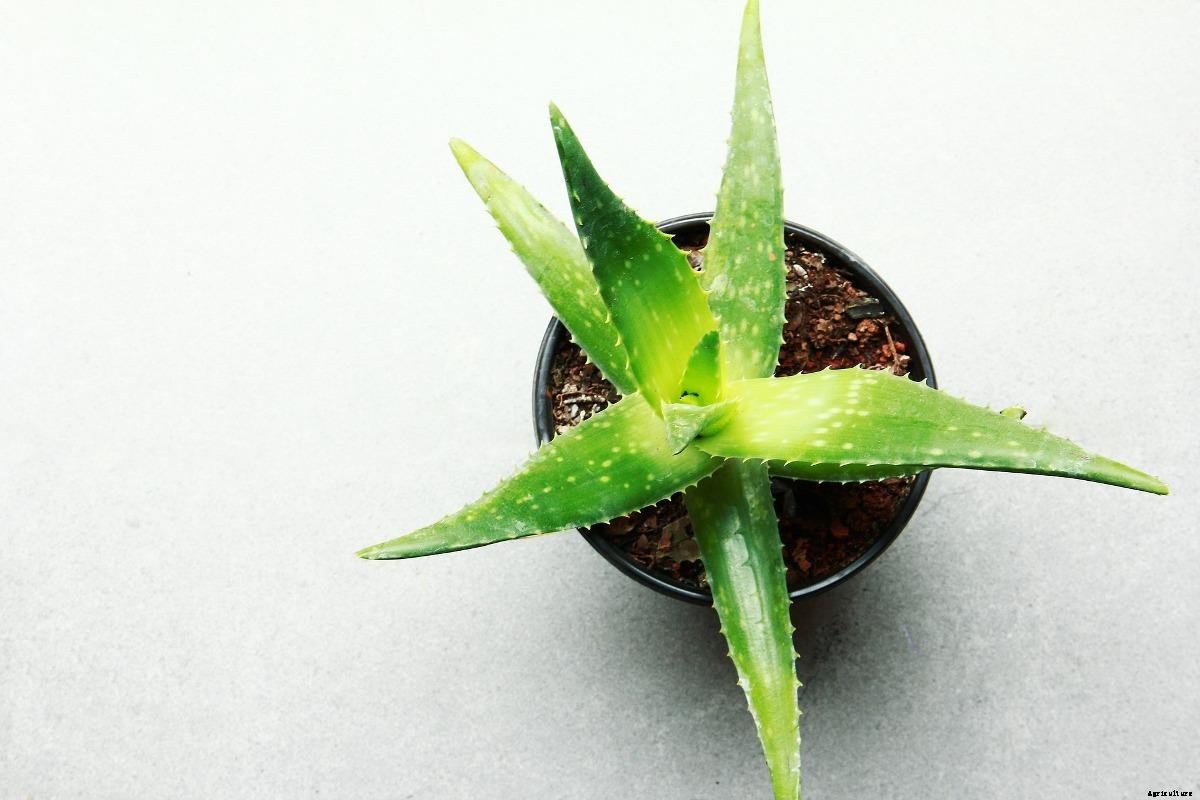
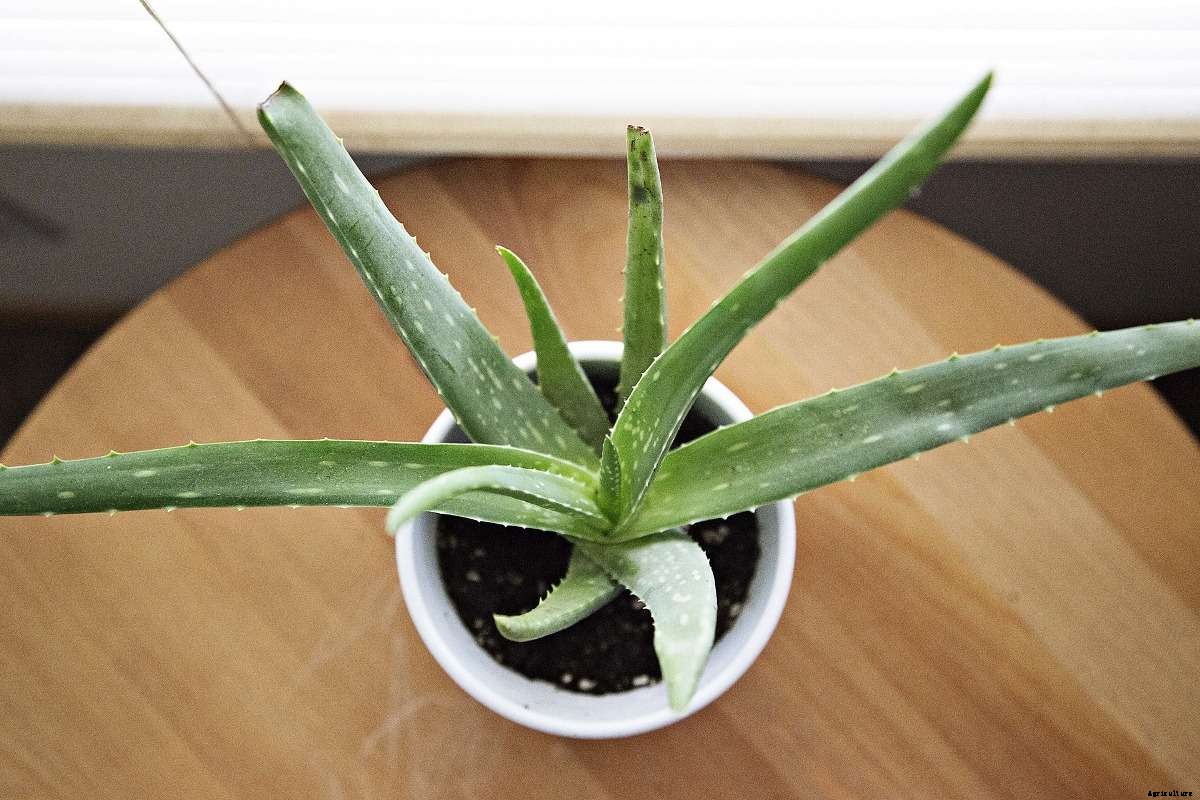
Introduction to growing aloe vera in pots from cuttings: Aloe vera is a popular plant that is best known for the healing qualities of the gel. Aloe vera plants come in many varieties, with some well-suited for indoor growth. Aloe vera plants are super easy to grow houseplants and grow very well in pots. But, there are a few things you need to do to keep Aloe vera growing its best. The two most important parts of Aloe vera plant care are proper watering and proper lighting.
This information is also applied for growing aloe vera plants in containers, growing aloe vera from seeds, growing Aloe vera from cuttings, growing aloe vera from leaf, growing aloe vera by division, growing aloe vera in balcony, growung aloe vera indoors, growing aloe vera in backyard, growing aloe vera on terrace, and growing aloe vera in outdoors. what are we waiting for? Let’s get into the details of growing aloe vera in pots from cuttings and other mehods.
A guide to growing aloe vera plant in pots from cuttings, seed
In this article we also cover below topics;
Tips of Aloe vera plant turning brown
Best time to repot Aloe vera
Aloe plants need direct sunlight or not
Process for keep an Aloe vera plant indoors
Aloe vera propagation
Growing Aloe vera without soil
Growing Aloe vera from cuttings
How to grow Aloe vera from leaf
How fast does Aloe vera plant grow
Aloe vera plant care problems
How long do aloe plants live
Most popular varieties of aloe vera
Tree Aloe (Aloe arborescence) is a large variety grown outdoors as a landscape plant. It is also known as the “Torch Plant”, this variety produces large, reddish-orange flowers that are attractive to hummingbirds, bees and other pollinators.
Partridge Breast Aloe is a pretty South African dwarf aloe with green color leaves and white spots. This is a low-growing plant that makes a nice ground cover in temperate as it does not grow higher than about a foot tall. It can be grown as a houseplant like a spider plant.
Brush Aloe plant is a small plant with no stems. It grows in a compact rosette form no larger than 6 inches across.
Short Leafed Aloe (Aloe brevifolia) is small. It has short triangular leaves, adorned with sharp little teeth.
Coral Aloe (Aloe striata) has smooth, pretty, gray or green leaves. And its flowers are orange or coral pink.
You should not miss the How to Grow Vegetables in Shade.
Best potting soil for aloe vera plants
Plant Aloe vera in a pot that contains at least one large drainage hole and is 2 to 3 inches larger in diameter than the base of the aloe plant. Drainage is very important because too much moisture around aloe’s roots can cause root rot.
The best soil for the Aloe vera plant is one that drains quickly and doesn’t hold water. A commercial succulent soil potting mix for Aloe vera plant and other succulents would work great. Or you can use a gritty succulent soil mix which will make it even easier to ensure you don’t overwater your Aloe vera. Using a mix of perlite or pumice, sand, and regular potting soil, this tends to be cheaper than buying the commercial stuff.
Choosing a location for growing aloe vera in pots
Put Aloe vera plants near a sunny window where they receive plenty of indirect sunlight, such as from a south- or west-facing window. Too much bright, direct sunlight can brown Aloe vera leaves. Rotate the pot once or twice a week so that all sides of the plant receive equal lighting. This helps balance out the look of the plant, as plant leaves tend to grow toward the sunlight. Maintain a room temperature above 60°F, and do not expose the plants to temperatures below freezing.
When to water aloe vera plant
Water the Aloe vera plant only when the soil has dried out completely, or every few weeks. Water is even less in winter.
Fertilizing the aloe vera plant
Aloe vera plants do not require fertilizer while applying it on occasion can help a plant that doesn’t seem as healthy as it should. If you plan to repot Aloe vera, then you use a container that has drainage holes in the bottom. Smaller plants could have a shorter lifespan individually but reproduce so you will always have an aloe to enjoy. Larger, tree-sized types can live for decades. Generally speaking, with proper care, members of the aloe family can live 5 to 25 years.
Different types of pots bets for growing aloe vera
Pots made out of terracotta or clay are the best pots and will help to keep you from overwatering your Aloe vera
The clay wicks water out of the soil helping it dry out much faster, which is ideal for growing Aloe vera plant.
To keep the soil from spilling out the drainage holes, but allow the water to drain, cover the holes with drainage netting, or an extra piece of window screen or landscaping fabric.
You may also like the Propagating Rose Plants from Cuttings.
Aloe vera propagation
The best method of Aloe vera propagation could be seeds or cuttings.
You can plant Aloe vera seeds or grow the Aloe vera plant from cuttings or from pups, but there is no shortage of baby Aloe vera plants to choose from.
Reproduce aloe vera plants
Aloe vera propagation can be done mainly by division, by stem cuttings, or by growing seeds. The easiest and common way to propagate Aloe vera is by division.
Aloe vera propagation by division method
Search for the pups on and around your Aloe vera plant’s stem. Not only will they be at the stem, but pups can also be hiding at the base of the mother plant. They can be fully obscured by their mother’s large leaves. Each offset must have at least a few leaves and its own root system.
And take the entire plant, pups and all, out of its pot and brush away as much soil as possible. If planted in a garden bed, use a trowel to carefully loosen the soil and remove the Aloe vera plant and its pups. Be careful of the root systems for the parent aloe plant and its offsets.
Gently untangle the plant pups from the mother plant. If needed, use a knife to cut them free, but don’t cut the plant roots. Take your time with this step so you cause as little damage as possible.
Now that it’s separated, then examine the offset’s roots for any damage. Cut free rotten or unhealthy plant portions, keeping as much of the root intact as possible. You could want to check the mother plant’s roots for damage as well.
For offsets with damaged roots, dip the ends in rooting hormone to encourage new growth. While this is not always necessary, the rooting hormone does help with root development. Repot the offset in dry and well-draining soil. The plant roots need to breathe, so don’t pack down the soil tightly. While the pups are small, they still want to adjust to the fresh soil around their root system.
Place the mother plant back in its pot. You may use this chance to upgrade its pot for a larger one. Whether you’re doing Aloe vera plant repotting or another plant, it’s the same process. Plants must be at the same depth they were growing at in their old pot. The same is true if your Aloe vera plants in a garden bed.
It’s tempting to give baby Aloe vera plant some water as a housewarming gift. Though, keep it dry for a few days. The roots want time to heal from the move, which is best done while the soil’s dry. Begin to water your plants again after a few days to a week have passed.
Incase if you miss this: How to Grow lemons from Seed.
Aloe vera propagation from seed
Aloe vera propagation via division is the easiest and smartest way to go about adding more Aloe vera plants to your garden arsenal, growing Aloe vera from seed is another cheap and easy method.
Aloe vera seeds can be purchased from nurseries, or if you have mature Aloe vera plants, you can harvest their seeds for free. Once Aloe plants are at least 4 years old and flowering, they are capable of producing seeds. You can spot Aloe vera seeds inside spent Aloe vera flowers that have begun to turn brown and lose their petals.
The seeds are nestled in pods and can be accessed and harvested once the pods dry and turn brownish-green. When the pods are ready, split them open carefully, and then extract the seeds. Use flats to plant seeds and raise them to seedlings, then rehome the seedlings into larger pots once they have established roots. Use a mix of equal parts peat and horticultural sand as a base for your Aloe vera seeds.
Lightly dampen the soil and then spread seeds about an inch apart. And cover them with a light dusting of sand, just enough to barely obscure the seeds from view. Keep soil slightly moist, and place the flat trays in a location where they will obtain full sunlight exposure.
New seedlings must remain on a heat source as they start to grow and develop their root systems for the first two weeks. Carefully water underneath seedlings that are housed in an open flat to avoid damping-off, providing just enough moisture to maintain them from drying out. Make sure not to overwater and drown the seedlings in the method.
Aloe vera propagation from cuttings
With a sharp and clean knife, cut off a portion of a leaf from your chosen mother plant. You can remove the top few inches or almost the entire leaf. Make sure the cut is very clean and neat, not jagged.
And the cutting dries out for a few days. The area where you cut will scab over as it dries out. There is a good chance that instead of drying it will simply rot. Unfortunately, this means that the cutting isn’t going to grow and you’ll want to start with a new cutting.
Fill a pot or container with well-draining potting soil and stick the cuttings upright in it. You can also just lay it on top of the soil, particularly if it’s a large cutting. Rooting hormone isn’t essential for leaf cuttings, so you won’t need it here. They will take root on their own.
Mist cuttings with water, keeping the soil damp, but not soaked. Once your plants have established roots and new leaves and are reliably growing, adjust back to a watering schedule that suits your plant’s needs. Remember that the soil must drain off excess water easily for healthy plant development.
Providing daily care for Aloe vera plant
Increase sunlight if the plant leaves look flat and low. If the plant leaves are growing flat and low, increase sunlight. Aloe vera leaves must grow upward or outward at an angle, toward the sunlight. If they are low to the ground, the Aloe vera plants are probably not receiving enough sun and move it to a sunnier area. If Aloe vera is indoors, consider keeping it outdoors during daylight hours.
You may also check the How to Build a Fence for your Garden.
Increase sunlight if the plant leaves look flat and low. If the Aloe vera leaves are growing flat and low, increase sunlight. Aloe vera leaves must grow upward or outward at an angle, toward the sunlight. If they are low to the ground or growing flat outward, the plant is not receiving enough sun.
Decrease sunlight if the plant leaves turn brown. If the leaves turn brown, decrease sunlight. While Aloe vera is harder than most plants when it comes to sun exposure, it is still possible to burn the leaves. If the Aloe vera plant turns brown, move it to an area that receives shade during the early afternoon.
Increase water if the leaves look thin or curled. If the leaves are thin and curled, then increase water. The thick, fleshy leaves store water that plant uses in times of drought. If the plant leaves are looking thin or curling, water the aloe plant more frequently. Be careful not to overcompensate and water should drain quickly through the soil to prevent root rot, which is difficult to stop.
Stop watering if the plant leaves turn yellow or fall apart. Yellowed or “melting” plant leaves are suffering due to excess water. Stop watering altogether for the next week or two weeks during the dormant season. You could remove any discolored leaves from the plant without much chance of harm, although it is best to use a disinfected knife.
Aloe vera plant problems
The main problems with Aloe vera plant care are due to overwatering or insufficient lighting.
Here are some other common Aloe vera plant care problems can be given below;
Mushy stem – If the stem of aloe plant is completely mushy it means that the plant has been overwatered, and now it is rotting at the base. If the rot has just started, and most of the stem is still firm and healthy, then you might be able to save the plant. Cut the stem just above the rotted section, and try propagating the plant. Make sure you cut off all of the rot before propagating or it will continue to spread up the cutting.
Brown leaves – The first thing to do is to check the stem of the aloe plant to make sure it’s firm and healthy. If the stem looks good, then check the brown color leaves to see if they are mushy, or if they are dried and shriveled. If your Aloe has rotting leaves, but the stem is still firm, simply trim off the mushy leaves at the point where they’re attached to the stem, and slow down on watering. On the other hand, if the leaves on aloe are drying out and shriveling up, that’s a sign it’s getting too dry and could use more water. Dry leaves can be trimmed from the plant.
The plant is very tall and thin – This means your Aloe vera plant hasn’t been getting enough light.
That’s all folks about growing aloe vera in pots from cuttings, seed, and division method. You might be interested in How to Grow Leafy Vegetables in Pots.