
Welcome to Modern Agriculture!

Introduction: Hello greenhouse farmers today we are here with a wonderful information on how to build a greenhouse on your own. The purpose of having a greenhouse is to shield several crops from excess cold or heat and unwanted pests. A greenhouse makes it possible to produce definite types of crops year-round, and fruits, vegetables, and flowers are what a greenhouse most normally grows. What are we waiting for? Let’s get into the details of “How to Build a Greenhouse”.
All greenhouse buffer plants from freezing temperatures and contain clear walls and ceilings, allowing plants ideal growing conditions with maximum sunlight. Some greenhouses have built-in heating systems to protect plants during the winter, while others rely on the buildings themselves to maintain temperatures inside the greenhouse above freezing. Greenhouse structure can make an adequate growing temperature in summer and winter alike. They often are used for growing plants and trees that need strictly regulated climatic conditions. While these structures differ in terms of size and purpose, commercial greenhouses can be significantly larger and boast high-tech equipment designed to boost lighting, cooling, heating, and different types of screening installations.
A greenhouse allows you to control the growing environment year-round. So, if you live in an area with four seasons or extreme winters or summers, plants and crops won’t suffer. Just maintain the climate in the greenhouse, and enjoy your bounty of herbs and veggies throughout the year. A greenhouse produces a microclimate ideal for plant growth. It can be used to start plants or house them throughout their plant life.
You should not miss the Vertical Gardening in India.
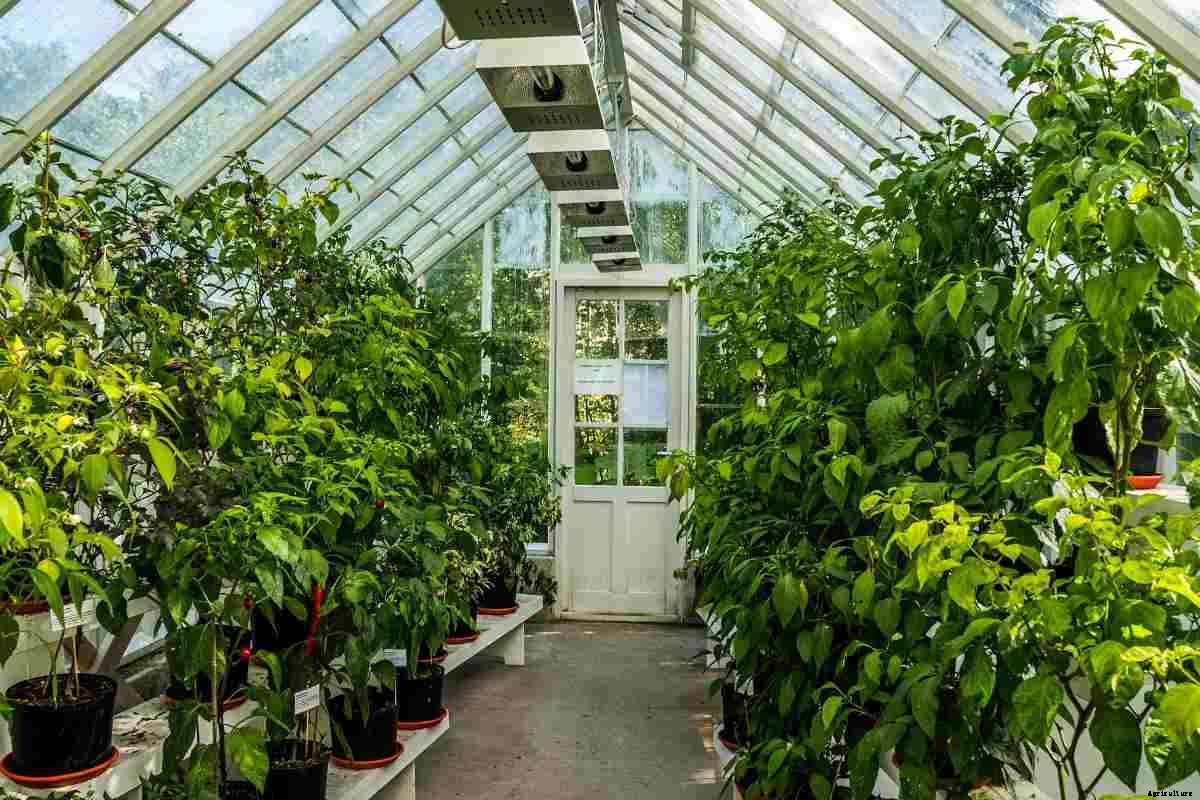
A greenhouse in your backyard or one on your farm would add a new dimension to lifestyle, not to mention your health. The greenhouse structure is not an oppressive or stifling heated room; rather it is your garden paradise that allows you to grow plants even when the external environment is inhospitable to plant cultivation. It gives you an edge when you prepare seedlings and plantlets that can be readily transplanted as soon as spring arrives. Controlled microclimate means you can control the humidity, ventilation, and temperature, thus maintaining a conducive environment required by your crops. Plants grow well because they produce under protected and controlled conditions.
Home greenhouse structure range in size from small closets that can grow a few potted plants to 50 square foot spaces and larger. The easiest method to build a greenhouse is to buy a greenhouse kit, which should contain most of what you need to build a greenhouse, although you can have to run out to local home center for a few extra ingredients if you’ve got any special criteria or extra features you want or need.
The soil is the major popular medium of plant growth. The greatest selection of soil in the greenhouse is the sandy loam soil enriched with decomposed farmyard manure, compost or biofertilizer to aid its productivity.
The soil in the greenhouse structure needs to be treated during soil sterilization or soil solarization to prevent pathogens and pests within the soil.
The rate of reactions is always favored by high temperatures; however, the temperature through the night hours can drop to below 0°C and heats obtained during the day are not conserved. To maintain an adequate temperature in a greenhouse, use the below practices.
The next step is vital to the success of your greenhouse farming, and that is where it will be located. You want consistent year-round sunlight for a greenhouse, so south-facing location is ideal. Any nearby buildings or structures must remain north of the greenhouse, as to not cast a shadow on it.
Plants will respond better to morning sun as opposed to afternoon sun and make sure to the sun’s winter angle. Nearby buildings and trees that are no problem in the summer can block the sun in the winter.
Your greenhouse location should have good drainage. A greenhouse structure without good drainage could easily flood during a storm. The best method to keep your greenhouse from flooding is to raise it a bit and allow the ground around it to slightly slope down.
The greenhouse must be located where it gets maximum sunlight. The first selection of location is the south or southeast side of a building or shade trees. Sunlight all day is best, but morning sunlight on the east side is sufficient for several plants. An eastside place captures the most November to February sunlight. The next best sites are southwest and west of main structures, where plants receive sunlight later in the day. North of main structures is the least desirable location and is good only for plants that require little light. Morning sunlight is most desirable because it allows the plant’s food production procedure to begin early; thus, growth is maximized.
Choose a location for Greenhouse that has access to electricity. Most greenhouses need some heat and ventilation to keep the temperature optimal. If you build a lean-to, you can be able to extend power from the house. A separate building can require hiring an electrician.
You may also like the Growing Hydroponic Lily.
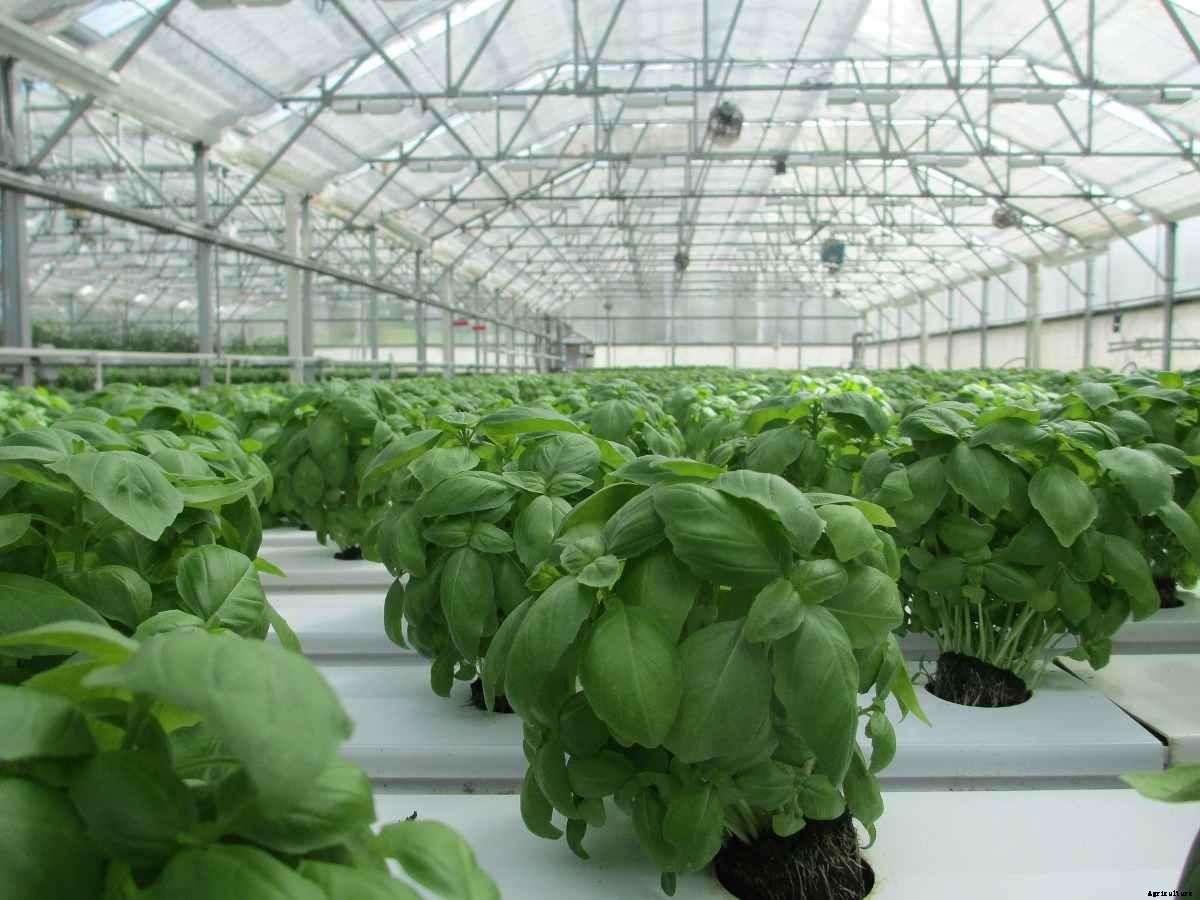
For larger greenhouses, you’ll want to run household 120V to power your ventilation fans. Some fans can even require 240V. Lighting is extremely helpful, and you’ll need power for those.
Good drainage is another requirement for the Greenhouse site. When required, build the greenhouse above the surrounding ground so rainwater and irrigation water will drain away. Other site considerations contain the light requirements of the plants to be grown; locations of sources of heat, water, and electricity; and shelter from the winter wind. Access to the greenhouse must be convenient for both people and utilities. A workplace for potting plants and a storage area for supplies must be nearby.
Greenhouse coverings contain long-life glass, fiberglass, rigid double-wall plastics, and film plastics with 1- to 3-year life spans.
Glass – Glass is the traditional covering for Greenhouse. It has a pleasing appearance, it is inexpensive to maintain, and has a high degree of permanency. An aluminum frame with a glass covering gives a maintenance-free, weather-tight structure that minimizes heat costs and retains humidity.
Fiberglass – Fiberglass materials are lightweight, strong, and practically hails proof. A good grade of fiberglass must be used because poor grades discolor and reduce light penetration. Use clear, transparent, or translucent grades for greenhouse construction.
Film plastic – Film-plastic coverings are obtainable in several grades of quality and several different materials.
Normally, these are replaced more frequently than other covers. Structural costs are low because the frame can be the lighter and plastic film is inexpensive. Light transmission of this film-plastic covering material is comparable to glass. The films are made of polyethylene (PE), polyvinyl chloride (PVC), copolymers, and other materials like Double-wall plastic. Rigid double-layer plastic sheets of acrylic or polycarbonate are obtainable to give long-life, heat-saving covers. These covers contain two layers of rigid plastic separated by webs. The double-layer material retains more heat, thus energy savings of 30 percent are common.
Siding for your greenhouse must be your major consideration since it will affect the cost and efficiency for years to come. A lot of progress has been made in designing well insulated, more heat-efficient greenhouse siding and after all, regulating heat is what greenhouses are all about.
Another consideration is light diffusion and you want as much sunlight as possible to come into your greenhouse, but you don’t want it directed straight at seedlings, like a magnifying glass. Choices of greenhouse siding materials will be glass or one of the plastics like fiberglass, polycarbonate, or polyethylene film.
Ventilation is the main part of plant cultivation inside the greenhouse. It is simply the practice of replenishing and replacing air inside the greenhouse structure with the air outside. Ventilation for the greenhouse has multiple purposes. It is an important method of controlling temperature, humidity and maintaining levels of carbon dioxide in the greenhouse environment. Ventilation requirements differ with season and weather. You could opt for a natural ventilation structure where vents are located on the roof along the ridgeline. Side vents allow cross-flow by allowing lighter warm air to escape through the roof vents and pull in fresh air from outside through the side vents.
You may consider to read Growing Ornamental Grasses.
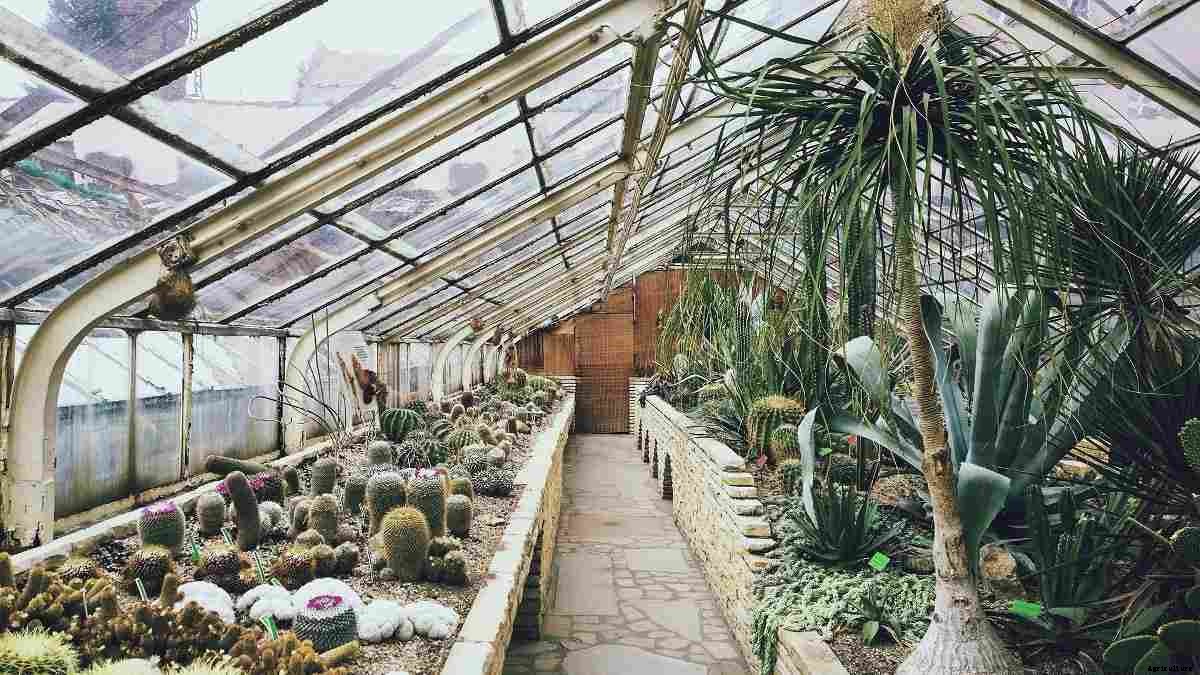
The heating requirements depend on the desired temperature for the plants grown, the location and construction of the greenhouse. As much as 25 percent of the daily heat requirement could come from the sun, but a lightly insulated greenhouse structure will require a great deal of heat on a cold winter night. The heating system should be adequate to maintain the desired day or night temperature.
Watering systems available are again of several types depending on the requirement. You can always hand water crops provided you are available for watering. However, automatic watering systems are a good investment if frequent watering is required over short periods. Watering systems are used to deliver fertilizers or pesticides as required. Timers and mechanical evaporation sensors can monitor and control by timely watering. Misting, spraying, drip irrigation system or simple watering kits are all options you can explore. Drip irrigation systems are excellent for delivering the right amount of water directly to plant roots to minimize water wastage.
You may be interested in Growing Cowpeas.


