
Welcome to Modern Agriculture!

Today, we are into the discussion of homemade insecticides. The insecticide is nothing but a pesticide. However, insects are pests that attack or feed on crop plants or any plants or bushes that are grown at home. The pesticide is a chemical that kills pests. An insecticide is a chemical that kills insect pests which are harmful to plants. The insecticide may be either synthetic or organic. Synthetic insecticides are bit costlier than organic insecticides. Sometimes, organic insecticides are also costlier. When we come to Kitchen gardening or Urban gardening, we can prepare those organic insecticides ourselves at home at low cost which are organic.
In an urban garden or kitchen garden, the plants are mostly attacked by insect pests than any other microbes. Insects are the common pests that attack or feed on the Kitchen garden plants. Many people are unaware of these insect pests that commonly attack kitchen garden plants. Therefore, in this post, we have come up with this article on common insect pests that attack urban garden plants and how to control them with homemade insecticides or natural bug repellents at a cheap price. If you are a gardener, you must be aware of Homemade Insecticides to control any kind of insects and pests naturally.
Whiteflies: Whiteflies are the small and tiny white colored flies. The feed on the Kitchen garden plants by sucking the cell sap of the leaves. As it feeds on the cell sap, the plants losses their chlorophyll content which leads to a decrease in the yield of the kitchen garden plants.
Tiny moths: Moths are similar to butterflies and belong to the family of butterflies. They are light grey to yellowish in color. Moths are however not harmful to the plants. But, when the moths undergo metamorphosis, the larval stage of those moths are harmful to plants. The larvae feed on the leaves of the garden plants. Sometimes they may completely damage the plant leaves that completely defoliates the plant leaves which damages the whole plants. They are nocturnal and feed the leaves during night and hides behind the leaves during day time.
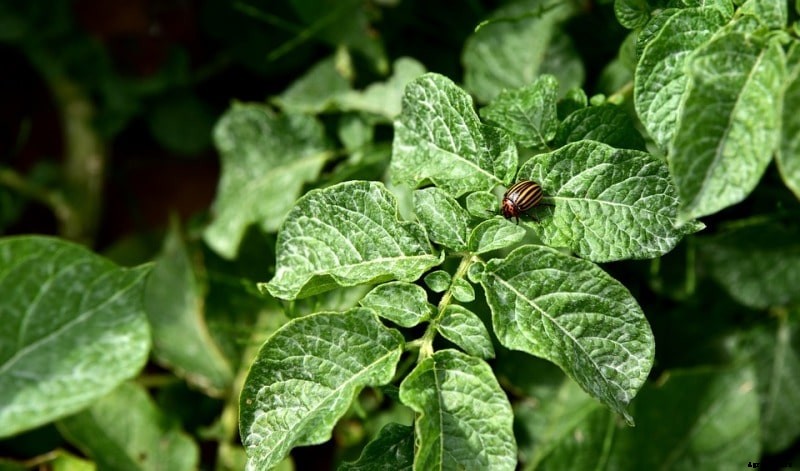
Beetles: Beetles are the insects that belong to coleopteran order of class Insecta. They are colorful with a hard surface of exoskeleton. They eat the leaves during the night times. They form the symptoms like shot holes. By seeing those shot hole symptoms, we can get to know that the damage is caused by the Beetles.
Mealybugs: They are white colored with woolly surface and can be easily identified on the stem and leaves of the plants. When we touch them, they are spongy in sense. They can be easily controlled by wrapping the base of the stem with plaster or plastic cover as they crawl up on the plant from the soil and they are wingless.
Grasshoppers and crickets: They are almost known for most of us. They are nocturnal and feed on the leaves of the plants during night times mostly. They make some nasty sound during night times.
These are the common insect pests or common bugs that attack the urban garden or kitchen garden plants. It is easy to control those bugs at cheap cost at our own home which we will let you know about natural insecticides for plants and best insecticide for vegetable garden below.
In addition, it is also good to rear or domesticate sparrows or birds that commonly feed on the insects. They act as a natural predator for those insects.
Read: Design of Herb Garden.
They are the natural bug or insect repellents to control the insect pest at home or urban gardens. We can prepare those bug repellents at home at a cheaper price. However, we prepare them at very fewer quantities based on the size of the Urban or kitchen Garden. There are important and effective Effective5 natural insect repellents for Kitchen Gardening at home.
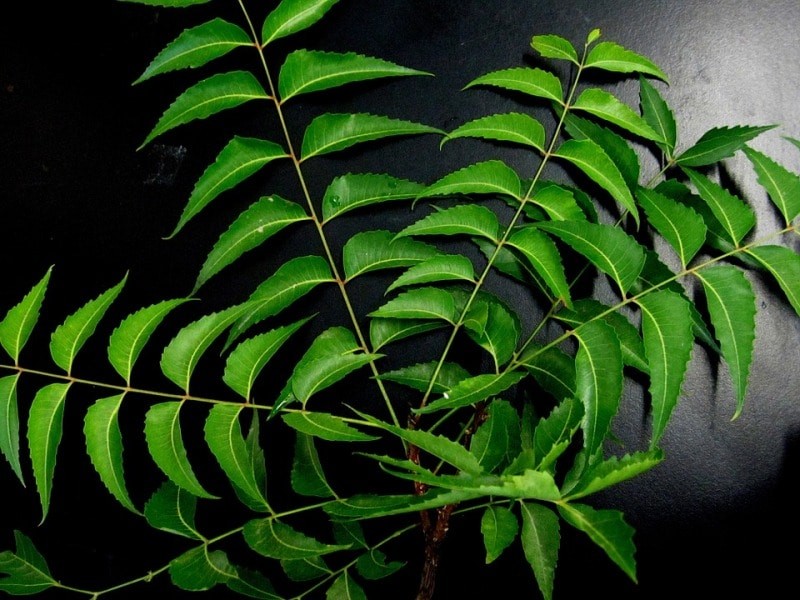
In addition, you can also spray, 40 to 50 % of the Cow urine. Cow urine acts as an effective insecticidal spray. However, it also acts as a natural organic fungicide for kitchen or urban gardens.
Read: How To Make Hydroponic Solutions At Home.
That’s all folks about homemade insecticides or natural control of pests in the home garden.
Read: Organic Farming Practices.


