
Welcome to Modern Agriculture!

Today, we learn growing kale hydroponically, hydroponic kale fertilizer, nutrient solution, hydroponic kale plant care, hydroponic kale yield and harvesting procedure of hydroponic kale. Kale can be grown in both nutrient film technique (NFT) and deep water culture (DWC). Kale is a richly flavored green that stole the spotlight in fancy kitchens and food marts. Those are looking forward to trying their hands in the hydroponic world of perfection we extremely recommend growing kale as your first hydroponic plant. Growing kale in a hydroponic system is rewarding and quite easy. Kale is one of the healthiest green vegetables around the globe and one of the easiest ways to be sure to enjoy its outstanding nutrition and flavor is to grow your own kale plants at your place with hydroponics and kale aquaponics. Kale will flourish and yields rapidly and plentifully in almost any setup whether grown indoor or outdoor and moreover it does not require overly thorough care. It can be grown for full flash harvesting at maturity or as microgreens so let’s discuss how to grow baby kale indoors and enjoy bumper hydroponic kale yield.
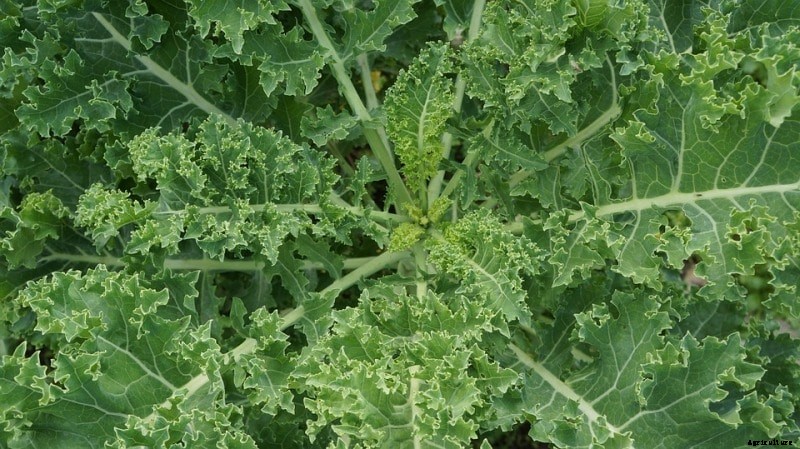
The health benefits of Kale are well known and acknowledged; its culinary attributes are unlimited. Unluckily fresh kale is not always readily available in stores and when it is, it is usually raised with full of pesticides, fungicides and what not commercial chemical. But folks organic kale is not impossible to find but it is not that easy either. Growing your own kale is not all that troublesome. Kale lends itself very well to a hydroponic system. Kale can be propagated from seeds or cuttings recognized as plant starts. If starting from cuttings it is best to get in cuttings from the mature plants. Why wait, let us dive into the details of growing kale hydroponically.
You can also check the Balcony Garden Design for Vegetables, Flowers, Herbs.
The two most common hydroponic growing systems for leafy greens like kale are deep water culture (DWC) and nutrient film technique (NFT). In DWC, also known as raft or pond culture, seedlings are transplanted into rafts which are floated on a 6- to 12-inch constructed pond consisting of a large volume of nutrient solution. A water pump is used to circulate water through the pond and an air pump is also used to keep the system aerated.
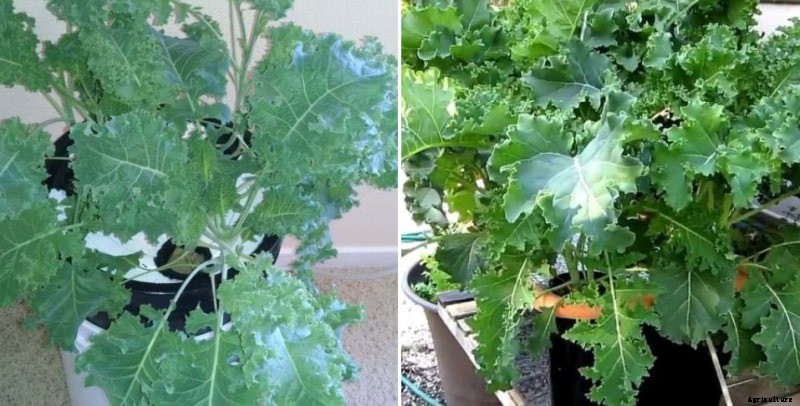
In NFT, seedlings are transplanted onto shallow channels where a thin film of nutrient solution is constantly circulated. The channels are sloped at a certain angle 1 to 4 percent away from a center and are drained at the ends to revert back to the water reservoir. A benefit of the DWC system is because a large volume of water is used quick changes are avoided in water temperature, pH, electrical conductivity (EC) and nutrient solution composition. Kratky kale is also gaining popularity because of its easy installment and ease of usage.
You may be interested in Growing Mint Hydroponically.
Starting from seed is the best decision as per the experienced growers. In conventional gardening, kale is usually started from seed in the summer or late spring, in a controlled and monitored hydroponic environment you can start on chilled Decembers or July whatever floats your boat.
Kale Seeds germinates finest at temperatures between 60 and 75 degrees Fahrenheit, they can be germinated at lower temperatures, as low as 40 Fahrenheit but much slower and with a lower germination success rate.
Seeds become less viable as they age, germination rates drop down incredibly. Ensure that you use seed that is packaged for the current growing season.
Kale seeds take about 4 to 7 days to germinate and emerge out. Once they have emerged give them another 4 – 5 days of growth before placing them in your hydroponic system so that they can prepare themselves for the new system.
Make sure you wash off the soil clinging to the young roots without damaging the structural integrity of the root system else it will suffer stress.
Oasis Root Cubes or growing media like perlite, vermiculite or coco-peat offer a good starting material for conditioning seedlings and plant cuttings, not as a full growing medium but just for providing a substrate.
After successfully transplanting kale seedlings into a hydroponic system following attributes must be taken care of:
You may also check Growing Garlic, Planting, Care, Harvesting.
The Nutrients solution pH should be maintained between 5.5 and 6.5. Some leafy vegetables such as hydroponic lettuce, broccoli in hydroponics which also comprises of kale are nitrogen sensitive and easily get leaf tip burn when nitrogen levels are too high than required. Plants definitely need nitrogen, but not in excess. For counter this you can be ready to use nutrient solution specially formulated for growing kale.
Calcium and Magnesium sulfate is good for kale, but unfortunately, usually they are not part of the hydroponic nutrient mixes available, so it can be added separately to the nutrient mixture.
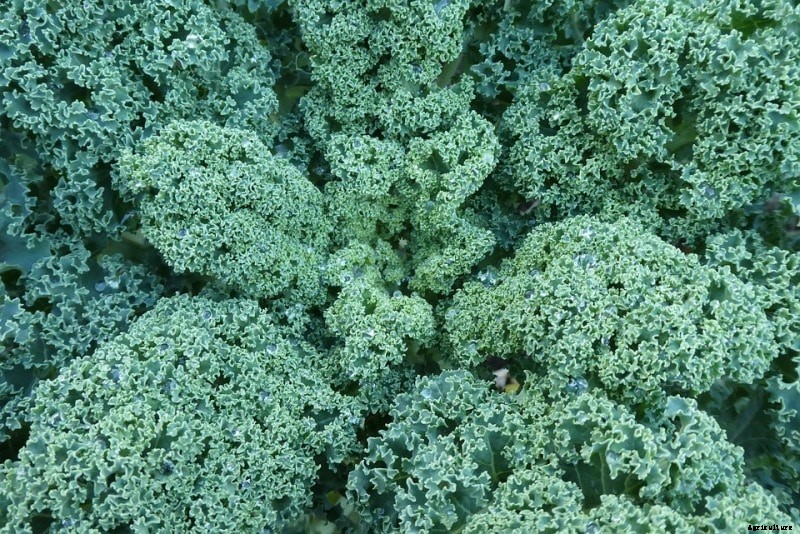
You should be able to start harvesting young baby Kale by 20 – 30 days after they were transplanted in the hydroponic system. Harvesting fully mature Kale can take about 3 – 4 months. This, of course, varies depending on the variety and the growing conditions. The yield of hydroponic kale is much more comparatively when grown on the ground.
That’s all folks about growing kale hydroponically and its cultivation practices.
You may also check Fig Farming Project Report.


