
Welcome to Modern Agriculture!

Introduction to beginners guide to gardening for flowers, vegetables, fruits herbs, tips, ideas, and techniques
Gardening is growing plants such as flowers, shrubs, and trees as a hobby or recreational activity. Many people also grow fruits or vegetables in their gardens. In the backyard or on balconies and patios, people garden with soil or pots or containers—a few people garden on rooftops. Gardening also contributes to a healthier environment. It creates oxygen and adds greenery to our environment. A garden can also provide us with pesticide-free, fresh food. In this way, gardening has many advantages. Care for plants develops new skills, such as responsibility, through gardening. Growing food provides them with an understanding of cause and effect (e.g., plants die without water, weeds compete with plants), as well as self-confidence from reaching their goals and enjoying the produce they have grown.
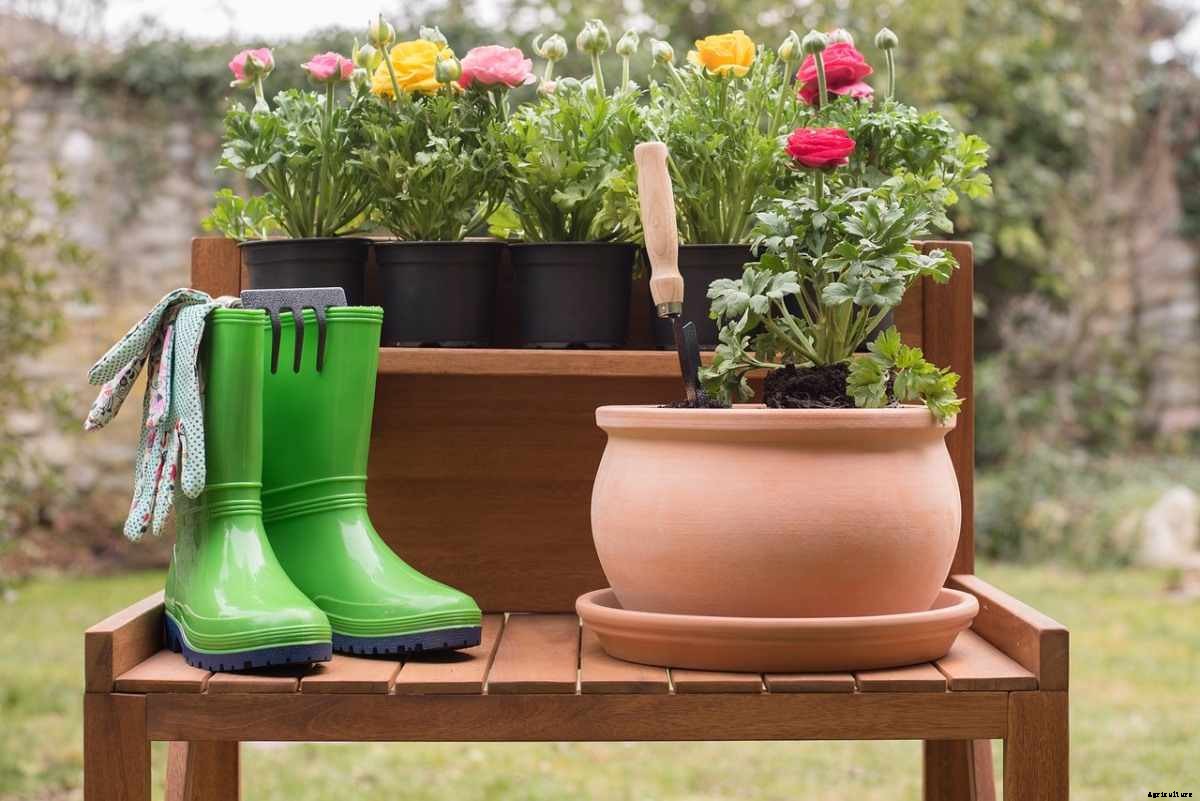
Basic gardening needs for a beginner’s guide: Each plant has its own “personality” and likes different things (water, sunlight, soil type, hats, etc.). For example, certain plants prefer a hot and sunny climate, while others like a more excellent and moister climate (or both). It’s fun, but before you can meet the needs of your seedlings, you’ll have to experiment (and do some research online) to see what works best. Most plants need at least a few of these essential ingredients:
Sun: A plant converts solar energy into its tissues through photosynthesis, which harnesses energy from the sun. (Try eating sunlight. We know you can’t. Plus, we bet you look silly trying to eat sunlight, okay?)For plants to grow, they need direct sunlight throughout the day. Many fruits and vegetables require direct sunlight as well. Sunny days are delicious. Is there a shadier plot at work? Find out which plants thrive in shady conditions if you have less light. (Also, stop hatching shady plots. You’re not as bad as you think.)
Water: Plants also need water. To remain strong and healthy, plants rely on a good amount of water available nearby, just like you do when you have a cold beverage. In many areas, it is necessary to water your garden regularly to keep plants healthy. Make sure you consider your water source. A water delivery system will be necessary if the sources are not close to your garden plot. It’s a water problem. If you’re doing soil work this summer, don’t forget to bring water with you. Keep hydrated all summer long.
Nutrients and soil: A healthy diet is essential to maintaining peak health. However, plants need nutrients as well, and lots of them. As plants grow in more extensive farming operations, different nutrients circulate through the soil. The “fertile” soil is nutrient-rich and provides endless growth opportunities for new plants. From a trusted source, suppose your garden is not already included in an annual crop rotation cycle. In that case, you might need to add nutrients manually (and if you’re reading a gardening article, that’s not entirely likely – but if you’re also an accomplished farmer, thanks.)A wide variety of plant nutrients are available to be purchased online. It is impossible to tell if the soil is fertile by just looking at it unless you have the expertise (or other special abilities that we are not aware of). The good news is that you can buy DIY testing kits to find out how acidic or alkaline your soil is. If you have the testing kits, how will you know how to use them? First, it is recommended for most plants to have an acidity level between 6.1 and 7.0. Some plants, such as rhododendrons and heathers, almost seem like throwbacks to the 60s.
A pH of 5.1 to 6.0 is ideal for these leafy friends. Add some lime (the stone, not the fruit). If your pH is below this, you should add some lime, too, since this indicates that your dish is highly acidic. All those healthy nutrients dissolve in acidic soil and flow away. In addition, bacteria cannot break down organic matter (aka manure) below a pH of 4.7, which means the plants get even less food. Unfortunately, plants suffering in acidic soil must endure that pain. The plants, however, will have difficulty accessing vital minerals such as phosphorus, manganese, and iron. Iron sulfate and sulfur can bring this to your plants’ high standards with acidifying agents. Especially if you have children who play in the garden and roll in the mud, you should test your soil for lead if you live in an urban area. It’s less critical than growing veg, according to research, but it doesn’t help either. However, this is a critical safety issue. The soil in urban areas contains more significant amounts of lead than in rural areas. Lead testing kits are available online. For the most accurate results, make sure you follow the instructions for the testing kit you purchase. In reality, you need a couple of kits, the correct nutrients, and you’re pretty much good to go.
Getting in the zone: Temperatures that are optimal for a plant’s growth are best. The conditions have to be just right, like Goldilocks. To pick the right plants, you need to know your climate. Seed and plant information like this is found online for seeds and plants that you buy online to decide what will work best for you. Next, find out which zones of plant hardiness correspond to your climate. For example, the coldest winter temperatures determine which plants will thrive in a particular area. For perennial plants, that is, trees, shrubs, and many flowers that can survive for several years, this information is helpful since cold winter temperatures affect where these plants can thrive.
Growing season: Another helpful fact to know about plants is the length of their growing season. During both day and night, it is the average period when the temperature stays above freezing. Therefore, it is essential to recognize the growing season when planting annual plants, such as many garden vegetables and flowers. For example, if you want to grow melons, you will need to make sure you can find varieties that can grow fully within the length of your growing season.
In case if you miss this: How To Start Organic Gardening.
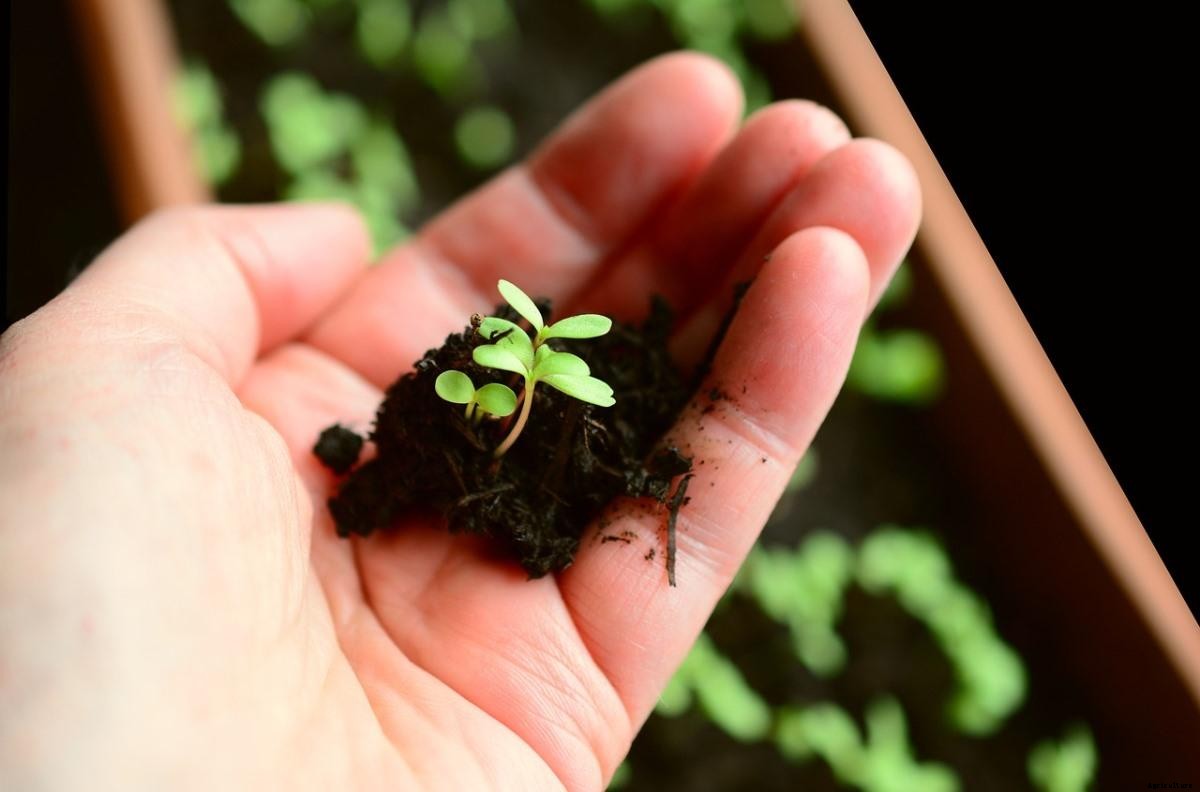
Choose the area you want to grow: If you don’t eat a crop, don’t plant it in your veggie garden. If you want to include flowers in your garden, whether edible or not, make sure to include a few.) Instead, focus on the fruits, vegetables, or herbs that your family enjoys the most. Consider your top choices based on their relevance to your area. Identify your gardening zone and estimate the last and first frost dates. If possible, ask successful gardeners in your area which plants do well in your area. Garden crops that mature slowly or in high temperatures are risky. Watermelons are one of our favorites, but we choose varieties like Blacktail Mountain (70 days) instead of Carolina Cross (90 days). Peas require cooler temperatures, as do vine crops like cucumbers in high humidity. Don’t grow a giant pumpkin if you only want a small garden because it will spread wide.
Please choose a location: For fruits and vegetables to grow, they need full sun, with at least five hours of direct sunlight per day. Veggies such as greens, herbs, and roots can grow in partial shade. A southern garden may benefit from shady afternoons, whereas a northern garden may need maximum sunlight. If you intend to pick, water, and take care of your plants in the garden, you should consider the best way to get there. A neglected garden often goes unnoticed due to being out of sight. Also, keep away from windy areas and frost pockets (low areas where frost is likely to settle).
Design your garden beds: Choosing the type and size of your garden beds is the next step once you know where you want them. In addition to looking attractive and making it easier to work in your garden, raised beds also dry out faster. You can use sunken beds to collect moisture in arid areas. Consider planting in blocks or beds of plants instead of single rows. Three to four feet is the ideal bed width, narrow enough that you can reach the center from either side. The length of your bed should be approximately 10 feet or less so that you aren’t tempted to step into it and compact the ground. In your garden beds, plants need to be arranged in rows or grid patterns. When fertilizing and amending the soil only where plants will grow, time and money can be saved—increasing walkways while increasing planting space should be your aim. It saves time and money to fertilize and amend the soil only in the planting area. Companion plants attract beneficial insects and improve yields. Grow them small and give them enough space to grow. Plants grown from seeds can grow to be enormous, but plants growing from transplants are tiny. When plants are overcrowded, they struggle to thrive. Gardening a small area well can yield as much or more than gardening a large area poorly. You can build any shape of bed you like. Rectangular and square beds are the most popular. There are a variety of raised bed kits available, but you can also use found items like old livestock water tanks or lengths of drainpipe to develop your garden.
Get the right tools for your garden: Working in your garden becomes enjoyable when you have the right tools. A butter knife is not used to chop raw carrots, and dull or flimsy tools are not used to work in the garden. The following equipment is essential for gardening:
Test your soil: Getting to know your soil is essential before building or planting your garden beds. What is the pH of your soil? Is it acidic, alkaline, or neutral? Does the soil in your yard contain clay, silt, sand, or rocks, or is it a mix of all four? Is soil contamination possible from structures, roads, or other sources nearby? What are the essential nutrients in the soil? By looking at the soil, we can determine some of these characteristics. However, home tests or professional lab tests are needed for others. For example, it is common for lead contamination to occur due to old paint or traffic on nearby roads. A neutral pH is best for most garden crops, but some plants like slightly acidic soil (potatoes, for instance) or slightly alkaline soil (brassicas). The presence of organic matter is also essential, as are balanced nutrient levels.
Build your soil: Depending on your starting point, you’ll have to either cut up the sod into chunks and repurpose it or spread wet newspaper or cardboard to smother it and then build a bed on top. Again, it is best to prepare in the fall, but you can still get started in the spring. Most plants prefer deep, well-drained, fertile soil with plenty of organic matter. Furthermore, good garden soil is essential for the growth of good vegetables and fruit. You will appreciate healthy soil after you’ve planted a garden, as it improves year after year. Healthy, vibrant soil equals healthy, vibrant plants resistant to disease and pests and is more nutritious.
Choosing the suitable transplants or seeds: The seed starting calendar determines which plants are better to seed in the garden versus which ones to transplant directly. If you wish to grow specific varieties, such as heirlooms, you will probably need to start your transplants from seed. You can even save money by starting your transplants from seed. However, if you don’t want to take on the challenge of growing transplants for your garden, here are some tips to help you choose the right plants at a nursery:
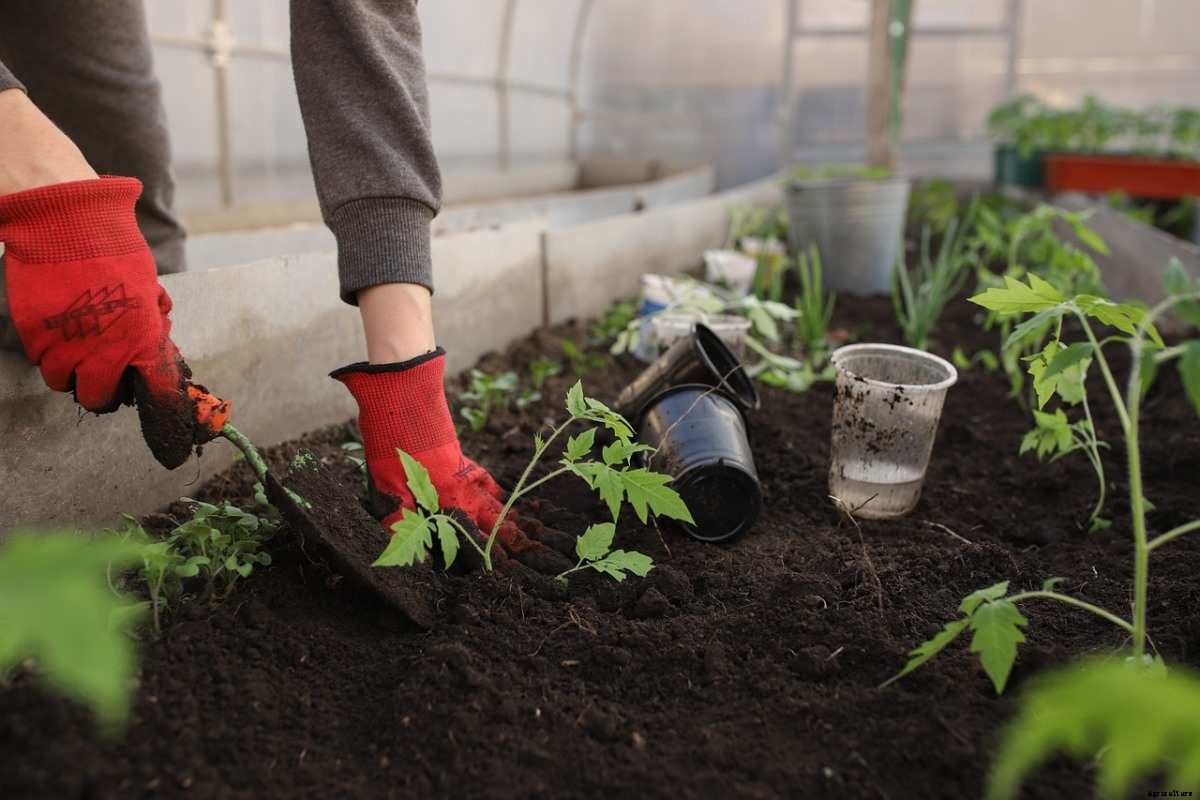
Plant with care: An essential planting guide is included with most seed packets and transplant containers. So as soon as you’ve prepared the ground (literally), you need to get started. Try it out, and you will learn the rest along the way.The following are general guidelines for planting in your garden:
How about this: How To Start Hydroponic Gardening.
1. Is there anything I need to start gardening for beginners?
Here are the things you’ll need
2. What should a beginner know about gardening?
3. What plants should plant as a beginner?
Grow lettuce, greens (such as arugula), peas, radishes, carrots, and broccoli in the spring after you harvest your cool-weather crops, then plant hot-weather crops such as tomatoes, peppers, eggplants, and herbs. Harvest potatoes, cabbage, and kale during the fall.
4. What are your tips for starting a raised vegetable garden for beginners?
If you are growing something for your family, only grow what you can eat. It is possible to plant a 10′ x 10′ garden (100 square feet) in the ground. Select three to five of your favorite vegetables and buy three to five plants for each of them. If you’re planting in a raised garden bed, four by four or four by eight feet is a good size for a beginner.
5. When is the best time to plant gardening for beginners?
It’s the perfect time to start spring crops for most of the United States right now. To get more specific planting recommendations, use this handy calendar. As a general rule, you are planting hardy greens and cabbage a few weeks before your last frost is recommended.


