
Welcome to Modern Agriculture!

Introduction: Hello vegetable gardeners, today let us get into detailed information of container gardening for vegetables for maximum profits. Container gardening is a very simple and fun way to grow edible crops in just about any situation. If you don’t have space for starting a vegetable garden, consider raising fresh, nutritious, homegrown vegetables in containers. A window sill, patio, balcony, or doorstep can provide sufficient space for a container garden. Problems with soil-borne diseases, nematodes, or poor soil can be overcome by switching to container gardening.
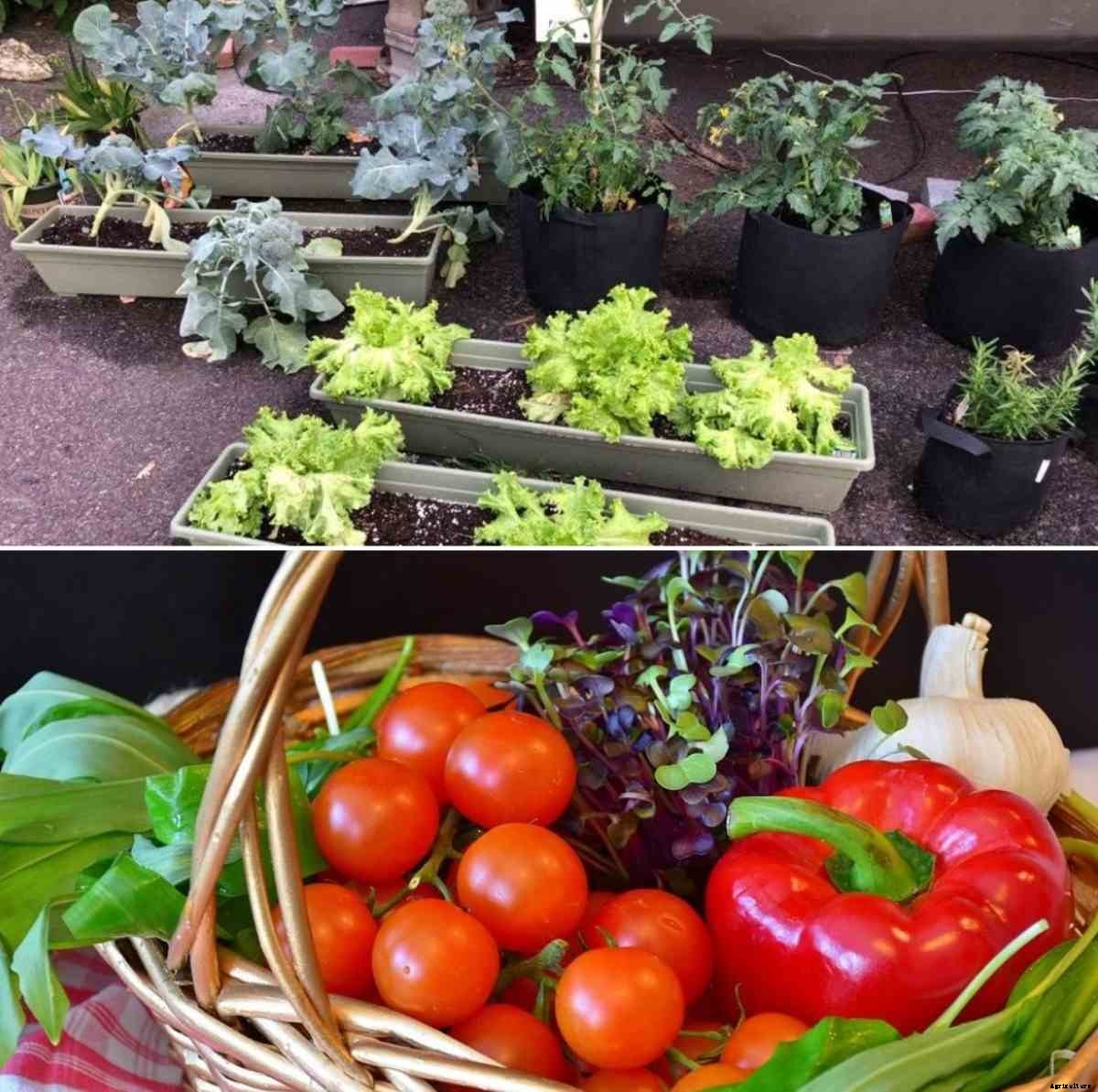
Container vegetable gardens consist of plants grown in the containers instead of in the ground. Filling pots or buckets of different sizes with a soil-less potting medium creates an economical, simply maintained garden.
A container garden is a very easy low-cost means to grow your food which requires very little maintenance. By choosing attractive containers, your container gardening projects can add variety and appeal to the landscape. Otherwise, free plastic buckets can be decorated to provide for a lower-cost attractive container.
Container gardening or pot gardening is ideal for those with little or no garden space. In addition to growing vegetables, gardeners limited to a balcony, small yard, or only a patch of sun on their driveway can make a wide variety of vegetable crops in containers.
A lightweight soil that holds nutrients and moisture yet drains well is necessary. Commercial mixes of peat moss and vermiculite or perlite are a great choice for containers. However, some money can be saved by making own soil mix.
The potting soil you choose must be free of disease organisms, insects, and weed seeds. It should be porous yet hold water and nutrients with a slightly acidic pH level.
You can use soil in container vegetable garden, but potting mixes are much better. Peat-based mixes, containing peat and vermiculite, are very excellent. They are relatively sterile and the pH level adjusted. They also allow the plants to obtain enough air and water. Mixing in one part compost to two parts planting mix will develop fertility.
Using a slow-release or complete organic fertilizer at planting will keep vegetables fed for the whole growing season.
You should not miss the Aeroponics Vs Hydroponics.
Nearly all vegetable plants will produce better in full sunlight than in shade. However, leafy crops that are lettuce, cabbage, greens, spinach, and parsley can tolerate more shade than root crops that are radishes, beets, turnips, and onions. Fruit-bearing plants, for example, cucumbers, peppers, tomatoes, and eggplant need the most sun of all. One major advantage of growing vegetables in containers is that you can place the vegetables in areas where the plants can receive the best possible growing conditions.
Things required for container gardening for vegetables;
Container gardening for vegetables is useful when;
Any growing media should provide water, nutrients, and physical support to grow healthy plants. A good growing media should also drain well. Soilless mixes are well suited for vegetable container gardening and can be composed of sawdust, wood chips, peat moss, perlite, or vermiculite. These are free of disease and weed seeds, hold moisture and nutrients but drain well and lightweight.
You may be interested in Growing Bougainvillea Indoors.
Preparing a container for vegetable planting
Plants in containers have less access to nutrients than those in the ground, so they will need additional feeding. Use slow-release fertilizers or add liquid feed to the watering can. Plants must be fed around every fortnight during the growing season.
List of vegetables suitable for growing in containers;
Vegetables that are ideally suited for growing in containers include Eggplant, Lettuce, Parsley, Beans, Beets, Cabbage, Carrots, Chard, Cucumbers, Onions, Peppers, Radish, Spinach, Squash, and Tomatoes.
Vegetables that can be easily transplanted are best suited for a container garden. Transplants can be purchased from local nurseries or can be grown at home. Seeds can be germinated in a baking pan, plastic tray, pot, or even a cardboard milk carton. Fill the container with the media and cover the most vegetable seed with ¼ inch to ½ inch of media to ensure good germination. Another method is to use peat pellets or peat pots which are obtainable from nursery supply centers. Landscape cloth or screen in the bottom of the pot will develop drainage and invigorate plant growth.
Proper watering is necessary for a successful container garden. Normally one watering per day is adequate. However, poor drainage will slowly kill the vegetable plants. The mix will become water-logged and vegetable plants will die from lack of oxygen. If at all possible, avoid wetting the foliage of plants since wet leaves will encourage plant pests and diseases.
Always remember that each watering must be done with the nutrient solution except for the weekly leaching with tap water.
Vegetables grown in containers can be attacked by the different types of insects and diseases that are common to any vegetable garden. Plants must be periodically inspected for the presence of foliage-feeding and fruit-feeding insects as well as the occurrence of diseases.
Protect plants from high heat caused by light reflection from the pavement. Move plants to a cool spot or shade them during the hottest part of the day. Plants must be moved to a sheltered location during severe rain, hail, or wind storms and for protection from early fall frosts.
You may also check the Greenhouse Agriculture in India.


