
Welcome to Modern Agriculture!

Introduction: Hello gardeners, today is a discussion day of Growing Eucalyptus Indoors. Eucalyptus thrives in almost any well-drained soil, tolerating salt, sand and high pH level. Outside, Eucalyptus trees produce to 60 feet tall and those half-moon-shaped leaves flutter in the breeze. The trees are tall evergreen trees with aromatic leaves. But the Eucalyptus tree grows well indoors too.
Potted eucalyptus trees can be grown as container perennials until they get so big that they should be planted in the backyard or donated to a park. Eucalyptus houseplants grow so fast that they can be developed as annuals. Eucalyptus is grown from seed planted in the spring, the trees will rise to 8 feet high in one season. If you are interested in growing Eucalyptus indoors, you need to know how to grow eucalyptus in a container.
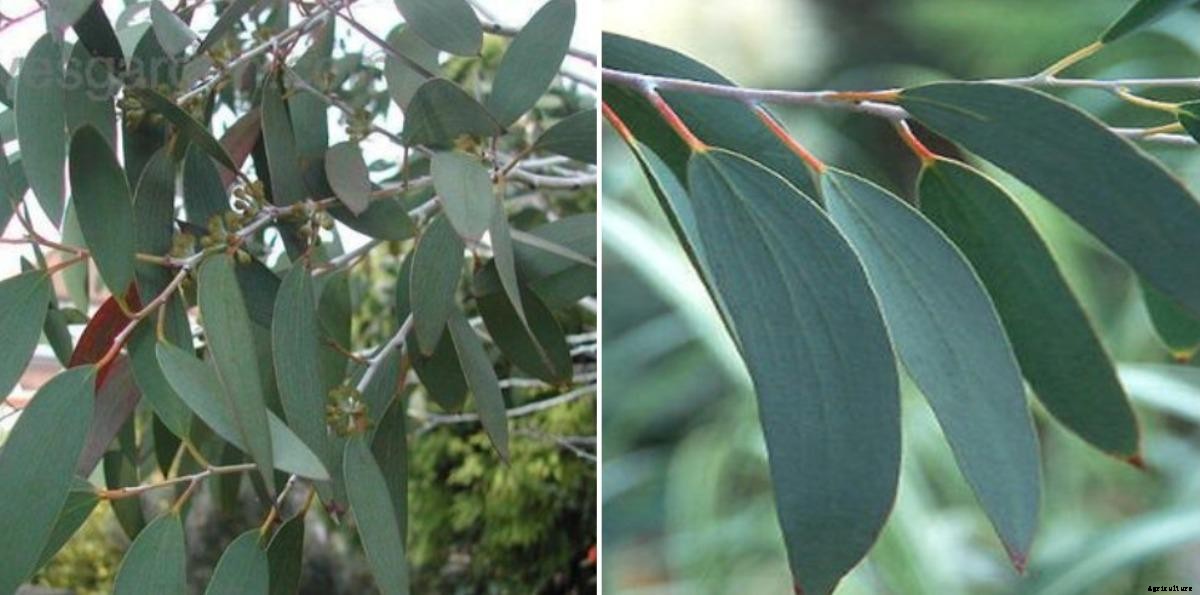
Place the Eucalyptus plant in bright light condition. Keep a plant near a window that receives plenty of sunshine. The Eucalyptus requires ample amounts of light to thrive indoors. The best indoor climate for Eucalyptus is cool to warm.
Eucalyptus trees require good drainage. This drought-tolerant Eucalyptus plant withstands drying out better than it does standing around in wet soil. A container with drainage holes in the bottom is necessary to allow excess water to escape. When potting or repotting a Eucalyptus, going up only one or two pot sizes at a time helps to prevent overwatering. When there is too much soil around the base of a Eucalyptus plant in the container, the plant can retain too much water around the roots.
Eucalyptus is used as a very pretty indoor plant. When growing Eucalyptus indoors, note that eucalyptus is considered a heavy feeder and requires full sun. Highly adaptable to most soils, the major concern is to pay close attention to basic feeding, lighting, and watering needs. It is interesting to note that several varieties of eucalyptus also produce such fragrant blossoms in the wild, that they are considered highly desirable for attracting bees.
You should not miss the Aeroponics Vs Hydroponics.
Eucalyptus plant requires full sun to thrive. Place Eucalyptus houseplants on the patio in a sunny, sheltered location where it is easy for you to water it. You can dig a hole and place the container in it, sunk to the pot lip, all summer long. In mild climates, leave the Eucalyptus plant outside permanently. In a cold climate, you should bring the plant indoors before the first frost of autumn. You can cut bushy plants to the ground before overwintering season and store in a cool basement or garage.
Water your Eucalyptus plant regularly. The soil must be kept moist, except during the winter months when you can cut back on your watering regime.
Growing Eucalyptus from seed is the easiest way to propagation; some brave souls have been known to attempt propagation from rooting Eucalyptus cuttings.
The following are the instructions for rooting eucalyptus cuttings;
You may also like the Garden Vegetable List.
Water eucalyptus regularly, particularly during warm, dry weather. Eucalyptus plant is drought tolerant and will rebound from slight wilt, but it may not recover if the foliage is allowed to shrivel. And on the other hand, avoid overwatering.
Early morning or evening time is the best time for watering Eucalyptus trees. This promotes maximum usage of water and the cooler temperatures decrease evaporation. Water eucalyptus deeply rather than shallow sprinkles and this helps leach soil of salt buildup and allows water to reach the deeper roots.
Eucalyptus plants don’t need a lot of extra fertilizer when growing in the garden, but potting soil and containers provide fewer nutrients than garden soil. A single application of 10-30-10 or 10-10-10 fertilizer in spring gives potted Eucalyptus all the nutrients they require. Spring is the time to prune Eucalyptus to control the size of potted trees, to keep the desired shape and to remove any dead or broken branches. Repotting every 2 to 3 years in spring with new potting soil keeps the root environment healthy.
Mulch will help to control the temperature of the soil, protect the tree from cold, eliminate weeds, and maintain the soil moistly. Ideal mulch for Eucalyptus is a thick and bulky organic matter, for example, bark or compost.
You may be interested in Oilseeds Farming in India for Maximum Profit.


