
Welcome to Modern Agriculture!

Introduction: Hello gardeners we have excellent ideas of potting soil mix for vegetables. Choosing potting soil for vegetable gardening doesn’t need to be difficult. Potting soil is also called potting mix, is a soilless blend of ingredients used to grow plants. Whether you’re starting seeds, rooting cuttings, potting up houseplants or growing patio containers and hanging baskets, potting soil mix is the ideal growing medium for containerized plants. All good-quality potting soil mixes, including homemade potting soils, have a few things in common.
The potting soil mainly consists of dirt from the garden and one or more of the materials which are usually employed in the making of potting mixes. A potting mix can be mixed with dirt, and it will, therefore, turn into potting soil. A lightweight potting mix should be used in your containers. What are we waiting for? let us dive into details of potting soil mix for vegetables.
The potting soil in which a plant grows must be of good quality. It must be porous for root aeration and drainage but also capable of water and nutrient retention. Most commercially prepared potting mixes are termed artificial which means they contain no soil. High-quality artificial mixes normally contain slow-release fertilizers that take care of a plant’s nutritional requirements for several months.
The main goal of a quality potting soil is to obtain the right amount of nutrients and water to a plant. To do so, two conditions should be satisfied they are;
These conditions are fulfilled by adding compost to the mix and by making sure you have enough material in your soil mix that retains water (but not too much).
You should not miss the Air Purifying Palnts for Home.
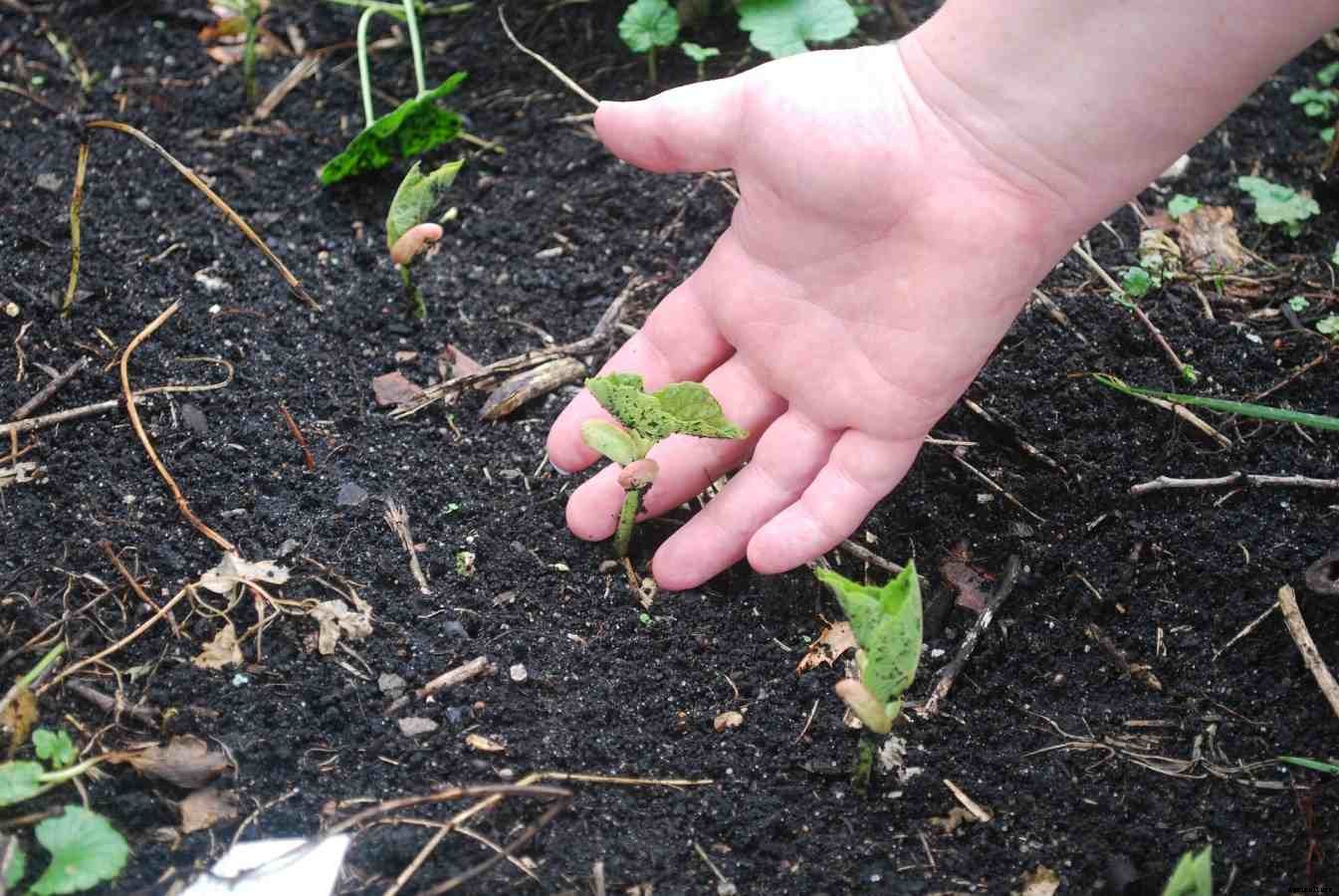
Soil is the foundation for growing healthy plants, so it’s very important that you always use high-quality soil for container vegetable plants. Never cheap out on potting soil for vegetable container gardening, because you really do get what you pay for here. If you start with a good mix, your vegetable plants will grow much better.
The best soil mix for container-grown vegetables is one that is well-drained, well-aerated and has a pH that is close to neutral. Soil potting mixes offer all of these features. Potting mixes are filled with organic matter such as peat moss, compost, and bark chips to give nutrients and a good pH balance for your plants. Look for soil mixed with vermiculite or perlite, which helps aerate the soil and retain moisture. Any mixes without vermiculite must be saved for herbs, which won’t wither if they go dry occasionally. For large pots that can need to be moved, choose soilless mixes since they are light. Because potting soil mixes have been heated during processing, they are free of weed seeds, pests, and disease.
Potting soils consist of the following ingredients;
The main ingredient in most potting soils is sphagnum peat moss. A very stable material, peat takes a long time to breakdown and is generally available and inexpensive.
Sphagnum peat moss is well-draining and well-aerated, but it’s low in available nutrients and it has an acidic pH, typically ranging between 3.5 and 4.5. Limestone is added to peat-based potting mixes to help balance the pH level.
Coir fiber’s pH level is close to neutral. Often sold in compressed bricks, coir fiber is considered by many to be more sustainable than sphagnum peat moss. Coir made from the fibrous husks of coconut shells. For use in the potting soil mix, the fibers are washed and heat-treated, then compressed into blocks or bricks that are soaked to break them up. Coir is naturally organic and sterile, and some studies have found that it essentially suppresses the fungi that cause root rot. Like peat, coir also holds moisture and nutrients, and it stays loose.
Perlite is a mined and volcanic rock. When it’s heated, it expands, making perlite particles look small, white balls of Styrofoam. Perlite is a lightweight, sterile addition to bagged and homemade potting soil mixes. It holds 3 to 4 times its weight in water, increases pore space, and improves drainage. With a neutral pH, perlite is simple to find at nurseries and garden centers. One popular brand of perlite is Espoma perlite.
You may be interested in Organic Container Gardening Ideas.
Vermiculite potting mix is a mined mineral that is conditioned by heating until it expands into light particles. In potting soil, vermiculite adds calcium and magnesium and increases the mix’s water-holding capacity. Vermiculite can be found in potting soil or purchased by itself in four different sizes for vegetable gardening with vermiculite. Germinate plant seeds using the smallest size of vermiculite as a growing medium and the largest size for improved soil aeration.
Coarse sand improves drainage and adds weight to potting soil mixes. Mixes formulated for some vegetables tend to have a higher percentage of coarse sand in their composition to ensure ample drainage.
Add pulverized calcitic limestone or dolomitic limestone to peat-based potting soils to neutralize their pH level. Approximately, use about 1/4 cup for every 6 gallons of peat moss. These minerals are mined from natural deposits and are readily obtainable and inexpensive. Dolomitic limestone or Calcium carbonate is used to adjust the pH level of soil mixes containing acidic ingredients, such as sphagnum peat or composted pine bark.
Additional nutrient sources are particularly important when using soil mixtures that don’t contain compost. Select natural fertilizers derived from mined minerals, animal byproducts, plant materials or manures. A combination of natural fertilizers provides a long-term, stable and eco-friendly source of nutrients. Such a blend can contain combinations of any of the following: alfalfa meal, blood meal, bone meal, cottonseed meal, crab meal, feather meal, fish meal, greensand, kelp meal, dehydrated manure, and rock phosphate.
When it comes to the potting soil mix, the lighter it is the better. Loose and porous mixtures do not make a container lighter to move, but they transport water, fertilizer, and air to plant roots more quickly, and allow for good drainage, which is very important for container gardening.
The perfect potting mix does not have actual soil or garden dirt. It is composed of peat moss, vermiculite, perlite, sand, and shredded bark or compost.
You can also check the Growing Ornamental Grasses.
Start with the basic soil mix and then add soil sulfur to lower the pH or lime to raise the pH, according to the needs of your plants. Both additives can normally be found at garden centers. Plants such as lettuce prefer sweet soil with a pH of about 7.5.
Making process of soil-based potting media is given below;
The following is a basic recipe for soil-based potting soil media. In this recipe garden coarse construction sand, loam soil, and sphagnum peat moss are combined together in equal parts.
If you do use your own garden soil for vegetables, amend it first. Adding peat moss will develop the soil texture and adds organic matter. Working in perlite or coarse sand will improve drainage. A good mix for pots is one part each of garden soil, peat moss, and either perlite or coarse sand. To avoid some of the pathogens and weed seeds in garden soil, sterilize it in the oven. Do this by covering the soil completely with foil, heating it to 180°F and maintaining this temperature for 30 minutes. Do not heat the soil higher than 200 degrees or toxins in the garden soil can be released.
Whether you use a potting mix or make your own mix with garden soil, it takes a large amount of soil to fill the large pots required to grow vegetables. You can save money and strain on your back by adding filler into the bottom of the pot before adding the soil. Good fillers contain a layer of small foam pieces or yogurt cups turned upside down. Use the filler to fill the bottom third of your pot, place a layer of landscape fabric over the filler and then add soil mix, leaving an inch of room at the top of the pot.
It is very important to use a quality potting mix for your vegetable container garden. Simply transplanting soil from your yard poses problems that are soil compacting and bringing outside weeds into your container. Using soil as growing media is perfect for growing a vegetable container garden.
Soil potting mix can provide vegetables with;
Miracle-Gro potting mix contains nontoxic amounts of nitrogen, phosphorus, and potassium for fertilizer and is recommended for container growing vegetables. All plants require these three basic nutrients for healthy growth.
You may consider to read the Growing Hydroponic Microgreens.
Fertilizers – Miracle-Gro all-purpose potting mix will contain nitrogen, phosphorus, and potassium in a ratio of 21-7-14. This ratio makes a good fertilizer for container vegetables. Using a potting mix with fertilizer already added is a good selection for container vegetables, which need to be fed more often than vegetables in the garden.
Effects – Nitrogen feeds foliage and leaves and then keeps vegetable green. Phosphorus will help the plant set fruit and seeds. Potassium helps roots grow. All plants use basic nutrients and all are safe to feed to vegetables. Miracle-Gro soil mixes are designed to retain water so vegetables don’t dry out.
Always read the ingredients on any potting soil mix before growing food crops in it. A potting mix of vegetables should not have systemic insecticides, which can be toxic to humans. Choose a potting mix designed particularly for container vegetables for best results.
You may be interested in Vegetable Weed Control Methods.


