
Welcome to Modern Agriculture!

Introduction: Hello gardeners today we are here with a great information of peat moss for vegetable garden. Peat moss is a dead fibrous material that forms when mosses and other living material decompose in peat bogs. Peat moss is an excellent soil amendment for acid-loving plants. Peat moss is also known as a dead fibrous material of sphagnum species, forms when moss and other living materials become decomposed in peat bogs. It will take thousands of years for peat deposits to form. Peat moss helps the soil hold nutrients by increasing the CEC or “cation exchange capacity.”
Peat moss has a low pH level, so if you use much, lime should be added as well. Plants that do well in acidic soils, termed “ericaceous” such as blueberries and rhododendrons, advantage from peat moss. Compost generally has a neutral (pH 7) or slightly alkaline soil reaction.
The dark brown, compact matter that recognizes as peat moss is a far cry from the organic material’s origins. Peat moss is the decomposed remains of sphagnum moss and other living things that form a dead and fibrous material over the course millennia in peat bogs around the world. Peat moss doesn’t compact, so it can last for years in soils, providing excellent aeration and water holding.
Peat and compost are two natural soil amendments normally used by gardeners to help improve the fertility and physical structure of the soil. The difference between peat moss and the compost, Peat moss is sterile, contains only a few microorganisms, has acidic pH values, prevents soil compaction and improves moisture retaining. It is somewhat expensive and it contains only a few nutrients. On the other hand, Compost contains numerous microorganisms and its rich in nutrients. It has a neutral or slightly alkaline pH level and it’s usually free. The downside is that it may compact and it may have certain weed seeds.
In the vegetable garden, peat moss can moderate extremes in soil dryness and soil wetness. This is very important when growing juicy-fruited plants with tender skins, such as tomatoes, strawberries, and blueberries. These acid-loving plants and many other fruits and vegetables benefit from peat moss’s lower pH level. The product’s sterility means it won’t begin weeds, diseases or pathogens that can quickly ruin a vegetable garden.
Gardeners use peat moss primarily as a soil amendment or ingredient in potting soil. It has an acid pH level, so it’s ideal for acid-loving plants, such as blueberries and camellias.
Peat moss is a very important component of most potting soils and seed starting mediums. It holds several times its weight in moisture and releases the moisture to the plant roots as required. It holds onto nutrients so that they aren’t rinsed out of the soil when you water the plant.
Peat moss alone does not make an excellent potting medium. It should be mixed with other ingredients to make up between one-third to two-thirds of the total volume of the mix. Peat moss is sometimes known as sphagnum peat moss because much of the dead material in a peat bog comes from sphagnum moss that grew on top of the bog. Florists use sphagnum peat moss to line wire baskets or add a decorative touch to potted plants.
You should not miss the Air Purifying Plants for Home.
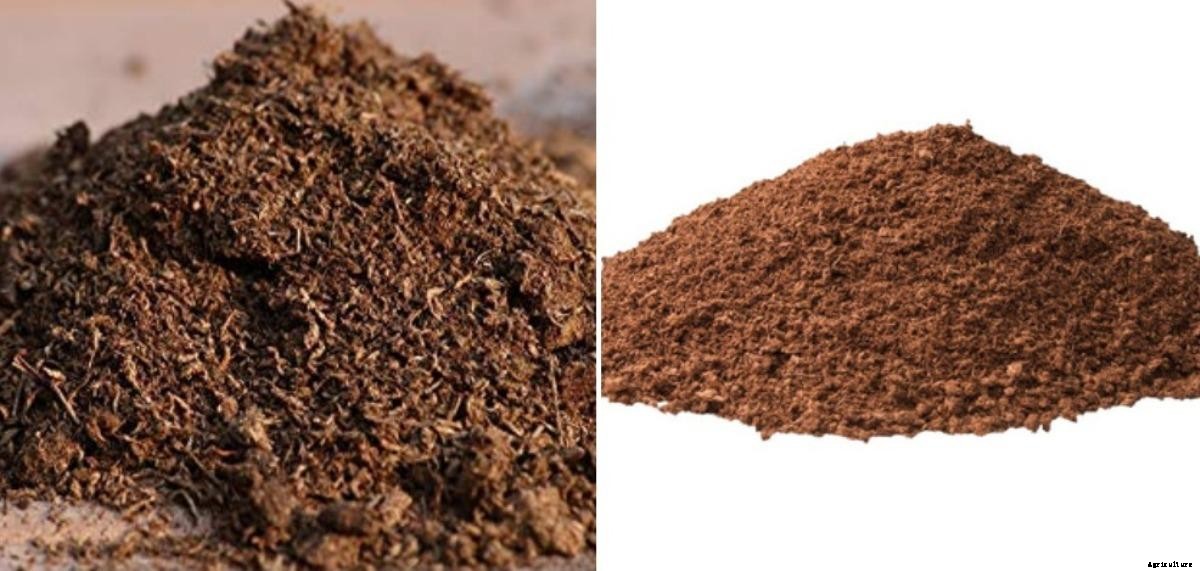
The benefits of peat moss in the vegetable garden are given below;
Peat moss is a wonderful natural organic way to condition the soil and provide its nutrients, but knowing how to mix it well with other ingredients to get the proper growth from specific vegetables and plants is very important. Use equal parts peat moss, perlite, vermiculite and compost to make small little mounds for your seeds. A bit of wood ash must be thrown into the mix to counteract the acidity. Peat moss provides organic matter for fine-textured soils. It improves the moisture-holding capacity of coarse soils and it is an excellent growing medium for plants in flats because of its physical nature.
Peat moss is a highly absorbent material – It can retain water much better than other kinds of soils. This is a great agent to include in garden soil.
Sterile medium – Peat moss provides a sterile medium, which is ideal for planting and growing your vegetable plants. It doesn’t have any harmful chemicals, weed seeds and other bad things you don’t want for your plants. This is why peat moss is an ideal starting medium, mainly for tender, vulnerable plants that require a lot of care. It is a good practice to add a bit of peat moss to any starting mix.
Acidic pH features – Peat moss is slightly acidic and which means it is great for acid-loving plants. There are many plants you may wish to grow that need slightly acidic soil, such as camellias and blueberries. If your garden soil is not acidic, add a bit of peat moss to make acid-loving plants thrive.
The various horticultural uses for peat moss are given below;
You may also like the Growing Mango Tree in Containers.
Sphagnum peat moss works well as a seed starting medium. It has numerous benefits that make for a fantastic starting mix and peat moss is sterile, homogenous and absorbent. These characteristics can make a fantastic seed starting medium. The material stays uniformly moist, which helps in the germination of your vegetable seeds.
Most of the quality seed starting mixes already have peat moss. However, you can also make your starting mix to add peat moss to it. Simply mix soil with some peat moss to make a good seed starting medium. You may use potting soil with added fertilizer, vermiculite and peat moss to it.
Properly applying peat moss to soil mixes and as an amendment is very important for the success of your vegetable garden. You will apply it differently depending on how you plan to use it, but for all applications, it is very important to wet the peat moss before adding it into the soil.
Carefully, you can apply peat moss in a 2:1 ratio as a soil amendment, with two parts soil to one part peat moss. Mix the peat moss into the top 12 inches of the soil along with other amendments until the mixture is evenly distributed and plant into the freshly prepared ground.
There are several ways to prepare a seed starting mix from peat moss and the mix you use will vary depending on your preferences. Soilless seed mixes use peat moss as the base with equal parts of perlite or vermiculite and add small amounts of lime and fertilizer to lower the pH level and give your seeds some plant food.
Potting mixes with garden soil use equal parts of soil, peat moss, and perlite or vermiculite, along with any other fertilizers or amendments the gardener wishes to add.
Peat moss is useful for container gardening, as it preserves moisture and gives containers a good organic material to grow in. For containers, make sure to mix peat moss with adequate amounts of soil, compost, and fertilizers to keep your container gardens happy.
If you use peat moss for container gardening, make sure to mix it with a lot of soil, compost, and fertilizer. Peat moss works great for containers because it provides container plants with a lot of organic material. Peat moss is good because it preserves moisture, which is important for container plants.
You can also use peat moss for organic gardening. In this case, make sure to use organic peat moss. It is important to check the labels before you buy any product. Once you have organic peat moss you can mix it with soil and use it in many different ways in your organic vegetable garden.
On the other hand, it is very important to understand that there are certain disadvantages to peat moss.
Here are the disadvantages of peat moss;
You may be interested in Mushroom Cultivation Income.


