
Welcome to Modern Agriculture!

Introduction to best plants to grow on Balcony: Balcony gardens are gardens that are created in apartments with limited space, typically on balconies. Gardening on balconies can be done with plants, flowers, furniture, and other aesthetic elements to fit the size and lighting constraints. The balcony garden acts as a unique green space in your home that transforms your home. Fresh produce and a fragrant oasis can be found in balcony gardens. The size and shape of the balcony garden are dependent on the gardener’s tastes and the available space. Plants can be displayed in various ways along the railings, pots, or even as vertical gardens. Growing vegetables and herbs over railings soften the angles and provide food for bees and gardeners alike.
Planters and pots: Planters and pots made of wood or terracotta are beautiful and offer ample space for all types of growth. These lightweight pots are available in a wide range of shapes and sizes. Growing large pots and planters is an excellent way to plant small shrubs and perennials, and vegetables. Plant kitchen herbs, perennials, and annuals in the smaller pots and planters. You can use these in combination with vertical gardening.
Going vertical: Vertical gardens are a space-saving concept to the home gardener since they utilize vertical surfaces such as balconies. We can create a vertical garden in many creative ways:
Vertical gardens can have a watering issue due to overhead watering and dripping. Combining drip irrigation with a collection system at the bottom is an excellent way to avoid this problem.
A railing or hanging baskets: these are the most straightforward choices for the tiny balcony. These containers are made from wood, steel, or plastic and hang from the balcony railing or the eaves. Typically shallow and prone to drying out, these types of baskets are suitable for drought-resistant plants or smaller plants. In a railing or hanging basket, succulents, herbs, annuals, strawberries, and lettuce can be grown successfully. Both of these container options should be held in place by zap straps, screws, or brackets to prevent the container from being carried off by wind or an accidental bump.
Up-cycled containers: Gardeners are artists and can use many different containers creatively. Make household items into plant containers by adding adequate holes for water drainage.
Reduce garbage and save money by up-cycling old yogurt containers, colorful rubber boots, mugs, jugs, baskets, or any other vessel.
Grow bags: The plant grows bags that can be used instead of pots and planters. The Plant Grow Bags are ideal for growing vegetables on terraces and balconies, and they are easy to transport because they’re lightweight. The UV-treated multi-layered plant grow bag offers many advantages: it is spacious, unbreakable, highly durable, accessible for transportation, cost-effective, and breathable for roots. The containers are still often used to grow plants in greenhouses, but they are increasingly considered alternative container types. Plants grown in grow bags are handy and affordable on patios and balconies. Pots are heavy and hard to move. There are lightweight grow bags available. During the growing season, you may need to move containers if you are developing on your balcony or anywhere else. The soil is more relaxed in summer. In the summer, plastic pots become hot. Heat can escape since the bags breathe. In addition, the felt-like fabric is more insulating than plastic, so when it gets cold, the soil stays warmer.
We can prepare the soil with an equal amount of regular soil, compost coir peat (or sand), and vermicompost for the balcony garden. When heavy rains come, make sure you replenish the soil with essential nutrients since water wash them away. Adding compost every week or two can keep the soil nutrient-rich. Try to maintain the soil pH level between 6.2 and 6.8.
We can grow different types of plants on the balcony, like fruits, herbs, vegetables, and flowers.
Fruits:
Strawberry: Strawberries are one of the best fruits to grow in pots on your balcony or patio. Grow strawberries can quickly in containers because they don’t require large pots or a lot of space. Strawberry plants can also be grown in hot climates during the winter.
Lemons: lemons have adapted well to container gardening. However, this is a warm climate fruit, but colder regions can also grow this acidic, sour fruit in pots. Almost all varieties are suitable, but some thrive better in specific conditions.
Figs: figs grow best in warm temperate climates. It is best to develop a fig tree in a pot if you live in an environment where winters are harsh or don’t have enough space. Provide your plant with plenty of sunlight and an appropriate variety to grow in a pot. Pruning and fertilization should be done regularly.
Nectarines and Peaches: Nectarines and peaches are available in mini varieties. Many of these dwarf varieties grow to a height of 6-8 feet and are self-fertile. Dwarf peach varieties include “Bonanza,” “Golden Gem,” “El Dorado,” “Garden Gold,” and “Southern Sweet.” In addition, you can grow dwarf nectarine varieties in pots such as “Nectar crest” and “Fantasia.”
Pineapple: Because of a pineapple‘s small and compact size, we can grow on a balcony. Pineapple won’t reach a height of more than 3-6 feet. In addition, these plants have shallow roots compared to other fruit-bearing plants or trees, which is why they can be grown in pots. The pineapple requires a consistently warm climate to develop, but it can also be grown indoors if you provide several hours of direct sunlight daily.
Blueberries: In the case of acidic soil or if you don’t have a garden, growing blueberries in pots is a good idea. Your blueberry plant will grow and fruit happily for years if you provide an acid-loving potting mix and a large pot.
Flowers
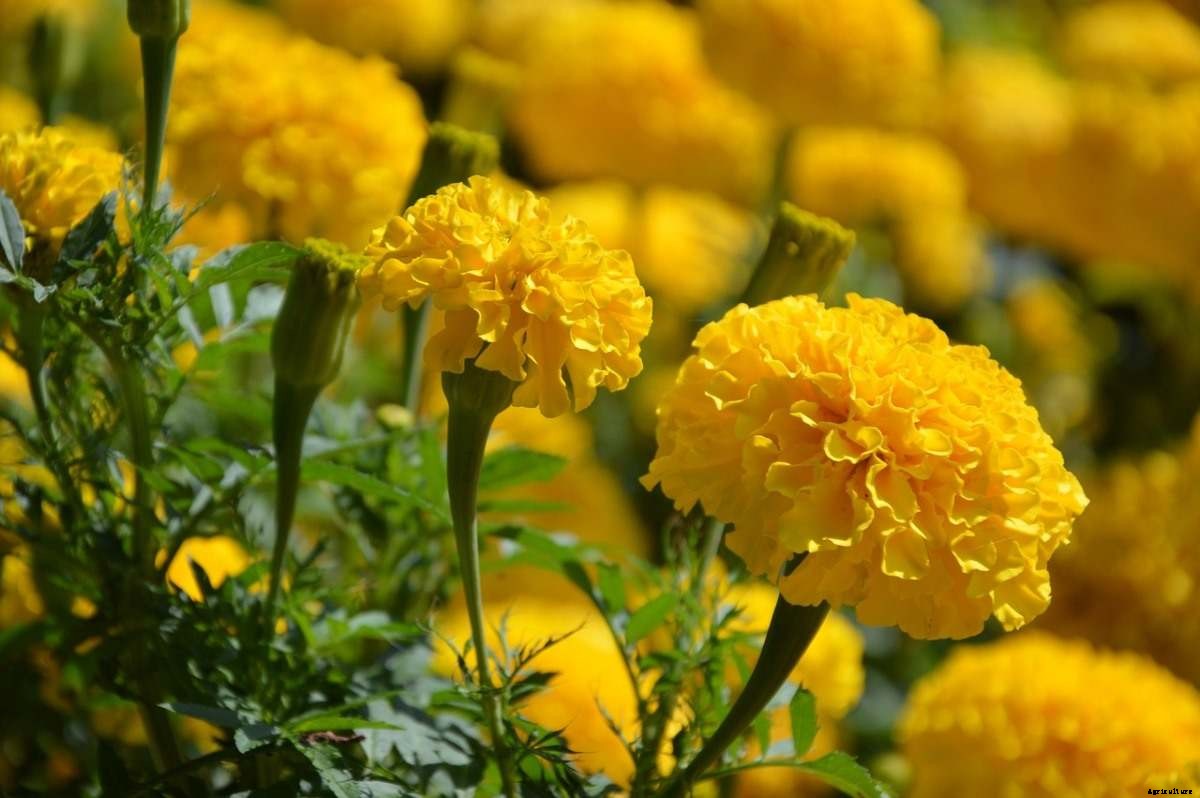
Marigold: Marigold is one of the best plants to grow in hot climates since it requires minimal care. This plant is a typical flowering plant, and the flowers are used for decoration. Marigolds bloom profusely in mild climates. It will grow best at temperatures between 18 and 20 degrees Celsius. The development and flowering of this plant are restricted beyond 35 degrees Celsius.
Creeping Roses: A balcony is not complete without them. They create a vibrant landscape. Your balcony can grow them, or you can support their growth with any support. The Beautiful modern houses are the result of creeping roses, which are rich in aesthetics. They are also available in multiple colors and can be chosen as per the color requirement of house owners. This plant needs bright sunlight.
Chrysanthemum: Mums or Chrysanthemums are among the most popular flowers among gardeners since they are easy to grow and lovely. The sturdy plant can be grown in any climate. However, mums need good soil, regular watering, and direct sunlight to thrive.
Pansy: Pansy flowers are characterized by their rich colors, velvety sheens, and delicate scents. Hanging baskets, containers, and window boxes are all excellent places to grow this flower. A lot of sunlight and fertile soil are necessary for this colorful plant.
Impatiens: The impatiens are one of the few flowers that can grow in the shade. Impatiens are the best choice for shady balconies. It does not mean that you can shade it from the sun. The plant must be exposed to sunlight to produce flowers. This flower grows best in moist, well-drained soil. They are perfect for balconies.
Dianthus: Dianthus comes in various colors, including pink, salmon, red, and white. This beautiful flower releases a sweet fragrance. However, the scent is not overpowering or strong. Easy to grow, this flower will give your balcony garden an attractive appearance, especially if you mix it with other flowers.
Zinnia: One of the easiest plants on this list to grow is zinnias. The flowers of this cute flower are brightly colored and attract butterflies. If you happen to see this blooming flower bloom, it will provide a fantastic view. However, if you want to enjoy its colors, water it regularly and expose it to sunlight.
Petunia: The petunia is a flower with exquisite colorful blooms and a sweet fragrance at night. Purple, pink, violet, red, white, and violet shades are all present in the flowers of this plant. It can be used in a hanging basket or a container. Petunias should receive a lot of sunlight if you are growing them. However, petunias also require fertilization since they are heavy feeders. In addition, it needs moderate watering. Therefore, you should take care to water it and not let the soil become too wet.
Vegetables
There are Four Types of Vegetables we can plant in a Balcony Garden. A balcony garden is a great place to grow herbs, vegetables, and flowers of all sizes. However, avoid planting vegetables that require more space, like melons and giant pumpkins. Among the best plants for balcony vegetable gardens are:
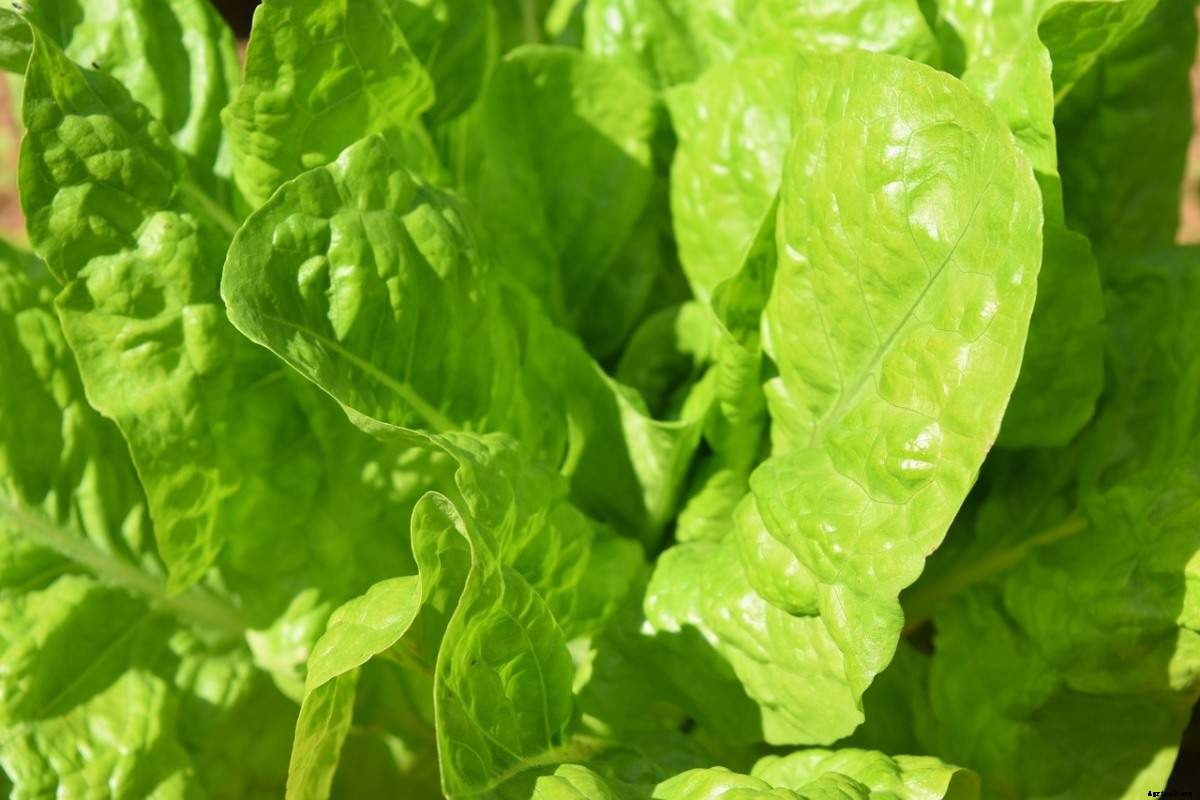
Leafy greens: They are perfect for urban gardens with limited space, such as lettuce, spinach, and kale. Plants can be grown in rows within repurposed rain gutters that are mounted on a wall or railing.
In case if you miss this: Easy Vegetables To Grow Indoors.
Herbs: Basil, oregano, rosemary, and thyme are all easy to grow in a balcony herb garden, and you can harvest fresh leaves whenever you need them. Each herb has its aroma and taste. Choose the ones you use most often when cooking. You can grow these herbs in your garden to enjoy their fresh-from-the-garden taste at your dinner table.
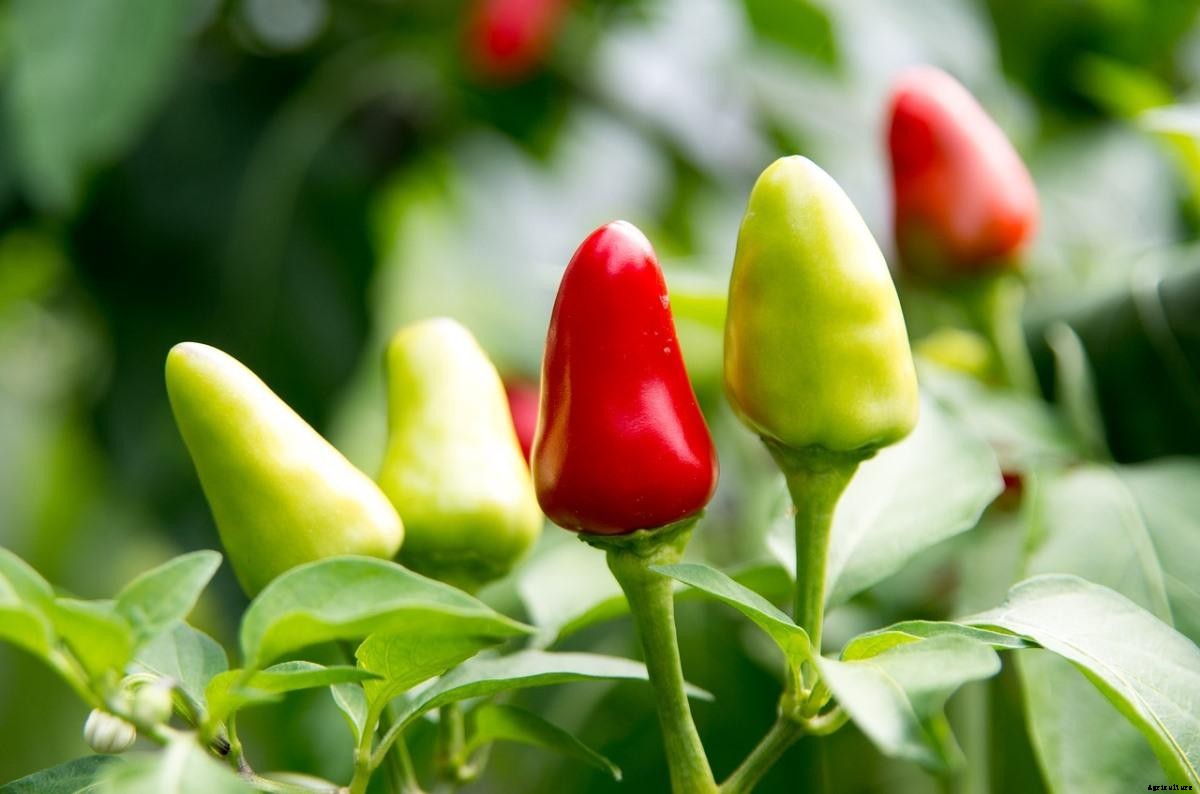
Bush vegetables: Tomatoes, peppers, and sure beans grow well in pots on a balcony.
You may also check this: How To Grow Radish In Greenhouse.
Vines: It can grow vines on a balcony using a trellis or even by using the balcony railing. Plants like pole beans, peas, and passionfruit can be grown in a balcony garden.
Planters and pots: Boxwood, squash, miniature conifers, dwarf fruit trees, carrots, rosemary, onions, garlic, citrus, Datura, bamboo, Japanese maples, pampas grass, aloe, Sansevieria.
Plants for vertical gardens: strawberries, spinach, basil, parsley, lettuce bean, pea vines, clematis, honeysuckle, melons, ferns, spider plants.
In the railing baskets: She-butterflies, Stonecrops, strawberries, lettuce, Sedum, marigolds, pansies, petunias, geraniums, basil, parsley, cilantro, thyme.
Neem Oil: Neem oil is a powerful and great natural pesticide and insecticide covering more than 200 chewing and sucking insects. If used properly, it is completely non-toxic and does not have any adverse effects on plants.
Orange Peels: Oranges contain d-limonene, oil nutrition rated as an insecticide. Orange oil can be used instead of orange peel if you do not have any. Besides this, most of the animals, like cats, don’t like its smell. Boil two-liter of water and add four cups of orange peels to it. Add a few drops of neem oil and insecticidal soap after straining. The orange peel spray is ready.
Tomato Leaves: If you have tomatoes growing in your garden, then make full use of them. Tomato leaves contain compounds called alkaloids poisonous to insects and work as a poison to some pests. About two cups of tomato leaves should be chopped and put in four cups of water. Spray it on the infected plant after soaking it overnight.
1.What is the best way to turn the balcony into a garden space?
To convert a balcony into a beautiful garden space, use the wall space, the grill area, and a part of the floor space. Make your wall décor vibrant with plants
2.How often should we replace soils in pots?
Pots in soil should be replaced once a year, either in February or during the rainy season.
3.How often do you recommend fertilizing?
If the plant is potted in a good soil mix, fertilizing can be done twice a year for perennial plants.
4.Which are the best indoor plants?
Indoor plants don’t need too much sun, thus can stay in the shade or semi-shade areas. Easy to maintain are Syngonnium, Arica Palm, money plant, Chrolophtym, etc. They also are great air purifiers.
5.I love flowering plants, but I don’t know what to do with those pots in the other half of the year?
In the summer, there are various plant varieties, while in the winter, there are others. Therefore, pots can be reused in both seasons. But if you are growing/keeping the only seasonal winter flowers, then during the summers, the pots will be empty. However, the best is to grow greens like Spinach, Fenugreek, Mint, Coriander, Mint in them for that period.
6. Are decorative pebbles harmful to plants?
Yes, Stones hamper the health of plants since they do not allow the soil to breathe and suffocate the roots.
.


