
Welcome to Modern Agriculture!

Introduction to moringa planting and growing FAQs- frequently asked questions: Hello everyone, today we are here with a new topic. Do you want to grow a moringa plant (drum stick) and do you have any doubts about planting a moringa plant? Well, in this article we are here with some frequently asked questions about moringa planting and growing.
Moringa is a fast-growing and deciduous tree that is native to India and even Bangladesh. Once established, they are drought resistant, and they can even tolerate extreme temperatures as high as 48°C.
The Overview Table Of Moringa Plant Is Given Below:
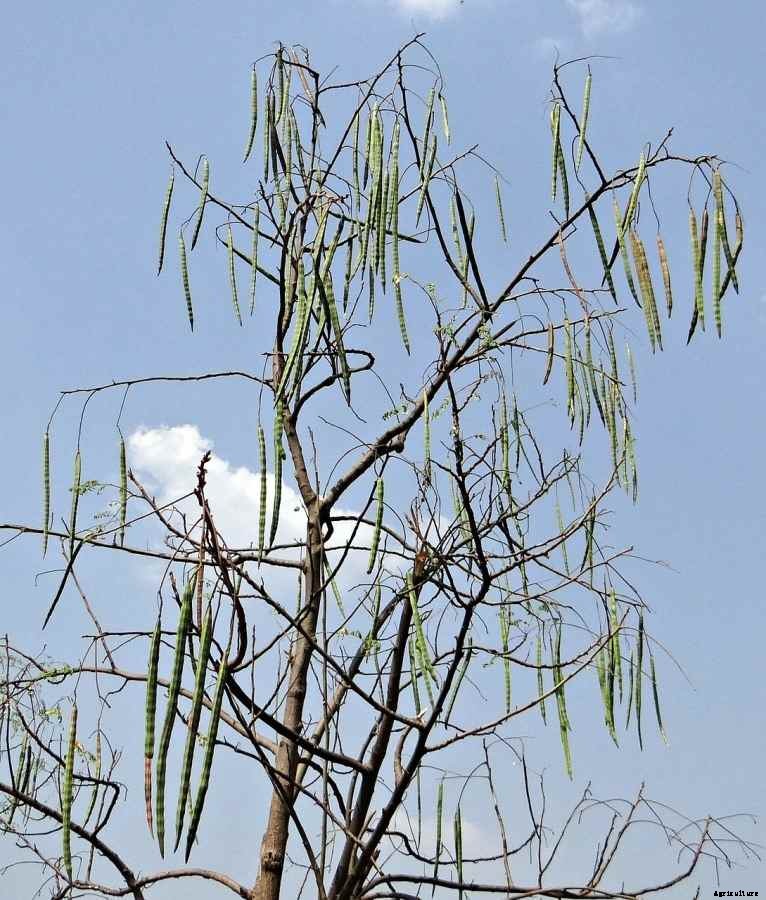
The moringa or Moringa oleifera also called horseradish or even drumstick tree. It is native to the Himalayan foothills in India and even Bangladesh. It is an adaptable plant, the Moringa plant is grown throughout India, Egypt, Africa, Pakistan, the West Indies, Philippines, Jamaica, Cuba, as well as Florida, and even Hawaii.
Wherever the conditions, they may be tropical or subtropical, this tree will survive well. There are over 13 species of the tree and all parts of it are used for food or medicine in various parts of the world. Seeds are usually eaten in some parts like peanuts. Leaves are very commonly used for salads and they even have a very high nutrient value, packed with vitamins and antioxidants.
Now, let us discuss some frequently asked questions about moringa planting
Growing moringa trees is very easy than you think. Whether you are using moringa seeds or even cuttings, the trees grow and mature very quickly.
You need to choose a location that receives plenty of sunlight and then dig a hole that is 12 inches wide and 12 inches deep. After that, you need to backfill the hole with a mixture of soil and fresh compost or manure. After planting, you need to water the freshly planted seed lightly, being careful not to overwater. Moringa seeds will germinate readily within one or two weeks.
Moringa tree loves the sun so make sure they get plenty of direct sunlight. Although the tree is drought tolerant, it can be watered daily, and you should not allow the roots to get soaked for extended periods.
Moringa can easily grow in cold climates and can survive short periods of freezing or even below freezing weather or climate. They go dormant in the winter season, leaves shriveling and falling once the weather drops below 4°C or so. Once spring comes, however, new shoots will begin to form.
Growing Moringa in containers or pots is possible with very good results. Moringa can be grown in containers and containers need to be at least 20 inches and above in size using both seeds, and stem cuttings.
Lifespan: 4 to 40 years, depending on the variety, conditions
Leaf retention: Cold deciduous.
Growth rate: Rapid, usually 10 inches a year. This tree can grow 20 inches a year in favorable conditions.
Moringa tree leaves will turn yellow due to Overwatering or under-watering. They may also yellow due to lack of sunlight or essential nutrients. Leaves may even turn yellow due to a Spider mite infection as well.
You need to plant moringa seeds an inch or 2.5 cm inches, or you can plant branch cuttings in a hole that is at least 1 foot or 31 cm deep. And space multiple trees about 5 feet or 1.5 meters apart.
Moringa has a taproot that is similar to carrots and small feeder roots, but no problematic branching roots. Moringas can be grown as a hedge or even specimen trees. If you choose the container method, then make sure the pot you select is deep enough and use well-draining sandy soil.
Moringa trees usually prefer fertilizers with an NPK of 2:1:1 or 3:1:1, this is 2 to 3 times the nitrogen to phosphorus and even potassium. Alternatively, for potted moringa, you can even add 1 lb. of manure for every 5 gallons of soil. For planted moringa, you need to aim for 1 lb. per 5 square feet of soil and then apply 3 inches away from the trunk.
To grow a healthy and strong plant, your moringa tree will need around 6 hours of direct sunlight. Moringa trees are usually from a tropical climate, so they need the maximum amount of sunlight to grow very well. Keep them in an area that receives full sun throughout the complete day.
You need to water once a week. In the beginning, moringa trees usually require a lot of water. So, water them every day until the seedling emerges, at which point you can begin watering them every other day. Once when they are about 18 inches tall, then you can switch to watering them once a week.
Moringa plant needs to be planted in very well-draining soil. What happens if your moringa plant’s soil is holding the water and gets saturated with water that water will surround the taproot and causes Moringa root rot within really a matter of days and it kills the moringa tree.
Moringa is one of the most fast-growing plants. Its seedling stage lasts the longest and it can take nearly a month or two before it finally passes the 1-foot mark, and the seeds themselves can take 1 or 2 weeks to fully germinate.
It boosts plant health and growth. One of the best fertilizers you will find is Epsom Moringa salts. You need to just mix into your soil and see amazing results. Epsom salts contain both magnesium and even sulfur, these are two very important elements required for healthy plant growth.
In case if you miss this: Capsicum Seed Germination.
Moringa trees can easily grow up to 18 feet in less than six months, making it very hard to harvest leaves and seed pods.
To grow from a cutting follow the following steps:
Dig holes one foot or 30 centimeters square and one foot deep. Again back-fill the holes with very loose soil. Compost or even manure will help the tree to grow well and better, even though Moringa trees can grow in poor soils. Plant three to five seeds in each hole, two inches or five centimeters apart from each other.
Moringa seeds have wings and are nearly about the size of a large pea. Seeds don’t need sunlight to germinate out. You need to soak the seeds for 24 hours and the seed will imbibe the water it needs to germinate from this procedure.
You need to space out ¾ to 1-inch deep holes in the soil. Put a seed in each hole and lightly cover them with some soil type. Once the plants have at least two layers of branches, then it is the perfect time to start pruning. Cut back the tops of the seedlings and then cut the branches back to half their length.
It will take one week for the seeds to start sprouting out. Make sure that the paper towel or the cloth is wet. Once they have sprouted, and then plant the germinated Moringa seeds in a 4-inch mud pot with green sprouts up the soil level. After one month, you can also check whether plant roots are coming out of the bottom of the pot.
If some of those white spots on the moringa plant leaves have fused to become blotches, they should look like white powder. Those white spots on the plant leaves are just fungal structures and the spores that thrive in the warming temperatures and rains of spring.
Loam soil and will tolerate some light frosts. Moringa usually prefers well-drained sandy or loam soil with a neutral pH level. Though it tolerates clay soil, it cannot be waterlogged. You need to choose a sunny location for the tree.
Keep the soil of moringa plants consistently moist, but not too wet. Moringa plants will not tolerate ‘wet feet’ and they are sensitive to overwatering. Established moringa plants are drought-tolerant, but young plants need more consistent moisture to encourage good and strong growth.
Yes, moringa flowers are very small, averaging two centimeters in diameter, and are found hanging in delicate clusters from the branches of the moringa tree. Each flower will contain five soft, thin, and white petals that are sometimes flushed with light yellow and have a drooping quality, growing in multiple directions.
You may also check this: How To Grow Organic Spinach At Home.
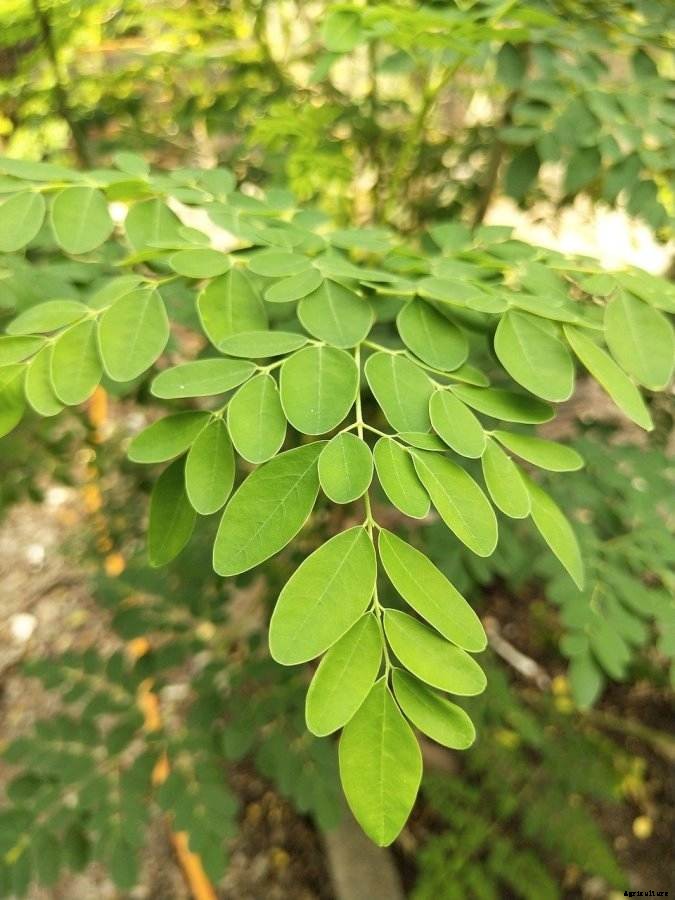
Leaves from high-density moringa fields can be easily harvested after plants grow 1.5 to 2.0 m, which usually takes at least 60 to 90 days in well-drained and fertile soils. Harvest leaves just by cutting leaf stems manually with a sharp knife at 20 to 45 cm above the ground level.
Caring tips for indoor moringa plants are given below:
As it is a warm-season plant, the moringa tree needs to be planted after the end of the cool season. The seeds need to be planted in an area with very light, dry soil, and placed in holes dug 30cm or 1ft deep and 30cm wide.
Assuming a warm climate, sandy loam soil, and even appropriate watering, Moringa trees grow nearly about 1 to 2 feet per month. Within 8 to 10 months, it’ll probably reach nearly about 10 to 12 feet or between 3 to 4 meters.
Moringa can be propagated from both seed pods and even cuttings. If you’re planting moringa from seeds, then germination can take up to 3 to 14 days. They will ideally sprout in a very warm temperature between 21°C to 32°C.
Moringa trees grow well and best in temperatures between 25°C to 30°C and will tolerate some light frosts.
Moringa is very deciduous, so it loses its leaves with the change of seasons. Normally, the trees start to lose their leaves when the cold season arrives and then stops producing new leaves.
You can also grow a dwarf moringa tree by planting regular moringa seeds and dwarfing the tree through complete pruning. Keeping both its branches and even roots pruned will keep the tree to a manageable size, usually about 3 to 4 feet. To best manage root size and then prevent excessive growth, it’s best to grow moringa in a pot/container.


