
Welcome to Modern Agriculture!

Introduction to Growing Cornflowers in Containers and Pots
The Cornflower plant is an herbaceous annual plant that belongs to the Asteraceae family and it is also called a Bachelor’s Button. Cornflower plants are about 30–90 cm tall with also narrow gray-green color leaves; they produce papery flower heads surrounded by bracts. The plants make excellent cut flowers and attract bees and butterflies and other pollinating and beneficial insects. Although blue is the most common color; white, red, pink, and purple color varieties are also available. In this article we also discuss the below topics about growing Cornflowers;
Cornflower plants are easy to grow and flower best in sunny positions. Cornflower plants should self-seed in the fall, but collecting Cornflower seeds is extremely easy, and growing Cornflowers from seeds are a great way to spread them around your garden and with your neighbors.
The following are the different varieties of Cornflower.
Cornflower has been developed into several named cultivars that offer different colors besides the traditional blue form. Usually, mixing different colors in a single planting makes the colors more impactful.
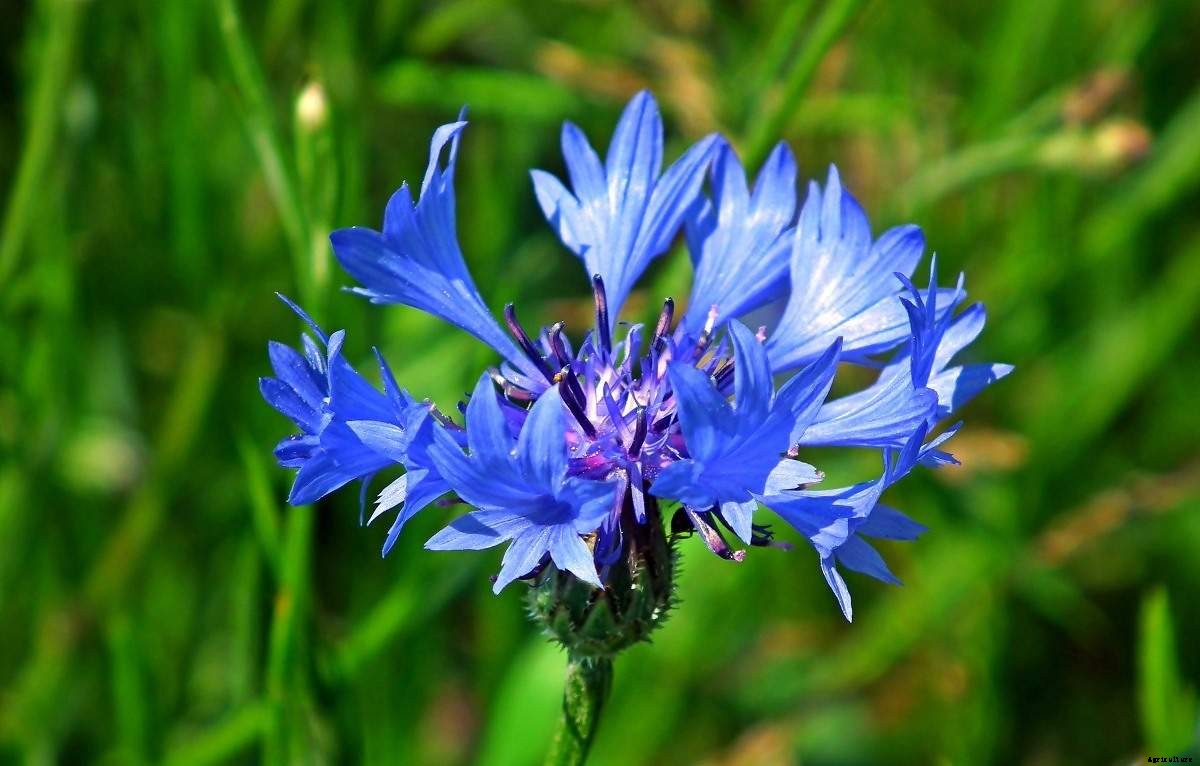
When it comes to temperature, Cornflower plants are fairly agreeable, tolerating both light freezes as well as the hottest summer days. The plants will tolerate humidity, but keep a close eye on them, as it leaves them susceptible to fungal disease.
Cornflower plants prefer full sun but can tolerate partial shade. The plants need lots of light to produce their array of flowers. Temperature-wise, these plants are tough. Young seedlings can tolerate light freezes and often germinate in the late winter and early spring. Weaker plants will die back and hardier plants continue to survive and flourish. These plants tolerate heat, but in the most extreme heat conditions need extra attention to keep them healthy.
Cornflower seeds are very easy and inexpensive to grow in the home garden. These plants produce single or double flowers with fringed petals and gray-green color leaves. Dwarf plant varieties are suitable for edging and borders, while taller varieties are popular in cottage gardens. Though, since taller varieties may not be readily available at local nurseries, planting Cornflower seeds is the only way to get them in the garden. Usually, they are easy to grow both indoors and outdoors.
Seed Depth – Cornflower plant requires sunlight to germinate. Don’t cover them up with more than 1/16 inches of fine topsoil.
Seed Spacing – Plant or thin 6 to 12 inches apart.
Days to Germination – Usually, growing Cornflower from seed takes 7 to 21 days at 18°C to 23°C. Cornflower seeds germinate at the early end of the range.
If you do decide to start Cornflower seeds indoors, do so 6 to 8 weeks before you plan to set them out and grow them in a bright window or under fluorescent grow lights. Then, use deep peat pots to allow for low-shock transplanting, and don’t let them dry out.
Planting Cornflower Seeds Indoors – Cornflower seeds are very easy to sow indoors as well as outdoors. Watch the calendar and plant them accordingly, about 1 month before the last frost or about a month before you’re planning to set them outdoors.
Fill containers or peat pots with your choice of growing medium. Once the containers are filled, moisten the mixture and then allow it to drain. Then, sow 3 to 4 Cornflower seeds per pot and cover with another 1/2-inch of growing medium. Mist the top lightly with water, and then cover containers with plastic bags or sheeting. Place the containers in a warm location to allow seeds to germinate.
After seed germination, remove the plastic and then place the containers under grow lights or in a sunny location. Once seedlings reach 2 inches tall and have one pair of true leaves choose the strongest seedling to keep and then pinch off the others at soil level. Use a water-soluble fertilizer once on all the containers, and then transplant seedlings outdoors when they are 4 inches tall (or less).
Water your Cornflower plants once per week only on weeks that do not receive rainfall. Allow the soil to dry out between watering. Do not allow the soil to become too dry, or the Cornflower plants may flop over. However, the Cornflower plant is drought tolerant and will easily spring back from under-watering.
If your soil is poor then fertilize your plants monthly with liquid manure or compost tea. Most soil types provide ample nutrition for your Cornflower. If you’d like to give them a boost, apply some compost or a balanced slow-release fertilizer before planting seeds. Every month or two spread some compost around the base of your Cornflower plants. This provides lots of nutrition and guarantees you’ll have plenty of flowers throughout the year.
Feed Cornflower plants once per month during the spring and summer months using a balanced flower fertilizer. Refer to the manufacturer’s instructions for proper dosage, and then apply half the recommended dose. The Cornflower plant can be invasive if the soil is too fertile, so avoid over-fertilizing.
Cornflower plants are generally a very healthy and hardy plant when cared for properly. The Cornflower plants can become susceptible to molds, rusts, and mildews if the plants receive too much water and not enough air circulation and sunshine. They are prone to wilting in drought conditions.
Very few pests will bother Cornflower plants. Some types of aphids take up residence on or under leaves. These can be wiped out by applying neem oil on all plant surfaces and the oil smothers eggs and kills the adults.
Mealybugs are another sucking insect that may snack on your Cornflower plant. While Cornflower plants are not their first choice, they still may be at risk. Use insecticidal soap to end their stay.
In addition to these, rabbits will nibble on the leaves of your plants. They may also help get rid of caterpillars or other pests, so consider them to be helpful. Many beneficial insects are drawn to the flowers and ladybugs will help to eliminate aphids. Pollinating insects such as bees will make a garden thrive. Very few diseases will cause damage to your Cornflower.
Getting rid of powdery mildew disease can be a slow process. Neem oil works well but takes multiple applications. Weekly sprayings will reduce the chances of powdery mildew disease or pest infestation. Spread by wind-borne spores, rust also appears. This fungal disease causes yellow or white spots on top of plant leaves. Over time, spores appear on the underside of the leaves and the plant’s growth becomes stunted.
Cornflower makes good cut flowers. When harvesting the Cornflower blossoms, cut them just before the buds open for a longer-lasting display. By using sharp scissors, harvest a full stem, which will encourage new growth to sprout from the base of the plant.
Cornflower plants like to grow in well-drained soil in full sun.
Cornflowers are extremely colorful hardy annuals.
Cornflowers grow and flower best in sunny positions.
If you start Cornflower seedlings indoors, you should transplant them to their permanent garden bed before they grow to more than 4 inches tall. Only, transplant after frost danger has passed. Cornflower plants require moist but well-drained soil and full sunlight to perform their best.
Cornflower plants are a pretty quick flower, having just 65 days for growing from seed to bloom.
Water Cornflower plants once weekly or when the top 6 inches of soil begins to dry.
In case if you are interested in this: Growing Organic Spinach At Home.


