
Welcome to Modern Agriculture!

Introduction to growing Bee balm in containers
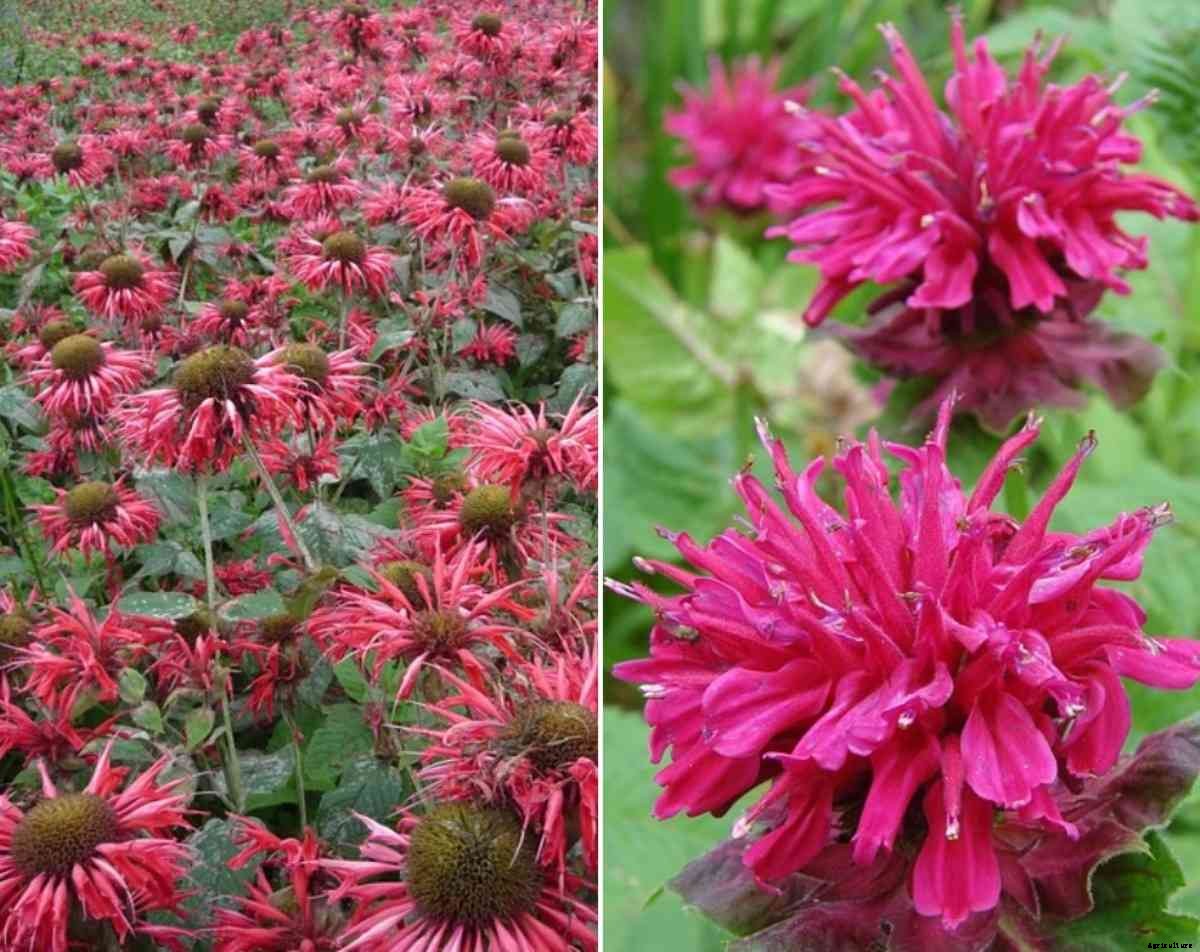
Bee balm is a perennial flowering herb in the mint family and it is also known as Bergamot, Monarda, and Horsemint. Bee balm plant provides a centerpiece in a potted butterfly or bee garden. The Bee balm plant produces pom-poms of purple, pink, white, or red flowers that stand above the bright green foliage. It grows between 2 and 4 feet tall, making it a suitable choice for a larger pot. Bee balm is a member of the mint family and a popular plant for attracting hummingbirds and butterflies. These growing tips will help beginner gardeners establish these well-loved plants in a cottage-style garden. In this article we also discuss below topics;
There are many commercially varieties of Bee balm available. Of course, plant varieties featuring a spectrum of blossom colors can be found within each category. The three most common are;
Standard-These Bee balm plants can grow up to 5 feet tall, making them the perfect choice for those areas of your garden that would benefit from fuller foliage and a bit of height. Standard varieties contain Cambridge Scarlet, Blue Stocking, Panorama Mix, and Wild Bergamot.
Dwarfed-Bred for their compact profile, averaging 10 to 24 inches tall when fully mature, Petite Delight, Grand Marshall, and Fireball are good choices for container gardens.
Mildew-resistant-Perhaps the one downside to Bee balm is its susceptibility to powdery mildew, particularly when grown in warm, humid climates. Though, it is possible to select mildew-resistant varieties, such as Marshall’s Delight, Violet Queen, Jacob Cline, Purple Rooster, and Gardenview Scarlet. These are mainly good options for gardeners living in the south.
Bee balm likes full sun but grows well in partial shade in warm regions. Plant it in a location that is open and has proper air circulation and Bee balm does best in full sun. While it will grow in part shade, it tends to stretch and become leggy over time.
Bee balm plant does best in evenly moist soil rich in organic matter. Bee balm can tolerate lighter soil, but richer soil will encourage taller stronger specimens. Boggy conditions are not tolerated, nor are soils that are allowed to dry out for long periods. Bee balm likes well-drained soil that is rich in nutrients, so it is preferable to add a large amount of compost during planting. Space Bee balm plants about 18 to 24 inches apart in an area with full sun and fertile, well-drained soil with a pH of 6.0 to 6.7. Improve native soil by mixing in several inches of aged compost or rich organic matter. It can withstand a dry spell, but for best results, water whenever the top inch of soil becomes dry.
In case if you miss this: Growing Hibiscus Plants in Pots from Cuttings, Seeds.
Some of the new dwarf Bee balm varieties for container growing like;
Process of growing Bee balm in containers;
To begin, you should purchase a rich and fertile potting mix, as well as starter pots before planting. We recommend peat pots, while they will prevent root shock when transplanting later on. Sow 4 to 5 Bee balm seeds per pot, 6 to 8 weeks before the last frost. The seeds will need direct lighting to germinate properly, so we suggest not burying Bee balm seeds with topsoil. Water the seeds daily by misting them with a spray bottle. Because temperatures must be above 70F as mentioned above, you might consider moving the pots on top of the fridge at night to keep them nice and warm. And another neat trick to retain moisture is to cover the pots with cling wrap as well.
Transplant Bee balm plants into the garden when the weather is warm and all danger of frost has passed. If you used peat pots as we had recommended, you can transplant the entire pots into the earth, as peat pots are made from organic peat moss. The pots will eventually break down in time and the plant roots will shoot right through them.
Bee balm seeds are known to germinate in about 14 to 28 days after sowing. Most plants reach a mature height of anywhere between 2 to 4 feet tall, however, some selections will only grow to 1 or 2 feet tall. Refer to the seed packet for the exact height, for each of the varieties you are trying to grow. The plants will grow to a width of roughly 1 to 2 feet wide and can be spaced anywhere between 12 and 18 inches apart from one another. Bee balm plants are technically in the mint family, they do not grow as an invasive species like peppermint or spearmint.
There are many different ways to propagate Bee balm. Bee balm can be grown from seed, cuttings, or divisions.
It can take a long time for seeds to germinate, and anywhere from 10 to 40 days is normal. It is necessary to stratify seeds before planting. A close up of a light purple flower, with long thin petals tapering at the ends, purple and green leaves just below the flowers, on a soft-focus light green background. To do this, place seeds in a plastic bag full of sand to keep moisture and set it in your fridge for at least a month. Remove the Bee balm seeds from the fridge and broadcast out in the garden in the early spring, a few weeks before the last frost. Amend the soil with a bit of compost and seeds require light germination so there is no need to cover them.
Take cuttings of new Bee balm plant growth from the tips of the stems in late spring. Cut tips no more than 6 inches in length just below a set of plant leaves. Remove the lower set of plant leaves and dip the cutting in rooting hormone. Then, stick the cuttings 2 inches deep into a small pot filled with perlite, vermiculite, peat moss, or a combination of these materials. Water well and place the cuttings in a plastic bag. Once the Bee balm cuttings root, then remove the bag and repot the cuttings in potting soil. Put them in a sunny window and keep the soil lightly moist until you are ready to transplant outdoors.
You should not miss this: Growing Ginger Hydroponically.
Perhaps the easiest method to plant Bee balm is by division. Carefully dig up any plants in spring that you wish to divide. Gently shake off loose soil; cut through thicker roots with pruning shears, and carefully pull sections apart, making sure that each division has enough roots attached to re-grow, at least a few inches of root on each piece. Trim any broken or damaged stems, and replant in garden beds or pots.
Bee balm plant can get powdery mildew. To avoid mildew, plant where there is good air circulation and avoid overhead watering. And, cut back plants in the fall, remove old stems, and clean up old mulch.
When planted in ideal conditions, the Bee balm plant is relatively carefree. The main problem is powdery mildew that develops on flower buds and foliage. The gray powdery film is not fatal, but can stress plants and then cause leaf drop. Too much shade, lack of air circulation, or high humidity can increase mildew and other fungal diseases that are rust and leaf spot. To combat mildew removed affected leaves and dispose of in the garbage rather than compost pile to prevent disease. Apply an organic remedy according to instructions and poor soil drainage can result in root rot. Insect problems include stalk borers, spider mites, whitefly, slugs, and thrips.
Pick Bee balm flowers in summer as they appear and you can cut whole stems of Bee balm to enjoy the flowers in a vase. Pick Bee balm flowers for drying just before they open.
Bee balms spread rapidly by underground stems or stolons. Also, the centers of the clumps often die out within a few years, and to control their spread and rejuvenate the plants, it’s usually necessary to dig and divide Bee balms every 2 to 3 years. Dig up the Bee balm plants as soon as they emerge from the ground.
Bee balm plants are perennial, coming back year after year to add cheerful color to the garden.
Bee balm plants perform best in full sun. While Bee balm plants tolerate partial shade, they won’t flower as heavily and are more susceptible to powdery mildew. They prefer moist, well-drained soils.
Bee balm seeds are known to germinate in about 14 to 28 days after sowing.
Most Bee balm plant varieties are perennials and will grow on average to well-drained soil in full sun. You can grow Bee balm from seed, but it establishes quicker when planted from divisions from the garden or purchased plants from the local garden center.
In case if you are interested in How to Start a Food Packaging Business.


