
Welcome to Modern Agriculture!

Introduction to growing succulent plants in pots
Succulent plants are also known as Succulents. Succulents are types of plants that have thick, fleshy leaves. Most Succulent plants are very easy to propagate from stem cuttings, dividing small plants, and rotting leaves. Succulents are popular plants. They have got gorgeous shapes and colors, plus they’re drought tolerant. But not everywhere is the ideal place for Succulent plants to grow.
In this article we also discussed below topics;
Succulent plants are a trendy decorative addition to any home. This diverse group of plants offers endless color variations, as well as low maintenance options for indoor space. Most Succulents require a wet environment to survive, but Succulents can store water for longer periods. This ability makes Succulent plants practical to grow in the dry and warmer conditions typically found in the home. Succulent plants are perfect plants for beginners. Coming in a variety of shapes, sizes, and textures, Succulent plants have an enticing quality.
In case if you miss this: Growing Dragon Fruit from Cuttings, and Seed.
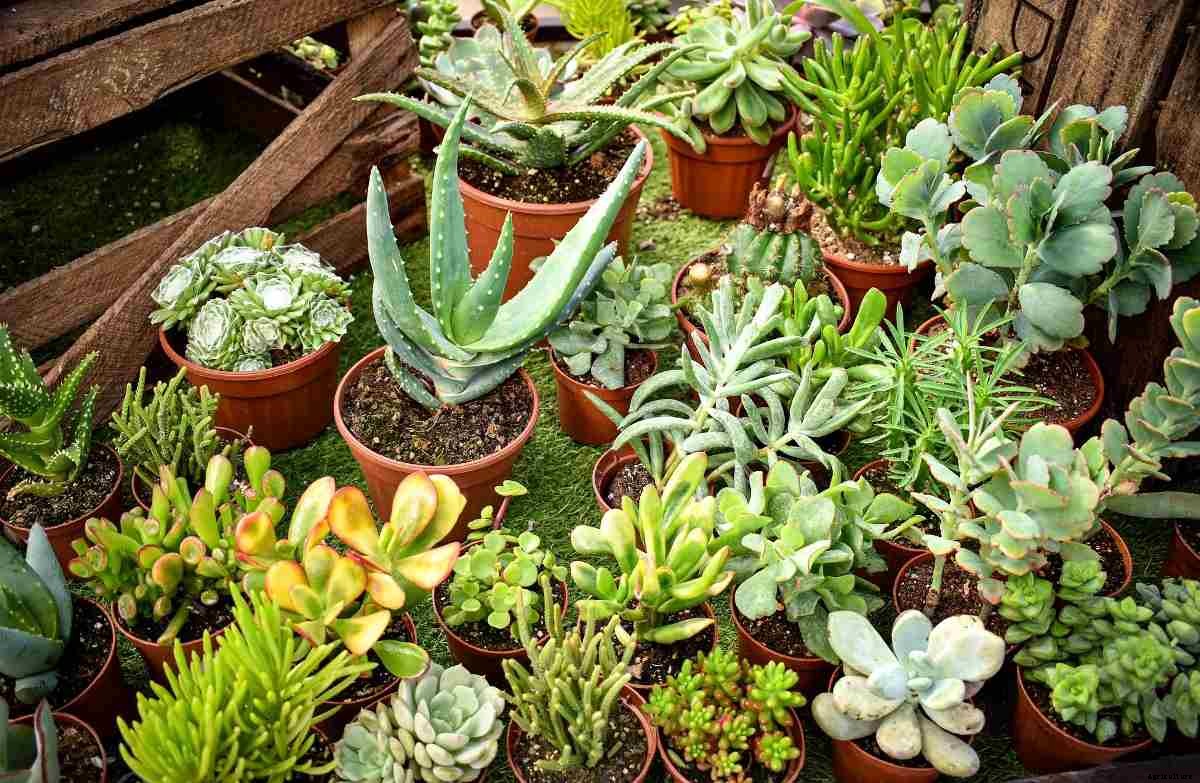
Succulent plants need good draining soil. When planting succulents in the garden, make sure the area drains well and is not in a low spot that would stay wet. For container planting, you can purchase cactus soil or incorporate sand, gravel, or volcanic rock into potting soil for better drainage. The container you are planting in should have a drainage hole or you can put a layer of crushed rock on the bottom of the container before you put in your planting medium. Gravel or small pebbles spread on top of the soil can be decorative.
Not all Succulent plants are suited for indoor growing. Choosing Succulents that don’t like full sun, but prefer shade or low light will make a big difference in the success of indoor Succulent garden.
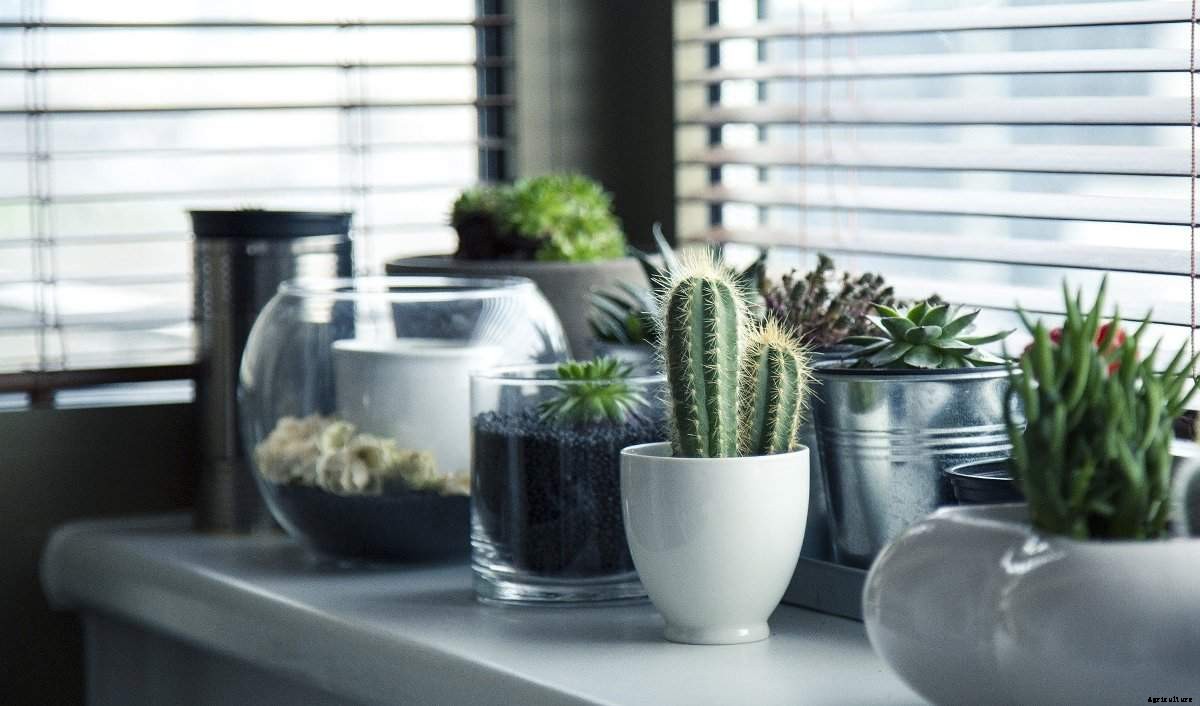
Most Succulents like direct sunlight, but if all you have is a shaded corner in the house, go with low light-tolerant plants like mother-in-law’s tongue. If you plan to grow Succulent in a hanging planter, a trailing variety like a string of bananas is a great choice. Always read the plant labels to determine the sunlight needs, size, and spread of Succulents.
Nurseries always plant Succulents in soil that’s too rich and retains too much moisture, so you’ll want to repot Succulent as soon as you bring it home. First, start with a coarse potting mix with good drainage. You can find special cactus and Succulent mixes at the nursery, or also use an African violet mix. To further improve the drainage system, add perlite or pumice to the cactus or African violet mix that means up to 50% of the total potting mix, depending on particular Succulent’s moisture needs. And always wet the mix before using it to ensure it’s evenly moist.
When repotting, use a container that has a drainage hole and at least 1 to 2 inches larger than the nursery container. Fill the bottom one-third of the container with a pre-moistened potting mix, and then position plant inside and backfill with more pre-moistened potting mix.
Succulent plants don’t like to sit in waterlogged soil, so drainage is important to prevent rot. Your container must have a drainage hole to allow excess water to escape. Though, terra-cotta pots are ideal for beginners.
Most Succulent varieties want at least half a day to a full day of sunlight. Succulent plants grown in too much shade will stretch looking for more sun. Growing Succulent plants with enough sunlight will promote beautiful colorful Succulent plants.
You should not miss the Growing Bay Leaf Plant from Cuttings, Seed, Propagation.
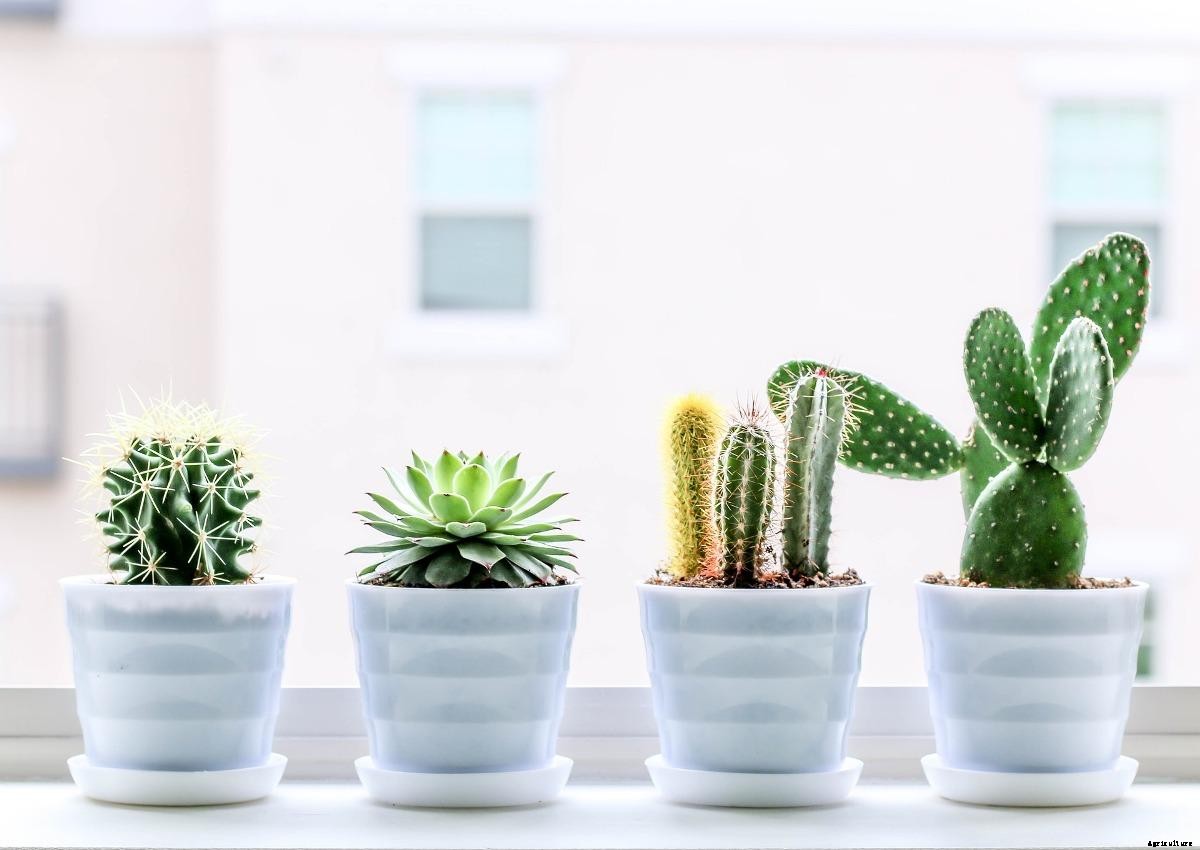
When Succulents are indoors it’s hard for them to get enough sunlight. Outdoors they normally need about 6 hours of bright, indirect sunlight each day. However, indoors, you’ll want to place Succulents near a window that gets light all day. If this isn’t an option, place Succulents near the brightest window or brightest area of your home or office.
Planting Succulent plants indoors is not done much different from other plants in pots. Make sure pots have drainage holes, or plan to lay them on sides after watering to allow excess water to drain out.
When planting succulents in pots, select a well-drained potting soil such as a ready-made cactus mix. Gently loosen other soil, and sift new soil around the plant roots, using fingers or blunt end of a pencil to tamp it lightly as you go. Then, cover the surface with sand or gravel or grit, and then allow the plants to dry a few days before watering.
The biggest problem new Succulent grower’s face with keeping Succulents alive indoors is watering. Succulent plants need a surprising amount of water to thrive. Though, they don’t like to be watered as frequently as most indoor plants.
Succulent plants like to have their roots soaked with water but then dry out quickly. Then, watered plants again after the soil has been dry for a few days.
Seed tray – Seed tray needs to be a few inches deep. It can have sections or just be a flat pan. However, it should have drainage holes. You can buy a seed tray online, or also you can make your own from a disposable food container.
Well-draining soil medium – This can be a half and half mix of potting soil and something coarse such as pumice or sand. You can use a pre-made Succulent mix.
Succulent Seeds – Choose good and viable seeds.
Misting Bottle – This is a great way to keep the soil moist without overwatering.
Growing Succulent plants from seed require patience. When Succulent seeds sprout in a few weeks, remove the covering and continue to keep misted. Then, give them limited, dappled sun at this point, if possible. Let the plants continue to grow and transplant into individual containers when a good root system has developed. Care for them as you normally would and enjoy new, unique, and interesting plants.
Succulent seeds are small, so you will want to do this step in a sheltered area where the wind won’t blow them away. Dampen the surface of the soil so that the Succulent seeds stick to the soil. Carefully spread the tiny seeds over the surface of soil mix, giving them some space in between each other. (Space between will depend on the type of Succulent plant you’re planting. Keep in mind their mature size when considering how far apart you will want to space them.) Use a toothpick to gently spread them around. Do not cover the seeds with soil.
If you’re growing more than one type of Succulent at a time, recommend separating each type into separate trays. While they will have varying germination times, this makes it easier to give them the appropriate amount of sunlight and water depending on their growth stages. Cover tray with a clear lid or plastic wrap. Set them in a brightly lit location but out of direct sunlight and make sure the temperature stays at about 21°C. Keep the soil moist but not wet, as too much water can drown seeds. Open the lid twice a day to keep air moving. If you’re using plastic wrap, you could want to poke some ventilation holes with your toothpick.
For the right amount of moisture, water seeds from below. Put the seedling tray in a slightly larger tray that’s filled with water. The soil will continuously absorb the water through the drainage holes in the seed tray and this method keeps the soil consistently moist without washing away the seeds.
To grow a new Succulent plant from a leaf cutting, follow these below steps;
You may also like Growing English Ivy Plant.
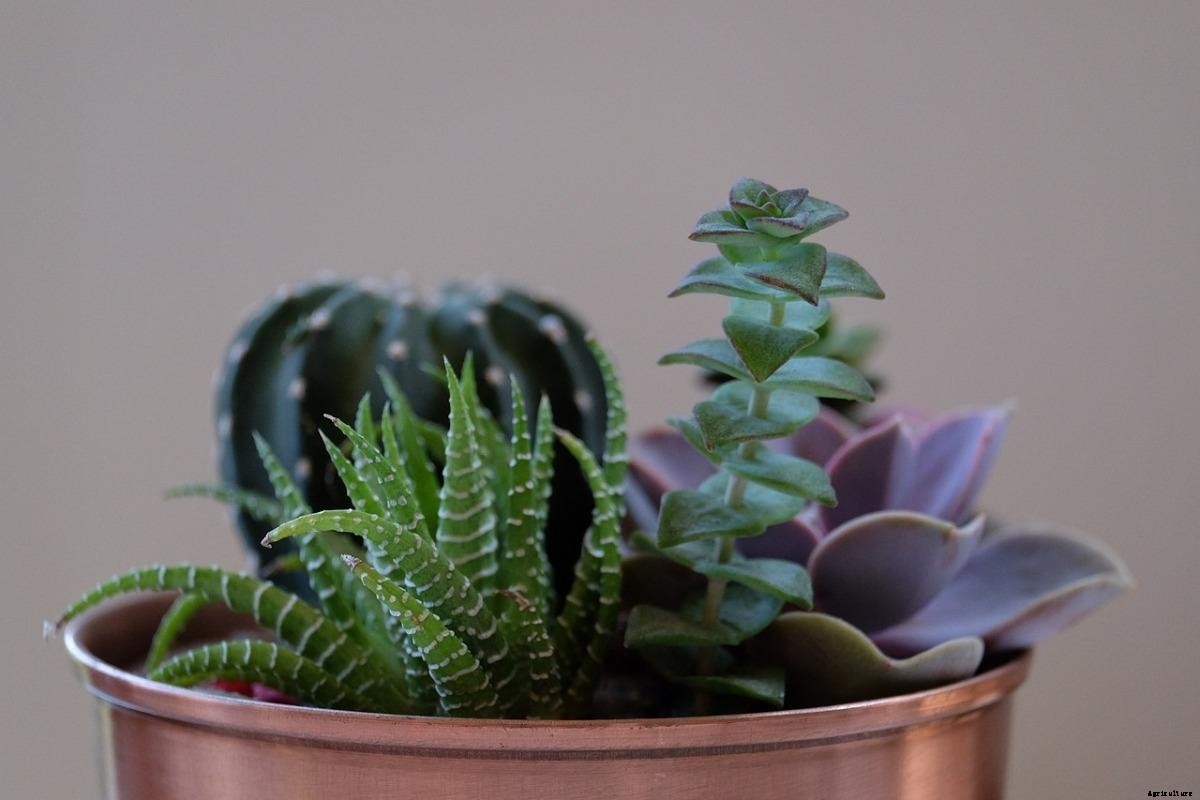
Each type of Succulent plant will take a different amount of time to germinate. Look at the information included with seeds to determine when you can expect to see signs of growth.
Once you do see sprouts, you’ll want to make sure seeds have plenty of airflows, but still keep the soil wet. Then, if you had a lid on your starter tray you’ll want to remove it.
Pests shouldn’t be a problem for indoor Succulents, but occasionally you could have to deal with bugs. Gnats are attracted to Succulent plants that are planted in soil that is too wet and doesn’t have proper drainage. Then to get rid of eggs and larvae, spray the soil with about 70 percent isopropyl alcohol. Mealybugs are pest Succulent owners have to deal with. Overwatering and over-fertilizing are the causes of mealybugs. Move infected Succulent plants away from other Succulents and spray with 70 percent isopropyl alcohol.
Succulents don’t require much fertilizer, but you can give them light feedings during the spring and summer growing season. Be careful not to over-fertilize this can cause Succulent to grow too quickly and become weak.
You can also consider the Growing Vanda Seedlings, Propagation, Plant Care.
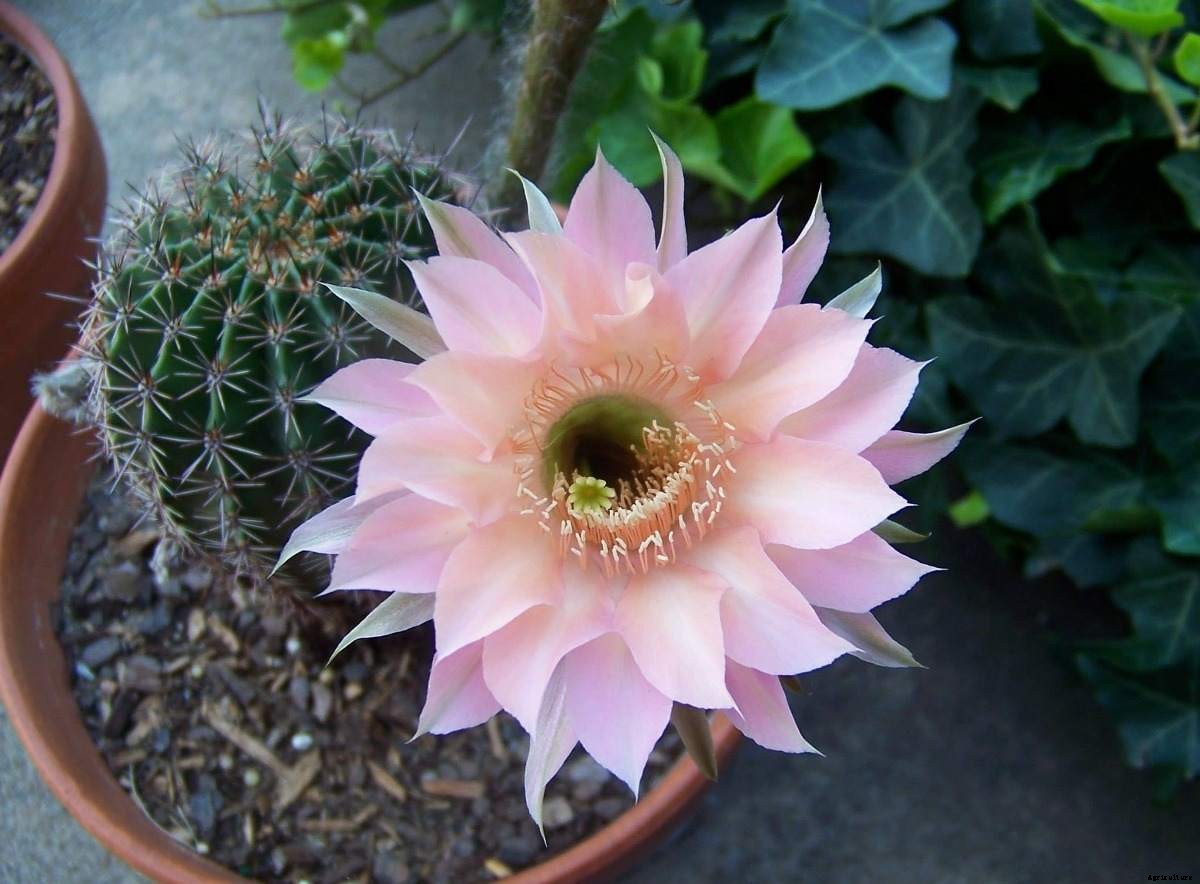
Succulent seeds can be started indoors in light, moist soil, but grow more slowly and don’t reach transplant size until six months to a year after germinating.
Like many plants, the lowest plant leaves on the stem (closest to the potting mix) will eventually shrivel up and drop. This is normal and nothing to worry about. If the topmost leaves are dying, it can indicate overwatering, pests, or disease.
A container without any drainage holes is possible to use, however it must not be left where it may be rained on or drowned. Watering should also be closely monitored in these types of pots. Succulent plants have shallow roots, so a shallow bowl or pot works well.
The most delicate part of a Succulent is its leaves. If possible, avoid touching these leaves.
Succulents are generally put in small and tight pots; they will eventually outgrow their pot and need a bigger pot to grow better. The roots are too tight, and sometimes they can stick out of the potholes for more space.
While dead leaves at the bottom of Succulent are perfectly healthy, dead leaves on the upper parts of new growth are a sign of a problem usually over- or under-watering. If your plant’s leaves are starting to look yellow and transparent, and feel soggy or mushy to the touch, it’s suffered from overwatering.
Yes. If you lost a lot of leaves from overwatering, the Succulent plant will eventually recover as long as it is not rotting. When given a chance to dry out, you will soon notice a new growth or tiny plant leaves along the stems. You will notice new growth from the sides, the top, or even the bottom of the plant.
The common reason for brown leaves on Succulents is sunburn or sun damage. If you’ve recently moved the plant to a bright location, or if you’ve recently had a heatwave or intense heat and you notice your plants have brown spots on their leaves, these spots are equivalent to sunburn.
Succulent plants need pruning just like any other kind of garden favorites, for size control, to shape them better, or to propagate them for more plants. Most Succulents can seal off damaged parts, it is always good to quickly remove diseased or dead leaves, stems and flower stalks.
These succulent plants give beauty to your home garden or indoors. Surely you can try growing them. You may also like to check the Eggplant Flower Drop, Reasons, Control Methods.


