
Welcome to Modern Agriculture!

Introduction: Hello gardeners today we have a great information of growing green chillies in pots. The key to successfully growing a chillie plant in pots is to ensure it gets plenty of light, heat, moisture, and humidity. Chillies grow well in containers but they do have some specific needs.
All types of chillies perform well in pots and require the some care. Green chillies (Capsicum annuum) are red chillies but that are harvested before they turn red. These peppers are more often referred to as green chillies and come in several varieties that vary in pungency from mild to very hot.
Choosing the right pot is a very important element of growing a plant to its full capacity. A 16 to 18 inches pot would be ideal for growing chillies, or you can even use a container of similar dimensions. Once the chillie seeds have germinated in the seed tray, pick out the saplings and plant them separately in pots.
The container should have drainage holes in the bottom since green chillies don’t like to sit in standing water. They produce best in premium, well-draining potting mix mixed with about 3 inches of aged compost. Each plant should have its container, and they must be planted at the same depth as the seedlings were in their containers. And cover the soil surface with a 2-inch layer of wood chip mulch to conserve moisture.
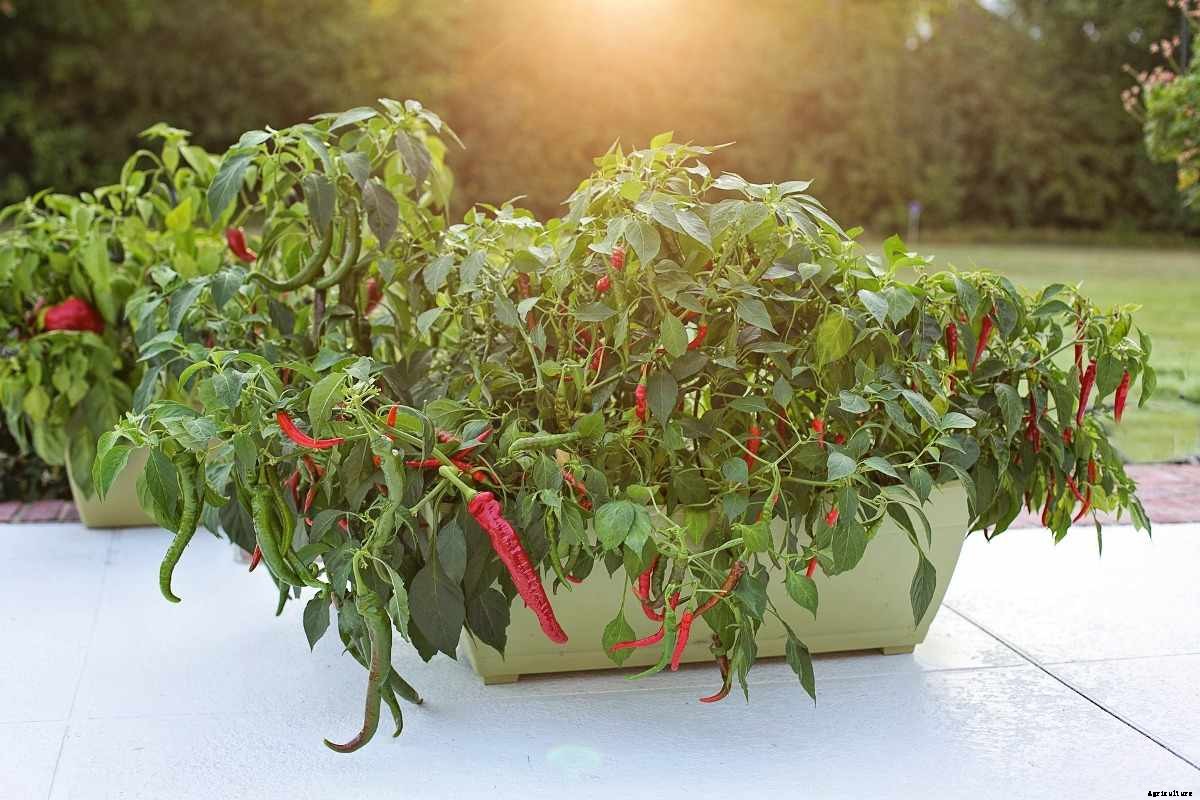
Good soil is the key to productive chillie plants. Buy the best quality potting mix that is well-drained and loose, or also make your own. It should be rich in organic matter and fertile. For this, you can add well-rotted manure or compost into it at the planting time. It’s a good idea to mix 5-10 gm of neem cake at the time of soil preparation; it will protect the young plants from soil-borne diseases and pests.
You should not miss the How to Grow Plants in Plastic Bottles.
The soil in your garden could need to be altered slightly to produce the biggest, healthiest, and heartiest crop of chillies. Green chillies prefer soil that has good drainage and that has plenty of nutrients. Therefore, mix a bit of sand into soil to help it to drain better, and incorporate it in the compost a few weeks or months before planting. If the soil has poor or average drainage, you can enhance it by mixing in a bit of sand. If potassium is not already present in sufficient amounts, then you’ll notice a significant development boost if you increase the amount of potassium in the soil as well. Always test your soil first and if your soil is low in potassium, then visit a local nursery to choose a fertilizer that has lots of potassium and little nitrogen (like a 0-20-0 blend).
Test the pH level of your soil and determine if you need to make further adjustments; Green chillies like soil that has a neutral or slightly acidic pH of 6.5-7. The further in advance, you can prepare your soil, the better your Green chillies will grow.
Green chillies grow best in temperatures between 70 and 85°F. When temperatures are outside of this range, the chillies tend to drop their flowers. They require full sunlight for the best growth.
Sprinkle two or three Green chillie seeds onto the soil in the seed starter cell. This will ensure success even if some of the seeds don’t germinate and cover the seeds with a thin layer of extra potting soil or compost.
Indoors, you may have better luck growing smaller Green chillie varieties, such as habaneros, cayenne peppers, and pequins.
Once the chillie seeds have been planted, water the soil. This will ensure good seed to soil contact and encourage the germination process. As the seeds germinate over the next 2 to 4 weeks, keep the soil moist, but not soggy, as the seeds germinate and sprout.
Plant the chillie seeds at the end of winter for the best results. Most people start their chillie seeds indoors at the end of March as it begins to turn warm, or you can wait until April. It’s best if the seeds start indoors so that the plant obtains a head start before you plant it outdoors.
Chillies don’t do well in frost, which is why it’s important to wait until the threat of frost has completely passed for the season before you plant them outside. It takes the seeds 2 to 4 months to grow and produce fruit, which is why it’s important to start early.
Choose a nutrient-rich potting soil from the local garden store and fill each cell of a seedling tray with the soil. Fill the cells roughly three-fourths of the way full with the potting soil, and make sure the cells have holes at the bottom for drainage.
Seedling trays are perfect for sowing seeds as you can fill each 1 in (2.5 cm) cell with individual seeds and monitor their growth simply. Look for a chillie seed starter soil blend, if desired.
Transfer the plant to a larger pot or container once the seedlings are 4 cm (1.6 in) tall. An 8 to 10 in (20–25 cm) pot works best, though you can use one that’s a bit smaller and transfer the plant again later on if needed. When you move the plant to the larger pot, add in some fresh soil and water the soil well once you are finished. It should take roughly one month for the seedlings to grow tall enough to be transplanted. Feel free to put this pot outdoors instead of just inside the house.
One way to help ensure the water drains well is to sprinkle coarse gravel at the bottom of the pot or container. This makes it easier for the water to drain out and the pot’s drainage holes won’t get clogged with soil as simply. Always check the pot to make sure it has adequate holes for draining. If you’re setting the plant indoors on a table or windowsill, put a dish or tray underneath the pot to catch any excess water.
You may also like the How to Grow Betel Leaf Plants in Pots.
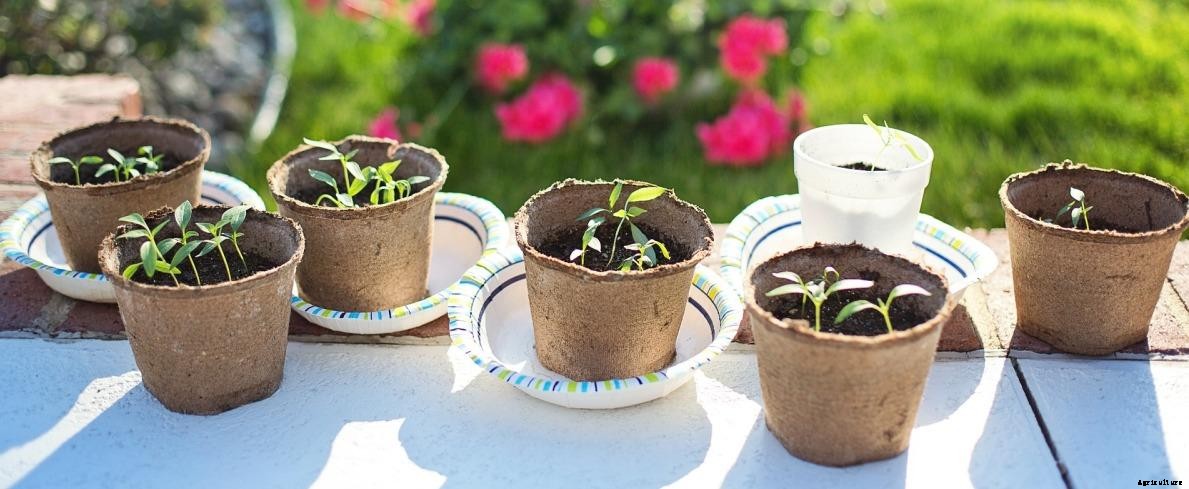
Green chillie plants need regular fertilization with a water-soluble, all-purpose fertilizer such as 8-4-4 mixed at a rate of 1 tablespoon in 1 gallon of water. Use this fertilizer solution in place of one watering. Carefully apply it at planting time, then once a week or every other week. Use enough of the solution so it drips through the bottom of the pot or container. Water the chillies deeply when the soil feels dry at a depth of 1 inch. And avoid over-watering to prevent root rot. If your plants grow too tall or become leggy, use a tomato cage or stakes and twine to support the chillie plant, but insert the support along the inside edge of the pot to avoid root damage.
Aphids are a common pest of Green chillie, and they’re identifiable by their tiny, soft bodies that range in color from cream and yellow to green and brown. They generally cluster on the undersides of leaves and sometimes leave a sticky residue on the plant known as honeydew. To control them, spray all parts of the chillie plant with a pre-mixed insecticidal soap to the point of dripping once a week. Do this in the morning so the soap doesn’t dry too quickly during the heat of the day and stop applying it once the pests are gone.
Incase if you miss this: How to Make Vermicompost at Home.
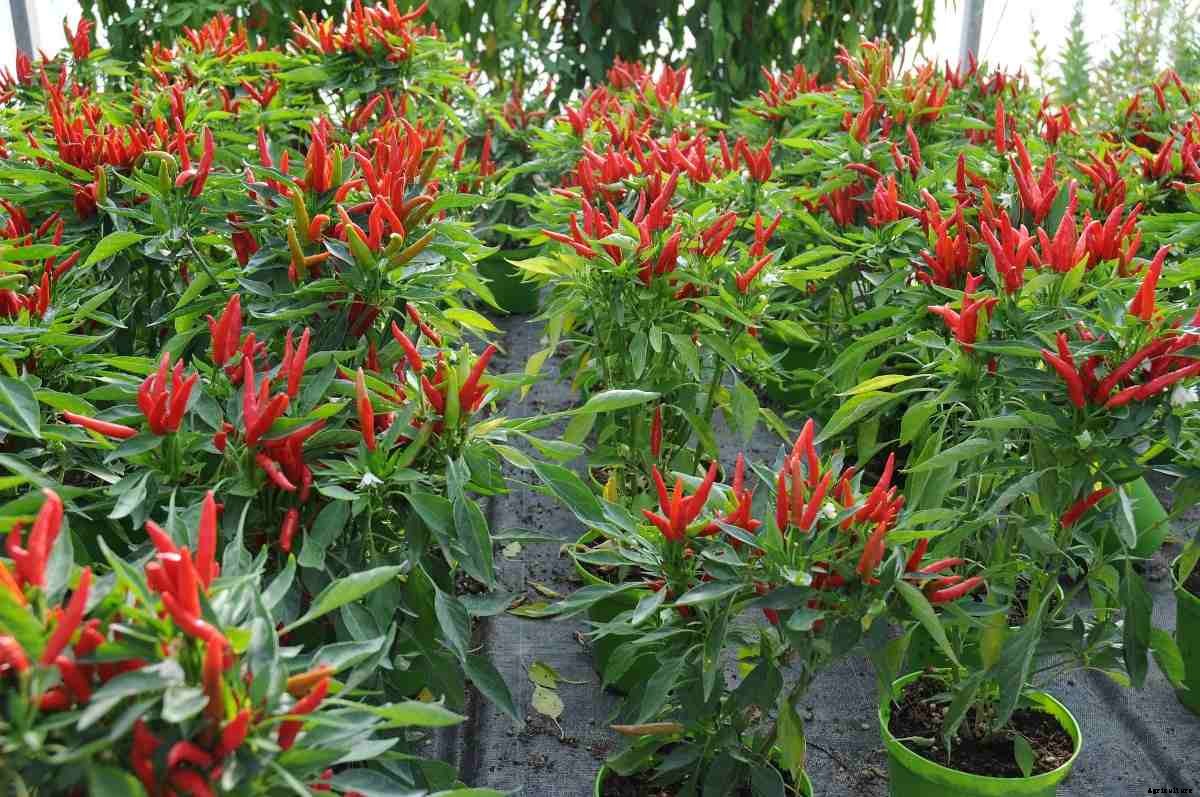
A high potassium or potash (K) feed is excellent for fruiting chillies (The potassium will help them fruit). You can make own feed from comfrey leaves or use a tomato feed. If you can use tomato feed, use slightly lower concentrations than suggested for tomatoes.
After heavily harvesting chillies, a balanced liquid feed (one with equal N, P, and K – see the side of the bottle) can help it to recover and put on new growth.
Green chillies typically mature fully between 75 and 80 days. When you harvest chillies, wear gloves to protect your hands from the spicy oils. Snip off the chillies at its stem with a pair of scissors or pruning shears to avoid tearing the plant. Disinfect the scissors or pruning shears by dipping in isopropyl alcohol and allowing them to air-dry before cutting. Wash the chillies before eating them.
That’s all folks about growing green chillies in pots, contianers. Keep growing hot chillies in home garden. You may be interested in How to Find Soil Health.


