
Welcome to Modern Agriculture!

Today, we discuss the topic of urban apartment gardening ideas and tips. Gardening in an apartment can be enjoyable and fulfilling. Raise houseplants in your apartment with confidence by following a few simple care tips and ideas. Living in a condominium or an apartment with a balcony gives the chance to explore the world of container gardens and alternative garden design.
What plants can you grow in an apartment?
Herbs – Herbs are everyone’s first preference. While they do grow well in containers, they will not get as large and bushy as they would outdoors and you can have to replace them if you harvest frequently. Some top choices consist of mint, chives, parsley, lavender, basil, and thyme.
Salad greens – Salad favorites like lettuce, spinach, and arugula are quick growing, shallow-rooted plants in apartments. They can develop in less than ideal conditions, providing they get plenty of water.
Tomatoes – Tomato plants can get large and heavy, but they develop well in pots. They will do best in a container that is at least 30 inches in diameter but can grow some of the patio varieties in a hanging basket.
Chile Peppers – If you like heat, hot peppers develop very well in confinement. Indoors or out, they can set fruits year round. Hot peppers do better than sweet peppers in containers.
Meyer Lemon – Some of the easiest fruits to develop in a container are dwarf citrus trees. Meyer lemons do very well indoors if they get 6 to 8 hours of sun and some humidity. Put something underneath the pot to protect floors and furniture. Lemon trees give off a sticky sap.
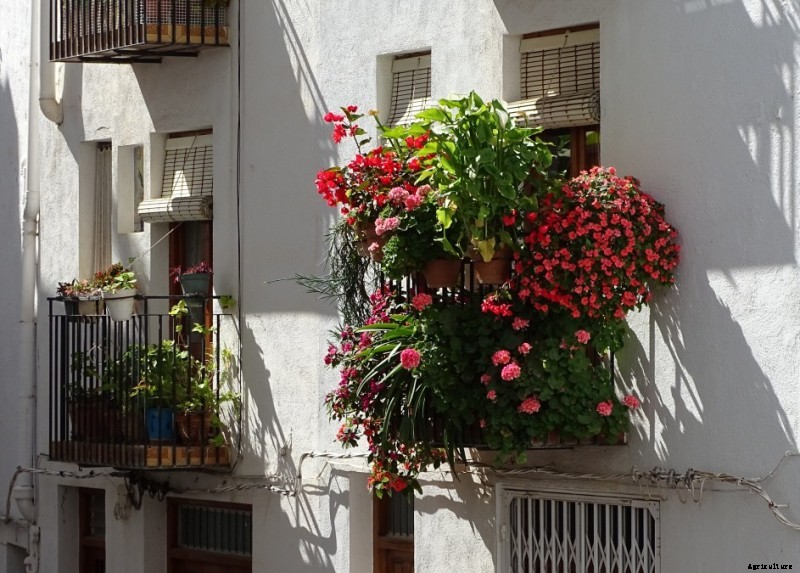
Strawberries – A window box of strawberries is as beautiful as it is delicious. They will want at least 6 hours of sun and 12 inches of soil.
Read: Clever Gardening Tips for Beginners.
The essential apartment gardening tools are;
Outdoor container gardens for apartment dwellers is much easier if use self-watering containers with reservoirs that hold enough water to maintain the soil moist without constant attention. Outdoor containers, particularly those in full sun, dry out quickly on hot days and could need watering more than once a day in the heat of summer. With a self-watering container, don’t have to arrange your life around a watering schedule. Patios and balconies are ideal places for gardening. Before buying your plants, watch to see how much sun your space receives. 8 hours of direct sunlight per day are considered as full sun. 4 to 6 hours is partial shade and less than four hours is shade. Estimate the space in the spring or summer after all the surrounding trees and shrubs are in full leaf, and choose plants appropriate for the amount of light available. Do you use your outdoor space more in the daytime or at night? White and pastel flowers show best at night, while deep blues and purples want sunlight to show off their colors. If you like relaxing evenings outdoors, consider growing plants that release their fragrance at night, such as nicotiana and moonflower.
For small spaces, select plants that grow up rather than out. Bushy shrubs can soften the look of the patio, but they take up a lot of space. Select columnar or pyramidal plants for tight spaces.
Urban gardening in apartments must be a pleasure, not a chore. If you are short of time, you’ll have lots of lovely plants to want from that need very little attention. Above all, choose plants that thrive in apartment garden conditions, look good, fit well in the space, and appeal to you.
Learn to make the most of your indoor gardening space by selecting plants that grow well in a variety of different locations. Reserve bright windowsills for flowering plants that want lots of suns. Plants with bright or variegated foliage, such as polka dot plant and croton, increase the best color near a bright window but out of direct light. Peace lilies and cast iron plants are noted for their ability to thrive in dim corners and recesses of the apartment.
Small potted plants appear more appealing in groups. Placing them in small clusters raises the humidity in the surrounding air, and then results in healthier plants. Hanging baskets are a great method to display trailing plants, and it leaves tabletops of plants that are best seen at or below eye level. Small trees include tranquility and tropical appeal to an indoor setting. Keep in mind that palms can’t be pruned back. Palms grow slowly, and if you select small specimens you’ll save money and enjoy them for several years. Indoor fruit trees and flowering trees require long periods of bright sunlight every day. Filling indoor space with plants creates a relaxing environment and helps purify the air. Other good plants that improve air quality consist of date palms, rubber plants, and weeping figs.
Read: Suitable Plants for Indoor Hydroponics.
Square Foot Gardening is a simple and unique process of raised bed gardening in apartments in which the seeds or seedlings are planted in clearly marked 1×1 square foot plots. It is a great solution for those that would love to garden but feel they don’t space, time or experience.
Turn a shoe organizer garden into a vertical garden and as long as you have even a sunlit balcony railing, you’ll have more than enough room to develop fresh herbs and greens for use in the kitchen. Making this is seriously simple hang a canvas shoe organizer, fill it with compost-rich gardening soil, and plant favorite herbs or greens in the pouches.
Growing herbs indoors is an easy selection when using fresh herbs are an integral part of your kitchen routine. Most herbs are extremely easy to grow in a mason jar is simple as long as you present plenty of light and proper drainage. Plus, the added advantage is that inexpensive mason jars have an innate rustic style that adds flair to kitchen decor.
The smallest and simplest of urban gardens is basically a single large pot. A moderately large pot can be surprisingly productive if one maximizes its potential. If you plan the growing year carefully, one can harvest ten different crops in a single year by combining compatible plants. All you want to do is get a large tub or trough, drill some drainage holes, fill it with soil and then plant complementary groups of plants together for a plethora of fresh, home-grown vegetables all year round.
Tips for selecting containers for apartment gardening: You want to consider two factors while selecting containers they are, the vegetable you want to grow and the space available. Plants like curry leaf or chilly will need a much smaller pot, as compared to vegetables like cucumber and capsicum, which will require a bigger pot.
Some of apartment gardening design tips are given below;
Sunlight – Most vegetables, fruiting and flowering plants need a full day of sunshine. That means 6 to 8 hours of direct sun. This can be hard to come by in a city, where tall apartments on every side tend to block the sun for at least a part of the day. Balconies and rooftops stand the best possibility of offering full sun.
Soil – Plants depend on the soil they are planted in for water, air, and all nutrients. Since your apartment garden will possibly mean growing in containers, you cannot use ordinary garden soil. It will compact in pots or containers, preventing water from flowing through and there will be no space for air. A good well-draining potting mix is essential.
Water – Plants in containers want a lot of water, often several times a day. You want to be sure you choose a spot for a garden that has access to a water supply. Carrying watering cans up and down stairs can obtain tedious quickly. Plants require constant moisture, with most plants requiring daily watering. But excessive watering is not good either and can lead to diseases. Water the plants twice a day and maintain the soil moisture.
Fertilizers: Most chemical fertilizers are easily obtainable in the market, but liquid organic fertilizers are the best option. Another option would be to water the plants with a solution prepared with neem leaves or flowers.
Insects and diseases: A regular check on the plants is a must. ‘Companion gardening’ is the best way to keep insects away. In case, planting garlic between tomatoes will keep pests away.
That’s all folks about urban apartment gardening advantages and ideas.
Read: How to Extract Aloe Vera Juice.


