
Welcome to Modern Agriculture!

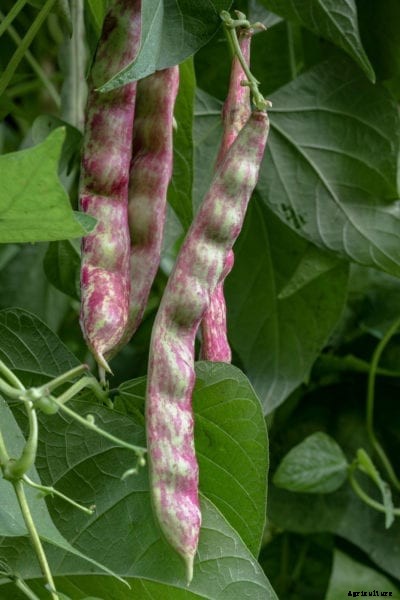
Are you an adventurous type of gardener? Do you like growing new varieties of vegetables each year? If this is the year to try a new type of bean, consider growing French horticultural beans. These versatile beans are one of those must-try varieties to put on your gardener’s bucket list.
French horticultural beans are not a specific variety, but rather a category or type of bean. (Other types of beans include snap, lima and soybeans.) Horticultural bean plants produce long, flat pods with large plump seeds. They have a mild, nutty flavor and a beautiful color.
The attractive bean pods and plump seeds are one reason horticultural beans are popular with gardeners and home cooks, especially in France. Sometimes called cranberry beans, horticultural bean plants produce pods and bean seeds which range in color from white to cream with cranberry red speckles.
Planting and growing horticultural beans is not much different than cultivating other types of beans. They are available in both pole and bush varieties. Like most beans, it’s best to wait until the soil has warmed in the spring before direct seeding horticultural beans into the garden. Sow seeds to a depth of 1 inch (2.5 cm.).
Space seeds 2 inches (5 cm.) apart or thin, if necessary, to give plants sufficient room to mature. Pole varieties will need a trellis or fence to climb. Space rows of bush-type beans 24 to 26 inches (60 to 66 cm.) apart for ease with harvesting.
French horticultural beans can be picked when young and tender and used as snap beans. The colorful pods become fibrous quickly, making these beans more popular for use as shelling beans. Shelling beans are generally harvested when the pods are mature, but still green. It takes most varieties about 65 to 70 days to mature.
At this stage, the bean is still fresh and tender and doesn’t require soaking like dried beans. Once harvested, the beans can be easily shelled and cooked fresh in a variety of dishes. They maintain a firm texture and are ideal in stews, soups and as baked beans.
Horticultural bean plants don’t generally produce the yields seen in other types of beans. However, if gardeners find they have more fresh beans than they can use, there are a variety of ways to preserve them. Horticultural beans can be dried, canned or frozen. They can also be used in youth craft projects, making these beans as fun as they are delicious!


